The Role of Civic Education in Strengthening Public Discourse
3 July 2026
Let’s face it—our world is full of opinions, debates, and conversations happening on every street corner and screen. From heated arguments on social media to intense discussions in classrooms or dinner tables, we’re constantly engaging in public discourse. But here’s the thing: Not all conversations are equal. Some lead to progress, while others just…go in circles. That’s where civic education swoops in like a superhero in glasses.
So, what exactly is civic education, and how does it beef up the quality of public conversations? Sit tight, because we’re about to break it all down and have a little fun while we’re at it.
What is Civic Education, Anyway?
Imagine civic education as a toolkit that teaches people how to be thoughtful, informed, and active members of society. It’s not just about memorizing historical dates or knowing who wrote the Constitution (hint: multiple people did). It’s about understanding how governments work, why voting matters, what your rights are, and—most importantly—how to talk to others about big issues without turning red in the face.Civic education includes things like:
- Understanding democracy and how decisions are made.
- Learning how to participate in political processes.
- Knowing how to evaluate news and information critically.
- Developing skills to discuss differing opinions respectfully.
It’s kind of like learning the rules of the game before stepping onto the field. And trust me, nobody likes playing with someone who’s just winging it.
The Connection Between Civic Education and Public Discourse
Public discourse is essentially the big conversation happening across society—the back-and-forth exchange of ideas, arguments, and perspectives about civic life.Now, picture this: a society without civic education is like a group chat where nobody knows what they're talking about. People shouting opinions, throwing around fake info, and not listening to each other. Total chaos, right?
On the flip side, when people are well-versed in civic education, those conversations become more meaningful. They’re rooted in facts, empathy, and a shared understanding of how things work. That’s the sweet spot where real change can happen.
Why Civic Education Matters More Than Ever
We live in an age where information spreads faster than gossip in a high school hallway. 24/7 news cycles, social media rants, and clickbait headlines flood our minds daily. Unfortunately, not all of it is accurate, and people are more divided than ever over issues that require collective reasoning.That’s where civic education steps up:
- It teaches critical thinking. Instead of falling for misinformation or conspiracy theories, educated individuals are better equipped to sift through what’s real and what’s just noise.
- It builds empathy. When we understand how systems affect different groups, we become more compassionate in discussions.
- It encourages active participation. Civic education doesn’t just explain how democracy works—it lights a fire under people to get involved.
Without it, we’re all just yelling into the void.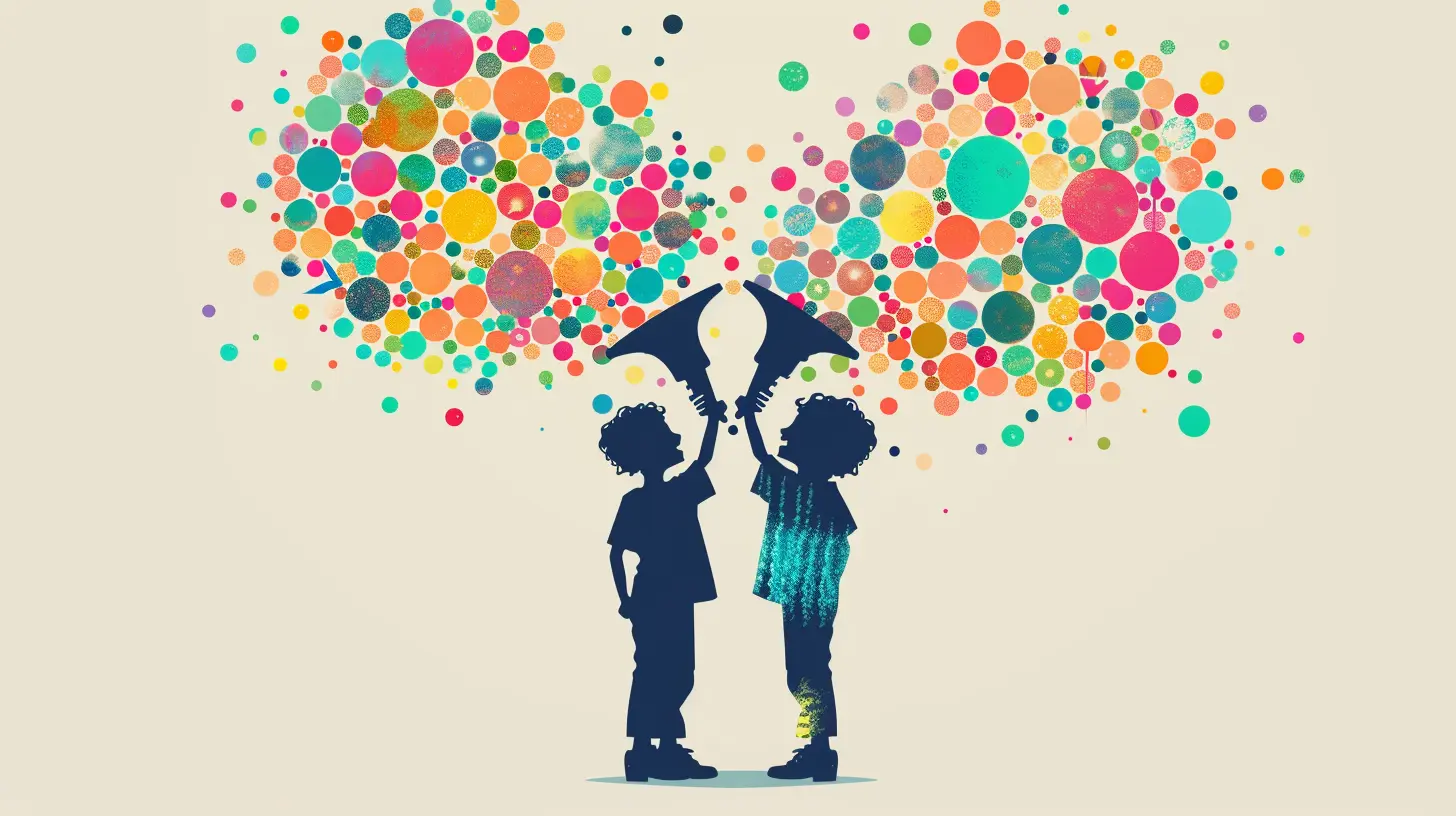
How Civic Education Shapes Better Conversations
1. Encouraging Respectful Dialogue
Let’s be honest—political discussions can get ugly fast. But when people are taught how to argue respectfully and listen actively, those discussions become springboards for progress.Think about it like a dinner table with relatives from different generations. With civic education, even your loud Uncle Joe and your quiet Gen Z cousin can find common ground instead of arguing about "kids these days" or "boomers."
2. Fostering Informed Opinions
Everyone's got an opinion—but not all opinions are created equal. Civic education pushes people to back their thoughts up with facts and real-world context.It’s the difference between saying, “I don’t like taxes,” and “I believe in tax reform because of XYZ economic principle and case studies.”
Big difference, right?
3. Bridging Divides
We live in a pretty polarized world. But civic education acts like a bridge between differing viewpoints, helping people see that disagreement doesn’t have to mean division.Instead of building walls, we build conversations—that’s how civil societies thrive.
Where Civic Education Happens (Hint: It’s Not Just in Schools)
Yes, schools are the obvious starting point. But civic education isn’t confined to dusty textbooks and awkward group projects. It can—and should—happen everywhere.- Online platforms: Websites, YouTube channels, and podcasts can play a huge role in modeling good discourse.
- Community programs: Town halls, workshops, and local advocacy groups often include elements of civic training.
- Households: Parents can model respectful debate and involve kids in discussions about current events.
- Media: When done responsibly, media can educate the public on how government works and what civic responsibility looks like.
Basically, if there’s a conversation going on, there’s an opportunity for civic learning.
Real-Life Wins: Civic Education in Action
Want proof that civic education works? Let’s look at some real-world examples:- Youth voter turnout: In places where civic education is prioritized, young voter participation is often higher. Why? Because when you know your voice counts and how to use it, you’re more likely to show up.
- Peaceful protests and advocacy: From climate marches to civil rights movements, educated citizens have a better sense of how to organize, advocate, and push for change effectively.
- Fact-checking movements: Media literacy—a big part of civic education—has led to massive online communities dedicated to correcting misinformation and promoting truth over hype.
These aren’t just headlines. They’re living proof that knowledge really is power.
Challenges We Need to Tackle
Of course, no system is perfect, and civic education isn’t without its hurdles.- Unequal access: Not all schools have strong civics programs. In fact, a lot of them are underfunded or non-existent, especially in underserved communities.
- Political pressure: Sometimes, people get nervous about teaching civics because it touches on “controversial” topics. But shielding students from real issues doesn’t prepare them for real life.
- Digital distractions: With so many distractions online, it can be tough to get people (young or old) to engage deeply with civic content.
But hey—every superhero faces obstacles. The key is not giving up.
So, What Can We Do?
Here’s where you come in. Whether you’re a student, parent, teacher, or just someone with Wi-Fi and a keyboard, you’ve got a role to play in promoting civic education.- Start conversations. Don’t be afraid to bring up issues that matter. Just do it with kindness, patience, and curiosity.
- Support civic programs. Advocate for better civic learning opportunities in your community and schools.
- Be a lifelong learner. Read, think, and keep expanding your understanding of democracy and citizenship.
- Engage with purpose. Use your platforms—big or small—to model respectful, informed discussion.
The more we all step up, the stronger our public discourse becomes.
The Future is in Our (Well-Informed) Hands
Here’s some food for thought: Democracies aren’t run on autopilot. They need people—real, everyday people—to ask questions, challenge systems, and work together. Civic education equips us with the skills to do just that.Imagine a world where people don’t just scream past each other but actually listen and learn. A world where disagreement sparks growth instead of fights. That’s not just wishful thinking—it’s the outcome of good civic education in action.
Strengthening public discourse isn’t about winning debates. It’s about understanding, unity, and progress—and that starts with knowing how to talk, listen, and think like citizens who care.
So, are you ready to join the conversation?
all images in this post were generated using AI tools
Category:
Civic EducationAuthor:

Fiona McFarlin
Discussion
rate this article
1 comments
Samantha Sharpe
Civic education is crucial for informed public discourse. It empowers individuals to engage thoughtfully in conversations, fostering understanding and collaboration in addressing community issues. It's time we prioritize it.
July 5, 2026 at 4:00 AM