Designing Classrooms for Universal Learning: Beyond Physical Accessibility
6 April 2026
Alright, let’s have some real talk about classrooms — not the boring, square boxes with beige walls and chairs that make your back ache, but the kind of spaces where learning actually comes alive for everyone. Yes, everyone. Because news flash — education isn't "one size fits all."
When we think “accessible classroom,” most of us imagine ramps, elevators, wider doors — you know, the stuff that helps someone physically navigate a space. And don’t get me wrong — that’s incredibly important. But physical accessibility is just the tip of the iceberg. We’re diving deeper today. Let's talk about universal learning — a big, beautiful idea that reimagines classroom design to include students of all abilities, learning styles, and needs.
Buckle up. This isn't your typical lecture. We’re going quirky, creative, and a little rebellious — in the name of inclusive education.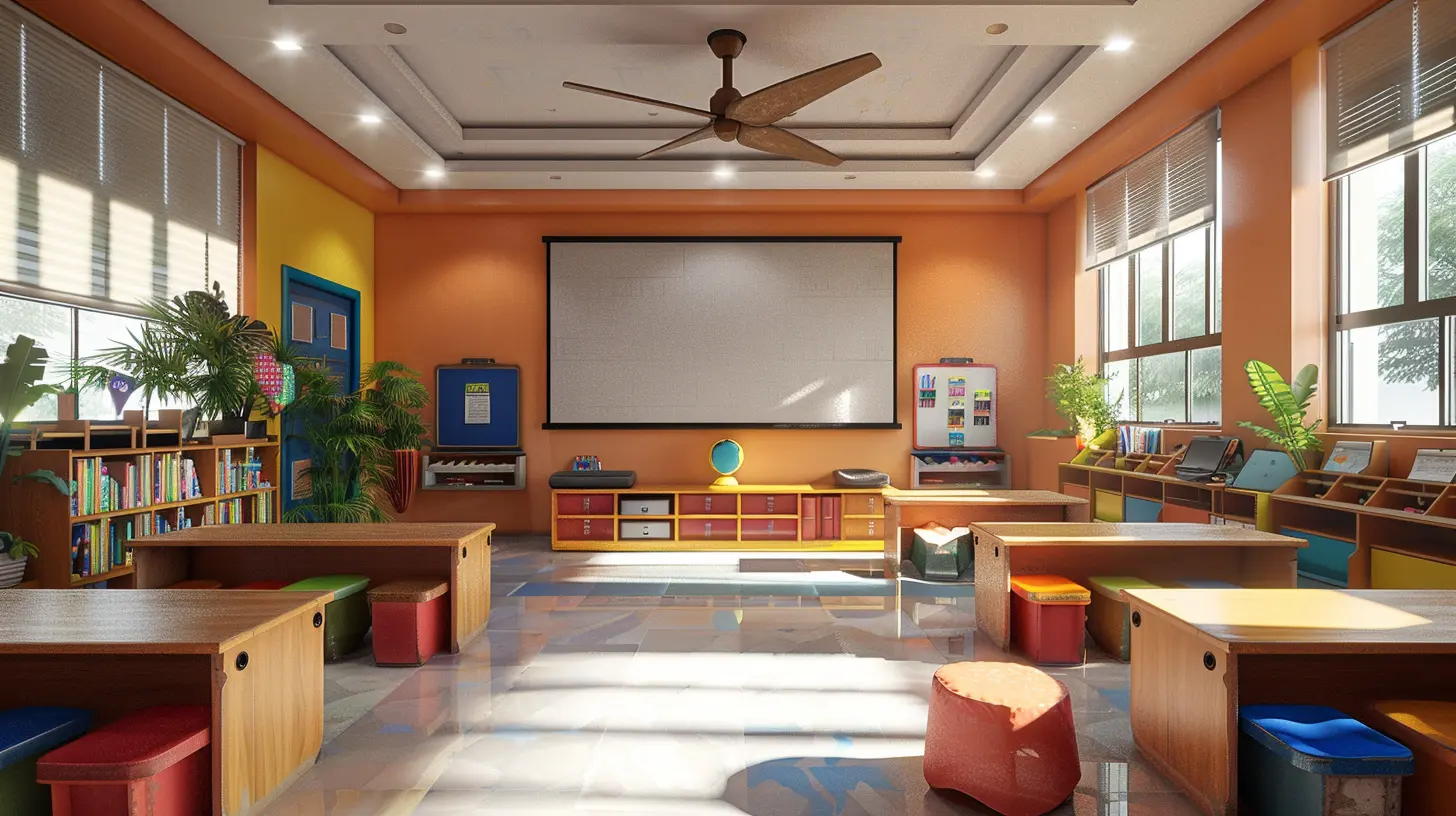
Wait, What Is Universal Learning Anyway?
You're probably wondering, “Hold up — what even is universal learning?” Great question.Universal Learning (often tied to Universal Design for Learning or UDL) is based on the idea that no two brains are wired the same — so why are our classrooms designed like they are?
UDL is like giving every student a personal playlist of tools to learn better. It means creating flexible learning spaces where students with ADHD, dyslexia, autism, sensory processing disorders, emotional challenges, and — let’s not forget — students who are just plain different, can all thrive.
It’s not about making 30 different lesson plans; it’s about building a classroom that has options for everyone to engage, understand, and express what they know. Sounds pretty revolutionary, right?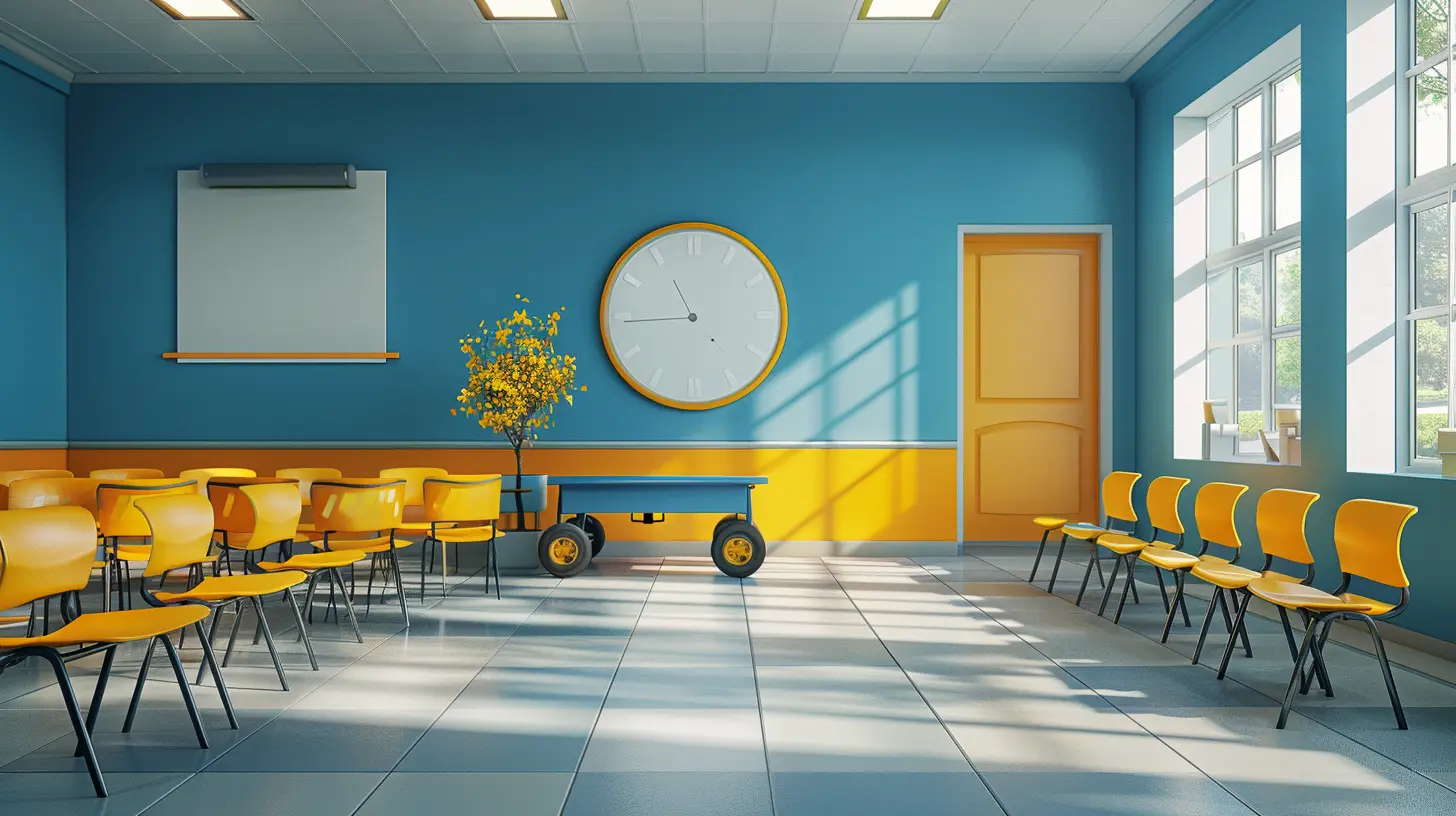
Moving Beyond Ramps and Elevators: What True Accessibility Looks Like
So here's the scoop: Universal learning design doesn’t just happen when you throw in a few beanbags and call it a day. It’s a holistic approach. Think of it as leveling up your entire classroom game.Here are the key elements:
1. Cognitive Accessibility: More Than Meets the Eye
Ever sit in a class and feel like you're drowning in a sea of text, charts, and instructions that make zero sense? That’s a lack of cognitive accessibility.Let’s fix that.
- Multiple Means of Representation: Provide info in more than one way. Visuals, audio, tactile — whatever it takes.
- Chunking Content: Break lessons into bite-sized nuggets. Brains like snacks, not buffets.
- Clear Instructions (Without the Jargon): Ditch the academia-speak. Speak like a human.
2. Sensory-Friendly Spaces: Because No One Wants a Classroom That Feels Like a Rock Concert
Lights buzzing. Chairs scraping. Someone clicking a pen non-stop. Welcome to sensory overload 101.Try this instead:
- Lighting Controls: Natural light? Dimmer switches? Yes, please.
- Noise Dampening: Rugs, soft walls, or even noise-canceling headphones.
- Flexible Seating Choices: Let kids move, stretch, or curl up if it helps them focus.
3. Flexibility Is the Name of the Game
Remember when teachers made everyone sit in a row and face forward like we were in a military parade? Yeah. Let’s not do that anymore.- Modular Furniture: Desks with wheels? Game-changing.
- Zones for Learning: Create quiet zones, collaboration spots, and even movement areas.
- Tech Integration: Tablets, speech-to-text, interactive whiteboards — make them available for those who need them.
No, you don’t need to break the bank. You need to start thinking outside the textbook.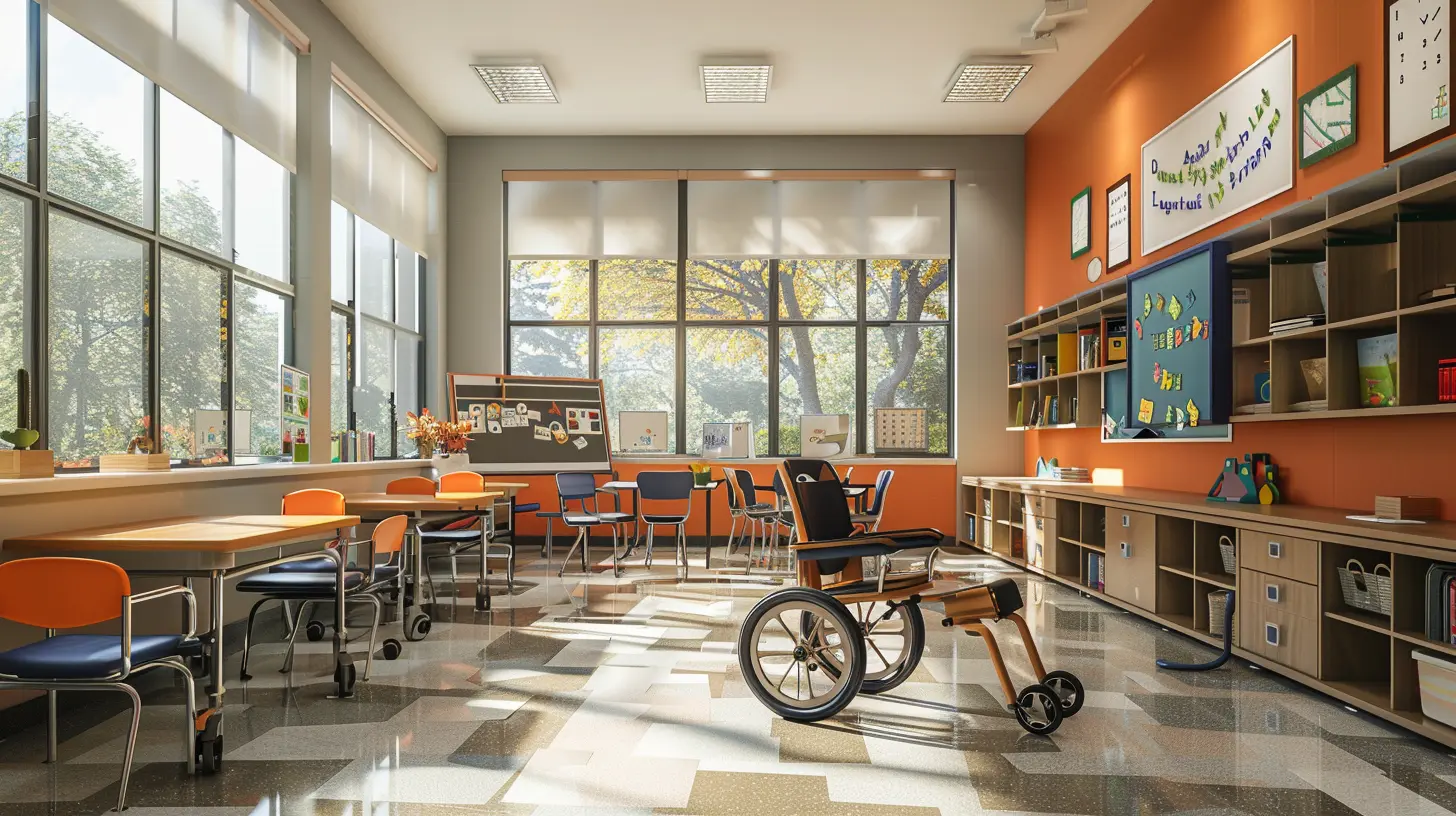
The Secret Sauce: Student-Centered Design
Here’s the weird (but wonderful) truth: the best classrooms are designed with students, not just for them.Ask the Real Experts (Yep, Your Students)
Want to know what works for your students? Just ask.- Conduct anonymous surveys.
- Hold classroom design days.
- Let them rearrange the furniture (supervised chaos is still learning!).
Students bring insight that no fancy ergonomic study can match. They live in that space every day.
Let Learning Be a Choose-Your-Own-Adventure
You may have 25 students but 25 different ways they process information. So swap the traditional model with flexibility.- Let them read, watch, or listen.
- Assess knowledge with a presentation, video, podcast, or poem.
- Give them choices. Autonomy fuels engagement.
It’s not pandering. It’s personalization.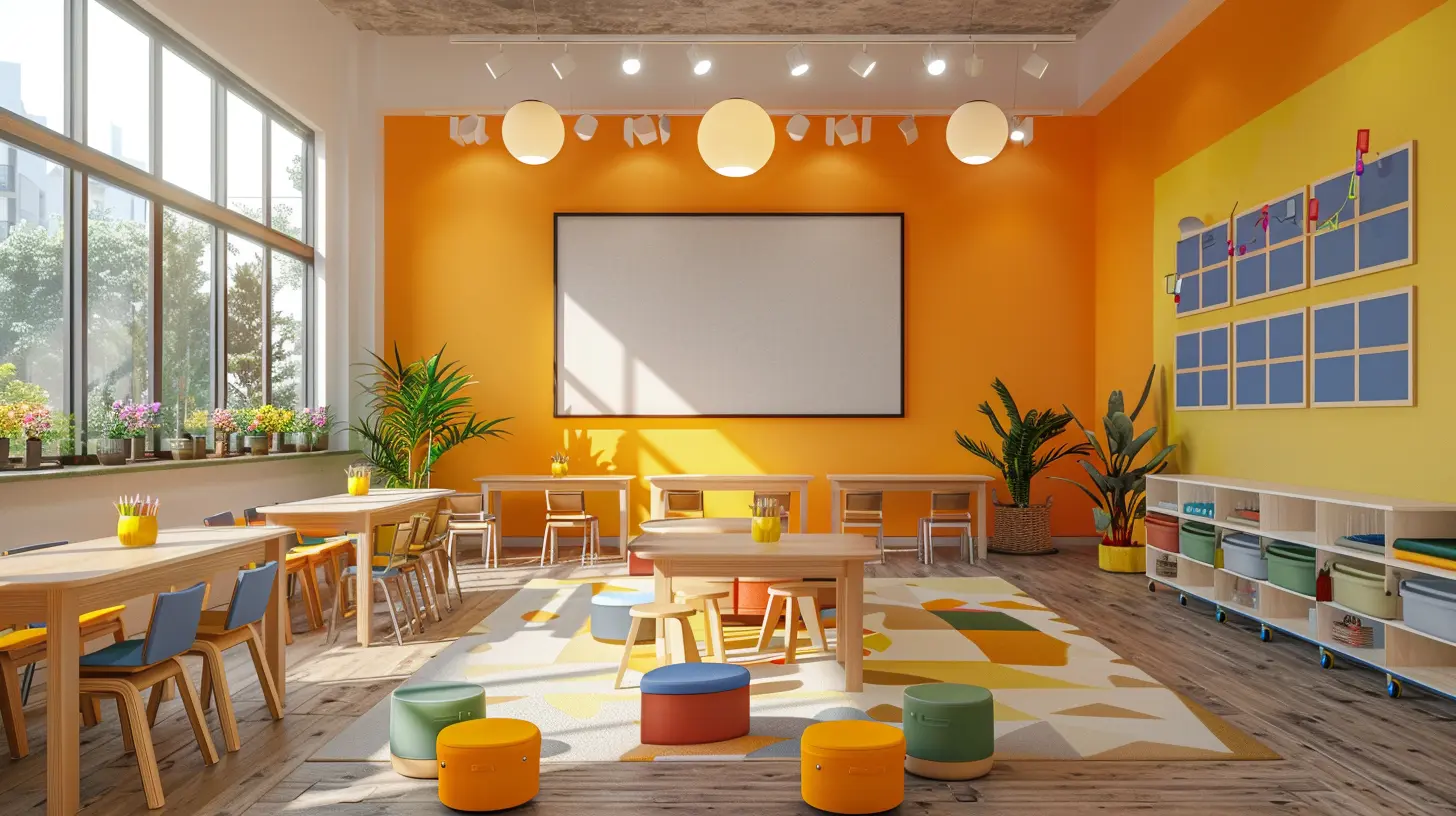
Teachers, You’re the Architects of Change
Alright educators, this one’s for you. Because let’s face it — nothing in your training really prepared you to build the Batcave of classrooms. And yet, here you are.Start Small and Build Big
Don’t try to overhaul your whole classroom overnight. Pick one change and roll with it.- Introduce flexible seating.
- Try a voice-to-text tool for writing assignments.
- Rework a lesson to include visuals and audio.
Rome wasn't built in a day, and neither is your dream classroom.
Collaborate and Steal (With Permission)
There are teachers out there already doing amazing stuff — hit them up! Steal their ideas. Adapt them. Share your wins (and your flops — those are gold too).There’s no UDL police. Just a growing community of educators who know we can do better, and want classrooms where everyone wins.
We Gotta Talk Tech (But Keep It Real)
Some folks hear “universal learning” and think it means turning classrooms into sci-fi labs. Nope. Technology helps, sure, but it’s not the main ingredient.Use tech like a great sidekick — not the main hero.
- Speech-to-Text Tools: Great for dyslexic students or those with motor challenges.
- Text-to-Speech Apps: Helps visual learners and students with reading processing issues.
- Digital Portfolios: Let students track and reflect on their own progress.
But hey — if a student learns better with pencil and paper, that's cool too. UDL isn’t about forcing tools. It’s about offering them.
Let’s Bust Some Myths While We’re Here
Time for some myth-busting, classroom edition.- "UDL is only for students with disabilities." Nope. It helps every learner.
- "It takes too much time." Planning upfront = fewer meltdowns later.
- "I don’t have the budget." Creativity often beats cash.
- "But I have to follow the curriculum." UDL works with curriculum, not against it.
Don’t let the myths win. You’re smarter than that.
Designing Classrooms for the Real (Messy, Brilliant) World
The truth about learning? It’s messy. Wild. Unpredictable. And gloriously human.Your classroom should reflect that.
Designing for universal learning is less about perfection and more about adaptability. Think of your classroom like a living organism — always evolving, always growing.
Are there hiccups? Oh yes. Education isn’t about pretending everything’s perfect — it’s about striving for better. When you create a space that welcomes not just bodies but brains and hearts, you’re not just improving education. You’re transforming lives.
Final Thoughts: It’s Not Just a Classroom — It’s a Launchpad
If we want students to thrive, we’ve got to give them more than desks and worksheets. We need to give them classrooms that see them, value them, and adapt to their wild, wide, wonderful ways of thinking.So go ahead — rearrange that furniture, toss in a beanbag, print that graphic novel version of the syllabus, and blast some instrumental Lo-Fi if it sets the mood.
The future of education doesn’t look like the past — and thank goodness for that.
all images in this post were generated using AI tools
Category:
Inclusive EducationAuthor:

Fiona McFarlin
Discussion
rate this article
2 comments
Otis Snyder
The article highlights the crucial need for classrooms that embrace diverse learning styles, promoting inclusivity beyond just physical accessibility. It's essential to design spaces that foster engagement and support all students' unique educational needs effectively.
April 9, 2026 at 3:46 AM
Fiona McFarlin
Thank you for your thoughtful comment. Embracing diverse learning styles is key to creating inclusive classrooms that truly support every student. I'm glad you found the article highlights important aspects of this challenge.
Beatrice McMurtry
What an inspiring read! Designing classrooms for universal learning truly opens doors to creativity and collaboration for all students. By focusing on diverse needs beyond just physical accessibility, we empower every learner to flourish. Let’s celebrate inclusive learning environments that spark joy and innovation in education! Keep up the great work!
April 7, 2026 at 4:07 AM
Fiona McFarlin
Thank you for your kind words! I appreciate your support for inclusive learning environments. Let's keep pushing for creativity and collaboration in education.