The Benefits of Collaborative Group Work for Student Outcomes
6 December 2025
Ever heard the saying, “Two heads are better than one”? Well, when it comes to education, that saying hits the nail on the head. Collaborative group work isn't just a trendy classroom buzzword—it’s a game-changer for student success.
Think about it. Remember those intense group projects where you either had the time of your life or wanted to pull your hair out? As much as we complain about them, they teach us more than we realize. From improving social skills to boosting academic performance, working together makes a world of difference.
So, why is collaborative group work so beneficial? Let’s dive into the magic behind teamwork and why it’s essential for student growth.
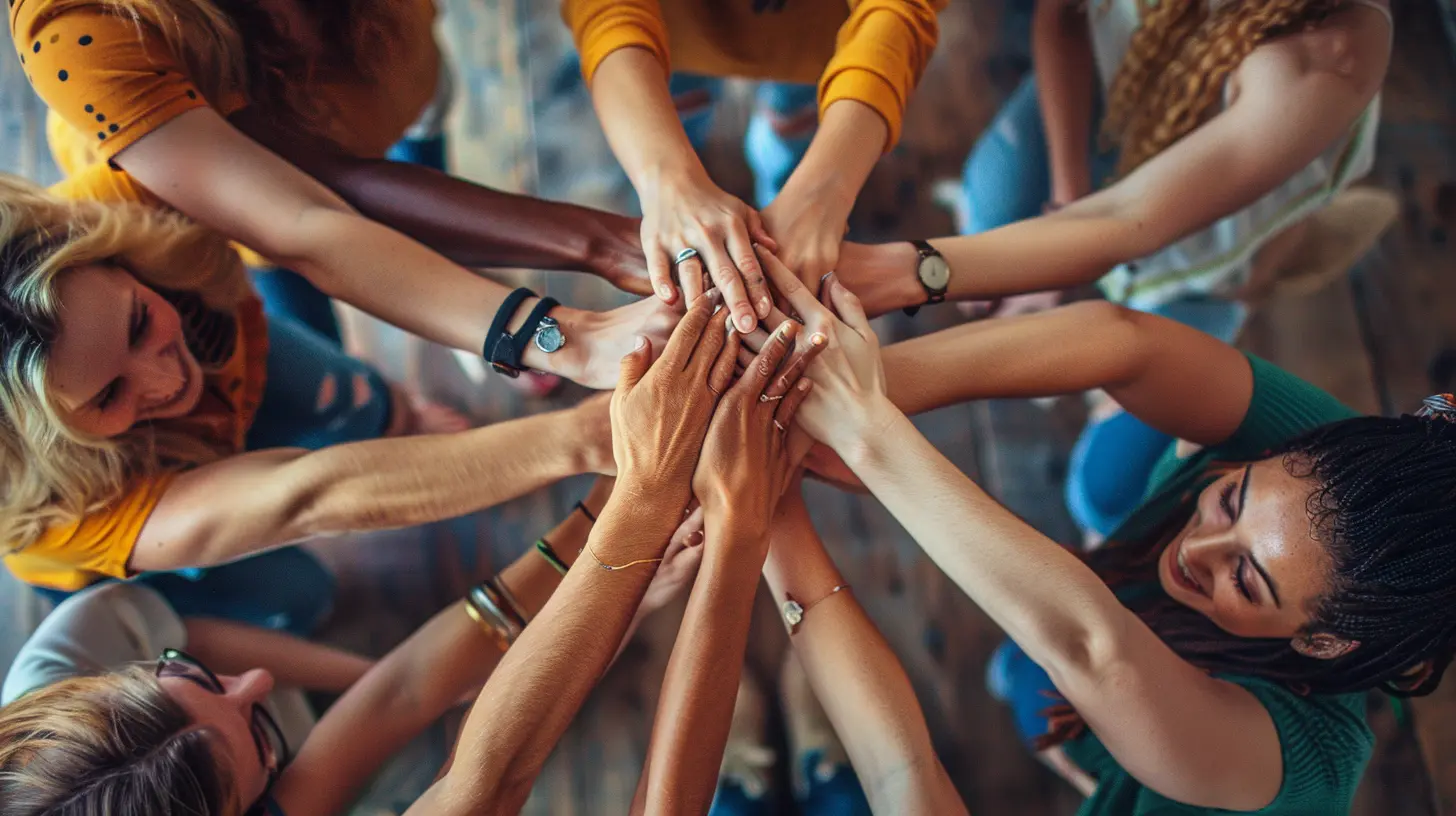
1. Enhancing Critical Thinking Skills
When students work together, they’re constantly challenged to think outside the box. Instead of simply memorizing facts, they have to analyze, debate, and defend their ideas.Imagine a classroom where students are discussing whether pineapple belongs on pizza (a divisive topic, right?). Some argue in favor of the sweet-and-savory combo, while others insist it’s an abomination. In the end, they build solid arguments, listen to opposing views, and strengthen their reasoning skills—all thanks to collaboration.
This process mirrors real-world problem-solving. Whether in college or the workplace, critical thinking is a must-have skill, and group work helps sharpen it.

2. Improving Communication Skills
Let’s be real—talking to people isn’t always easy, especially when collaborating with different personalities. Some students are natural leaders, while others are more reserved. Working in groups forces individuals to step out of their comfort zones and articulate their thoughts effectively.Picture this: A student who usually keeps to themselves is suddenly in charge of presenting the group’s findings. At first, they might stumble over their words, but by the end of the project, they’ve gained confidence in speaking up. And guess what? That confidence follows them into future presentations, interviews, and even job opportunities.
Group work teaches students how to express their ideas clearly, listen actively, and navigate conflicts—all essential skills in any career.
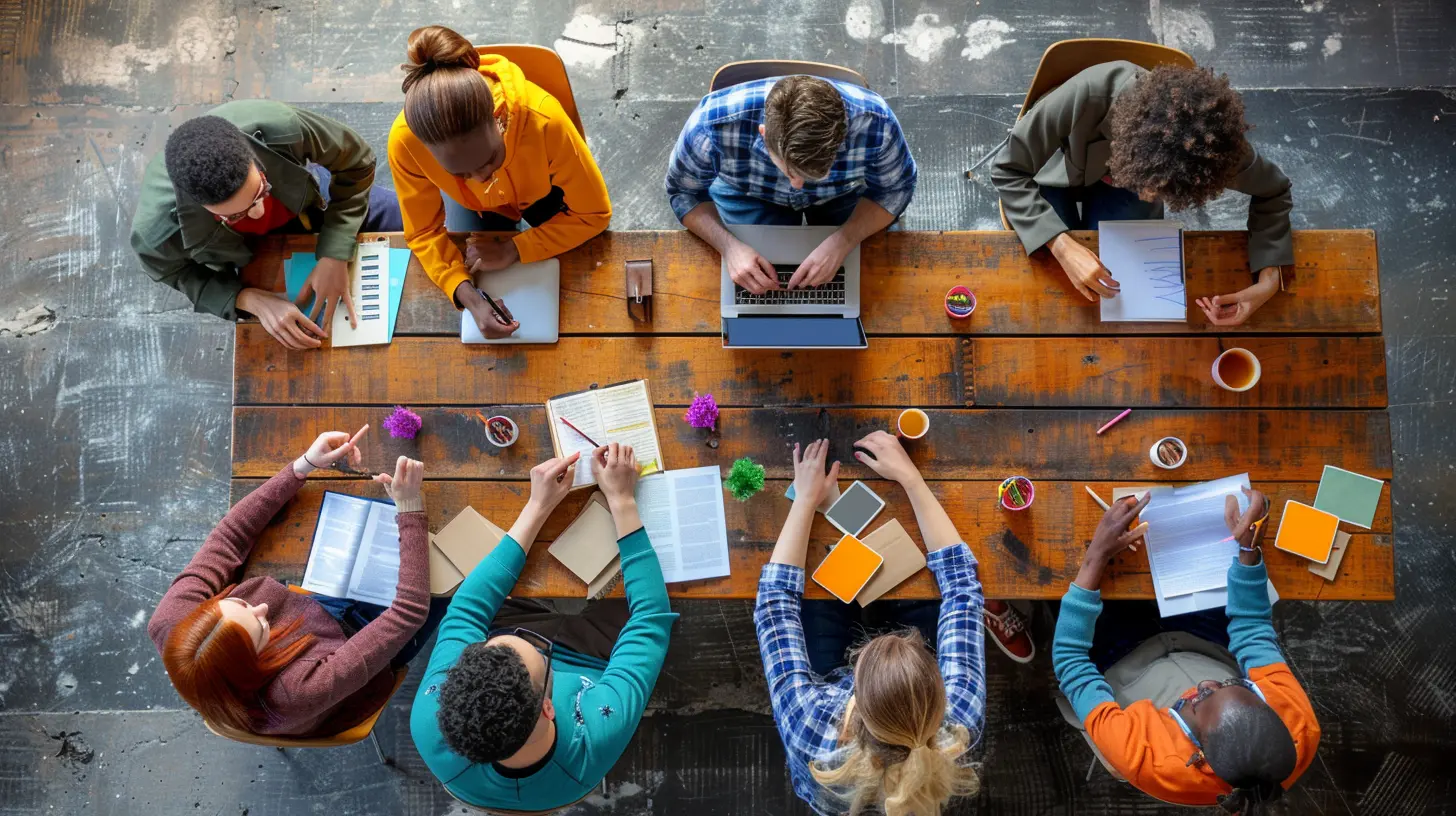
3. Boosting Social and Emotional Skills
Beyond academics, group work fosters emotional intelligence. Students learn patience, empathy, and cooperation—things that can't be taught through textbooks.Ever been part of a group where one person slacked off while the others carried the workload? Frustrating, right? But instead of throwing in the towel, students learn how to manage conflicts productively. They figure out how to address issues, motivate their peers, and maintain a healthy team dynamic.
This kind of experience prepares students for the future, where teamwork is unavoidable. Whether they’re working on a corporate project or planning a wedding, these social skills will come in handy!

4. Encouraging Creativity and Innovation
Some of the best ideas come from bouncing thoughts off others. When students collaborate, they brainstorm freely, allowing creativity to flourish.Think of a solo artist versus a band. A solo artist has great ideas, but a band can bring a wider variety of sounds, inspirations, and harmonies. Likewise, group work combines different perspectives, sparking solutions that one person might never have come up with alone.
By engaging in open discussions, students learn to embrace creativity fearlessly. They realize that even the wackiest ideas can lead to breakthroughs, which is a lesson they’ll carry into adulthood.
5. Preparing for the Real World
Let’s face it—life is basically one big group project. Whether you’re working in an office, launching a startup, or even managing a household, collaboration is key.Employers love candidates who can work well in teams. In fact, most job descriptions emphasize teamwork, leadership, and communication skills—exactly what students practice in collaborative settings.
By engaging in group projects early on, students get a taste of the professional world. They learn delegation, accountability, and resilience, making them more prepared for whatever comes next.
6. Increasing Academic Achievement
Believe it or not, collaborative learning can improve academic performance. Studies show that students who work in groups tend to retain information better than those who study alone.Why? Because explaining concepts to others reinforces understanding. Teaching a friend how to solve a math problem forces you to break it down in a way that makes sense, which, in turn, solidifies your knowledge.
Teamwork also encourages active participation. Instead of passively absorbing information, students engage in discussions, ask questions, and explore topics more deeply—all of which contribute to better learning outcomes.
7. Building Responsibility and Accountability
Group work isn’t just about dividing tasks—it’s about taking ownership of those tasks. In a well-functioning team, each member is responsible for their contributions. If one person doesn’t complete their part, the whole group suffers.This accountability teaches students an important life lesson: actions have consequences. Whether it’s meeting deadlines, delivering quality work, or supporting teammates, these experiences instill a sense of responsibility that carries into adulthood.
8. Making Learning More Enjoyable
Let’s be honest—learning can sometimes feel like a chore. But when students collaborate, they turn the learning process into something engaging and interactive.Picture a science experiment where students work together to build a volcano. There’s excitement, hands-on learning, and the thrill of watching their project come to life. Compare this to reading about volcanoes from a textbook—boring, right?
By making learning fun and dynamic, group work keeps students motivated and eager to participate.
9. Providing Support and Encouragement
Ever struggled with a tough subject and felt like giving up? Group work provides a built-in support system. Students can rely on one another for guidance, encouragement, and motivation.When one student doesn’t understand something, a peer can step in and explain it differently. This peer-to-peer teaching method often works better than traditional instruction because students speak the same language and relate to each other’s struggles.
At the end of the day, learning is a team effort, and having a strong support system makes all the difference.
How Teachers Can Foster Effective Group Work
Now, all this sounds great, but let’s be real—not all group projects are smooth sailing. Sometimes they turn into a chaotic mess of procrastination, disagreements, and unfair workload distribution.So, how can teachers ensure productive collaboration? Here are a few tips:
- Set clear expectations – Define roles, responsibilities, and deadlines from the start.
- Mix skill levels – Pairing different strengths together ensures balanced contributions.
- Encourage participation – Give every student a chance to speak and contribute.
- Use structured activities – Assign specific tasks to prevent confusion and keep everyone on track.
- Provide constructive feedback – Guide students on how to work better as a team.
By implementing these strategies, educators can create a classroom environment where group work thrives.
Final Thoughts
Like it or not, group work is an essential part of learning and personal growth. While it may come with its fair share of challenges (hello, group conflicts!), the benefits far outweigh the struggles.From boosting critical thinking and communication skills to preparing students for the workforce, collaborative learning sets the stage for success. So, the next time you’re assigned a group project, embrace it—you might just gain skills that’ll stick with you for life!
all images in this post were generated using AI tools
Category:
CollaborationAuthor:

Fiona McFarlin
Discussion
rate this article
2 comments
Calder Harris
In the shadows of collaboration lies an untapped realm of potential. What if the synergy of diverse minds unlocks not just better grades, but deeper understanding and lasting connections? As we unravel the mysteries of group dynamics, the question remains: are we ready to embrace what lies beneath the surface?
December 9, 2025 at 5:10 AM
Fiona McFarlin
Absolutely! Embracing collaboration not only enhances academic performance but also fosters meaningful connections and enriches our understanding. It's time to explore the depths of group dynamics for lasting impact.
Sloan Pratt
Collaborative group work enhances student outcomes by fostering teamwork, improving communication skills, and promoting critical thinking. It encourages diverse perspectives and helps students develop essential social skills crucial for future success.
December 7, 2025 at 3:50 AM
Fiona McFarlin
Thank you for your insightful comment! I completely agree that collaborative group work is essential for developing teamwork, communication, and critical thinking skills that prepare students for future success.