The Role of Enzymes: Exploring Biology with a Potato Experiment
1 February 2026
Let’s face it—when most people hear the word "biology," they either think of dissecting frogs or memorizing parts of a cell they can't even pronounce. But what if I told you that one of the coolest biological processes can be demonstrated… using a potato? Yep, you read that right. That humble spud sitting in your pantry is actually the key to unlocking a fascinating concept in biology: enzymes.
So, grab your lab goggles—or just a kitchen towel—and get ready for a surprisingly fun (and kind of messy) deep dive into the role of enzymes, all wrapped up in a simple potato experiment.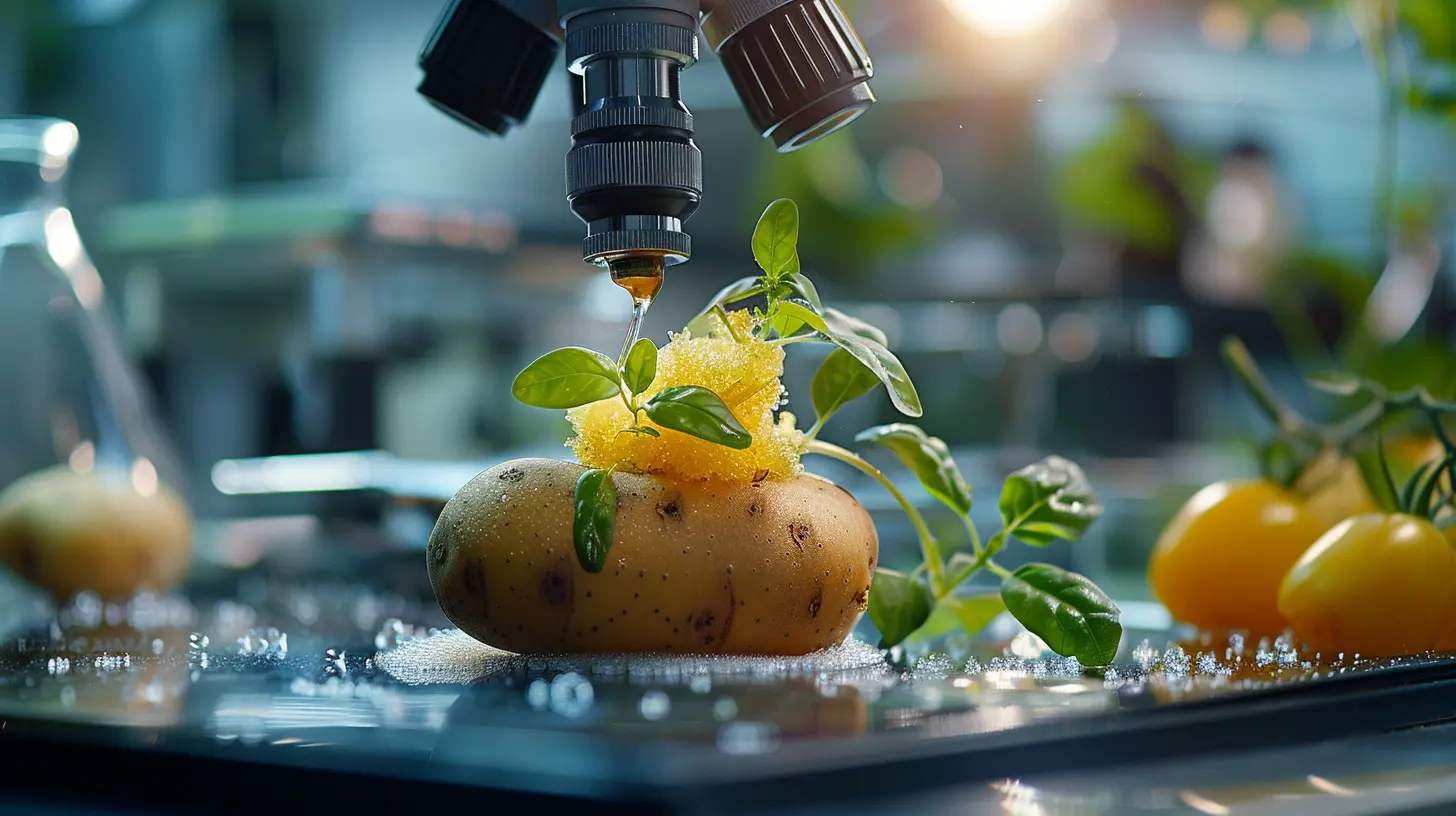
What in the World Are Enzymes?
Alright, let’s break it down like a dance tutorial for your brain.Enzymes are proteins. But not the boring, do-nothing kind. These guys are biological rockstars—microscopic matchmakers that speed up chemical reactions inside living things without being used up themselves. Think of enzymes as natural catalysts. They're like the fast-talking auctioneers of your body, getting things moving at record speed.
They’re involved in everything from digesting your breakfast burrito to replicating DNA. Seriously, without enzymes, your body would be slower than dial-up internet in 1998.
The Potato: Nature’s Favorite Lab Tool?
Now, you might be wondering—what’s the deal with potatoes? Why are we using them to study enzymes?Great question, my curious compadre.
Potatoes contain an enzyme called catalase. This enzyme breaks down hydrogen peroxide (H₂O₂)—a chemical you probably have in your bathroom cabinet—into water and oxygen. And here’s the kicker: when catalase does its thing, it creates bubbles. Glorious, fizzy, Instagram-worthy bubbles.
This makes it super easy to observe enzyme activity. No microscope, no test tubes, no scary lab coats required.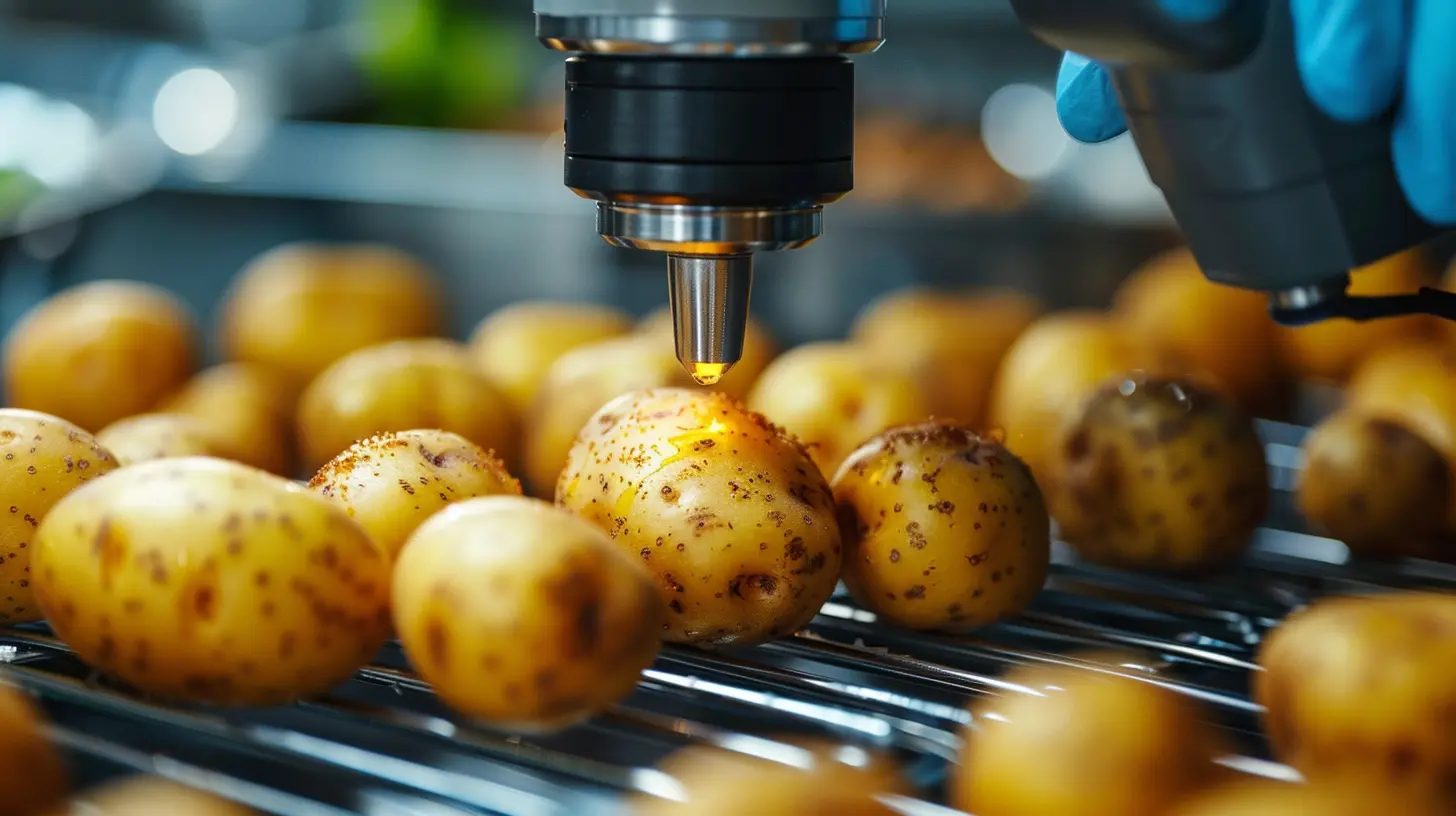
The Potato Experiment: What You’ll Need
Alright, science adventurer, before we dive into the experiment, here’s your gear checklist:- 1 raw potato (any kind will do, but russets are the MVPs)
- Hydrogen peroxide (3% from the pharmacy is perfect)
- Knife (adult supervision alert!)
- Cutting board
- Several small bowls or cups
- Spoon
- Optional: blender, stopwatch, and sense of wonder
Simple, right? You probably already have most of this lying around the house.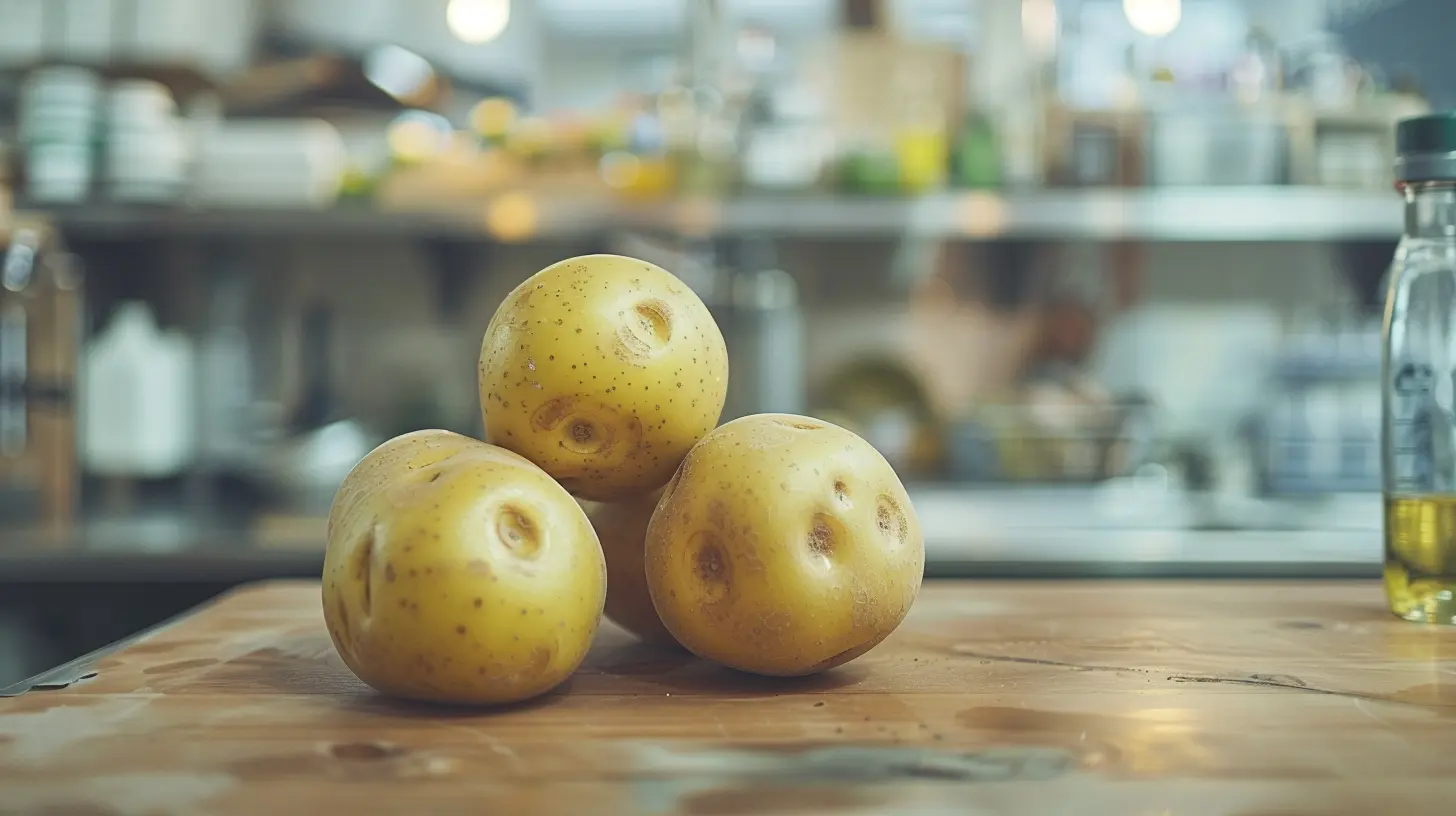
Let's Do Science: Step-by-Step Potato Enzyme Experiment
🧪 Step 1: Chop It Like It’s Hot
Cut your potato into a few pieces—maybe three or four. You’ll want different shapes and sizes so you can try various setups later. One of these chunks will be your control (aka the potato that just vibes and doesn’t get treated).🔥 Step 2: Heat One Potato (Gently…)
Take one chunk and heat it. Pop it in the microwave for 30 seconds or boil it briefly. This simulates what happens when enzymes are exposed to high temperatures. Spoiler alert: enzymes are divas. They hate heat.🧊 Step 3: Freeze Another Chunk
Another chunk goes into the freezer for about 10–15 minutes. This helps us see what cold does to enzyme activity. (Hint: it slows things down more than Monday mornings.)⚙️ Step 4: Smash or Blend One Chunk
Mash one potato piece like you’re prepping for Thanksgiving dinner. More surface area = more enzymes exposed. This is your science power-play move.💥 Step 5: Add Hydrogen Peroxide
Here comes the fun part. Put each potato chunk in a separate bowl. Then, pour a bit of hydrogen peroxide onto each one. Sit back and observe. Is it bubbling? Foaming? Doing a fizz-fest like a science volcano? That’s catalase at work!What’s Happening Here?
So, here's the breakdown, in not-so-scientific terms:Catalase is hanging out in the potato, waiting to be useful. When you add hydrogen peroxide, it jumps into action, splitting it into water and oxygen gas. Those bubbles you see? That’s the oxygen escaping like it’s late for a party.
But enzymes are picky. They like just the right conditions—kind of like a baby Goldilocks. Too hot? They "denature," which means their shape changes and they quit working, like someone flopping onto the couch after a long day. Too cold? They slow down to a crawl, still working—but just barely.
Real-Life Enzyme Applications (Because Potatoes Don’t Pay the Rent)
Sure, this potato party is fun, but enzymes have way bigger gigs in the real world. Here’s where they’re showing up:🧼 In Laundry Detergent
That “enzyme-boosted” detergent you saw in the grocery aisle? Not just marketing fluff. Enzymes break down stains from proteins, fats, and carbs. They’re your washer’s secret weapon.🩺 In Medicine
From diagnosing illnesses to treating them (like using enzymes to clear blood clots), these little proteins are hardcore multitaskers in modern healthcare.🍺 In Food Production
Breweries, cheese factories, and bakeries? All enzyme havens. They help ferment, break down starches, and improve textures. Basically, they make food taste better, and we’re thankful.Why This Experiment is a Classroom Favorite
Teachers LOVE the potato-and-peroxide trick. Why? Because it’s safe, cheap, and super visual. Plus, it ties together loads of science concepts: enzymes, reactions, temperature effects, and good ol' observation skills.It's the kind of experiment that makes students say, “Whoa, that’s cool,” instead of, “Will this be on the test?”
And you know what? When science feels like magic, students start paying attention.
Taking It Further: Bonus Ideas for Extra Credit or Just More Fun
So, you’ve tried the basic experiment. Why stop there? Here are a few wild ideas to keep the bubble party going:🧃 Try Other Foods
Test catalase activity in apples, liver (if you’re brave), or even onions. Spoiler alert: liver wins in foamy drama.🕒 Measure the Time
Use a stopwatch to see how fast different samples bubble. Data = science gold.🌡️ Test Different Temperatures
Use thermometers to make your experiment more precise. Try more specific heat ranges—warm, hot, boiling, you name it.🧂 Adjust the pH
Add vinegar or baking soda to change the pH and see how it affects enzyme behavior. Enzymes are picky eaters, remember?Enzymes: The Unsung Heroes of Biology
Let’s get real—enzymes are seriously underappreciated. They’re doing all the behind-the-scenes work in every living thing on this planet. They’re like the crew backstage at a Broadway show, making everything run smoothly while the actors (aka the body parts and systems) take the spotlight.And thanks to the amazing powers of a potato (who knew, right?), we can actually see enzymes in action, not just read about them in a textbook.
It’s not every day that a kitchen staple helps reveal the secrets of life. So next time you look at a potato, give it a little nod of respect. That beige lump is a biological marvel in disguise.
Final Thoughts: Why This Matters
Understanding enzymes isn’t just for nerds in lab coats (though we love those guys too). It’s about understanding how life works, from the ground up—literally. Enzymes make life possible, speeding up the chemical reactions that keep us living, breathing, and even digesting nachos.So whether you’re a student, a teacher, a curious parent, or just someone who accidentally reads science blogs for fun (hi, we see you), this potato experiment is a perfect way to see biology in action—with a side of awe and a splash of peroxide fizz.
Science doesn’t always need big labs or fancy gear. Sometimes, it just needs a potato and a little curiosity.
all images in this post were generated using AI tools
Category:
Science ExperimentsAuthor:

Fiona McFarlin
Discussion
rate this article
2 comments
Delta Reese
Loved this potato experiment! It’s a fun way to explore the fascinating world of enzymes!
February 22, 2026 at 4:30 AM
Fiona McFarlin
Thank you! I'm glad you enjoyed the experiment and found it engaging for exploring enzymes!
Edith McDowney
In humble spuds, the secrets dwell, Enzymes dance, a tale to tell. Through science’s lens, we find delight, Nature's wonders, sparked by light.
February 8, 2026 at 5:08 AM
Fiona McFarlin
Thank you for your poetic comment! It's wonderful to see how enzymes and nature inspire creativity and curiosity in science.