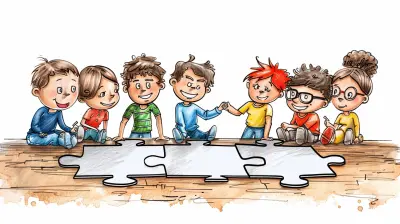
Inclusive Education for Students with Hearing Impairments
17 July 2026
Let’s talk about a subject that doesn’t get nearly as much spotlight as it should — inclusive education for students with hearing impairments. In a world that’s slowly moving toward celebrating differences, making sure everyone has access to quality education regardless of a disability is not just a nice idea — it’s a necessity.
So, what does inclusive education actually mean? And how does it relate to students who are deaf or hard of hearing? Are we doing enough? Well, buckle in, because we’re diving deep into the world of inclusive classrooms, how they support hearing-impaired students, and what still needs to improve.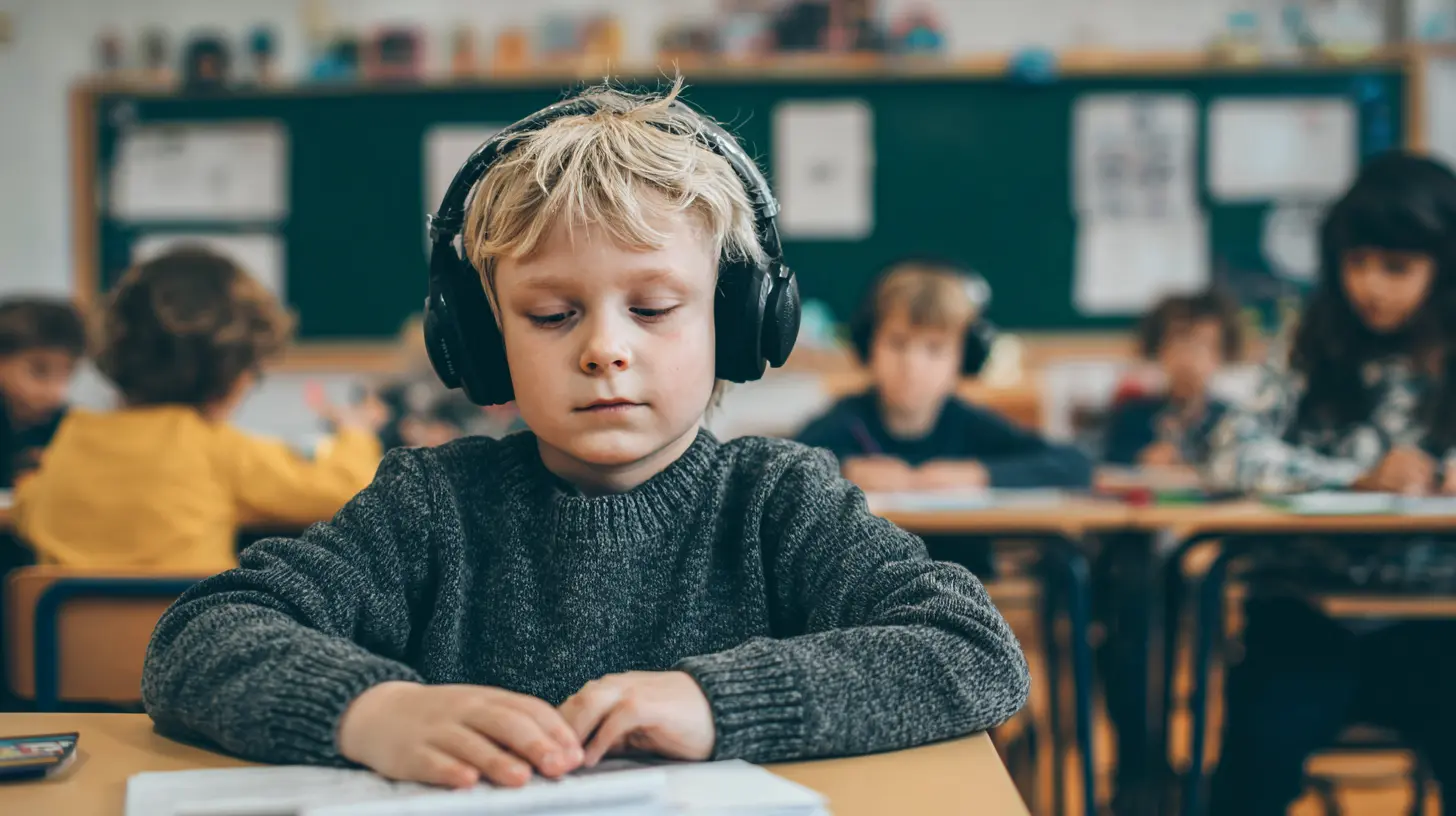
What Is Inclusive Education?
Inclusive education isn't just letting students with disabilities attend the same school as everyone else. It's about designing learning environments where all students — regardless of their physical, intellectual, social, or emotional differences — can learn together and thrive.Imagine trying to play a team sport but not being offered the same equipment. You might be on the field, but you’re not really part of the game. That’s what exclusion feels like for many students with hearing impairments when schools don’t make the effort to include them properly.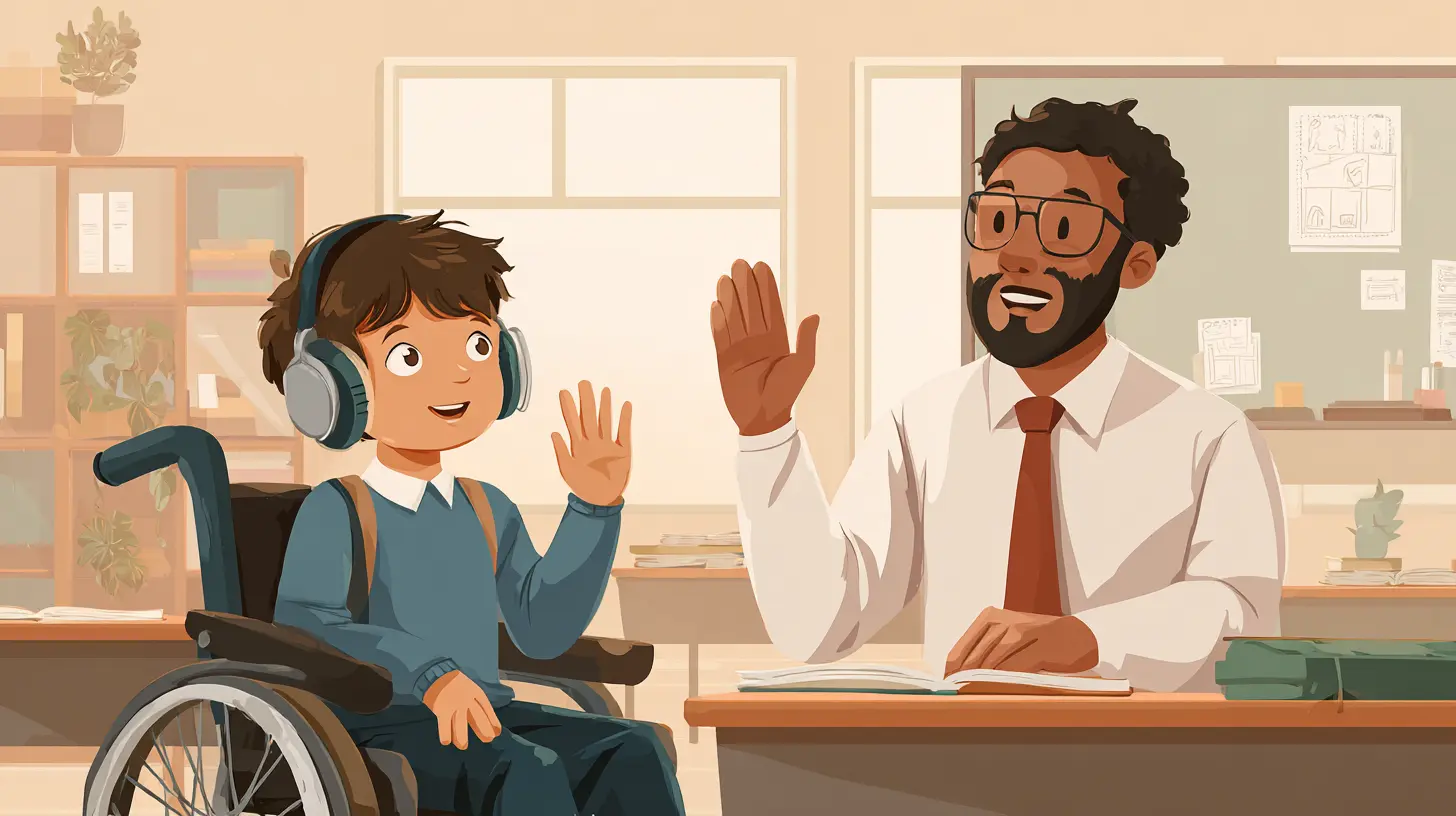
The Unique Challenges for Students with Hearing Impairments
Let’s face it — school is tough enough without having to miss out on half of what’s going on simply because you can't hear it. Hearing impairments can range from mild to profound, and they create a wide range of challenges in a typical classroom setting.1. Communication Barriers
This is the most obvious hurdle. Most traditional classrooms rely heavily on verbal instruction. Lectures, group discussions, and even casual conversations rely on the ability to hear. For hearing-impaired students, that’s a huge roadblock.Sure, some students use hearing aids or cochlear implants, but that doesn't solve everything. Background noise, unclear speech, or lack of visual cues can still make comprehension difficult.
2. Social Isolation
Ever felt left out of an inside joke? Now imagine not understanding 70% of what your classmates are saying throughout the day. Social interaction becomes exhausting. Many hearing-impaired students report feelings of loneliness, even when they’re surrounded by people.3. Limited Access to Curriculum
Without the right support, hearing-impaired students often miss out on important academic content. It’s not that they’re any less capable — it’s just that the information isn’t always presented in a way that they can access easily.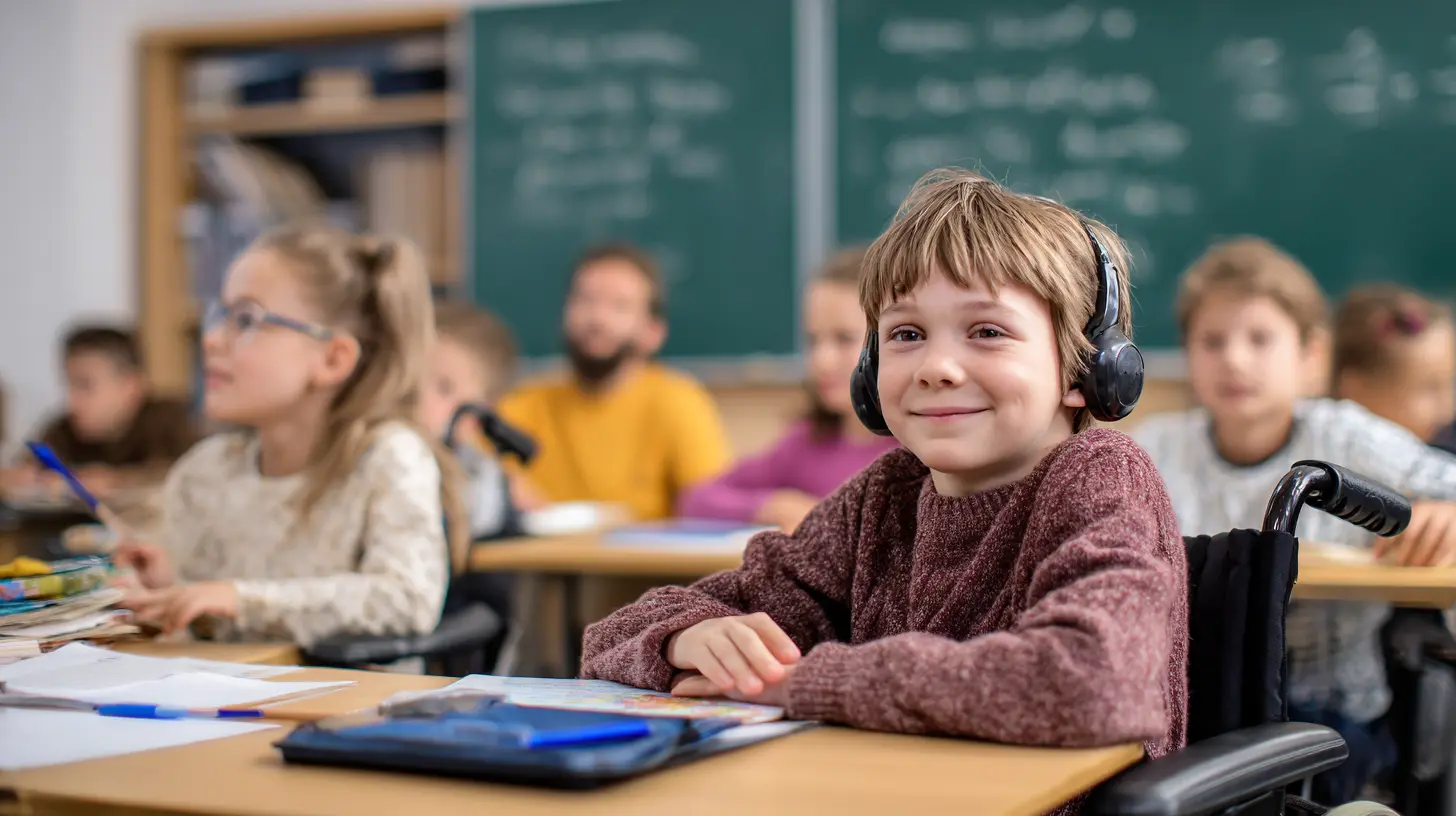
Why Inclusive Education Matters
Okay, here’s the deal — inclusion is a game changer. It's like flipping the script from “you figure out how to keep up” to “we’ll change how we teach so everyone can keep up.”It’s not only better for students with disabilities; it actually benefits all students. How so?
- It promotes empathy and understanding.
- It builds diverse friendships.
- It prepares students for real-world situations where diversity is the norm.
Plus, we’d argue it’s just the right thing to do — morally and legally.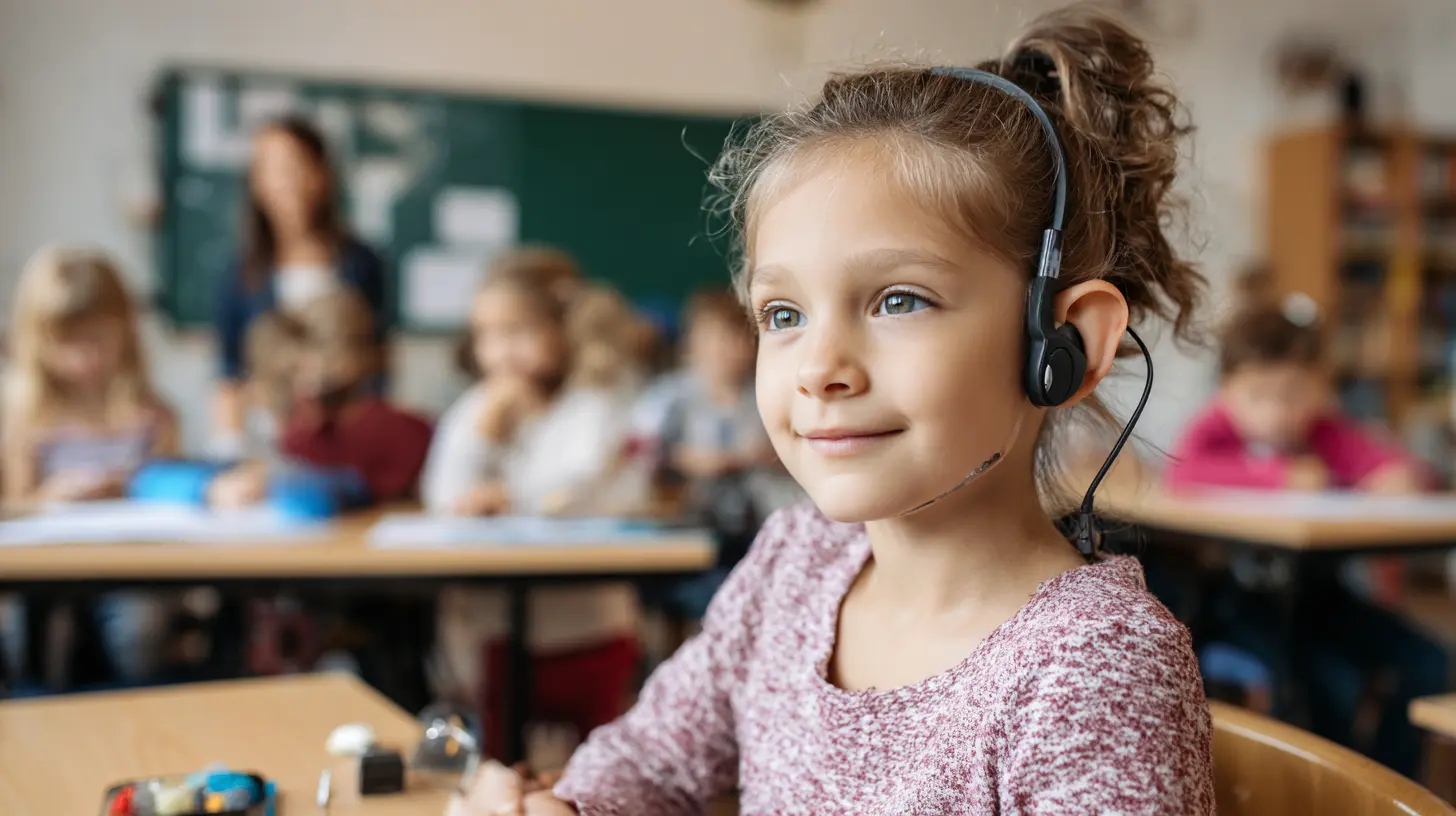
The Foundation of Inclusive Education: Accessibility
So how do we turn regular classrooms into inclusive ones? Accessibility is the name of the game.1. Use of Assistive Technology
Technology has come a long way, and it's making huge strides in inclusive education.- FM systems: These help transmit the teacher’s voice directly to a student’s hearing aid or cochlear implant.
- Speech-to-text apps: Real-time captioning can help students follow along during lectures.
- Video captioning: Offering subtitles on videos isn’t just helpful — it’s essential.
- Sign language interpreting: For students who communicate with sign language, having an interpreter in class can be life-changing.
2. Visual Learning Aids
Sometimes, a picture really is worth a thousand words. Using visual aids like charts, graphs, maps, and written instructions gives all students — hearing-impaired or not — more ways to understand the material.Plus, it reduces the reliance on verbal explanation, which is a win for both students and teachers.
3. Teacher Training
You can have all the tech in the world, but if the teacher doesn’t know how to use it or adapt their teaching strategies, it won’t make much difference.Teachers play an essential role in making classrooms inclusive. Training them to understand how hearing impairments affect learning — and what to do about it — is crucial.
Communication in the Classroom: Bridging the Gap
Communication is the golden ticket in any classroom setting. But for students with hearing impairments, traditional methods just don’t cut it. So how do we fix that?1. Encourage Multiple Communication Modes
Some students might use sign language, others might rely on lip-reading or written communication. The key is flexibility. Encourage and allow different methods of expression.Ever heard the saying, “meet them where they are”? That’s the philosophy to adopt.
2. Promote Peer Communication
Let’s be real — students learn a lot from each other. And that social learning doesn’t stop with disabilities. Encouraging classmates to learn some basic signs or talk face-to-face can create a much more friendly atmosphere.A little effort goes a long way.
Collaborative Efforts: It Takes a Village
No one becomes inclusive overnight. Creating a supportive environment for hearing-impaired students requires teamwork.1. Families and Caregivers
Parents and guardians know their children best. Regular communication with families helps teachers understand what works and what doesn’t.Plus, when home and school work in sync, students feel more secure and understood.
2. Speech and Language Specialists
Don’t forget about the experts. Audiologists, speech therapists, and other professionals provide essential insight and support. Whether it's helping a child use their hearing aid effectively, or recommending the best apps, their input shapes outcomes.3. Policy Makers
Funding, training, and support services don’t just fall from the sky. Local and national governments need to prioritize inclusive education and make sure schools have the resources they need.Success Stories: What’s Working?
Let’s shine a light on the positive. Tons of schools around the world are getting it right — and students with hearing impairments are thriving.Example 1: Bilingual-Bicultural Programs
Some schools adopt a bilingual-bicultural approach — teaching students both sign language and spoken/written language. This dual focus helps strengthen both academic and social skills.Example 2: Co-Teaching Models
Having a general ed teacher and a special ed teacher working together in one room? Brilliant. It provides more personalized support without separating students from their peers.The Roadblocks We Still Need to Tackle
Okay, time for some real talk. There’s still a long way to go.- Lack of trained staff: Not enough teachers know how to support hearing-impaired students.
- Limited funding: Many schools can’t afford the tech or staff needed for proper inclusion.
- Social stigma: Unfortunately, misconceptions about disabilities still exist.
It’s 2024 — it’s time to move past these outdated hurdles.
What Can You Do?
Thinking, “I’m not a school principal — how can I help?” Don’t worry, there’s always something you can do.- If you’re a teacher: Advocate for training or resources in your school.
- If you’re a parent: Engage with teachers and support inclusive policies.
- If you’re a student: Be a friend. Inclusion often starts with empathy and kindness.
- If you’re a policymaker: Push for laws and budgets that prioritize inclusive education.
Final Thoughts
Inclusive education for students with hearing impairments isn't just about putting a few extra steps into lesson planning. It’s about rethinking how we define learning, communication, and community.When we talk about education for all, we mean it — and that means tailoring support, breaking down barriers, and amplifying voices that might otherwise be missed.
Because at the end of the day, every student deserves the same shot at success.
all images in this post were generated using AI tools
Category:
Inclusive EducationAuthor:

Fiona McFarlin