The Legal Framework for Inclusive Education: What Educators Need to Know
16 August 2026
Inclusive education is more than just a buzzword—it’s a fundamental shift in how we approach learning. It ensures that every student, regardless of their background, abilities, or challenges, has the opportunity to thrive in a supportive learning environment. But what does the law say about inclusive education?
As educators, understanding the legal framework behind inclusive education helps us create better learning spaces, advocate for our students, and stay compliant with educational policies. Let’s break it down in a way that makes sense.
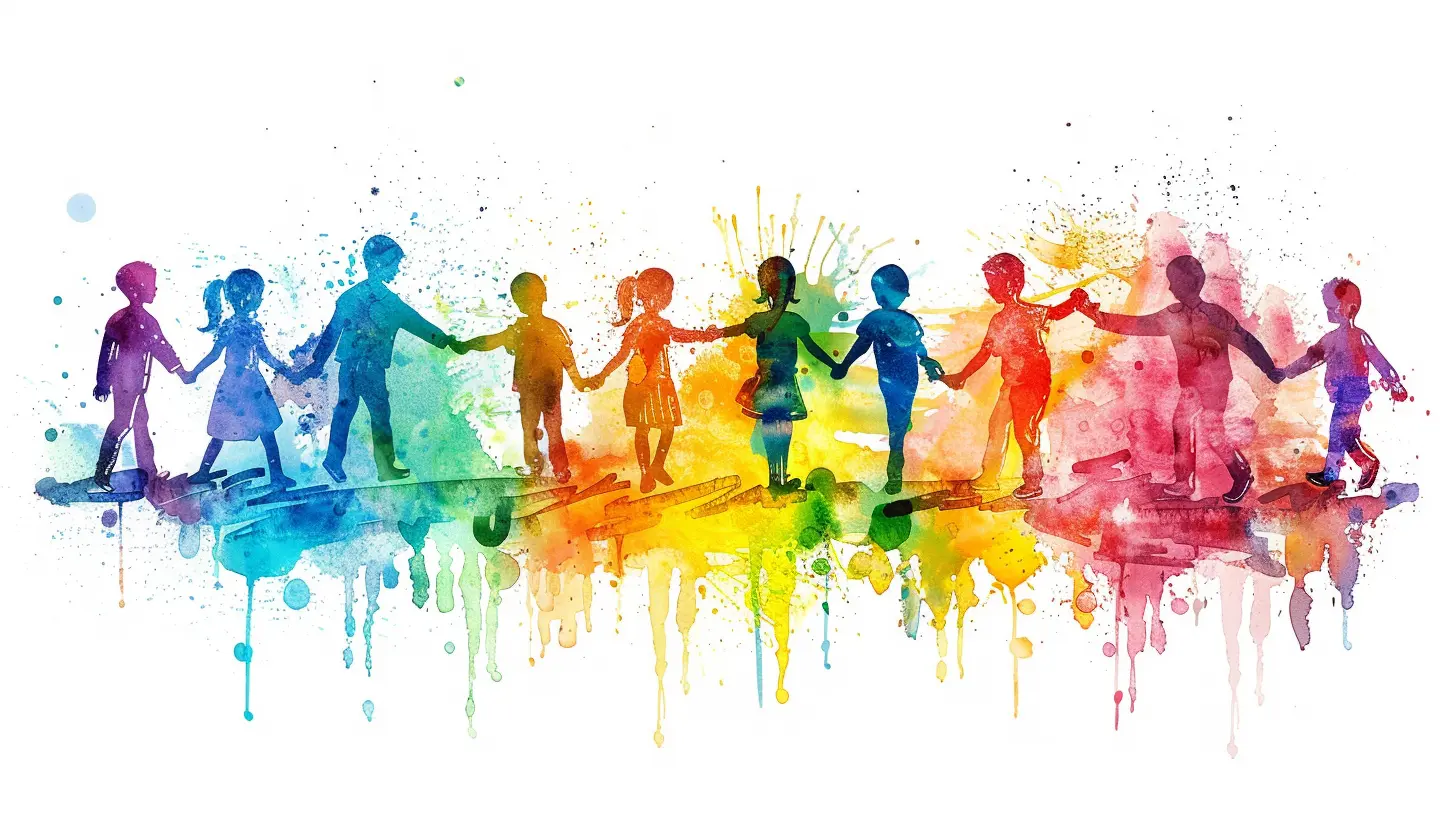
What Is Inclusive Education?
Before diving into the legal side of things, let's set the stage. Inclusive education means that all students, including those with disabilities or learning differences, share the same classroom, receive the same quality education, and are valued members of the school community.It’s not about simply placing students with disabilities in general education classes—it’s about ensuring they receive the support they need to succeed. This approach benefits everyone, fostering empathy, collaboration, and a more diverse learning environment.

The Legal Foundation of Inclusive Education
Most countries have laws and policies that promote inclusive education. These regulations ensure that students of all abilities receive a fair shot at quality education. Here are some of the key legal frameworks that educators should be aware of:1. The United Nations Convention on the Rights of Persons with Disabilities (UNCRPD)
The UNCRPD, adopted in 2006, pushes for an inclusive education system at all levels. Article 24 explicitly states that people with disabilities have the right to education without discrimination. It encourages countries to provide reasonable accommodations, individualized support, and accessibility to ensure full participation in education.2. Individuals with Disabilities Education Act (IDEA) - US
If you’re in the United States, IDEA is one of the most significant laws shaping inclusive education. It guarantees free and appropriate public education (FAPE) for students with disabilities and emphasizes the importance of an Individualized Education Program (IEP).This law ensures that students with disabilities receive tailored educational services within the least restrictive environment (LRE). In simple terms, it means students should learn in general education classrooms alongside their peers as much as possible.
3. Section 504 of the Rehabilitation Act (US)
This law ensures that students with disabilities are not discriminated against in federally funded programs, including public schools. Unlike IDEA, which provides individualized educational plans, Section 504 focuses more on accommodations—think of it as leveling the playing field so students with disabilities can access the same education as others.4. Americans with Disabilities Act (ADA) - US
The ADA extends beyond schools, protecting individuals with disabilities from discrimination in various areas, including education. It ensures that educational institutions (both public and private) provide necessary accommodations and accessibility.5. The Salamanca Statement (Global)
Back in 1994, the Salamanca Statement was a game-changer. It urged governments worldwide to prioritize inclusive education, stating that every child has the right to learn in mainstream schools with proper support. Many countries took this as a blueprint for reforming their education systems.6. Equality Act 2010 (UK)
In the UK, this law prohibits discrimination based on disabilities, ensuring that schools provide reasonable adjustments for students with special educational needs (SEN). It reinforces the idea that all students should have equal access to education.
Why Does Inclusive Education Matter?
At its core, inclusive education is about fairness and opportunity. Imagine showing up to a race only to realize you're the only one running with weights tied to your feet. Would that be fair? Absolutely not.That’s what education can feel like for students with disabilities when proper accommodations aren’t in place. Inclusive education ensures that no student is left behind, regardless of their challenges.
But beyond fairness, it also benefits everyone:
- Encourages empathy and respect among students.
- Prepares all learners for a diverse and inclusive society.
- Improves academic performance through collaborative learning.
- Fosters a sense of belonging and confidence in students with disabilities.

What Educators Need to Do
So, you get that inclusive education is important—but how do you, as an educator, ensure you’re following the legal framework while making a real impact on students? Here are some key steps:1. Know Your Responsibilities
Familiarize yourself with national and international laws related to inclusive education. Whether it’s IDEA, the UNCRPD, or the Equality Act, staying informed helps you advocate for your students and protect their rights.2. Embrace Individualized Education Plans (IEPs)
For students covered under IDEA, an IEP is crucial. It outlines specific learning goals, accommodations, and support services tailored to a student's needs. Work closely with special education professionals, parents, and the students themselves to make these plans effective.3. Use Universal Design for Learning (UDL)
Think of UDL as the educational version of wheelchair ramps—it’s about designing lessons that work for everyone from the start, rather than making adjustments later. This means offering multiple ways for students to engage, process information, and demonstrate their learning.4. Advocate for Resources and Training
Many educators support inclusive education but lack the necessary resources or training. If your school doesn’t provide enough support, don’t hesitate to speak up. Advocate for professional development opportunities and access to special education professionals.5. Foster a Supportive Classroom Environment
A classroom that embraces inclusivity isn’t just about policies; it’s about culture. Encourage peer interactions, promote acceptance, and challenge stereotypes. Help students understand that differences make us stronger, not weaker.6. Ensure Accessibility
From providing assistive technology to adjusting classroom layouts, accessibility should be a top priority. Simple changes—like using captions for videos, offering printed materials in different formats, or ensuring desks are easily adjustable—can make a world of difference.Common Challenges and How to Overcome Them
Even with strong legal frameworks, implementing inclusive education still comes with challenges. Here’s how you can tackle some of the most common ones:- Lack of Resources: Schools often struggle with funding for special education services. Seek grants, partner with local organizations, or advocate for better policies at the district level.
- Resistance from Parents or Staff: Not everyone immediately embraces inclusive education. Educate them on the benefits and share success stories.
- Inadequate Training: Continuous professional development is key. Push for more training opportunities for yourself and your colleagues.
- Large Class Sizes: Managing diverse needs in a big class can be overwhelming. Use co-teaching models or small group instruction techniques when possible.
Final Thoughts
At the end of the day, inclusive education isn’t just about following laws—it’s about creating a world where every student has the opportunity to succeed. As educators, we have the incredible privilege and responsibility to shape that world, one classroom at a time.Sure, challenges exist, but with the right mindset, legal understanding, and commitment, we can make inclusion a reality for all students. Because when we educate inclusively, everyone wins.
all images in this post were generated using AI tools
Category:
Inclusive EducationAuthor:

Fiona McFarlin