The Importance of Socialization in Homeschooling
15 January 2026
When you picture homeschooling, what's the first image that comes to mind? A child alone at a kitchen table, nose buried in a textbook? A quiet house with no playground chatter or group projects? You're not alone. One of the biggest myths about homeschooling is that it lacks social interaction. But here's the twist: socialization in homeschooling isn’t just alive—it thrives, and in some wildly unexpected ways.
In this article, we'll dive deep into the mysterious, often misunderstood world of socialization in homeschooling. From debunking myths to uncovering hidden opportunities, we’ll peel back the layers and show why socialization is not just a piece of the puzzle—it’s the heartbeat of a holistic homeschooling experience.
What Is Socialization, Really?
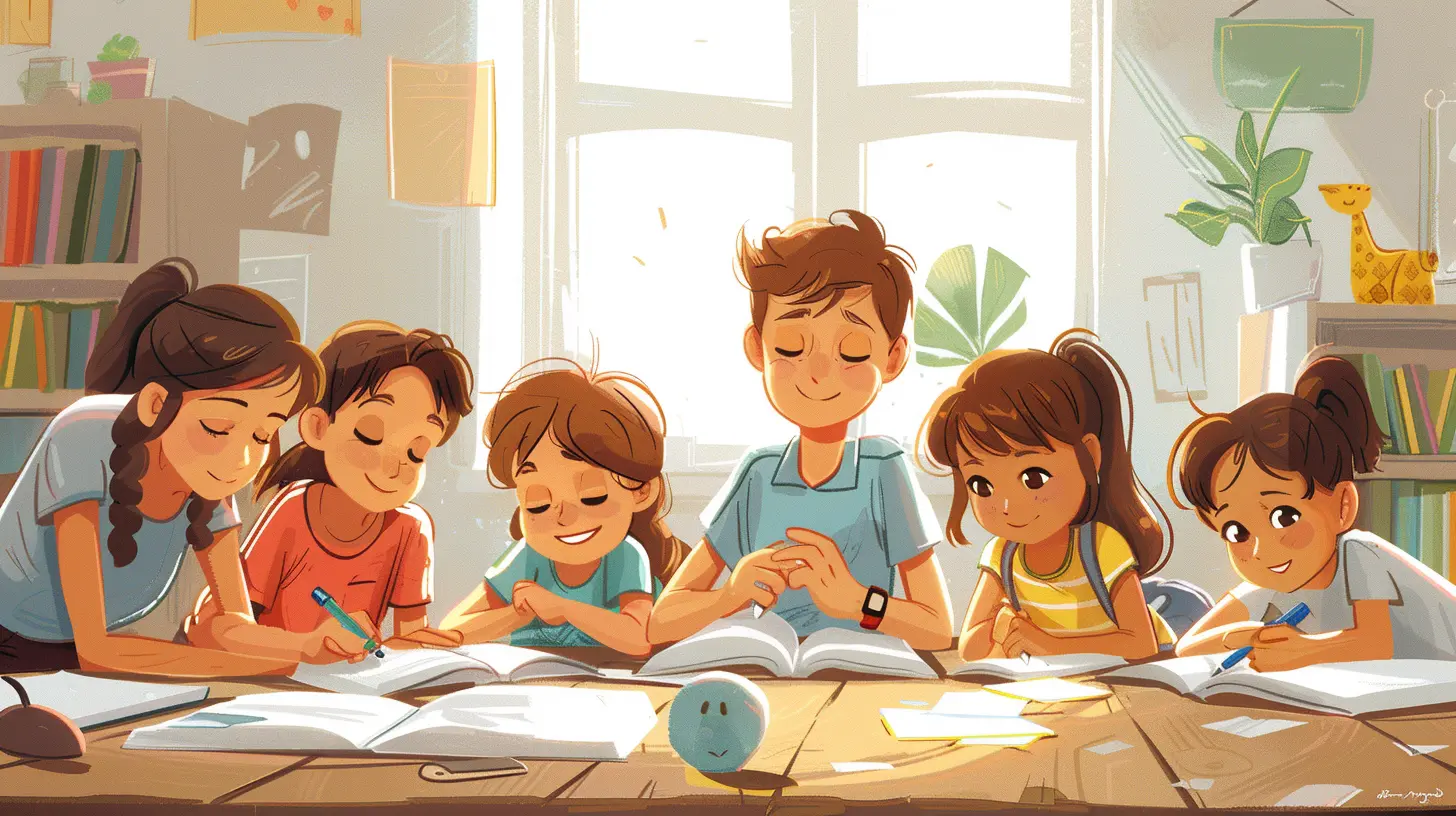
Let's get one thing straight first. When people throw around the term "socialization," they often mean two very different things.- Primary socialization: The basic stuff—learning values, manners, emotional expression, empathy. This starts at home, regardless of traditional school or homeschooling.
- Secondary socialization: The interactions with peers, authority figures, and the broader society. Think group activities, cooperation, teamwork, conflict resolution—the things you pick up in all kinds of social settings.
So, does homeschooling really lack socialization? Or are we just looking in the wrong places?
Debunking the Big Myth: “Homeschoolers Are Socially Isolated”
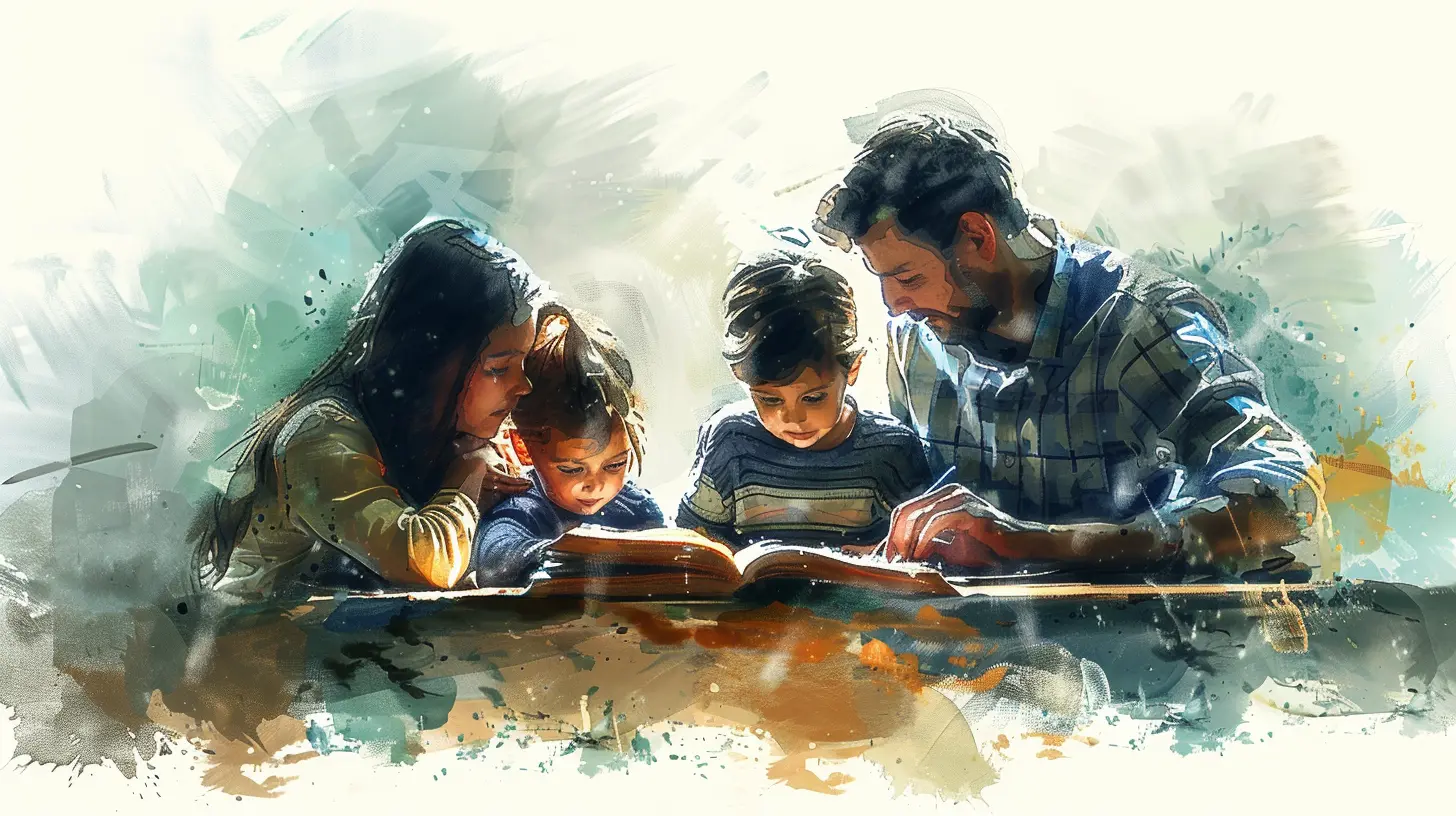
You've probably heard this before, maybe at a family dinner or in a casual conversation: “But how will they make friends?” It’s the classic homeschool critique, and it’s stuck around for decades.But here's the kicker—there's zero evidence that homeschooled kids grow up to be socially awkward hermits. In fact, multiple studies show they often outperform their traditionally schooled peers in social settings. Why? Because their socialization happens in real-life contexts—not just within the four walls of a school.
Let’s flip the script: instead of being stuck in a classroom with 25 peers of the same age and background, homeschooled kids often interact with people of all ages, across a range of settings—sports teams, volunteer groups, museums, co-ops, church groups, clubs, and more.
Socialization Opportunities in Homeschooling That Might Surprise You
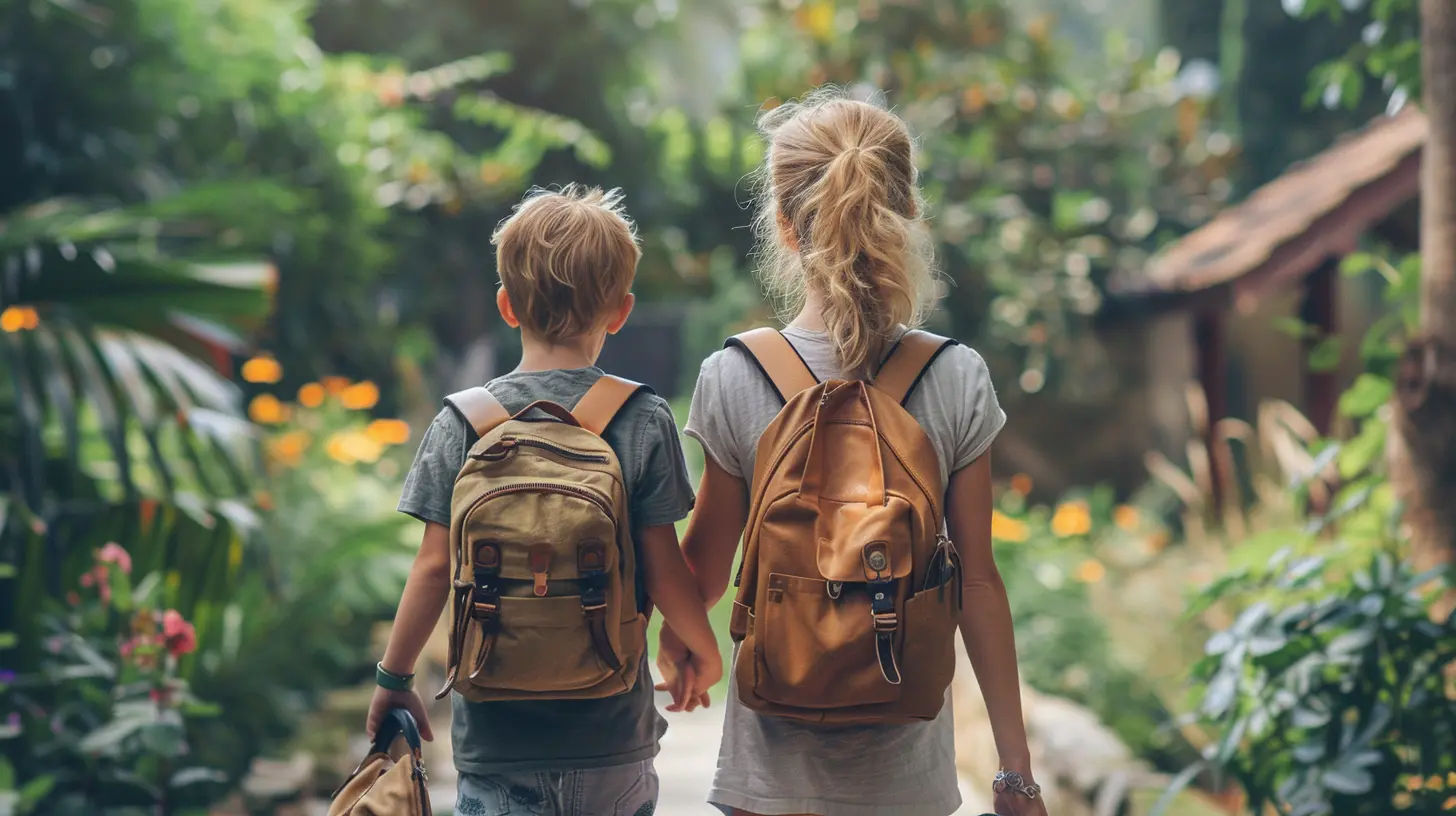
You might be thinking, “Okay, sure, but where’s the proof?” Let’s dig into some of the real-world ways homeschoolers are out there flexing their social muscles.1. Homeschool Co-ops: Community at its Core
Imagine a mini-school, but without the red tape. Homeschool co-ops are groups where families come together to share resources, teach classes, organize field trips, and create a vibrant learning community.Kids not only get to hang out with peers, but they also collaborate on projects, engage in group discussions, and tackle challenges together. And guess what? These environments are often more inclusive and supportive, free from the cliques and social pressure of traditional classrooms.
2. Extracurricular Activities: The Social Playground
Think about all the team sports, music lessons, theater productions, robotics clubs, and martial arts classes out there. Homeschoolers are free to dive into these without being tied down by school schedules. That means more time to explore passions, build confidence, and form deeper social bonds.And since these activities often include kids from different age groups and backgrounds, they help build adaptability—a vital life skill.
3. Volunteering: Real-World Connections
Few experiences offer as much perspective and social growth as volunteering. Whether it’s helping at an animal shelter, organizing a food drive, or working with senior citizens, homeschooled students often have the flexibility to get involved during the day and form meaningful connections with people of all ages.Let’s be real—those are the kinds of experiences that build character. And empathy. And leadership.
4. Field Trips and Travel-Based Learning
Why read about the Civil War in a textbook when you can visit a battlefield? Why study marine biology from a chart when you can touch tidepools with your own hands?Homeschoolers often take learning on the road, visiting museums, historical sites, and nature centers. These trips naturally involve interaction with educators, tour guides, and other learners—perfect breeding grounds for organic socialization.
5. Part-Time School or College Enrollment
Many homeschooling families opt for dual enrollment in local community colleges or part-time classes in public schools. This offers the best of both worlds: academic advancement and exposure to a diverse peer group.6. Online Learning Communities (Yes, They Count!)
Distance doesn’t mean disconnection. Homeschoolers plug into online communities for virtual classes, gaming groups, writing forums, study clubs—you name it. In a digital age, "hanging out" online is as real as meeting up at the park.The key? Digital socialization still requires communication, collaboration, and emotional intelligence. And homeschoolers get plenty of practice.

How Homeschooling Can Enhance Social Skills (Not Limit Them)
Here’s a plot twist—homeschooling can actually lead to better social development. That’s right. Better.1. Varied Age Interaction
Unlike traditional school where kids are mostly grouped by age, homeschoolers interact with people across a wide age range—siblings, other homeschool families, adults in community spaces. This helps develop maturity, adaptability, and better communication skills.2. Less Peer Pressure, More Authenticity
Let’s face it—traditional schools can be social minefields. Cliques, bullying, popularity contests. For some kids, it’s more survival than social growth.Homeschooling can create a safer space for kids to be themselves. With less pressure to “fit in,” they’re free to be... well, real. And that authenticity leads to more genuine connections.
3. Focused Social Learning
Homeschool parents can directly teach social skills—conflict resolution, body language, active listening—on the fly, in daily interactions. You can’t always get that kind of personalized social coaching in a crowded classroom.Addressing the Elephant in the Room: What If My Homeschooled Child Is Shy?
Here’s the thing—shyness isn’t a homeschool problem. It’s a personality quirk. Some kids are shy in school, others are shy at home. It's not your educational method—it's just who they are.And being shy doesn’t mean socially inept. In fact, introverted kids often thrive in homeschooling because they aren’t constantly bombarded by high-stimulation environments. They can build social confidence at their own pace—on their own terms.
It’s not about forcing your child to become an extrovert. It’s about offering a variety of safe, enriching ways for them to express themselves.
Tips for Encouraging Healthy Socialization in Homeschooling
Ready to level-up your homeschool social game? Let’s break down some practical tips to make sure your child’s social life is thriving:1. Join Local Homeschool Groups
Facebook, Meetup, and local libraries are goldmines for homeschool gatherings, field trips, and group classes.
2. Schedule Regular Playdates
Keep it casual. Coffee for you, Legos for them. Everybody wins.
3. Let Your Child Lead
Ask what they want to do. Theater? Chess? Dance class? Follow their interests to their social circles.
4. Balance Structure and Spontaneity
Too much routine can box them in. Leave space for impromptu adventures and surprise friendships.
5. Model Social Behavior
Kids learn by watching. Be friendly, open, and kind in your own interactions. They're taking notes.
6. Prioritize Emotional Intelligence
Teach empathy, active listening, and handling disappointment. EQ matters just as much as academics—if not more.
7. Encourage Independence
Let them order food at a restaurant, call a friend, or ask for help in a store. Small moments build big confidence.
Wrapping Things Up with a Bow
So, is socialization in homeschooling important? Absolutely. But it doesn’t look like what most people expect. It’s not about being in a building packed with kids—it’s about building relationships that are meaningful, diverse, and rooted in real life.Think of homeschooling like an open-world video game. The playground isn’t predefined—you build it. You explore your own quests. You form alliances in unexpected places. And the social rewards? They’re there. Sometimes in whispers. Sometimes in roars.
At the end of the day, homeschoolers aren’t missing out on socialization. They’re just doing it differently—more organically, more intentionally, and sometimes, more effectively.
So next time someone asks, “But what about socialization?”—you’ll know exactly what to say.
all images in this post were generated using AI tools
Category:
HomeschoolingAuthor:

Fiona McFarlin
Discussion
rate this article
2 comments
Wesley McKeever
Socialization is vital for homeschooled children, fostering essential life skills and emotional development. Engaging in group activities, co-ops, and community events can provide diverse social interactions, helping kids build friendships and develop teamwork, communication, and conflict-resolution skills essential for their future.
February 12, 2026 at 5:00 AM
Fiona McFarlin
Absolutely. Well said—socialization is a core strength of homeschooling, not a weakness.
Zevros Baker
Socialization is a crucial component of homeschooling, enabling students to develop communication skills, build relationships, and gain diverse perspectives. Engaging with peers and communities enriches the educational experience beyond academics.
January 15, 2026 at 5:07 AM
Fiona McFarlin
Thank you for highlighting the importance of socialization in homeschooling! Engaging with peers is indeed essential for developing well-rounded individuals.