The Power of Play-Based Learning in Inclusive Early Education
23 June 2026
When you think of a classroom, what pops into your head? Rigid desks, textbooks, silent students? If so, it’s time to flip the script. In the magical world of early childhood education, learning doesn’t have to be stiff or structured—it can be joyful, engaging, and filled with play. Believe it or not, play-based learning is transforming how we approach inclusive early education.
Let’s break it all down. Together, we’ll walk through how play-based learning works, why it's a game-changer for all kids (especially in inclusive settings), and how educators and parents can turn everyday moments into powerful learning experiences.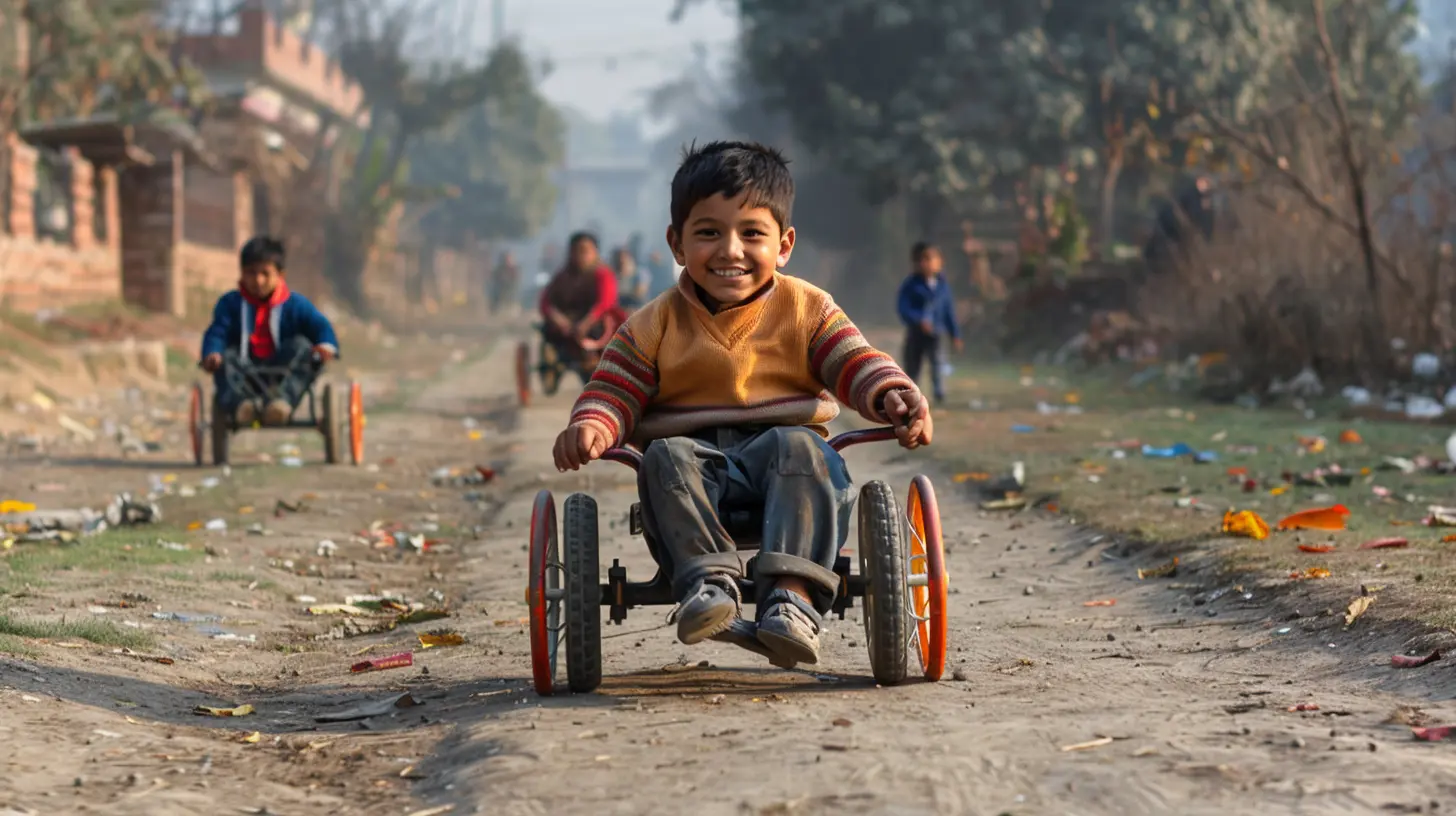
What Is Play-Based Learning Anyway?
Imagine a child building a castle out of blocks. To us, it might just look like fun. But behind the scenes? That child is developing motor skills, learning about shapes and balance, making decisions, and maybe even collaborating with a friend. That’s play-based learning in action.At its core, play-based learning is about letting kids explore, create, and imagine. It’s not just “free play,” though. It has structure and purpose, guided by educators who set up environments that encourage curiosity and development.
Key Features of Play-Based Learning
- Child-led but guided by adults – Kids choose what they want to explore, but teachers nudge learning along the way.- Hands-on experiences – Think art, music, storytelling, building, and role-play.
- Social interaction – Because learning doesn’t happen in a vacuum.
- Problem-solving and critical thinking – Every game or activity is a chance to work through challenges.
So, play isn’t the opposite of learning—it is learning.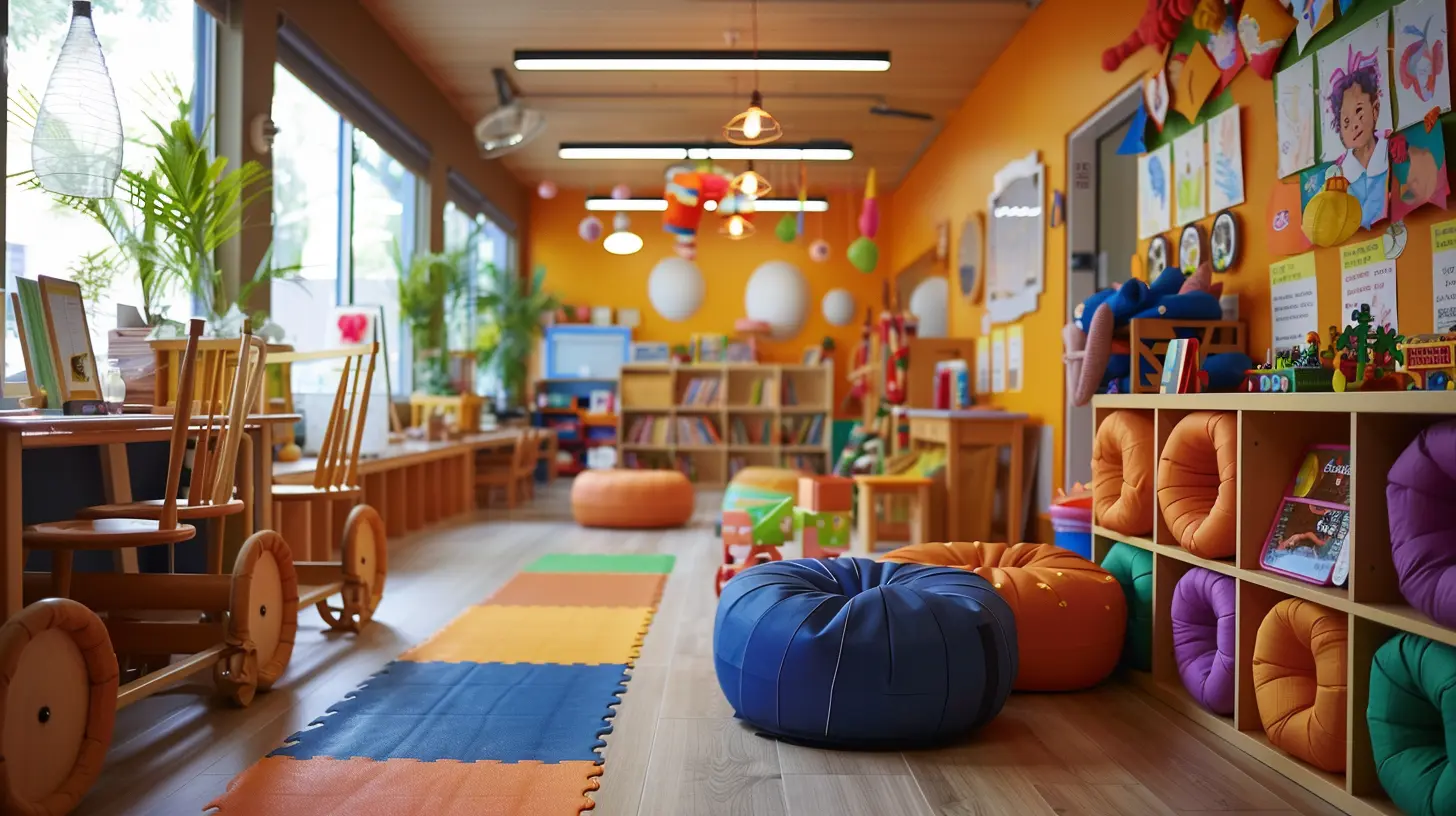
Why Inclusivity Matters in Early Education
Before we dive deeper into the power of play, let’s touch on the importance of inclusive education. Inclusive early education means every child, regardless of ability, background, or need, gets to learn and thrive in the same environment. We’re talking about classrooms where kids with disabilities, neurodiverse learners, and children from various cultures all belong.Why is this so crucial? Because the early years are when kids form beliefs about themselves and others. When they grow up in inclusive spaces, they learn empathy, cooperation, and respect. It sets the tone for a more understanding and united society.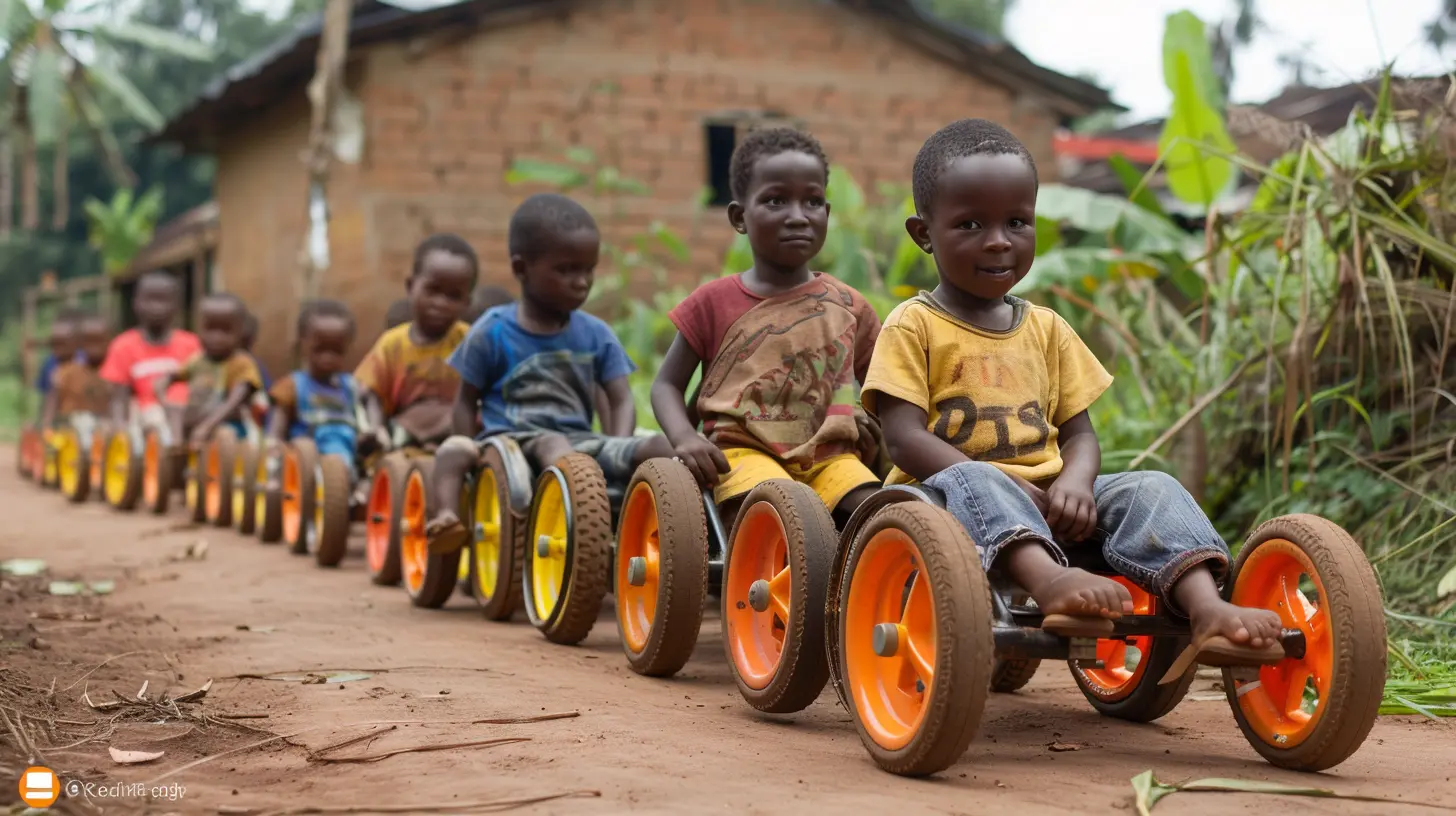
Marrying Play-Based Learning with Inclusion
Now, here’s the magic potion: mix play-based learning with inclusive education, and you get an environment where every child can succeed. Why? Because play adapts. It’s flexible, personal, and naturally inclusive.Let’s dive into what makes this combo so powerful.
1. Differentiated Learning (Without the Pressure)
Every child learns at their own pace. In a play-based setting, there’s no “one-size-fits-all” instruction. Kids explore based on their interests and abilities. For a child with autism, this might mean engaging in sensory play. For a multilingual learner, it could be immersive storytelling with visual cues.Because play is personalized, it lowers the pressure and builds confidence.
2. Social Skills, The Natural Way
You can’t teach empathy with flashcards. Play provides real-time opportunities for kids to negotiate, share, take turns, and solve disputes (yes, even over who gets the red crayon). In inclusive settings, this also helps break down stigmas and builds genuine friendships between children with and without disabilities.3. Language and Communication Boosts
When kids engage in pretend play—say, running a “restaurant” or pretending to be superheroes—they practice language in a meaningful context. This is especially helpful for kids with speech delays or English language learners. The organic nature of play means communication is spontaneous and exciting, not forced.4. Motor Development Made Fun
Fine motor skills (like holding a pencil) and gross motor skills (like balancing or jumping) are crucial in early education. Through play—think clay modeling, painting, dancing, or building obstacle courses—children naturally strengthen these abilities. And when educators include tools like adaptive equipment, every child can participate and benefit.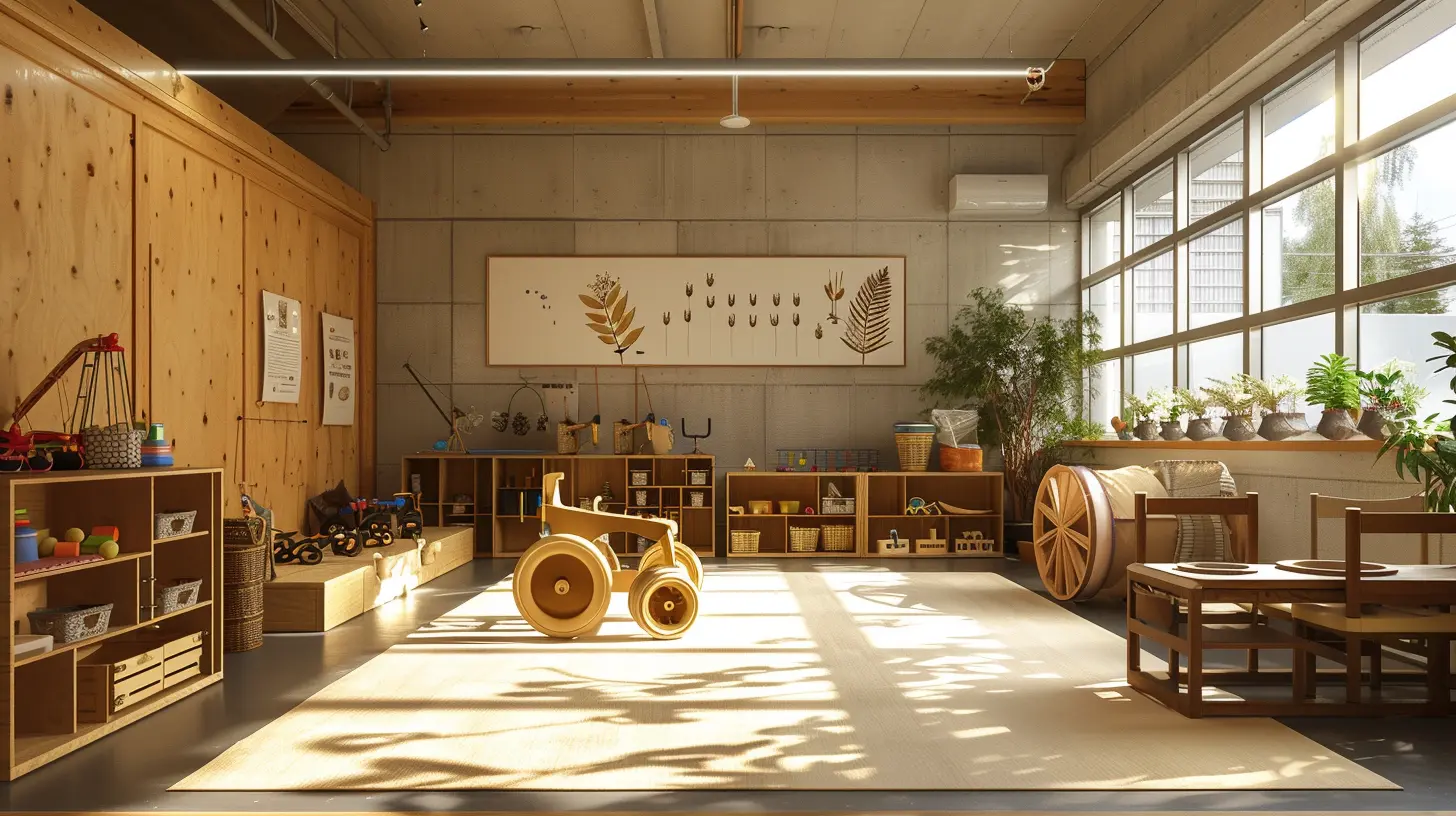
Real-Life Examples of Inclusive Play-Based Learning
Let’s bring it to life with some actual scenarios.The Sensory Station
A preschool classroom sets up a sensory play area with bins of rice, textured toys, scented playdough, and calming lights. Children dig in (literally), exploring textures and sounds. For kids with sensory processing challenges, this kind of environment provides a safe space to regulate and engage.Storytime with a Twist
Instead of just reading a book, the teacher encourages kids to act it out. There are costumes, props, and a ton of imaginative flair. Kids take turns playing roles, ask questions, and retell the story in their own words. Children with speech or social skill difficulties feel involved without being singled out.STEM Through Building Blocks
A simple building block activity becomes a STEM lesson. Children explore balance, symmetry, and problem-solving. Educators subtly introduce terms like “structure,” “gravity,” and “design.” With modifications, such as larger blocks or visual instructions, all children can get in on the fun.Role of Educators in a Play-Based Inclusive Classroom
This approach doesn’t mean the teacher just sits back while kids run wild. Nope. Educators play a huge role.Acting as a Facilitator
Teachers set the stage for learning—literally. They curate environments, introduce open-ended materials, and guide interactions. They’re constantly observing, listening, and engaging in kids’ play to extend learning.Creating Accessible and Adaptive Spaces
An inclusive classroom needs thoughtful design. Think: ramps instead of stairs, quiet corners for children who need calm, multi-language signs, or toys representing diverse backgrounds. Educators ensure that every child feels seen and supported.Partnering with Families
In inclusive settings, collaboration with families is key. Teachers communicate regularly with parents or guardians, sharing progress, understanding home cultures, and discussing how to support learning beyond the classroom.How Parents Can Support Play-Based Learning at Home
You don’t need fancy toys or a degree in education to encourage this at home. Here’s how parents can get in on the fun:- Provide open-ended toys – Blocks, dolls, art supplies, and kitchen sets can go a long way.
- Allow time for unstructured play – Not every minute needs to be scheduled.
- Join in sometimes – Get on the floor and follow your child’s lead.
- Make daily tasks playful – Want help with laundry? Turn it into a color-sorting game!
- Celebrate all kinds of play – Whether it’s quiet solo play or chaotic group games, it all counts.
Common Myths About Play-Based Learning (Debunked!)
Let’s clear up a few misconceptions:“They’re just playing. They’re not learning.”
False. Play is how children process, practice, and internalize complex concepts. From math and language to social skills, play lays the foundation.“Kids need structure and discipline, not chaos and toys.”
Play-based learning is structured—just in a different way. It’s intentional, planned, and aligned with developmental goals.“It’s only for younger kids.”
Wrong again. While play is central in early education, older children can also benefit from project-based and experiential learning models rooted in play principles.Challenges in Implementing Play-Based Inclusive Learning
We’ll be honest—it’s not always easy. Here are a few hurdles educators and schools face:- Lack of training in inclusive practices or play-based pedagogy.
- Overcrowded curriculum demands that leave little time for open play.
- Limited resources, especially in underfunded schools.
- Resistance from parents or administrators who prefer traditional methods.
But the good news? Awareness is growing. More and more early childhood programs are investing in training, recognizing developmental science, and embracing inclusive play models.
The Long-Term Impact of Play-Based Inclusive Education
We’re not just talking about fun in the classroom. The effects of this approach ripple out for years to come.- Children become confident learners who ask questions and take initiative.
- They grow into empathetic individuals who value differences.
- They develop strong communication and thinking skills that serve them academically and socially.
In short? They’re better prepared, not just for school, but for life.
Final Thoughts: Let Kids Be Kids (And Learn Like Pros)
The power of play-based learning in inclusive early education isn’t just about letting kids have fun—it’s about unlocking their full potential in a way that honors who they are. We all know kids learn best when they feel safe, seen, and excited. That’s exactly what play does.So whether you’re a teacher, parent, or policymaker, remember: when we make learning joyful and inclusive, we’re shaping a better future—one block tower, puppet show, and make-believe game at a time.
all images in this post were generated using AI tools
Category:
Inclusive EducationAuthor:

Fiona McFarlin
Discussion
rate this article
1 comments
Rosalie Porter
This article beautifully highlights how play-based learning fosters inclusion in early education. It's inspiring to see how such an approach nurtures every child's potential while creating a supportive community. Great insights!
July 3, 2026 at 3:06 AM
Fiona McFarlin
Thank you for your kind words! I'm glad you found the insights on play-based learning's role in fostering inclusion inspiring. It's a vital approach for nurturing every child's potential.