Cultural Responsiveness: Building a Truly Inclusive Curriculum
27 July 2026
Let’s face it — education isn't one-size-fits-all. We’re living in an increasingly diverse world, yet many classrooms still operate under a narrow lens. So, how do we make sure every student feels seen, heard, and valued? That’s where cultural responsiveness steps in — not just as a buzzword, but as a powerful approach to transform how we teach and what we teach. It’s about more than adding a few multicultural books to the syllabus; it’s about weaving respect, representation, and relevance into every thread of the learning experience.
In this guide, we’re diving deep into the what, why, and how of building a culturally responsive curriculum. Whether you’re an educator, administrator, or just someone passionate about equitable education, let’s break this down together — no jargon, just real talk.
What is Cultural Responsiveness Anyway?
Before we go any further, let’s clear up the basics. Cultural responsiveness means recognizing and honoring the diverse cultural backgrounds of students in the teaching and learning process. It’s about understanding that culture shapes how students learn, interact, and express themselves.But here’s where it gets real — it’s not just about acknowledging diversity. It’s about using it as a resource. It’s about shifting our mindset from “How do I teach these kids?” to “How do I teach for these kids?” That subtle shift changes everything.
Why Cultural Responsiveness Matters in Curriculum Design
Representation Shapes Identity
Have you ever watched a movie or read a book and thought, “Wow, that character is just like me”? That sense of connection feels powerful, right? Now imagine if that never happened — if you never saw yourself reflected in media, history, or literature.That’s the reality for many students. When curriculums ignore their cultures, languages, and experiences, it sends an unspoken message: “You don’t belong here.” But when we make space for all voices, students feel validated. Their identity becomes a strength, not a barrier.
Closing the Equity Gap
Let’s be real — traditional education hasn’t served all students equally. Achievement gaps persist because we've overlooked how cultural context affects learning. A culturally responsive curriculum can help bridge these gaps by affirming students' backgrounds and connecting content to their lived experiences.Real-World Relevance
School shouldn’t feel like a separate world. The more we connect classroom content to real life, the more engaged students become. And guess what? Culture is a major part of real life. When students see how their culture — and others' — fits into society and history, learning becomes more meaningful.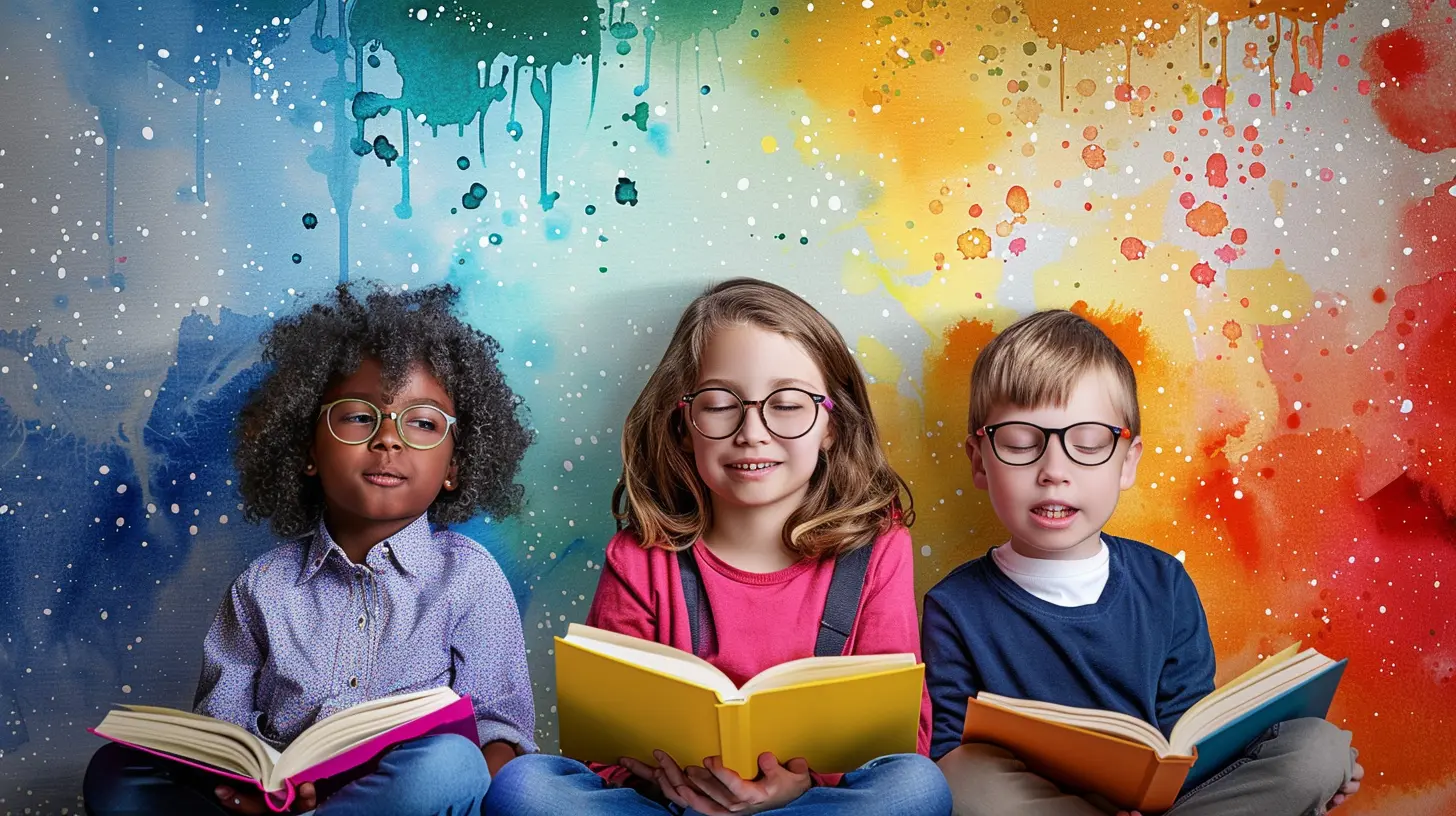
Core Principles of a Culturally Responsive Curriculum
Building an inclusive curriculum isn’t about checking off a list — it’s a mindset. But there are some foundational principles that guide the process. Let’s break them down:1. Student-Centered Learning
At the heart of cultural responsiveness is the student. That means shifting from a top-down model (where teachers are the sole knowledge holders) to a collaborative one. Students bring knowledge, too — from their families, communities, and personal experiences.Make space for their voices. Let them share their stories. When students see that their perspectives matter, they become active participants in their learning.
2. Curriculum as a Mirror and Window
This one’s big. Your curriculum should do two important things:- Act as a mirror, reflecting students’ own cultures and identities back to them
- Act as a window, allowing students to learn about cultures different from their own
Both are equally vital. Mirrors affirm identity. Windows build empathy. Together, they create an environment where students feel connected — not just to the content, but to each other.
3. High Expectations for All
Let’s bust a myth: being culturally responsive doesn’t mean lowering standards. In fact, it’s the opposite. It means holding high expectations for every student, while providing the support they need to get there.That support might look different for different students — and that’s okay. Fair doesn’t always mean equal; it means equitable. When we meet students where they are, we help them rise.
4. Real-World Content
Textbooks often present a sanitized version of history — hero-worshipping, conflict-free, and Eurocentric. Yawn.A culturally responsive curriculum digs deeper. It tells the real stories — the struggles, the resilience, the resistance. It tackles current issues head-on. And it encourages critical thinking, not just rote memorization.
5. Reflection and Growth
This principle is more about you than your students. Cultural responsiveness requires self-awareness. It means asking yourself tough questions:- What biases do I bring into the classroom?
- Whose voices are missing from my lessons?
- How can I do better?
It’s a journey, not a destination. And growth is part of the process.
Steps to Build a Culturally Responsive Curriculum
You might be thinking, “Okay, this sounds great… but where do I even start?” Don’t worry — we’ve got you. Here’s a step-by-step guide to help you build a truly inclusive curriculum:Step 1: Know Your Students
This isn’t just about knowing their names and grades. It’s about understanding their cultural identities, family structures, languages, traditions, and values. Ask questions. Invite their stories. Use surveys or classroom discussions to build a cultural profile.The more you know, the more you can tailor lessons that connect.
Step 2: Audit Your Current Curriculum
Take a hard look at what you’re teaching. Ask yourself:- Whose stories are being told?
- Whose voices are missing?
- Are cultural contributions limited to “heritage months”?
- Are there stereotypes or outdated perspectives?
Be honest. This step sets the stage for change.
Step 3: Integrate Diverse Perspectives
Now’s the time to broaden the lens. Incorporate materials from a range of cultures, authors, and viewpoints. And don’t just relegate them to occasional units — weave them throughout the year.Mix it up with poetry, music, visual arts, primary sources, and media. Let students explore cultures through different formats — you’ll be surprised how much it resonates.
Step 4: Adapt Teaching Methods
Cultural responsiveness goes beyond WHAT we teach — it’s also about HOW we teach. Consider:- Collaborative learning: many cultures value collective growth
- Storytelling: a powerful way to connect through narrative
- Language inclusivity: allow code-switching or multiple languages
- Flexible assessments: offer choices to demonstrate understanding
Ditch the cookie-cutter approach. The more flexible you are, the more students will thrive.
Step 5: Involve Families and Communities
Education doesn’t happen in a vacuum. Families and communities are rich sources of cultural knowledge and support. Bring them into the picture.Host cultural nights. Invite guest speakers. Celebrate multilingualism. Reach out in ways that build trust and mutual respect.
Remember, partnership makes progress.
Step 6: Keep Evolving
Inclusivity isn’t a “set it and forget it” deal. Cultural responsiveness is dynamic. Stay updated on current events, evolving identities, and the latest in inclusive pedagogies. Keep reading, learning, and listening — especially to your students.Common Pitfalls (And How to Avoid Them)
Even with the best intentions, it’s easy to misstep. Here are a few common issues and how to sidestep them:- Tokenism: Don’t include diverse content just for show. Go beyond surface-level stuff and dive into authentic, meaningful representation.
- Savior Complex: You're not “rescuing” anyone with this work. You're co-creating space where students feel empowered.
- Overgeneralizing: One culture isn’t a monolith. Avoid making assumptions or lumping groups together.
- Inaction: Good intentions are only half the battle. Implementation is everything. Start small if you need to, but start.
Real Talk: What Cultural Responsiveness Looks Like in Action
Here’s what it can look like when everything clicks:- A literature class reads novels from authors around the world — students analyze stories through cultural lenses and write reflective essays connecting personal narratives to the themes.
- A math lesson includes real-world data from students' own communities — allowing culturally relevant problem-solving.
- A science project examines Indigenous environmental knowledge systems alongside Western scientific methods.
It’s not about “changing everything.” It’s about weaving cultural relevance into what you already do — with intention.
The Ripple Effect: Impact Beyond the Classroom
When students experience cultural responsiveness in school, the impact goes far beyond academics. They develop:- Confidence: Knowing their identity is valued
- Empathy: Understanding different perspectives
- Critical Thinking: Analyzing systems and narratives
- Resilience: Navigating a complex, diverse world
And the best part? These aren’t just “school skills.” They’re life skills.
Final Thoughts
Creating a culturally responsive curriculum isn’t a perfect science. There will be challenges, discomfort, and even resistance. But lean into it. Your effort signals to your students: “You matter. You belong. Your story has value.”Educators have always been changemakers. By building inclusive curriculums, you’re not just teaching — you’re shaping a more just, empathetic, and connected world.
So, are you ready to shift the lens?
all images in this post were generated using AI tools
Category:
Inclusive EducationAuthor:

Fiona McFarlin