Inclusive Classroom Management: Strategies for Diverse Learners
24 January 2026
Creating a classroom where every student feels like they belong — now that's the real magic of teaching. But let’s be honest, managing a room full of learners from different backgrounds, abilities, and personalities? That’s no cakewalk. It takes patience, planning, flexibility, and an understanding heart.
Inclusive classroom management isn’t just a buzzword. It’s a real, effective approach that helps teachers support every learner — regardless of their learning style, cultural background, or ability level. If you’re trying to build a space where each student can thrive, you’re in the right place. Let’s dive into strategies that actually work (and don’t burn you out in the process).
What Does Inclusive Classroom Management Mean?
Imagine your classroom as a puzzle. Each piece — each student — is unique. Inclusive classroom management is all about making sure every piece fits together, without shaving down the edges. It’s not about treating everyone exactly the same. Instead, it's about giving everyone what they need to succeed.In other words? Equity over equality.
You're not just managing behavior. You're managing potential. That means adapting your teaching to meet students where they are — academically, socially, and emotionally.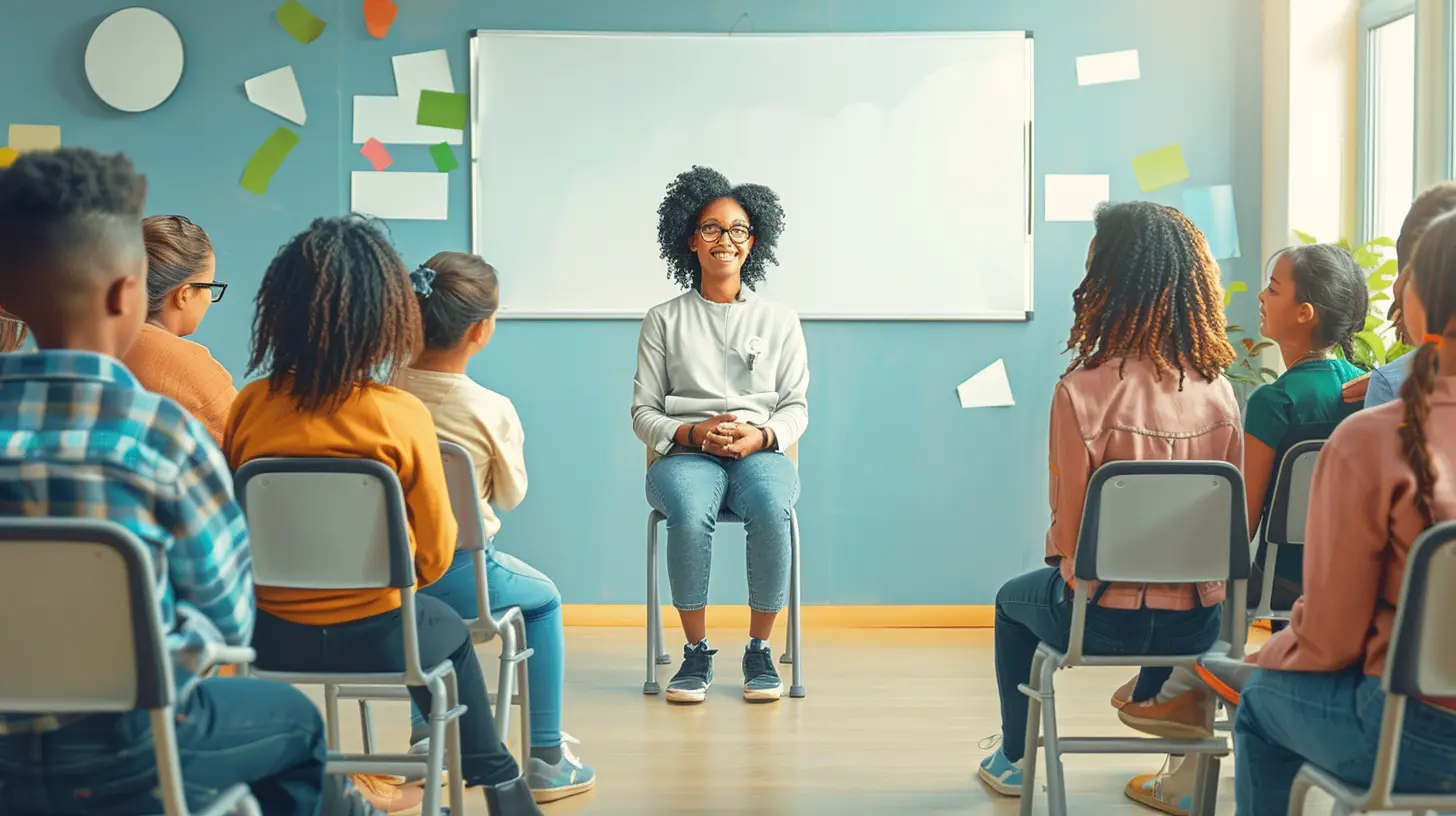
Why Inclusive Management Matters More Than Ever
Let’s face it — classrooms today are more diverse than ever. You’ve got students with different cultural backgrounds, learning disabilities, language barriers, emotional struggles, and gifted abilities — all under one roof.This diversity can be your greatest strength, but only if you’re intentional about how you manage it. Without inclusive strategies, some kids fall behind. Others get invisible. And some? They just stop trying.
Inclusive classroom management helps:
- Boost student engagement
- Build a sense of community
- Reduce behavioral issues
- Support academic performance for all students
Strategy #1: Build Relationships First
Let’s get one thing straight — kids don’t care how much you know until they know how much you care. Seriously, relationships are everything in the classroom.When students feel seen, heard, and respected, they’re more likely to participate, less likely to disrupt, and way more open to learning.
Here’s how to build those connections:
- Greet students at the door with eye contact and a smile
- Learn and use their preferred names and pronouns
- Ask personal-interest questions and actually listen
- Share bits about yourself too — be human
- Use restorative practices rather than punishment
Think of yourself as a gardener. The relationship is the soil. Nothing grows without nourishing it first.
Strategy #2: Set Clear Expectations — Together
No one thrives in chaos. Kids — even teens — crave structure, whether they admit it or not. But here’s the twist: instead of laying down the law, co-create the rules with your students.What does that look like?
- Hold a class discussion about what kind of classroom everyone wants
- Collaborate on rules and norms that support that vision
- Post them visibly and refer back often
- Be consistent but compassionate in enforcing them
When students help build the expectations, they feel ownership — and ownership fuels accountability. You’re not the enforcer; you’re the facilitator.
Strategy #3: Differentiate Instruction and Support
You wouldn't expect a fish, a rabbit, and a bird to take the same test — so why do we expect the same from diverse learners?Differentiating instruction means adjusting your teaching to meet different learning styles, needs, and skill levels. It’s not extra work... it’s smart work.
Ways to differentiate:
- Use visuals, audio, hands-on activities, and movement
- Offer choices in how students show what they’ve learned
- Break big tasks into small, manageable steps
- Provide scaffolding and support without overdoing it
Think of your lesson like a buffet — there's something for everyone, and students can pick what works best for them.
Strategy #4: Create a Culturally Responsive Environment
Culture shapes how students learn, interact, and express themselves. An inclusive classroom acknowledges and celebrates that.You can start by:
- Incorporating diverse authors, perspectives, and histories into the curriculum
- Encouraging students to share their own cultural experiences
- Avoiding stereotypes and assumptions
- Reflecting diversity in classroom decor and materials
It's not just about representation. It’s about validation. When students see themselves and their stories reflected in your teaching, they feel like they belong.
Strategy #5: Use Restorative Practices, Not Just Discipline
Punishments rarely teach. They often just create fear or resentment. Restorative practices, on the other hand, build empathy and accountability.Instead of asking, “What rule was broken?” try asking, “Who was harmed, and how can we make it right?”
Some restorative approaches:
- One-on-one conversations
- Classroom circles for reflection and discussion
- Behavior reflection sheets
- Peer mediation
It’s like cleaning a spill — don’t just throw a paper towel on it and walk away. Heal it. Restore the surface. Teach kids to clean up messes — their own and each other’s.
Strategy #6: Provide Emotional and Social Learning (SEL) Support
Let’s not forget — kids are emotional beings. They bring the whole backpack to school, and not all of it is homework.Social-emotional learning (SEL) helps students develop the skills to manage emotions, set goals, build relationships, and make good decisions.
You don’t need an SEL curriculum to make this work. You can weave it into everything:
- Start class with check-ins (“How are you feeling today on a scale of 1 to 10?”)
- Use group work to build collaboration and communication
- Model empathy and self-regulation
- Teach strategies like breathing, journaling, or mindfulness
Remember: a regulated brain is a learning brain.
Strategy #7: Celebrate Progress, Not Just Perfection
Here's something every teacher should shout from the rooftops: effort matters more than outcome.Celebrate small wins.
When students feel like their hard work is noticed — not just their grades — they’re more motivated to keep trying.
How?
- Give specific, genuine praise (“You really worked hard on organizing your writing – it shows!”)
- Showcase student work (digitally or on the walls)
- Give shoutouts for improvement, not just top performance
- Make progress tracking fun and visual
It’s kind of like leveling up in a video game — kids want to know they’re moving forward, even if they haven’t reached the final boss yet.
Strategy #8: Design Flexible Classroom Layouts
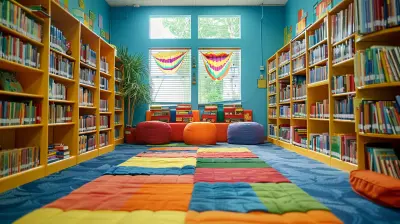
Physical space matters more than you'd think. The way your classroom is set up can either include or exclude learners.Tips for an inclusive layout:
- Create quiet zones for focus and calm
- Use flexible seating if possible (standing desks, cushions, fidget-friendly spots)
- Make sure walking paths are accessible for all mobility needs
- Label areas and supplies clearly (use visuals too)
Let your room work with you, not against you. Think of it like setting up a cozy, functional living room — one where everyone feels welcome.
Strategy #9: Engage Families and Caregivers
Believe it or not, families want to support learning — but they often don’t know how. When you loop them in, you build a bridge between home and school.Try this:
- Send regular, positive updates (not just when there’s a problem)
- Offer translations if needed
- Host informal chats or open houses
- Provide resources for helping at home
It’s teamwork. You’re not a solo act. When caregivers understand your approach, they can echo it at home — and that consistency is golden.
Strategy #10: Keep Learning and Unlearning
No teacher is perfect — and no one expects you to be. But inclusive classroom management means being open to growth. Sometimes that means unlearning what we thought was helpful.Things to ask yourself regularly:
- Whose voices are missing in my classroom?
- Am I assuming anything based on race, disability, gender, or language?
- What feedback can I gather from my students?
- What new strategies can I try next?
Take PD seriously. Follow educators who champion inclusivity. Say, “I don't know — but I’ll find out.”
Growth mindset isn’t just for students.
Final Thoughts: Inclusivity is a Journey, Not a Destination
You’re not going to flip a switch and suddenly have the perfectly inclusive classroom. But day by day, student by student, choice by choice — you’ll get closer.Managing a diverse classroom isn’t easy, but it’s worth it. When every learner feels valued, challenged, and supported, the whole classroom shines brighter.
And hey — you've got this. One strategy at a time.
Quick Recap of Key Strategies
Here’s a snapshot of the inclusive classroom management strategies we talked about:1. Build genuine relationships with students
2. Set clear expectations collaboratively
3. Differentiate instruction to meet varied needs
4. Create a culturally responsive environment
5. Use restorative practices to address behavior
6. Incorporate SEL to support emotional well-being
7. Celebrate effort, growth, and improvement
8. Design flexible and accessible learning spaces
9. Involve families and caregivers as partners
10. Keep learning, reflecting, and evolving
Start small. Try one strategy. Watch the difference it makes. Then keep going.
all images in this post were generated using AI tools
Category:
Inclusive EducationAuthor:

Fiona McFarlin
Discussion
rate this article
2 comments
Murphy Collins
Great insights on fostering inclusivity! These strategies will truly empower all learners. Thank you!
February 11, 2026 at 5:48 AM
Fiona McFarlin
Thank you for your kind words! I'm glad you found the insights valuable for empowering all learners.
Kairoth Wolfe
Thank you for this insightful article on inclusive classroom management. Your strategies for accommodating diverse learners are invaluable. They offer practical guidance for fostering an equitable learning environment that benefits all students.
February 3, 2026 at 12:03 PM
Fiona McFarlin
Thank you for your kind words! I’m glad you found the strategies helpful for fostering an inclusive learning environment.