The Intersection of Civic Education and Social Justice
7 April 2026
Civic education and social justice—two powerful forces that shape the way we think, act, and engage with the world. But what happens when they intersect? Magic.
Understanding our rights, responsibilities, and role in society isn't just about memorizing laws and political structures. It's about creating a fairer, more just world for everyone. Civic education is the foundation for promoting social justice, empowering individuals to become informed and active citizens who demand change.
In this article, we’ll dive deep into why civic education plays a crucial role in fostering social justice, how the two are interconnected, and why this combination is essential for building a more equitable society.

Why Civic Education Matters
Civic education is more than just a school subject—it’s the backbone of democracy. It teaches people about their rights, responsibilities, and the power they hold within their communities and nations. When individuals understand how government systems work, they’re more likely to participate in elections, engage in discussions, and advocate for changes that benefit society.But here’s the problem: Civic education isn’t always prioritized. Many schools barely scratch the surface, and as a result, people grow up unaware of their rights or how to make their voices heard. That’s where the connection to social justice becomes crystal clear.

The Link Between Civic Education and Social Justice
Social justice is the pursuit of fairness, equal opportunities, and human rights for all individuals, regardless of their background. It fights against discrimination, inequality, and oppression. But how can we push for social justice if people don’t even know what their rights are?This is where civic education comes into play. When people are educated about their rights and how systems function, they’re better equipped to challenge injustices. A society that understands its civic duties is a society that can stand up for marginalized communities, demand policy changes, and advocate for fairness.
Think about it—if no one understands how voting works, how can we elect leaders who truly represent the people? If no one knows their legal rights, how can they fight against unjust laws? Civic education empowers people to take action.

The Role of Schools in Promoting Civic Education and Social Justice
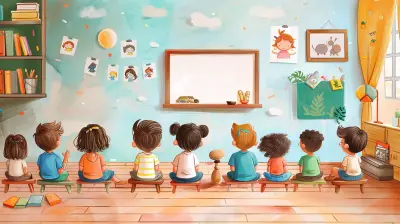
Educational institutions play a major role in shaping young minds. Schools are not just about teaching math and science; they are platforms for fostering critical thinking, ethical decision-making, and social awareness. Including civic education in school curricula ensures that students grow up with a strong sense of responsibility towards their communities.Teaching Critical Thinking
One of the biggest benefits of civic education is that it teaches critical thinking. Instead of simply accepting what they're told, students learn how to ask questions, analyze situations, and form their own opinions. This skill is essential when discussing social justice issues because it encourages young individuals to challenge biases and stereotypes.Encouraging Community Engagement
When students understand their role in society, they’re more likely to get involved. Schools that emphasize civic education often encourage community service, activism, and volunteer work. These experiences help students develop empathy and a deeper understanding of social justice issues.Promoting Diversity and Inclusivity
Teaching civic education means educating students about different cultures, beliefs, and perspectives. When students are exposed to diverse viewpoints, they become more accepting and open-minded. This directly contributes to a more inclusive society, where people respect one another despite their differences.
How Civic Education Fuels Social Justice Movements
Throughout history, some of the most powerful social justice movements were driven by people who understood their civic rights and responsibilities.The Civil Rights Movement
Take the Civil Rights Movement in the U.S. as an example. Activists like Martin Luther King Jr. and Rosa Parks didn’t just fight for justice blindly—they knew the laws, their rights, and how to challenge unjust policies. Civic education enabled them to organize peaceful protests, demand legislative changes, and ultimately transform society.Women's Suffrage Movement
Women didn’t just wake up one day and get the right to vote. Suffragists studied the political system, understood the power of collective action, and fought tirelessly to change the law. Their civic knowledge helped them strategize, advocate, and eventually win the battle for voting rights.Modern-Day Activism
Fast-forward to today, and you’ll see civic education at work in modern social justice movements. From climate activists pushing for environmental policies to racial justice advocates demanding police reform, civic literacy is the driving force behind meaningful change.Challenges in Civic Education and Social Justice
While the connection between civic education and social justice is undeniable, there are several roadblocks that make it difficult to implement in practice.Lack of Proper Civic Education
Many schools either don’t teach civic education properly or don’t teach it at all. Without proper education, future generations won’t have the tools to address social injustices.Political Bias and Misinformation
In today's world, misinformation spreads like wildfire. Some people receive biased or incomplete civic education, which can lead to misconceptions about democracy, governance, and individual rights.Resistance to Change
Unfortunately, not everyone wants to see social justice progress. Some groups resist civic education efforts because they fear it will challenge their power and privilege. Overcoming these barriers requires dedication and persistence.
How We Can Strengthen the Connection Between Civic Education and Social Justice
If we truly want to create a just society, we need to invest in civic education. Here are a few ways to make it happen:1. Integrate Civic Education into School Curricula
Every student should learn about their rights, government structures, and how they can actively participate in shaping society.2. Encourage Youth Activism
Young people have always been at the forefront of social justice movements. By supporting their involvement in civic activities, we empower them to drive change.3. Promote Fact-Based Discussions
Misinformation is dangerous. Encouraging fact-checking, open dialogue, and diverse perspectives can help combat bias and ensure that people make informed decisions.4. Use Social Media as a Tool for Education
Social media has immense power. By using it to spread awareness and educate others, we can reach a global audience and create a more informed society.5. Support Community Programs
Local organizations often provide civic education and social justice training. Supporting these initiatives can strengthen civic literacy at the grassroots level.Conclusion
Civic education and social justice go hand in hand. Without civic knowledge, people lack the awareness and tools to stand up for their rights. And without social justice, civic education loses its purpose. When these two forces unite, they create empowered citizens who can challenge injustice, shape policies, and build a more equitable world.So, what can you do? Educate yourself. Get involved. Speak up. Because when we understand how society works, we have the power to change it.
all images in this post were generated using AI tools
Category:
Civic EducationAuthor:

Fiona McFarlin
Discussion
rate this article
2 comments
Ruby Bell
Empowerment through knowledge fosters equity and change.
April 22, 2026 at 6:30 PM
Fiona McFarlin
Absolutely. Knowledge is a powerful tool for driving social change and promoting equity.
Shannon Reed
Empowers informed citizens for justice.
April 15, 2026 at 2:49 AM
Fiona McFarlin
Thank you. An informed citizen is the bedrock of a just society.