What School Culture Looks Like in 2027
23 May 2026
Let me paint you a picture. It's a Tuesday morning in 2027, and I'm walking into a high school that doesn't look like anything I grew up with. The front doors don't have a metal detector. They don't have a security guard barking at students to show IDs. Instead, there's a small kiosk where a friendly staff member asks each kid, "What's one thing you're looking forward to today?"
That's not a gimmick. That's the new front door of school culture.
We've spent decades talking about test scores, curriculum standards, and technology integration. But in 2027, the conversation has shifted hard. The question isn't "What do students know?" It's "How do they feel when they walk in?" And the answer is shaping everything from architecture to grading to how teachers spend their lunch breaks.
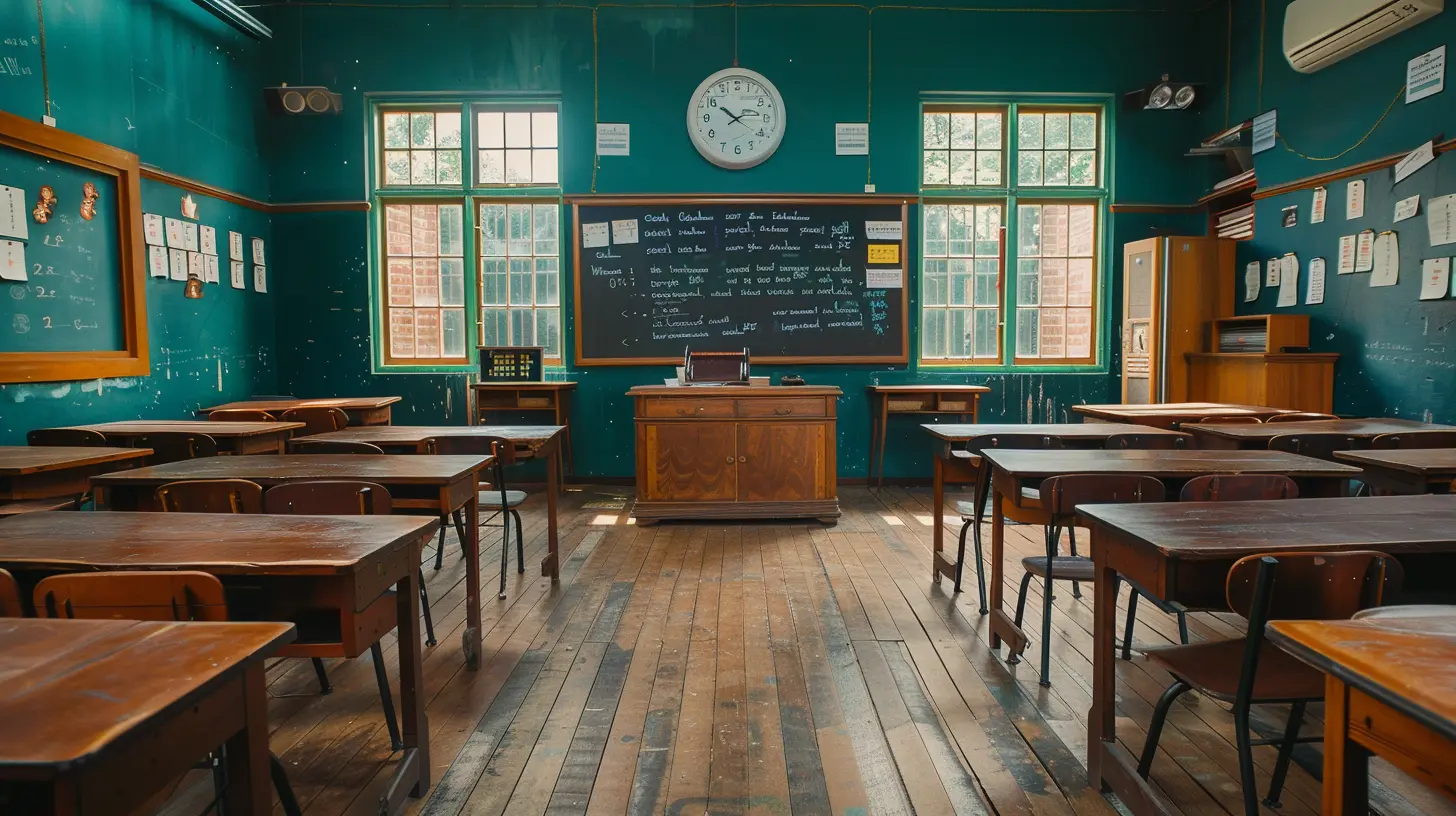
The End of "Sit and Get"
Remember when school culture meant a poster in the hallway that said "Be Respectful, Be Responsible, Be Safe"? Yeah, that's like comparing a campfire to a bonfire. In 2027, school culture is not a list of rules. It's a living, breathing organism.Here's the honest truth: by 2025, burnout among students and teachers hit crisis levels. The pandemic hangover was real. Kids felt disconnected. Teachers felt invisible. Administrators felt like they were putting out fires every single day. Something had to give.
What gave was the old model.
Today, school culture is built on what I call "radical belonging." It's not about making everyone feel good. It's about making everyone feel seen. And that's a huge difference. A school can have a thousand kids smiling in the hallway and still have a culture that's toxic underneath. But a school where each kid has at least one adult who knows their name, their story, and their struggle? That's the foundation of 2027.
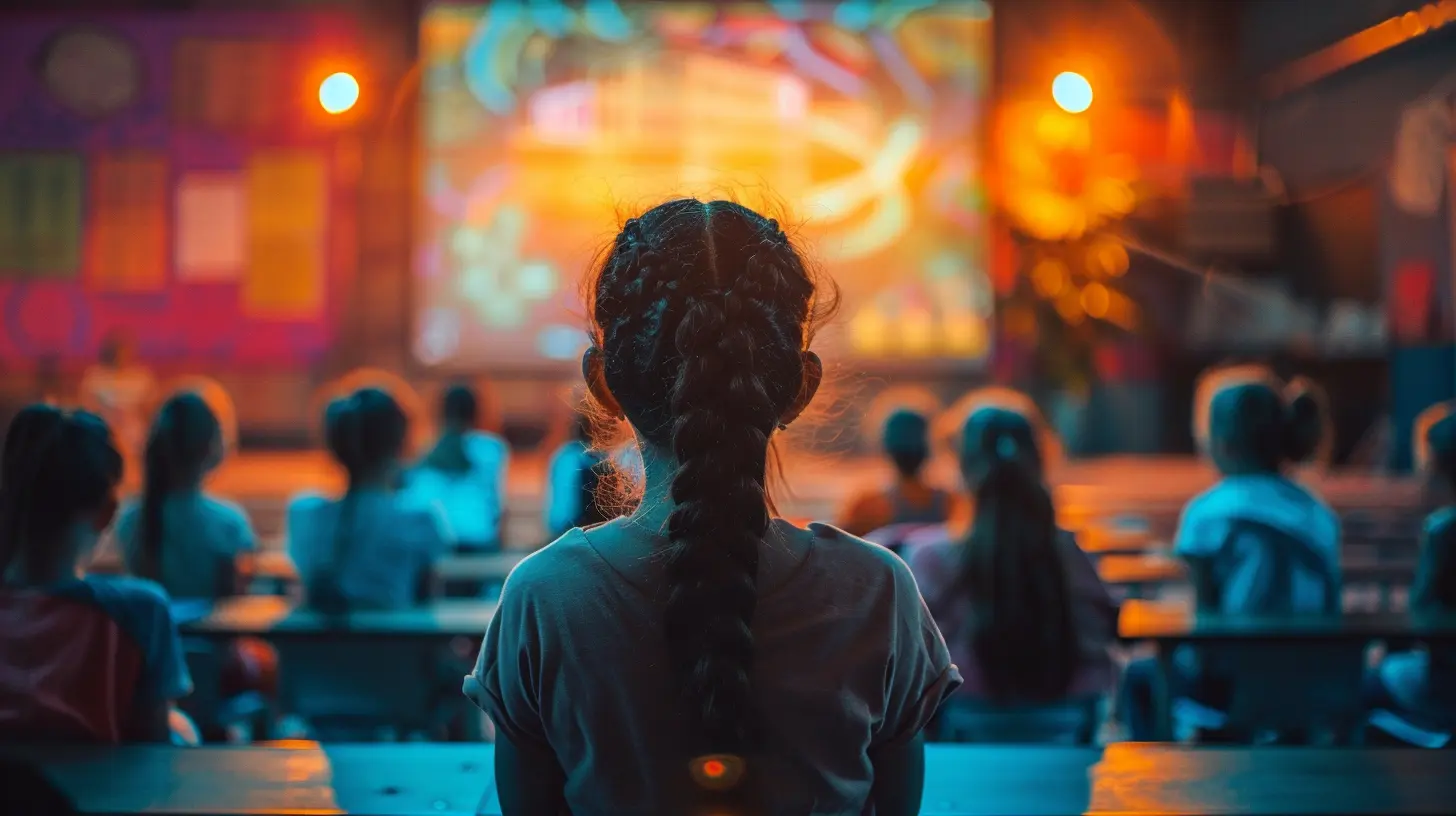
The Physical Space Has Changed
Walk into a 2027 classroom, and you won't see rows of desks facing a whiteboard. That's gone. Instead, you'll see clusters of furniture that can be rearranged in under thirty seconds. Some kids are standing at high tables. Some are sitting on floor cushions. Some are in small soundproof pods that look like phone booths.Why? Because school culture in 2027 recognizes that comfort is not a distraction. It's a prerequisite for learning.
Think about it. When you're uncomfortable, can you think clearly? When the chair hurts your back, or the room is too bright, or you feel like everyone is staring at the back of your head, your brain is not focused on algebra. It's focused on survival. So schools finally got smart. They designed spaces that let kids regulate their own sensory experience.
But here's the kicker: the physical environment is also a reflection of trust. When a school lets a kid choose where to sit, it's saying, "I trust you to know what you need." That's a powerful cultural message. It's the opposite of "Do what you're told."
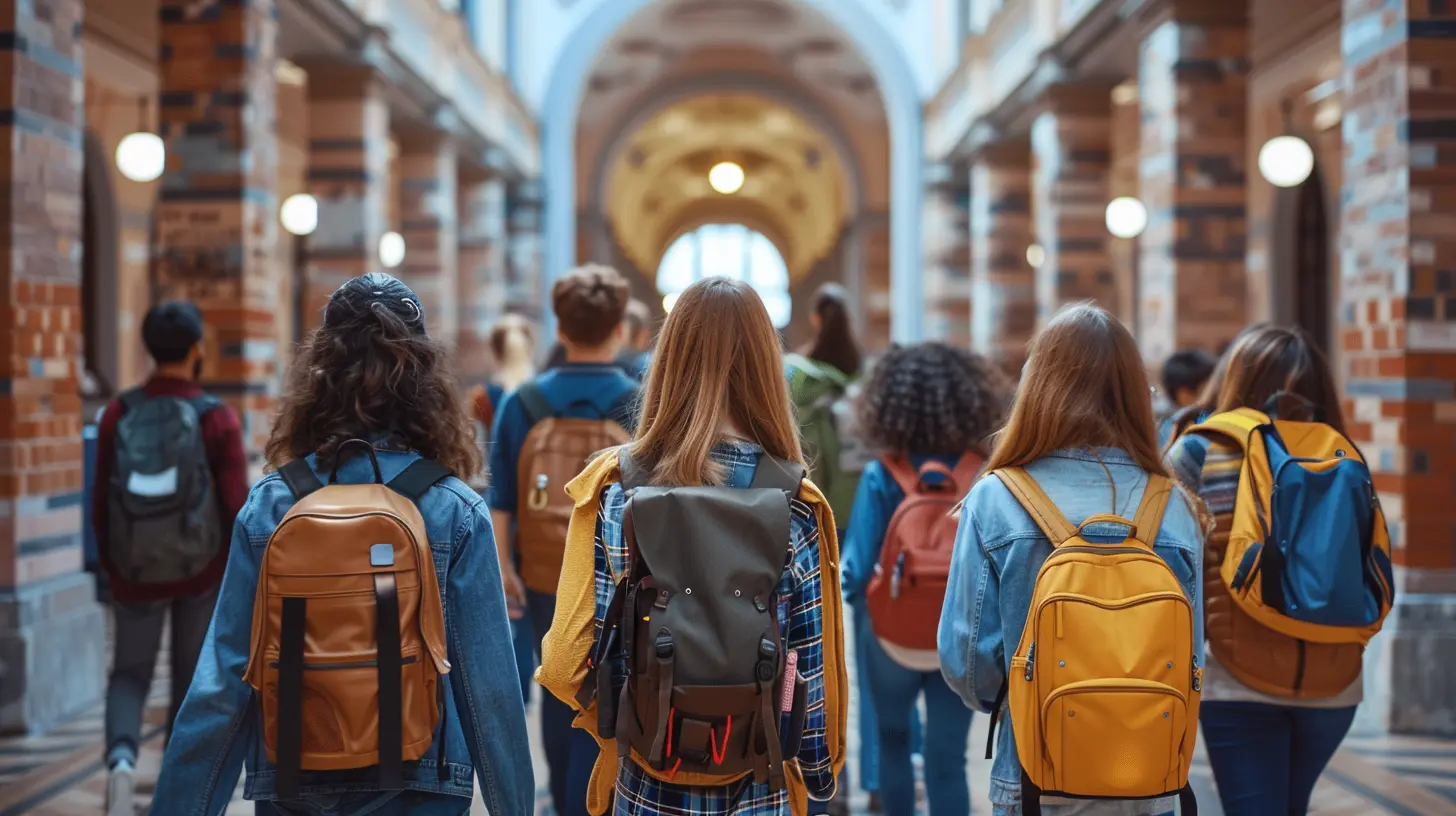
The Teacher Is No Longer the Sage on the Stage
In 2027, the teacher's role has transformed. They're not the person who dispenses information. They're the person who curates learning experiences. And that shift has changed the entire culture of the school.Here's what I mean. In the old days, a teacher's authority came from being the expert. They knew things you didn't, and they tested you on those things. That created a power dynamic that was inherently hierarchical. Students looked up, teachers looked down.
Now, teachers are more like guides. They help students navigate information that's available everywhere. They ask questions instead of giving answers. They model curiosity instead of certainty.
And you know what happened? The culture got softer. Not in a weak way, but in a way that made vulnerability acceptable. Teachers admit when they don't know something. Students feel safe enough to ask "dumb" questions. The classroom becomes a place of exploration, not performance.
I talked to a teacher in Texas last month who told me her students call her by her first name. She said it took her a year to get used to it, but now she can't imagine going back. "There's no barrier between us," she said. "When they see me as a person, they actually listen more."

The Death of the Zero-Tolerance Era
Let's talk about discipline, because this is where school culture in 2027 gets really interesting.For decades, schools relied on punishment. Suspensions, expulsions, detentions, demerits. The idea was that consequences would teach kids to behave. But research kept showing the opposite. Punishment didn't change behavior. It just pushed kids out. And it disproportionately affected students of color and students with disabilities.
In 2027, most schools have abandoned zero-tolerance policies. Instead, they use restorative practices. If a kid gets into a fight, they don't get suspended for three days. They sit down with a mediator, talk about what happened, and figure out how to repair the harm.
Does it work? Yes, but it's harder. It takes more time. It takes more emotional energy. It requires adults who are trained in conflict resolution, not just crowd control.
But the cultural payoff is huge. When students see that their mistakes can be fixed rather than punished, they feel safer. They feel like the school is on their side. And that changes everything.
I remember visiting a middle school in Oregon where a kid had spray-painted graffiti on a wall. Instead of suspending him, the principal made him research local artists, design a mural, and paint over the graffiti with something beautiful. The kid ended up becoming the school's unofficial art ambassador. That's culture.
Technology That Serves Connection, Not Surveillance
You might think 2027 schools are full of VR headsets and AI tutors. And sure, some are. But the real cultural shift is in how technology is used.In the past, schools used technology to monitor. Cameras in hallways. Software that tracked every click. Algorithms that flagged "at-risk" students based on data points. It was surveillance disguised as safety.
Now, schools are using technology to connect. There are apps that help teachers check in on students' emotional state every morning. There are platforms that let students anonymously share what's going on in their lives. There are AI tools that suggest conversation starters for teachers who struggle to build relationships with certain kids.
But here's the important part: the technology is transparent. Students know what data is being collected and why. They have control over their own information. And the goal is never to punish, only to support.
A high school in Michigan uses a system where students can send a "signal" to their counselor if they're having a bad day. The signal is just a simple emoji. No explanation required. The counselor then checks in with them later. That's it. No judgment. No follow-up questions. Just "I see you."
That small gesture has transformed the school's culture. Kids who used to suffer in silence now have a lifeline.
The Role of Parents Has Shifted
Let's be real for a second. Parent involvement used to mean showing up to a PTA meeting once a month and yelling at the principal about grades. In 2027, it's much more collaborative.Schools have realized that culture doesn't stop at the school door. It extends into homes. So they've created systems that make parents feel like partners, not adversaries.
For example, many schools now hold "culture nights" where parents come in to share their traditions, food, and stories. Not as a performance, but as a genuine exchange. The goal is to build understanding across different backgrounds.
And here's the surprising part: parents are actually showing up. Because they feel welcomed, not judged. When a parent walks into a school and is greeted by name, offered coffee, and asked about their child's strengths instead of their weaknesses, they become allies.
One principal told me that his school's parent volunteer rate went from 12% to 67% in two years. The secret? They stopped sending home negative notes about behavior. Instead, they sent home "I noticed" notes. "I noticed your child helped a classmate today." "I noticed your child asked a really thoughtful question." That simple shift changed the entire dynamic.
The Schedule Is Flexible
I know what you're thinking. "Flexible schedule? In a school? That sounds like chaos."But in 2027, schools have learned that rigid schedules create rigid cultures. When every day looks the same, students and teachers get bored. And boredom is the enemy of engagement.
So many schools have adopted modular schedules. Some days start later to accommodate teenagers' sleep cycles. Some days are shorter to allow for project-based learning. Some days are completely unstructured, like a "genius hour" where students work on anything they want.
The culture that emerges from this flexibility is one of ownership. Students take responsibility for their time. They learn to prioritize. They learn to manage their own energy.
And teachers? They get time to collaborate. In the old days, teachers worked in isolation. Now, they have built-in time to plan together, observe each other, and support each other. That's a cultural shift that pays dividends.
The Emphasis on Belonging Over Achievement
Here's the biggest change of all. In 2027, schools care more about belonging than they care about grades.I don't mean they've given up on academic rigor. Of course they haven't. But they've realized that you can't achieve excellence without belonging. It's like trying to build a house on a foundation of sand. You might get a few walls up, but eventually it's going to collapse.
So schools have created systems to ensure every student has a sense of belonging. Advisory groups that meet daily. Peer mentoring programs. Lunch clubs for every interest imaginable. And if a student doesn't fit into any existing group, the school creates a new one.
I visited a school in New York that has a "Lonely Lunch" program. If a student eats alone more than three times, a staff member invites them to a special table where other students who've experienced loneliness gather. It sounds awkward, but the kids love it. They call it "the table of misfits" with pride.
That's culture. That's a school saying, "You belong here, exactly as you are."
The Measurement of Culture
How do we know if a school's culture is actually good in 2027? We don't rely on surveys alone. We look at data that matters.Attendance rates. Discipline referrals. Teacher retention. Student self-reports of anxiety and depression. And the most important metric of all: how many students say they have at least one trusted adult at school.
In 2027, that last metric is the gold standard. Because research has shown that a single caring relationship can change a kid's entire trajectory. If a school can ensure that every student has that relationship, the rest follows.
And here's the beautiful irony: when schools focus on culture first, test scores go up anyway. Not because they're drilling kids on content, but because kids feel safe enough to take risks. They feel connected enough to ask for help. They feel valued enough to try their hardest.
What It Means for You
If you're a parent reading this, you might be wondering if your child's school is moving in this direction. And if you're a teacher or administrator, you might be wondering how to start.The answer is simple: start with one relationship. One conversation. One moment of genuine connection.
School culture in 2027 isn't about grand initiatives or expensive programs. It's about the small, daily choices that say "I see you, I hear you, and you matter."
It's the principal who learns every student's name by the second week of school. It's the teacher who asks about a student's weekend and actually listens to the answer. It's the custodian who high-fives kids in the hallway and remembers their favorite sports teams.
That's the culture that matters. And it's available to every school, regardless of budget or location.
So the next time you walk into a school, don't look at the posters on the wall. Look at the faces of the students. Look at how they interact with adults. Look at whether they're walking with purpose or dragging their feet.
That's the real culture. And in 2027, it's finally getting the attention it deserves.
all images in this post were generated using AI tools
Category:
School CultureAuthor:

Fiona McFarlin
Discussion
rate this article
2 comments
Craig McConnell
Future school culture thrives on collaboration, inclusivity, and technology integration.
July 28, 2026 at 3:46 AM
Colton McQuillen
In 2027, school culture will be a wild blend of virtual reality classrooms, plant-based cafeteria options, and students learning to code... on flying scooters!
May 26, 2026 at 11:08 AM
Fiona McFarlin
Sounds like a fun and futuristic vision! Can't wait to see how it all unfolds.