The Secret Life of Plants: Experiments to Understand Photosynthesis
4 April 2026
Let’s be real—plants are basically the introverts of the living world. They chill in one spot, soak up some rays, and literally make their own food. No drive-thru needed, no delivery app installed—just an all-you-can-eat buffet powered by sunshine. Sounds like a dream life, right?
But hold up, plants are doing things behind those leafy exteriors. And by things, I mean photosynthesis. It’s like their secret superpower, quietly changing sunlight, water, and carbon dioxide into the oxygen we breathe and the food we eat. Yep, those green guys in your backyard are low-key lifesavers.
So, what’s the deal with photosynthesis, and how do scientists peek behind the curtain to study it? Sit back, relax, and grab a snack (you lucky heterotroph, you), because we’re diving deep into the chlorophyll-filled world of plant science.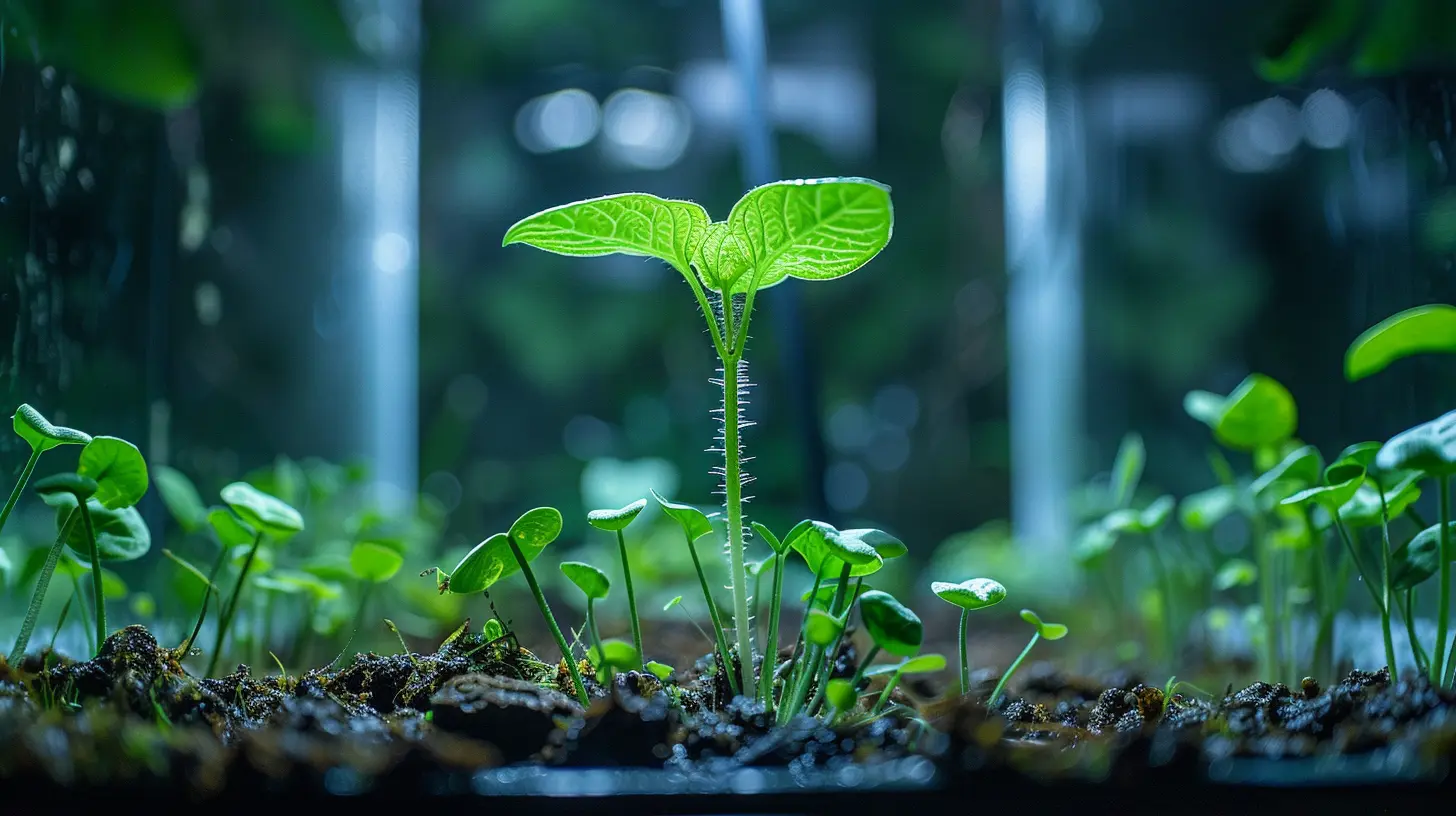
What Even Is Photosynthesis, Anyway?
Photosynthesis is like the plant's version of "cooking at home," but instead of recipe books and frying pans, they're using sunlight, water (H₂O), and carbon dioxide (CO₂). The result? Glucose (fancy sugar) and oxygen (you know, that thing you need to survive).Here’s the reaction in all its nerdy glory:
6CO₂ + 6H₂O + sunlight → C₆H₁₂O₆ + 6O₂
Translation: Carbon dioxide + water + sunlight = sugar + oxygen. Boom. Science.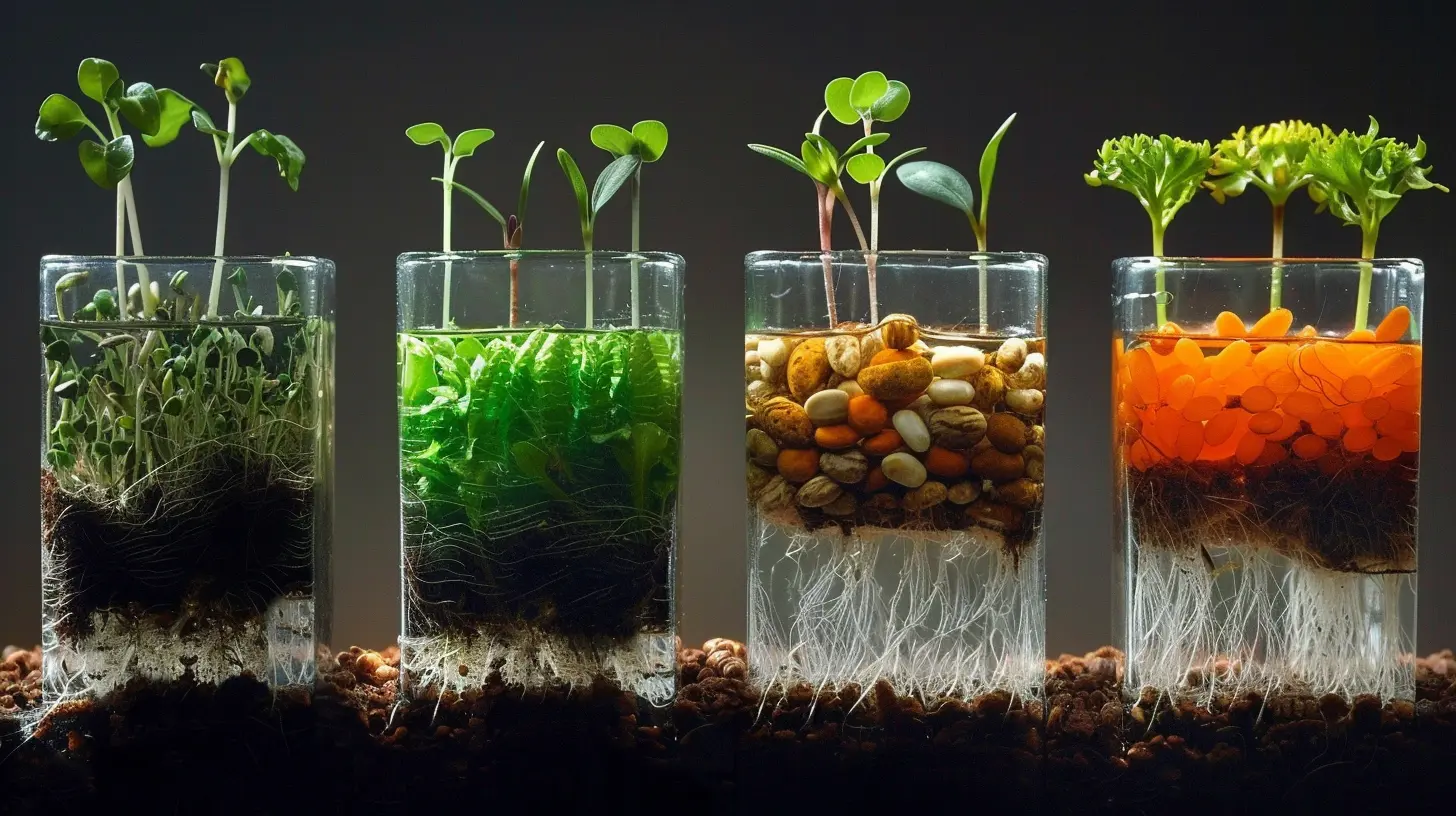
The Secret Ingredient? Chlorophyll!
Say hello to chlorophyll, the green pigment MVP in every plant. This stuff is the reason plants are green (no, they’re not jealous—just fabulous). It sucks up sunlight like a solar panel and jumpstarts the whole photosynthesis gig.Imagine chlorophyll as the DJ of a photosynthesis rave—spinning sunlight and making energy-filled molecules drop like bass beats. Without it, no photosynthesis. Without photosynthesis, no plants. And without plants? Well... let’s just say you wouldn’t be breathing right now.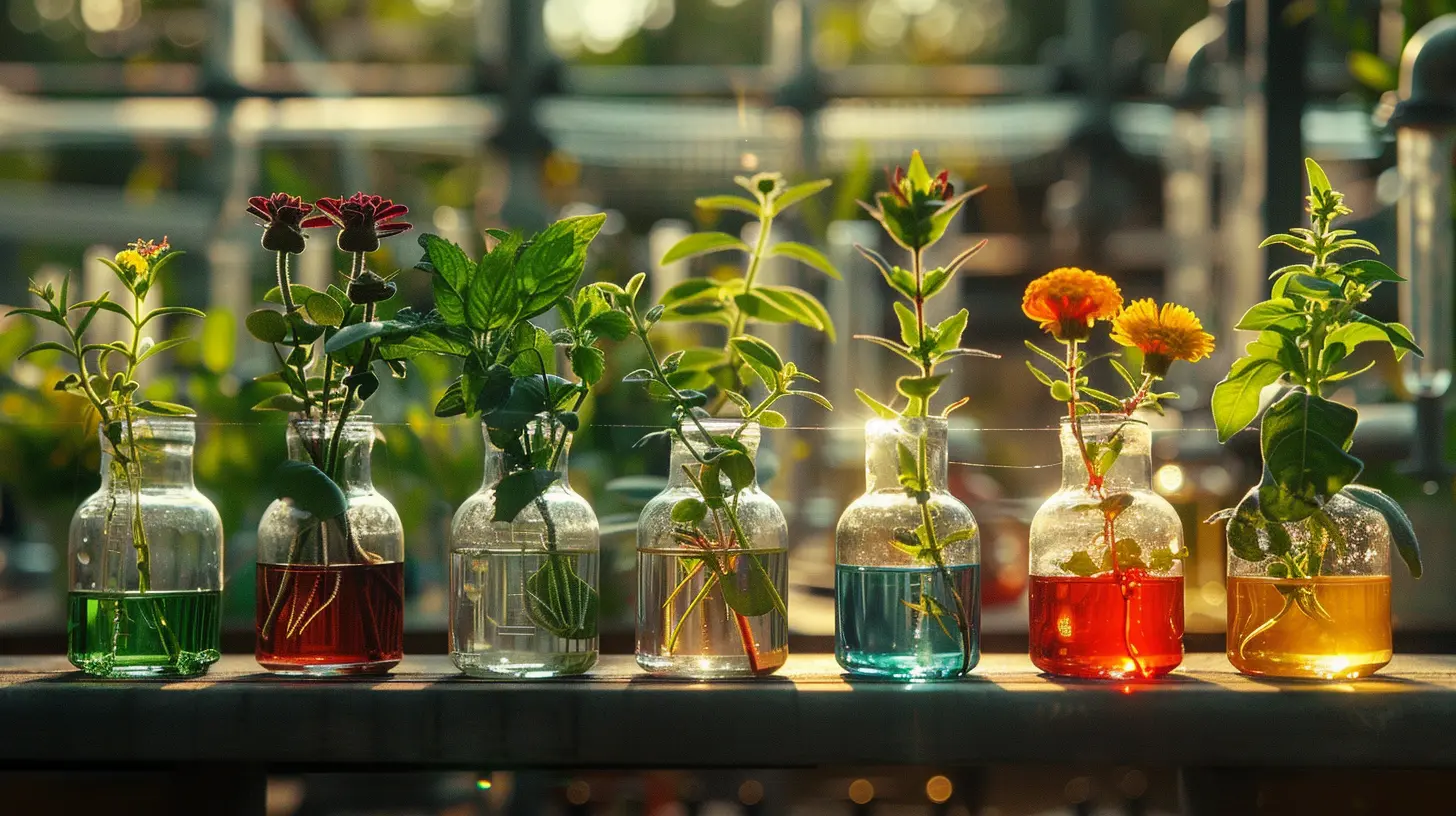
Unmasking the Mystery — How Do We Know Photosynthesis Is a Thing?
Science isn’t just about shouting “Eureka!” in a lab coat. It’s about breaking stuff, messing with it, and asking “what if?” So naturally, people have tried all sorts of wild experiments to figure out what plants are up to when they're just standing there. Let’s check out a few of the greatest hits.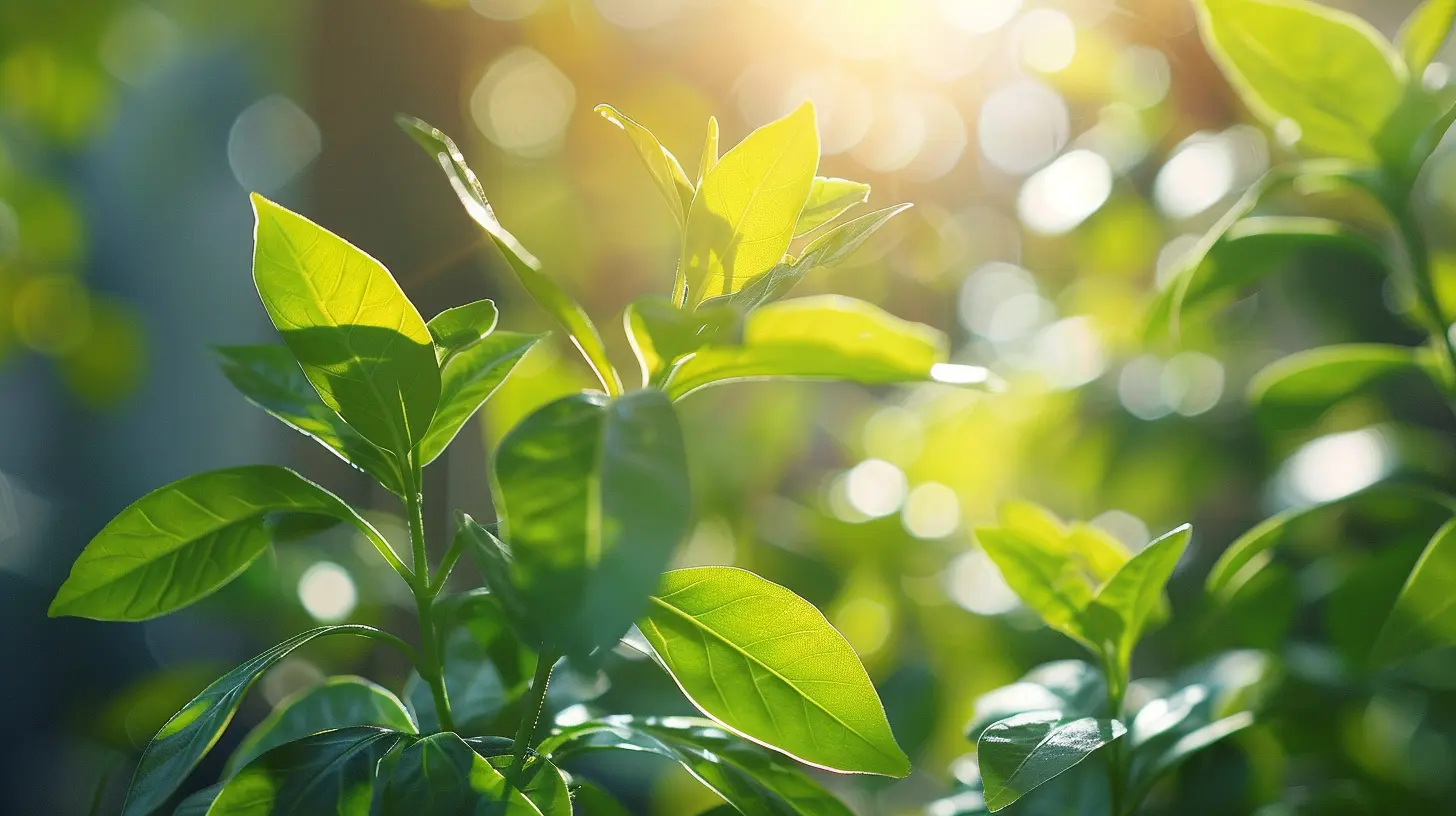
1. The Van Helmont Experiment: Trees Don’t Eat Dirt?!
In the 1600s, a guy named Jan van Helmont plopped a willow seedling into some soil, watered it for five years, and then weighed everything. Turns out the tree had gained mass, but the soil hadn’t changed much.His mind-blowing conclusion? Trees don’t get most of their mass from soil. (Cue dramatic gasp.)
Van Helmont didn't yet know about CO₂, but he was on to something—plants must get their stuff from air and water. Which is science-speak for “magic,” right?
2. Joseph Priestley and the Mouse Party
Fast-forward to the 1770s, where Joseph Priestley decided to torture a mouse in a bell jar (don’t worry, this has a happy ending… for the science, not the mouse).He put a mouse in an airtight jar, and—spoiler alert—the mouse didn’t make it. But when he added a mint plant? Miracle! The mouse lived longer.
Moral of the story? Plants pump out oxygen. Mice (and humans) like oxygen. Priestley basically discovered that plants are natural air purifiers, long before houseplants became trendy.
3. Jan Ingenhousz: Photosynthesis Likes the Light
A few years later, Jan Ingenhousz pulled the ultimate “what if it’s just the light?” move. He put aquatic plants (we see you, Elodea) under sunlight and noticed bubbles forming—oxygen gas!But in the dark? Nothing. Nada. Zilch.
So Jan confirmed that light is a must-have for photosynthesis. Plants don’t do much in the dark—kind of like us before coffee.
4. Iodine and the Leaf Test: CSI, Plant Edition
Here’s one even intro-level biology students get to try: the iodine test for starch.Take a leaf, boil it (poor thing), dunk it in alcohol (sorry, party leaf), then stain it with iodine. If it turns blue-black, bam—starch is present, which means photosynthesis happened.
Science: turning kitchen ingredients into hard evidence.
5. Chromatography: The Plant Pigment Runway Show
You thought chlorophyll was the only pigment in town? Please.Using paper chromatography, scientists and students can separate plant pigments and see a hidden rainbow: chlorophylls, carotenoids, xanthophylls—it's like Project Runway but for molecules.
These pigments help suck in different wavelengths of light. More light options = more photosynthesis power. Plants don’t just wear green—they accessorize with the full spectrum.
6. Gas Exchange Madness: Using the Potometer
Want to measure how thirsty a leaf is or how fast it's photosynthesizing? Enter the potometer—a supremely annoying little tool that measures water uptake.It’s basically a lie detector test for leaves: “How much water are you drinking while pretending to sit there doing nothing?” Cue suspicious eye squint.
When a plant photosynthesizes, it opens tiny holes (stomata), takes in CO₂, and loses water in the process. More photosynthesis = more water loss. Potometers help us track this.
7. The Floating Leaf Disc Experiment: Science Meets Party Trick
This one’s a classic. Punch out leaf discs, remove the air from their spongy interiors (via syringe magic), and drop them in a baking soda solution under a light.When the discs float? That means oxygen is being produced from photosynthesis. It’s like mini lifeboats surfacing one by one as light fuels the process.
Also doubles as a very nerdy party trick. You're welcome.
Factors That Make or Break Photosynthesis
So now that we know how to watch photosynthesis happen in real-time, let’s talk about what messes with it—or turns it up to eleven.1. Light Intensity
More light = more photosynthesis... up to a point. Even plants have a limit. Shine too much light and you’re just giving them a sunburn (yes, plants can get those).2. Carbon Dioxide Levels
More CO₂ = faster photosynthesis. It’s like giving plants extra ingredients for their sugar recipe. But overload the CO₂, and things get weird and potentially climate-changey. Yikes.3. Temperature
Not too hot, not too cold—photosynthesis is Goldilocks-level picky. Enzyme activity is key here, and enzymes are famously dramatic about temperature changes.4. Water Availability
It ain’t called photoSYNTHESIS without water. Dehydrate a plant, and it’s game over—stomata close, CO₂ can’t get in, and the whole factory shuts down.Why Should You Care?
Let’s be honest—you probably don’t wake up every day thinking, “Wow, I sure hope the chloroplasts are doing their thing today.”But photosynthesis seriously underpins everything. No photosynthesis? No oxygen. No food chains. No burgers, no fries, and definitely no avocado toast.
And don’t forget the elephant in the room: climate change. Trees act like carbon vacuums. They suck up CO₂, slow global warming, and look pretty doing it. Understanding photosynthesis = playing your part in saving the planet.
So yeah—you kinda owe that houseplant an apology for ignoring it.
Can We Hack Photosynthesis?
Oh, you bet scientists are trying. From genetically modifying crops to photosynthesize more efficiently (think super corn) to creating artificial photosynthesis systems (solar panels that mimic leaves), we’re trying to bottle that magic.Because let’s face it—plants figured out sustainable energy long before we did.
Final Thoughts: Plants Deserve More Hype
Plants are absolute wizards of the natural world. They pull off a chemical miracle every single day without needing snacks, selfies, or even verbal confirmation that they’re doing great.From ancient tree-huggers like Van Helmont and Priestley to modern-day eco-warriors messing with potometers, we’ve learned a whole lot about photosynthesis—and we’re only scratching the surface.
So next time you pass a plant, give it a nod of respect. It's quietly saving your life with every ray of sunshine. No big deal.
all images in this post were generated using AI tools
Category:
Science ExperimentsAuthor:

Fiona McFarlin
Discussion
rate this article
2 comments
Thistle Riley
Fascinating insights! This deepens my appreciation for nature's processes.
April 8, 2026 at 3:14 AM
Fiona McFarlin
Thank you! I'm glad you found it insightful. Nature truly is amazing.
Fable Frye
What a delightful read! 🌿 It’s fascinating how plants work tirelessly behind the scenes. Your experiments offer a fun way to explore photosynthesis, making science feel accessible and relatable. Can’t wait to try them out with my kids!
April 4, 2026 at 2:50 AM
Fiona McFarlin
Thank you so much! I'm thrilled you found it delightful and accessible. Enjoy the experiments with your kids! 🌱