The Role of Social Studies in Building Global Citizens
12 March 2026
In today's interconnected world, being a global citizen is more important than ever. But what exactly does that mean? A global citizen is someone who understands the world beyond their immediate surroundings, respects cultural diversity, and takes action to make the world a better place. And guess what? Social studies play a huge role in shaping these individuals.
Social studies isn’t just about memorizing dates and events—it’s about understanding people, cultures, and societies. It teaches us history, geography, economics, political science, and more, all while helping us make sense of the world we live in. So, how exactly does social studies help build global citizens? Let's dive in!
Understanding Different Cultures and Perspectives
One of the biggest ways social studies contribute to global citizenship is by broadening our perspective. When we study history or geography, we’re not just learning about events or places—we’re learning about people’s lives, traditions, and challenges. This helps us develop empathy and appreciation for cultures different from our own.Think about it—how can we work together on global issues if we don’t understand each other? Social studies encourage us to step into someone else’s shoes, see the world from their point of view, and realize that despite our differences, we all share common human experiences.
Developing Critical Thinking Skills
In a world flooded with information, knowing how to think critically is essential. Social studies help students analyze events, question sources, and differentiate facts from opinions. It teaches them not to take everything at face value but to dig deeper and understand the "why" behind issues.For example, when studying history, students don’t just learn what happened—they examine why it happened. Was it political? Economic? Social? Understanding these factors helps them make sense of current events and recognize patterns in global affairs.
Encouraging Active Citizenship
Being a global citizen isn’t just about knowledge—it’s about action. Social studies instill a sense of responsibility and encourage students to engage in their communities and beyond. Whether it’s voting, advocating for human rights, or simply staying informed, social studies empower individuals to contribute to society positively.Take civic education, for instance. It teaches students about their rights, responsibilities, and the importance of participation in democratic processes. When people understand how systems work, they can push for change and hold leaders accountable.
Promoting Social Justice and Equality
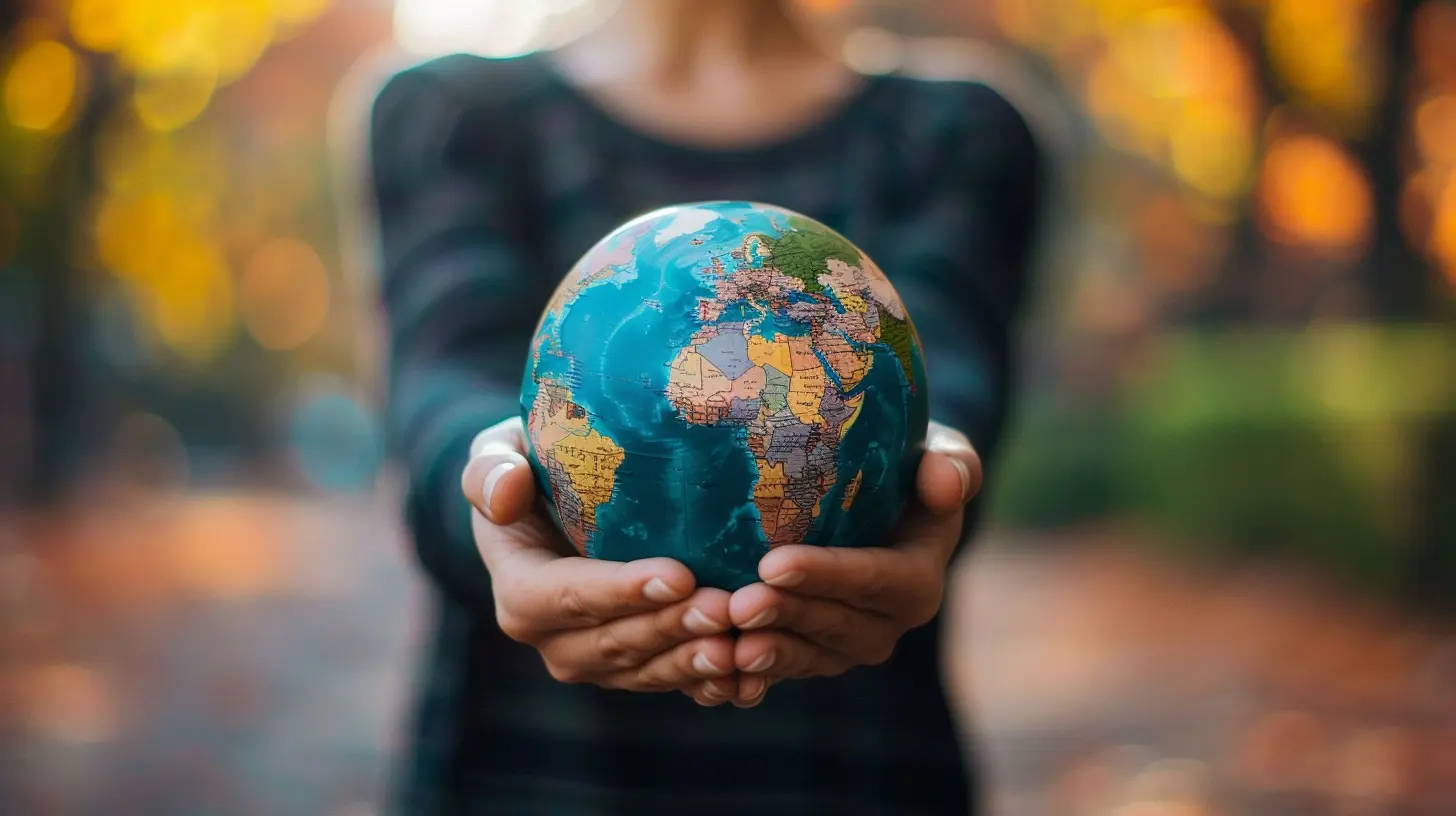
The study of social issues like racism, gender inequality, and economic disparity helps students recognize injustices and become advocates for change. Social studies highlight historical struggles and triumphs, showing that people have successfully fought for justice before and can do so again.When students learn about events like the Civil Rights Movement, the fight for women’s rights, or independence movements across the world, they gain a deeper understanding of how individuals and groups can influence society. This knowledge fuels a passion for equality and fairness.
Enhancing Global Awareness
The world is more connected than ever. News spreads instantly, economies are intertwined, and what happens in one part of the world often affects the rest. Social studies help students understand global issues like climate change, migration, poverty, and international relations.For example, learning about environmental challenges in different countries can inspire students to adopt sustainable practices. Understanding global economies can shape responsible consumers who are aware of ethical trade and labor conditions. This awareness makes them more mindful citizens who think beyond their own borders.
Teaching Conflict Resolution and Diplomacy
Conflicts, whether between individuals or nations, are inevitable. However, how we handle them makes all the difference. Social studies teach students about diplomacy, negotiation, and peaceful conflict resolution.By studying historical conflicts and their resolutions, students learn valuable lessons about compromise and cooperation. They recognize that violence and aggression often lead to more problems, while dialogue and understanding pave the way for progress and peace.
Strengthening Ethical Decision-Making
Ethical dilemmas exist everywhere—politics, business, science, and even in daily life. Social studies expose students to moral questions and ethical considerations, helping them develop a strong sense of right and wrong.For instance, discussions about human rights, environmental policies, or economic practices challenge students to think about the ethical implications of decisions. Should businesses prioritize profit over environmental sustainability? Should governments intervene in certain conflicts? These are the kinds of questions that mold responsible, values-driven individuals.
Preparing Students for a Global Workforce
In today's job market, employers look for individuals who can navigate diverse workplaces, think critically, and adapt to different cultures. Social studies foster these skills by teaching collaboration, communication, and problem-solving—all essential in a globalized economy.Whether someone becomes a diplomat, journalist, entrepreneur, or teacher, the ability to understand different perspectives and work with people from various backgrounds will serve them well. Social studies lay the foundation for successful careers in an interconnected world.
Inspiring Lifelong Learning
Being a global citizen isn’t about having all the answers—it’s about staying curious and continuously learning. Social studies ignite a passion for history, politics, and cultures, encouraging individuals to keep exploring long after they leave the classroom.Whether it’s traveling, reading, or engaging in discussions about current events, those who appreciate social studies tend to be lifelong learners. And in a fast-changing world, staying informed and adaptable is key to being an effective global citizen.
Conclusion
Social studies is so much more than a subject in school—it’s a gateway to understanding the world and our place in it. By teaching us about cultures, critical thinking, civic engagement, social justice, global awareness, conflict resolution, ethical decision-making, and career preparation, it shapes us into responsible global citizens.If we want a future where people respect each other, work together, and tackle global challenges head-on, we need social studies. After all, knowledge is power, and the more we learn about the world, the better we can make it. So next time you dive into a history book or read up on a global issue, remember—you’re not just learning; you’re preparing to change the world.
all images in this post were generated using AI tools
Category:
Social StudiesAuthor:

Fiona McFarlin
Discussion
rate this article
2 comments
Catherine McCracken
Social studies truly inspire empathy and understanding, shaping informed, compassionate global citizens for our future!
March 21, 2026 at 11:58 AM
Fiona McFarlin
Thank you so much. I deeply agree—empathy is the bridge that turns knowledge into compassionate action.
Zaid McAdams
This article highlights the crucial role social studies plays in developing global citizens. By fostering critical thinking and cultural awareness, it empowers students to understand diverse perspectives, engage in civic responsibilities, and contribute positively to a interconnected world. Great insights!
March 18, 2026 at 1:34 PM
Fiona McFarlin
Thank you for your thoughtful feedback! I'm glad you found the insights on social studies and its impact on global citizenship resonant.