Building Peer Support Systems in Inclusive Classrooms
25 December 2025
Creating classrooms where everyone feels safe, supported, and included is more than just a nice idea—it's essential. Especially in inclusive classrooms, where students with diverse learning needs come together, success hinges on more than just academic strategies. One of the most powerful tools in the educator's toolkit? Peer support systems.
So, let’s roll up our sleeves and unpack what peer support systems are, why they matter so much in inclusive settings, and how you can build one that works like magic.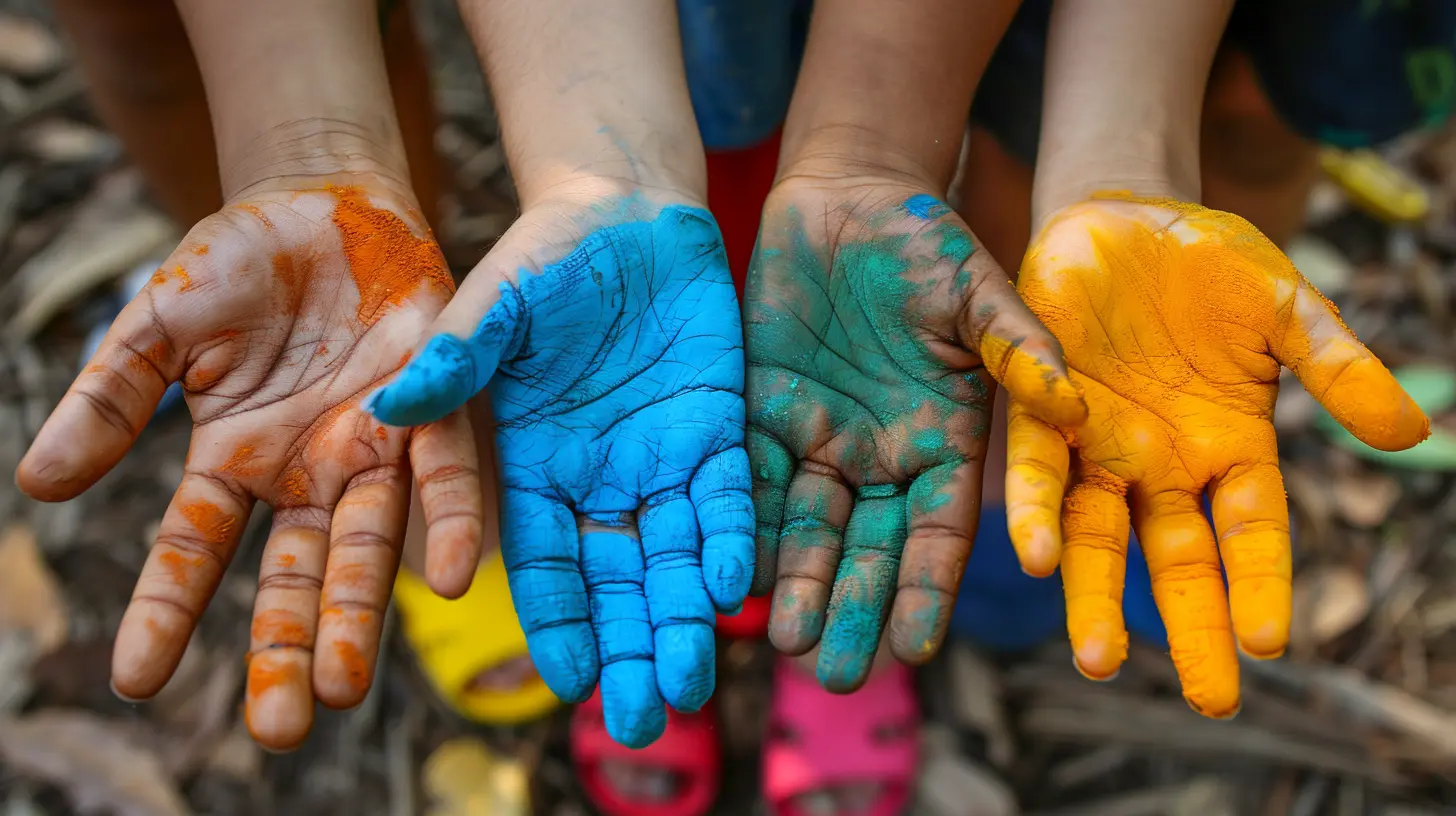
What Is a Peer Support System?
Let’s start with the basics. A peer support system is exactly what it sounds like—a structure where students help and support each other. Think of it as a buddy system that goes way beyond holding hands on a field trip. It’s a strategic approach that fosters collaboration, empathy, and social-emotional growth.These systems can look different in every classroom. Sometimes they’re formal, like assigned partners or study buddies, and sometimes they’re more natural, like mentorship circles or peer tutoring programs. The goal? To promote inclusivity by allowing all students—especially those with disabilities or learning challenges—to feel like they belong.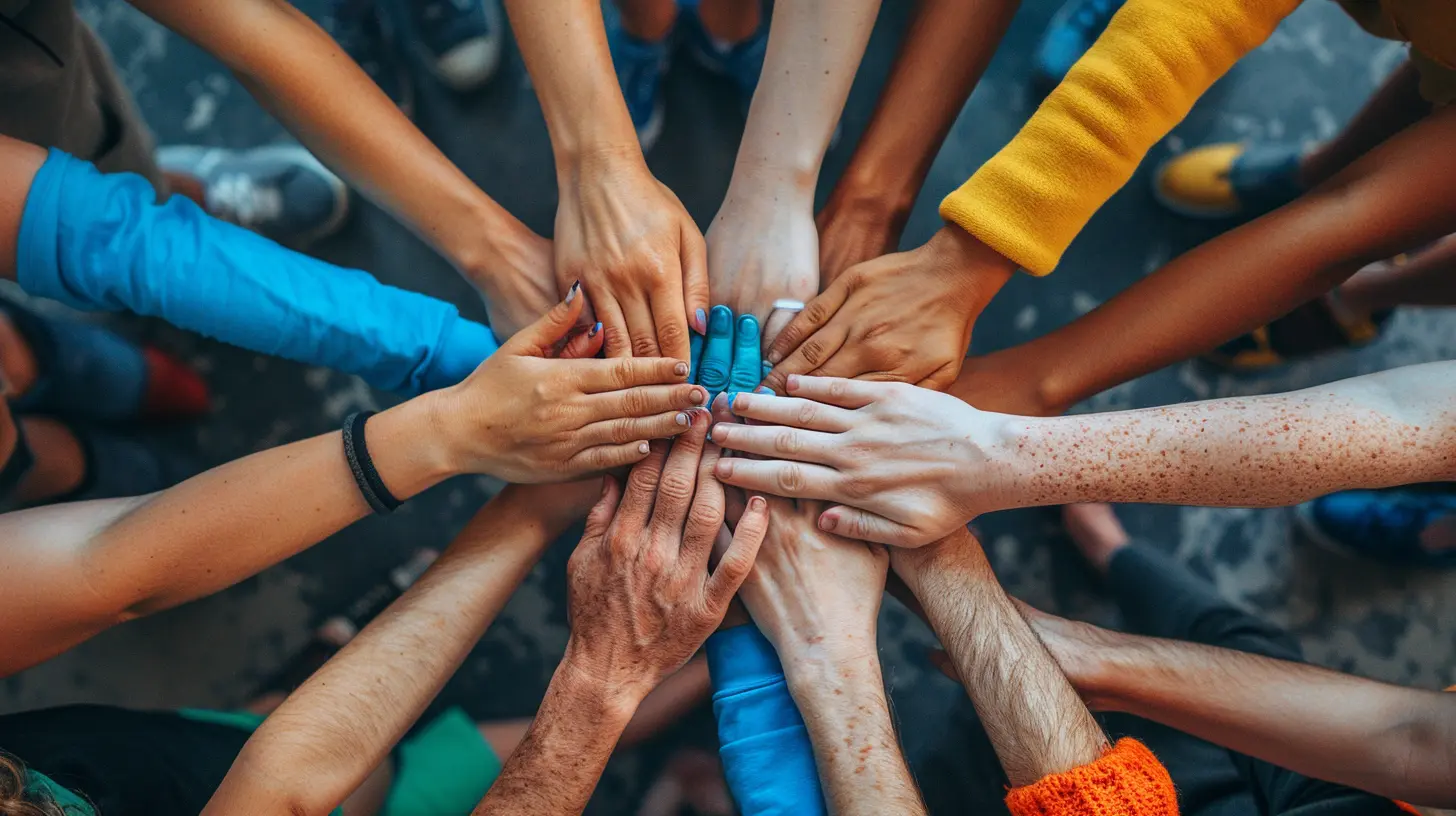
Why Peer Support Matters in Inclusive Classrooms
Imagine being in a room where everyone gets the inside jokes but you. Yeah, not fun. For students with learning differences, social anxiety, or disabilities, that’s often what school feels like. Peer support systems help break down those invisible walls.Here’s why they’re game-changers:
1. They Build a Sense of Belonging
Belonging isn’t just a warm fuzzy feeling—it’s tied to student success. When students feel like they belong, they're more likely to engage, take risks, and stick with challenging tasks. Peer interactions, especially positive ones, help foster that sense of acceptance and community.2. They Encourage Empathy and Understanding
Peer support naturally promotes empathy. When students help each other, they begin to see the world through each other's eyes. Suddenly, differences aren’t weird—they’re just different. That shift in mindset can transform a classroom dynamic completely.3. They Boost Academic Performance
Yup, peer support isn’t just about feelings—it impacts grades too. Cooperative learning, peer tutoring, and group tasks allow students to process information in ways that make sense to them. Often, students explain things to each other in ways teachers never thought of.4. They Cultivate Responsibility and Leadership Skills
Students who support peers take on leadership roles. They learn to be patient, resourceful, and proactive. It’s like giving them a mini internship in teamwork and communication. Bonus? Those skills stick with them long after they leave your classroom.
Core Principles of an Effective Peer Support System
Alright, now that we know peer support works, let’s talk about what makes it work well. An effective system leans on a few solid pillars:1. Voluntary Participation
Let’s be real—forcing kids into roles they don’t want (or aren't ready for) is a recipe for disaster. Students should opt into peer support roles willingly. That way, they’re more invested and engaged.2. Clear Expectations and Training
Supporting a peer isn’t something students automatically know how to do. They need guidance. That means showing them what active listening looks like, how to give helpful feedback, and how to recognize when to ask an adult for help.3. Mutual Respect
This isn't about "fixing" or rescuing anyone. Both students involved—whether giving or receiving support—should feel respected in their roles. The relationship needs to go both ways.4. Ongoing Supervision
Even the most enthusiastic peer support systems can derail without adult oversight. Teachers should keep a pulse on how things are going, check in with students, and provide course corrections when needed.
Types of Peer Support Structures You Can Use
No one-size-fits-all here. You can choose (or combine) different models depending on the age group, subject area, or specific needs of your class. Here are a few tried-and-true options:1. Peer Buddies
This is the classic version. One student pairs with another to provide support socially and academically. This works wonders in early grades but can also be adapted for older students by focusing more on mentoring or academic collaboration.2. Peer Tutoring
Here, a more academically advanced student supports a peer in a specific subject area. It’s great for reinforcing skills and confidence. Bonus? The tutor ends up mastering the material even more as they teach it.3. Circle of Friends
A small group of peers commit to being allies for a student who may struggle socially or emotionally. They meet regularly, share experiences, and build relationships intentionally. It’s like having your own personal cheering squad.4. Cooperative Learning Groups
Breaking your class into small groups with shared goals can level the playing field. Each student takes on a specific role, so everyone contributes and no one is left out.5. Classroom Jobs and Leadership Rotations
Encouraging students to take on leadership roles—like line leader or discussion facilitator—lets them shine in new ways and also gives their peers new respect for their classmates’ abilities.Steps to Build a Peer Support System That Works
Let’s get practical. Here’s a roadmap for building a peer support system that doesn’t just sit in your lesson plan binder but actually thrives in your classroom.Step 1: Create a Culture of Inclusion
Before you assign buddies or set up mentoring groups, lay the groundwork. Talk openly about diversity, respect, and kindness. Model inclusive behavior. Encourage questions and curiosity. This sets the tone so peer support doesn’t feel like charity—it feels like teamwork.Step 2: Match Students Thoughtfully
Pairing students successfully is part art, part science. You want complementary personalities, but also enough differences to encourage growth. Consider learning styles, communication preferences, and even hobbies.Step 3: Provide Training and Practice
Role-playing scenarios, watching short videos, or even doing mock buddy sessions can help students feel prepared. Go over what healthy support looks like—and what it doesn’t. This sets your students up for success and prevents missteps.Step 4: Check-In Regularly
Don’t just set it and forget it. Schedule regular check-ins to talk with students about how their peer support experience is going. Ask what’s working, what’s not, and what could be better. Use this feedback to tweak and improve the program.Step 5: Celebrate the Wins
Shout out your peer supporters publicly, whether during morning announcements or a quick class round of applause. Recognition reinforces positive behavior and helps students feel appreciated.Potential Challenges (and How to Handle Them)
Even the best ideas run into bumps along the road. Here are a few common hiccups and how to deal with them:Challenge: One-Sided Support
If one student is doing all the helping and the other is disconnected, the system isn’t balanced. Try rotating pairs or shifting the focus to collaborative, shared tasks rather than hierarchical roles.Challenge: Burnout
Peer support can be emotionally taxing—especially if the student providing help is also juggling their own challenges. Make sure no one feels overburdened by giving students time off from their roles or adjusting expectations.Challenge: Social Awkwardness
Some students may feel uncomfortable using peer support—either giving or receiving it. That’s normal. Introduce the concept slowly, and give students a chance to warm up through icebreakers or group activities.A Note for Teachers and Admins
Teachers, here’s the thing: You don’t have to do this alone. Building a thriving peer support system requires collaboration—between students, staff, and even families. Pull in special education staff, school counselors, and parents. The more voices at the table, the stronger the system.And administrators? You play a big role too. From scheduling to providing professional development, your support makes or breaks inclusion efforts. Encourage and celebrate classrooms that successfully implement peer support. They’re building the kind of school culture we all want to see.
Real-Life Stories: Peer Support in Action
Nothing sells an idea like a good story. Here’s one:In a bustling fifth-grade class, shy and soft-spoken Lily struggled to make friends. Her teacher paired her with Maya, a student known for her kindness and leadership. Fast forward a month—Lily was initiating conversations, acing assignments, and even volunteering to help others.
What changed? A single peer connection. That’s the power we’re talking about.
Wrapping Up: Let’s Build Something Amazing Together
Inclusive classrooms thrive on connection. They hum with energy, empathy, and collaboration. And at the heart of that? Students supporting each other—not because they have to, but because they want to.So whether you're a teacher, a parent, or an administrator, take the leap. Start small. Build a system. Watch friendships blossom, confidence grow, and learning deepen. Because when students lift each other up, everybody rises.
all images in this post were generated using AI tools
Category:
Inclusive EducationAuthor:

Fiona McFarlin
Discussion
rate this article
2 comments
Chelsea Wagner
Loved this article on building peer support systems in inclusive classrooms! It's wonderful to see how fostering collaboration among students can create a more nurturing environment. Empowering peers to support each other not only enhances learning but also cultivates empathy and understanding. Great insights! Keep up the fantastic work!
January 18, 2026 at 4:33 AM
Fiona McFarlin
Thank you so much for your kind words! I'm glad you found the insights on peer support systems valuable. Together, we can create more inclusive and empathetic classrooms!
Theodore McGeehan
Building peer support systems in inclusive classrooms is essential. They foster collaboration, empathy, and understanding among students, enhancing both academic and social skills. These systems empower learners and create a more inclusive and supportive educational environment.
December 25, 2025 at 5:43 AM
Fiona McFarlin
Thank you for highlighting the importance of peer support systems! I completely agree that fostering collaboration and empathy is crucial for creating an inclusive and supportive learning environment.