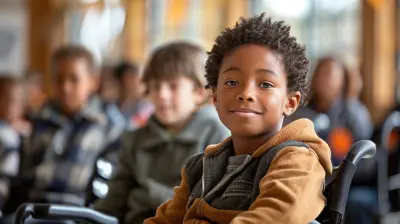
The Role of Education in Social and Political Reform
22 February 2026
Education is one of the most powerful forces in shaping society. It molds individuals, influences ideologies, and builds the foundation for progress. But beyond personal growth, education plays a crucial role in driving social and political reform. When people have access to knowledge, they gain the ability to challenge outdated norms, advocate for their rights, and demand better governance.
In this article, we'll dive deep into how education helps in transforming societies, breaking oppressive systems, and creating informed citizens who push for meaningful political change.
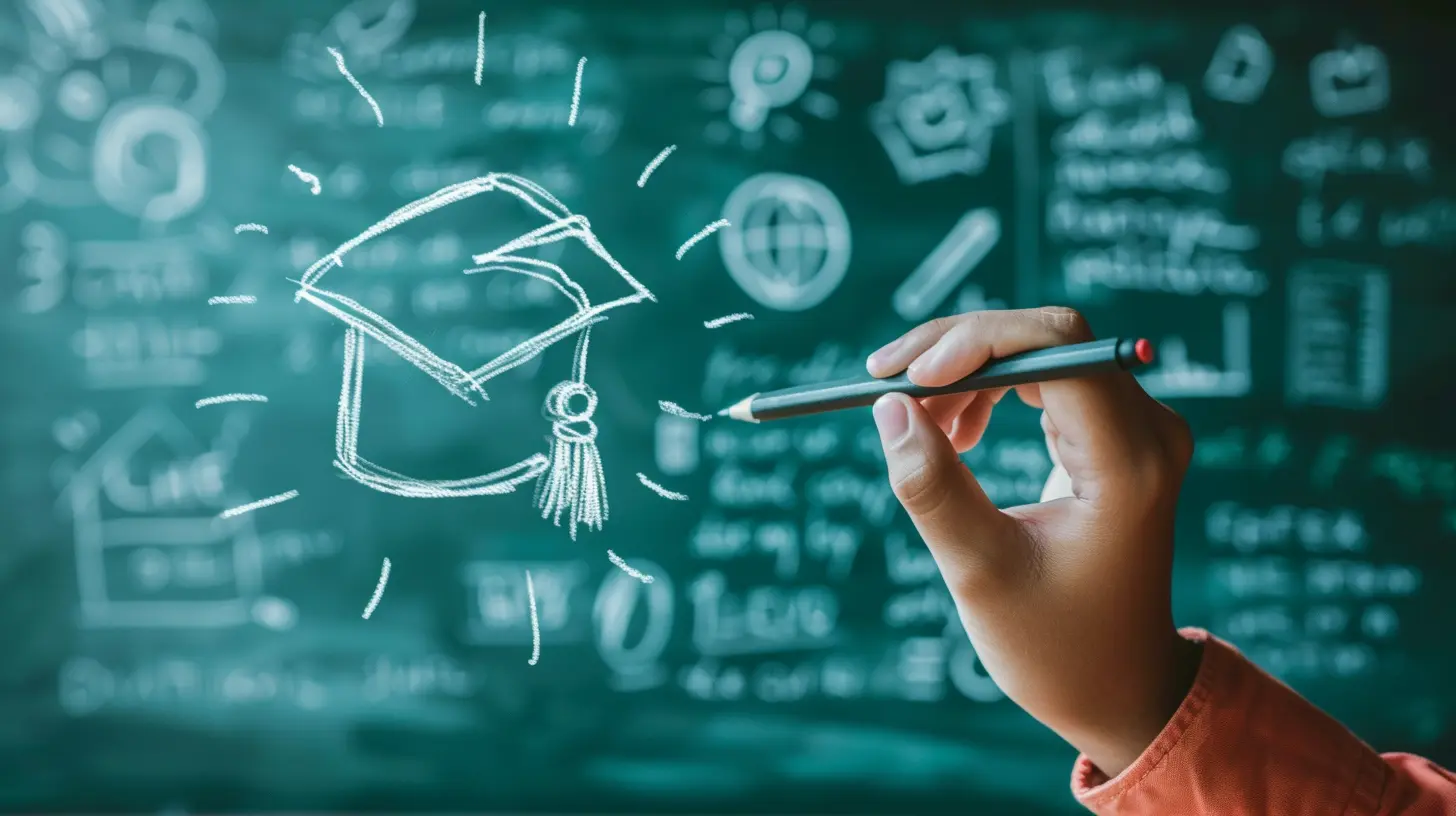
How Education Shapes Social Change
1. Breaking the Chains of Ignorance
Knowledge truly is power. When individuals receive education, they gain an understanding of their rights, responsibilities, and place in society. Without education, people may be easily manipulated, leading to social stagnation and inequality.Take history, for example. Many movements—civil rights, gender equality, and labor rights—gained momentum because people became aware of injustices and took action. Education fuels this awareness, encouraging individuals to question societal structures and demand fairness.
2. Reducing Inequality and Discrimination
Education has been a game-changer in breaking down social barriers. When people from diverse backgrounds access the same educational opportunities, it fosters a sense of equality.For instance, gender inequality has long been a challenge worldwide. But with access to education, women have been empowered to step into leadership roles, secure better jobs, and fight for their rights. Similarly, education helps dismantle racial and economic disparities by ensuring that marginalized communities have the tools to improve their circumstances.
3. Encouraging Critical Thinking
An educated society isn’t just knowledgeable—it’s analytical. Education equips people with critical thinking skills, allowing them to assess situations, challenge misinformation, and make informed decisions.Imagine a community where no one questions authority, policies, or the media. It would be much easier for corrupt leaders to manipulate the public. But when people are educated, they challenge propaganda, fact-check information, and engage in meaningful discussions. This critical approach is essential for social progress.
4. Promoting Social Mobility
Education offers a pathway out of poverty. For many, it’s the only lifeline to economic stability and social upliftment. Children from low-income backgrounds who receive quality education often break the cycle of poverty in their families.By providing access to education, we create more opportunities for upward social mobility, reducing crime rates and improving overall societal well-being. After all, a population that feels financially and socially secure is less likely to resort to desperate measures.
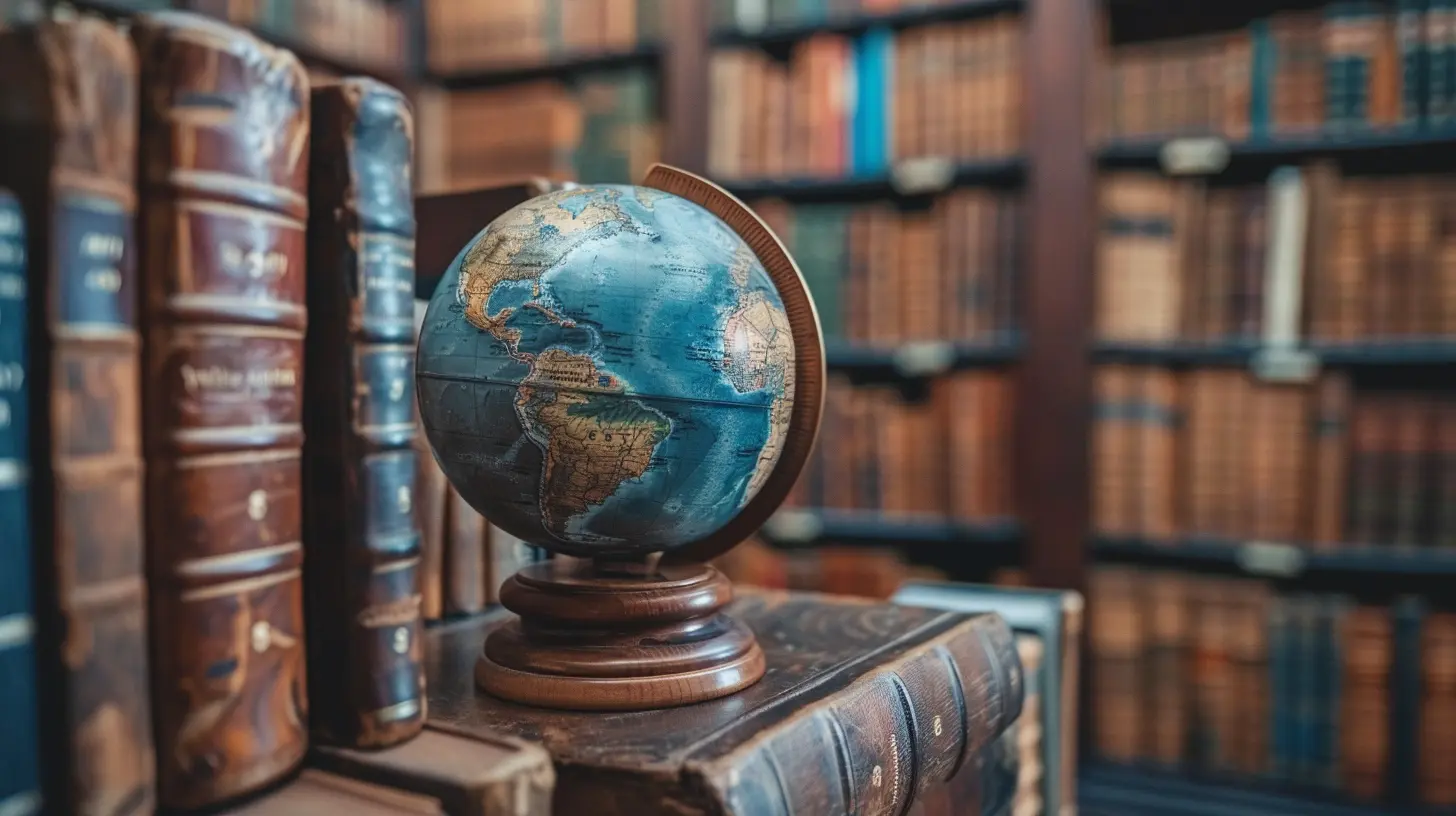
The Political Impact of Education
1. Creating Politically Informed Citizens
Imagine a democracy where voters don’t understand how the government functions or their rights as citizens. Sounds dangerous, right? That’s why education is crucial in shaping politically informed individuals.A well-educated electorate asks tough questions, holds leaders accountable, and makes informed decisions at the polls. Countries with higher literacy rates often have more active political participation, as citizens understand the impact of policies on their daily lives.
2. Strengthening Democratic Institutions
A thriving democracy depends on an educated population. Education fosters respect for democratic principles such as freedom of speech, human rights, and the rule of law. When people understand the importance of these values, they are more likely to protect them and demand justice when needed.Throughout history, we’ve seen how education has played a role in resisting authoritarianism. Dictatorships thrive on the suppression of knowledge, while democratic societies flourish when people are informed and engaged.
3. Encouraging Civic Engagement
Education doesn’t just stop at voting. It also encourages civic involvement—joining protests, signing petitions, engaging in community service, and even running for office.When individuals are educated, they recognize their ability to influence societal change. They no longer see politics as something distant but as a platform where their voices can be heard. From student activism in universities to grassroots movements, education fuels the courage to demand change.
4. Combating Political Manipulation
Unfortunately, political manipulation is everywhere. Misinformation, propaganda, and fear-mongering are tools often used to control public opinion. But education acts as a shield against such deceit.When people are trained to think critically, they don’t take everything at face value. Instead, they research, verify facts, and form their own opinions based on logic and evidence. This makes it harder for corrupt politicians to manipulate the masses.
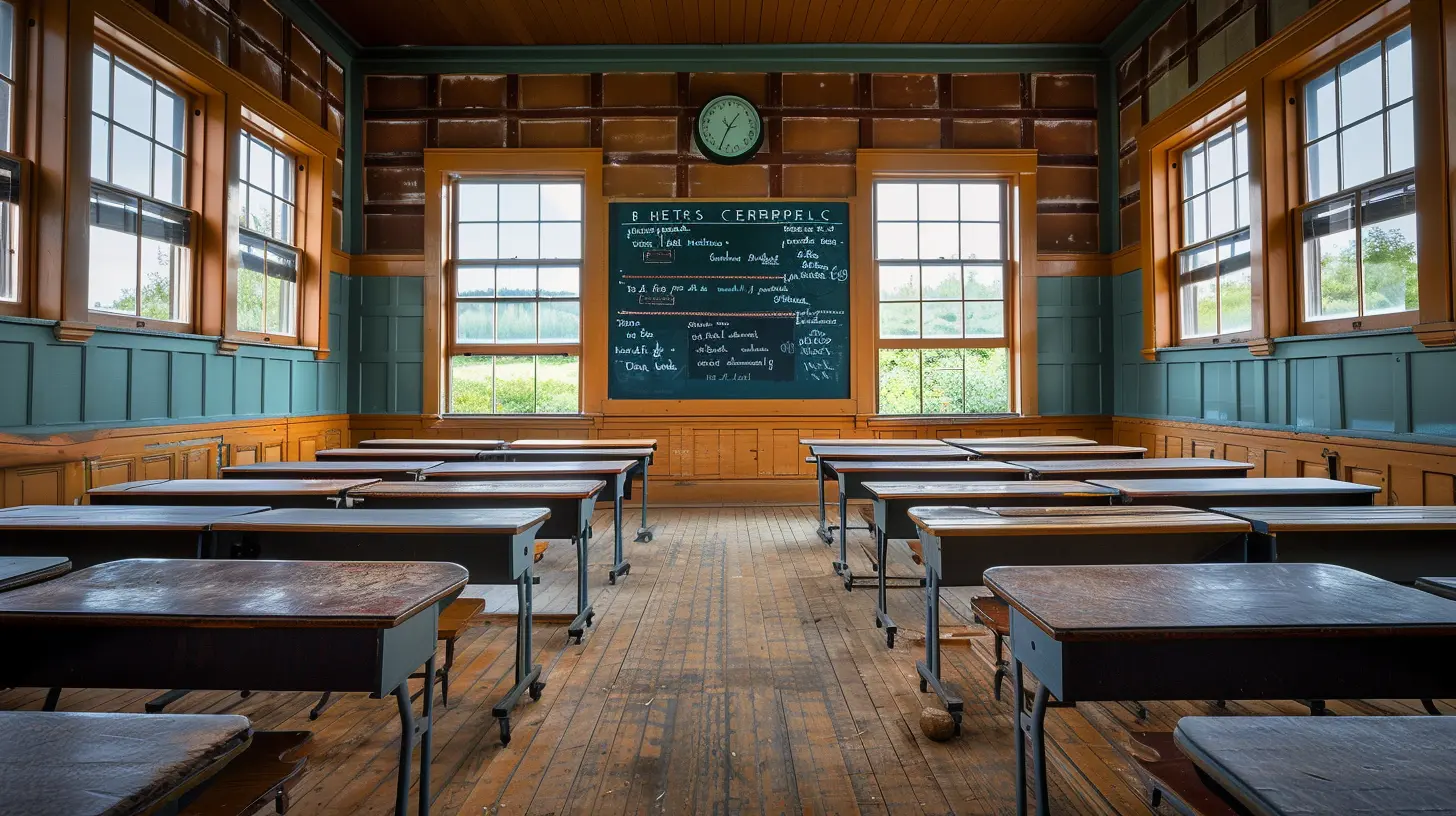
The Role of Governments and Institutions in Educational Reform
1. Investing in Quality Education
If we want education to drive social and political change effectively, governments must invest in quality education—building schools, training teachers, and ensuring access to resources.Education shouldn’t be a privilege; it’s a right. Sadly, many underdeveloped countries struggle with poor education systems, limiting opportunities for millions. Governments must prioritize education in their policies to ensure widespread access.
2. Promoting Inclusive Education
An effective education system is one that includes everyone—regardless of gender, race, disability, or economic background. Inclusive education ensures that marginalized groups aren’t left behind, allowing them to contribute to social and political progress.3. Modernizing Curriculums
The world is evolving, and so should education. Schools need to teach not just traditional subjects but also critical thinking, media literacy, and civic education.A modernized curriculum that includes political science, social studies, and human rights education will equip students with the skills they need to navigate the complexities of today’s world.

The Future of Education in Social and Political Reform
As technology advances, education is becoming more accessible. Online learning, open resources, and digital platforms are making knowledge available to a broader audience. This shift has the potential to further democratize education and empower individuals across the globe.However, challenges remain. Political resistance, lack of funding, and disparities in access still hinder progress. But with collective efforts from governments, educators, and civil society, education can continue being the catalyst for change.
Final Thoughts
Education and reform go hand in hand. A society that values education is one that progresses socially and politically. It breaks down barriers, empowers individuals, and ensures that justice prevails.So, if we truly want a better world, the answer is simple: invest in education. Because an informed society is a powerful one.
all images in this post were generated using AI tools
Category:
Social StudiesAuthor:

Fiona McFarlin
Discussion
rate this article
2 comments
Stella McQuade
Education is the spark that ignites change! Let’s embrace learning as our superpower to create a brighter, more equitable future together! 🌟📚
March 8, 2026 at 5:40 AM
Fiona McFarlin
Absolutely! Education is indeed a powerful catalyst for change, fostering informed citizens who can drive social and political reform. Let’s continue to champion learning as a tool for equity and progress!
Alexa McNeal
This article effectively highlights education's vital role in driving social and political reform. By fostering critical thinking and civic engagement, education empowers individuals to challenge injustices and advocate for meaningful change.
February 22, 2026 at 1:50 PM
Fiona McFarlin
Thank you for your insightful comment! I'm glad you found the article highlights the transformative power of education in promoting social and political reform.