The Power of Storytelling in Promoting Inclusivity in Classrooms
27 June 2026
In today's ever-evolving world, inclusivity has become a cornerstone of education. Gone are the days when classrooms catered to a one-size-fits-all approach. Now, we recognize that every child, regardless of their background, abilities, or experiences, deserves the same opportunity to learn and thrive. But here's the thing—how do we actually foster this sense of belonging and acceptance among students?
One of the most effective tools educators have at their disposal is storytelling. Yes, you read that right. Storytelling, a practice as old as time, can play a critical role in making classrooms more inclusive. It’s more than just reading words off a page. It’s a tool that helps break down barriers, challenge stereotypes, and build empathy. If you're curious about how storytelling can do all that and more, stick around. We're diving deep into the power of storytelling in promoting inclusivity in classrooms.
Why Storytelling Matters in Education
Let’s start with the basics. Why does storytelling even matter in education? Well, think about it. Stories are universally human. They’re how we pass down knowledge, share experiences, and understand each other. Whether it's a fable, a myth, or a personal anecdote, stories stick with us. They help us make sense of the world—and that’s especially important for kids.In the context of a classroom, storytelling does more than just engage students. It allows them to see the world from different perspectives. When students hear stories from different cultures, communities, or individuals, they’re exposed to new ideas and ways of thinking. This exposure is what plants the seeds of inclusivity.
Stories as Mirrors and Windows
Educator and scholar Rudine Sims Bishop famously described stories as "mirrors" and "windows." What does that mean? Well, some stories act as mirrors, reflecting a student’s own experiences and validating their identity. This is crucial for students who might otherwise feel marginalized. When they see themselves represented in a story, they understand that they belong.On the flip side, stories can also be windows, offering a view into someone else’s world. This allows students to step into another person’s shoes, fostering empathy and understanding. In a classroom setting, storytelling can help students from different walks of life not just coexist but connect on a deeper level.
The Role of Storytelling in Promoting Inclusivity
Alright, so now we know storytelling is important. But how exactly does it promote inclusivity? Let’s break it down.1. Challenging Stereotypes
Stories have the power to challenge harmful stereotypes that students might have internalized or been exposed to. By selecting stories that feature diverse characters—people from different ethnicities, genders, abilities, and backgrounds—teachers can help students unlearn biases.For example, a story about a girl who excels in science or a boy who loves ballet challenges gender stereotypes. Similarly, a story featuring a protagonist with a disability who thrives in their community can shift perceptions about what it means to have a disability. Over time, these stories help dismantle preconceived notions and create a more open-minded classroom environment.
2. Building Empathy
Empathy is the glue that holds inclusive communities together. And guess what? Storytelling is one of the most effective ways to build empathy. How? When students hear about characters who face challenges, whether it's discrimination, poverty, or bullying, they start to understand what it’s like to be in someone else’s shoes.Consider a story about a refugee child adjusting to a new school. For students who have never experienced displacement, this story provides a window into the struggles of adapting to a new environment. They might not have lived through those experiences, but through storytelling, they can feel a connection.
3. Representing Diverse Voices
Inclusivity means making sure that everyone’s voice is heard. But often, certain voices get left out. In many traditional curricula, the stories we tell tend to center around certain dominant perspectives. This is where educators have an opportunity to be intentional about the stories they choose.By incorporating stories from a variety of cultures, backgrounds, and experiences, teachers can make sure that all students feel represented. This includes stories written by authors of color, stories featuring LGBTQ+ characters, and stories about people living with disabilities. The more diverse the storytelling, the more inclusive the classroom becomes.
4. Encouraging Open Dialogue
Storytelling is also a great way to kickstart conversations about difficult topics. Whether it’s racism, gender inequality, or mental health, stories can serve as a neutral ground for discussion. Students might feel uncomfortable talking about these subjects directly, but they’re often more willing to engage when the conversation is framed around a story.For instance, a story about a child experiencing racism can open the door for a broader discussion about race and discrimination. Because students are focusing on the characters in the story, they may feel safer expressing their thoughts and asking questions without fear of judgment.
5. Enhancing Social-Emotional Learning (SEL)
Social-Emotional Learning (SEL) is all about helping students develop key life skills like emotional regulation, social awareness, and relationship-building. Storytelling can play a pivotal role in SEL by helping students explore emotions and relationships in a safe and structured way.Through stories, students can see how characters navigate challenges, manage their emotions, and interact with others. This not only helps them build their own emotional intelligence but also teaches them how to engage with those who might be different from them. In essence, storytelling helps create a classroom environment where everyone feels respected and valued.
Practical Ways to Incorporate Storytelling for Inclusivity
You might be thinking, "This all sounds great, but how do I actually implement storytelling in my classroom?" Don’t worry, I’ve got you covered. Here are some practical tips for using storytelling to promote inclusivity.1. Choose Diverse Literature
The simplest way to incorporate storytelling is through diverse literature. Make sure your classroom library includes books from a wide range of authors and genres. Look for stories that feature characters from various cultural backgrounds, abilities, and family structures.And don’t stop at reading aloud. Encourage students to read diverse books during independent reading time or in small groups. The more exposure they have to different stories, the more inclusive their mindset becomes.
2. Invite Students to Share Their Own Stories
Another powerful strategy is to invite students to share their own stories. This could be through writing assignments, oral presentations, or even art projects. By giving students the opportunity to share their personal experiences, you create a space where everyone’s voice is valued.Plus, when students share their own stories, it allows their peers to understand them on a deeper level. This builds a sense of community and mutual respect within the classroom.
3. Use Storytelling in Social Studies and History Lessons
Storytelling isn’t just for language arts. You can incorporate storytelling into subjects like social studies and history as well. Instead of focusing solely on dates and events, use stories to highlight the human side of history. For instance, when teaching about the Civil Rights Movement, include personal stories of individuals who fought for equality.By telling these stories, you help students connect emotionally to the material, making it more relevant and meaningful. Plus, it reinforces the idea that history is made up of many different voices—not just the dominant narrative.
4. Encourage Critical Thinking Through Storytelling
Storytelling doesn’t have to be passive. Challenge your students to think critically about the stories they hear. Ask them questions like: What message is the story trying to convey? How do the characters' experiences differ from your own? What can we learn from this story?By encouraging students to engage with stories on a deeper level, you help them develop the skills they need to question assumptions and think inclusively.
5. Incorporate Digital Storytelling
We live in a digital world, so why not use technology to enhance storytelling? Digital storytelling allows students to create their own multimedia stories using tools like videos, podcasts, or slideshows. This can be especially empowering for students who might struggle with traditional writing.Not only does digital storytelling allow for greater creative expression, but it also provides another avenue for students to share their unique perspectives. And when students feel like their voices matter, inclusivity naturally follows.
Conclusion
At the end of the day, storytelling is more than just a teaching tool—it’s a bridge. It connects students to each other, to their teachers, and to the wider world. By incorporating diverse and meaningful stories into the classroom, educators can promote inclusivity in a way that feels natural and engaging.Stories help us challenge stereotypes, build empathy, and create a classroom environment where everyone feels seen and heard. And let’s be real, isn’t that what education is all about?
So, the next time you’re planning a lesson, don’t underestimate the power of a good story. It just might be the key to fostering a more inclusive and compassionate classroom.
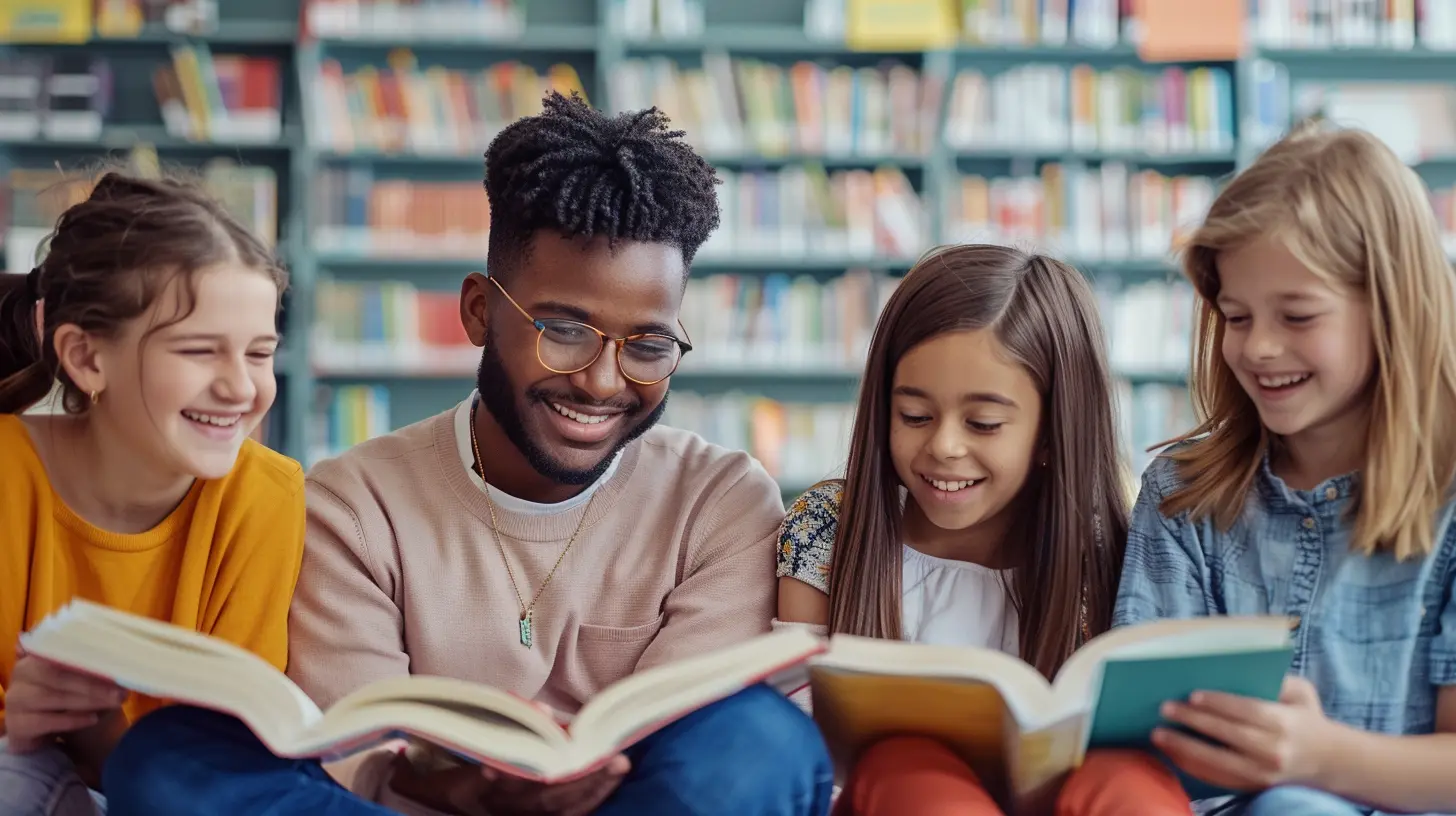
all images in this post were generated using AI tools
Category:
Inclusive EducationAuthor:

Fiona McFarlin
Discussion
rate this article
1 comments
Hayden Myers
This article highlights a vital aspect of education. Storytelling can bridge gaps and foster understanding among students from diverse backgrounds. By sharing experiences, we not only validate individual identities but also create a more inclusive and empathetic classroom environment.
July 6, 2026 at 5:01 AM
Fiona McFarlin
Thank you for your thoughtful comment. I completely agree that storytelling is a powerful tool for fostering connection and understanding in diverse classrooms. It's essential for creating an inclusive environment.