The Importance of Civic Education in Building Responsible Citizens
15 June 2026
Civic education is one of the cornerstones of a strong and functioning democracy. It equips individuals with the knowledge, skills, and values necessary to actively participate in their communities and contribute to the betterment of society. But sadly, in many parts of the world, civic education is often overlooked or given minimal attention.
So, why is civic education so crucial? How does it shape individuals into responsible citizens? Let’s dive deep into this topic and uncover why every society should prioritize civic education.
What Is Civic Education?
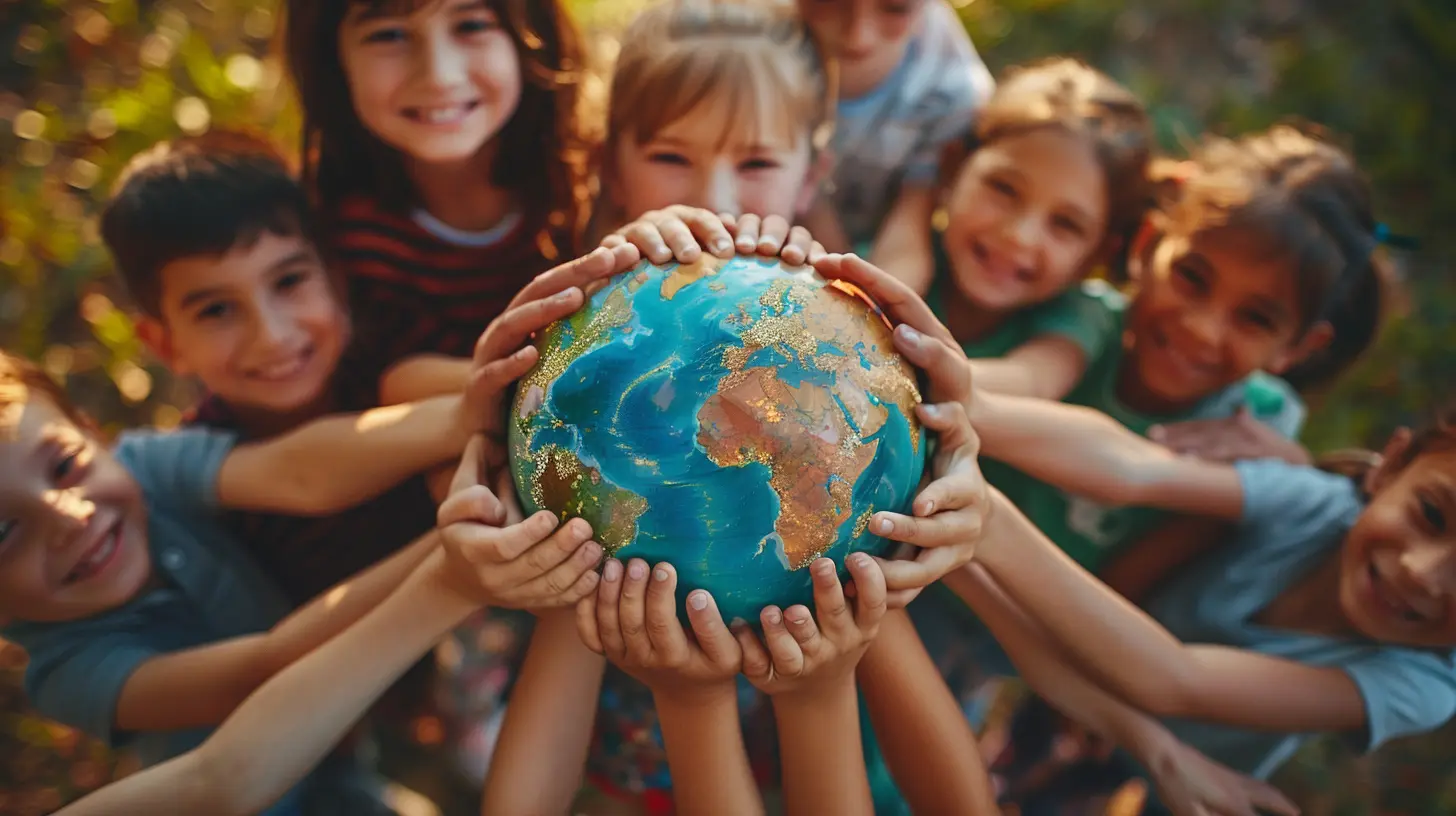
Civic education is the study of the rights and duties of citizenship. It teaches individuals about their government, how laws are made, the importance of voting, and the role they play in their community. But it’s not just about memorizing facts—it’s about understanding how society functions and how one’s actions impact others.Think of it as a guidebook to being a proactive member of society. Without it, people may feel disconnected from their communities or fail to recognize their responsibilities as citizens.
Why Civic Education Matters
1. Encourages Active Participation in Society
Picture a community where people don’t vote, don’t engage in discussions about public policies, and don’t hold their leaders accountable. What would happen? Corruption could thrive, poor leadership could continue unchecked, and policies that benefit only a few might be implemented.Civic education empowers individuals to take an active role in their communities. It teaches them that their voices matter, that voting is a powerful tool, and that they have the right—and responsibility—to influence decisions that affect them.
2. Promotes Critical Thinking and Informed Decision-Making
We live in an era where misinformation spreads like wildfire. Without the ability to think critically, many people can fall victim to fake news, destructive ideologies, or misleading political campaigns.Civic education sharpens an individual’s ability to analyze information, differentiate between facts and opinions, and make informed decisions. Whether it’s choosing a leader, debating a policy, or responding to social issues, a well-informed citizen is better equipped to navigate the complexities of modern society.
3. Fosters Respect for Diversity and Inclusion
In many parts of the world, societies are becoming more diverse in terms of culture, religion, and political beliefs. This diversity can either be a source of strength or a point of division, depending on how people perceive it.Civic education promotes respect for different perspectives and teaches individuals how to engage in constructive dialogue without resorting to hate or violence. It stresses the importance of unity while embracing differences, ultimately leading to a more tolerant society.
4. Encourages Lawfulness and Ethical Responsibility
Imagine what a world without laws and ethical principles would look like—chaos, injustice, and disorder. Civic education instills respect for the law and a sense of moral responsibility. It teaches individuals the consequences of breaking laws, the importance of justice, and how ethical behavior benefits society as a whole.A responsible citizen understands not only their rights but also their duties—such as obeying laws, paying taxes, respecting others' rights, and contributing positively to their community.
5. Empowers the Youth to Be Change-Makers
Young people are the future leaders of any nation. But leadership isn’t just about holding a position—it’s about taking initiative, standing up for what’s right, and driving positive change. Civic education equips young minds with the confidence and knowledge needed to become change-makers in their communities.A well-rounded civic education program encourages students to engage in community service, voice their opinions on social matters, and even take steps to initiate programs that address societal issues.

Key Components of Civic Education
To effectively build responsible citizens, civic education covers several crucial areas. Let’s break them down:1. Understanding Government and Politics
This aspect involves learning how government institutions function, how laws are made, and how political systems operate. Students learn about democracy, different forms of governance, and the role of elected officials.2. Rights and Responsibilities of Citizens
A well-educated citizen knows their basic rights—freedom of speech, the right to vote, freedom of the press, etc. But they also recognize their responsibilities, such as being respectful of others' rights, obeying the law, paying taxes, and contributing to their society.3. Media Literacy and Critical Thinking
Given today's digital age, media literacy is an essential part of civic education. It helps individuals distinguish between reliable information and misinformation, making them more informed citizens.4. Civic Engagement and Advocacy
Civic education encourages individuals to take action rather than be passive observers. It teaches how to organize community programs, participate in peaceful protests, write to government representatives, and engage in legal activism.5. Moral and Ethical Development
Being a good citizen isn't just about knowing the law—it’s also about integrity, honesty, and ethical behavior. Civic education integrates moral teachings to shape individuals into morally upright members of society.
The Role of Schools in Civic Education
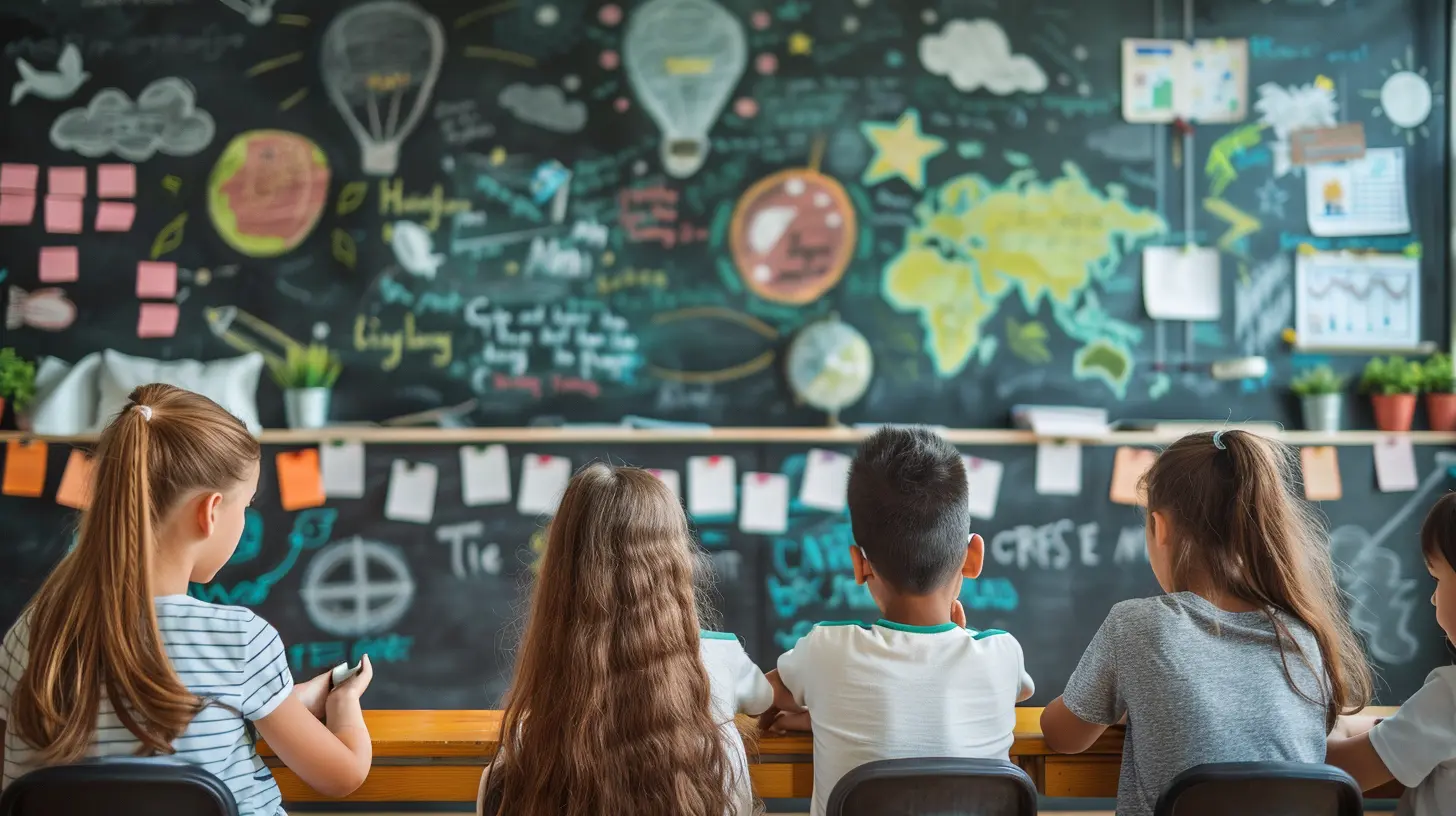
Schools play a vital role in imparting civic education. Teachers can integrate civic lessons into history, social studies, and even extracurricular activities. Encouraging debates, organizing mock elections, and involving students in community service can provide hands-on learning experiences that make civic education more engaging and practical.However, civic education shouldn’t be confined to the classroom alone. Families, communities, and media also contribute to shaping responsible citizens. Parents can teach their children about civic duties at home, while media outlets can provide unbiased and factual information to promote a well-informed society.
Challenges Facing Civic Education
Despite its importance, civic education faces several challenges, such as:- Lack of Emphasis in School Curricula – In many regions, civic education is either an optional subject or receives minimal focus.
- Political Influence – In some cases, civic education can be manipulated to serve political agendas rather than genuinely educating citizens.
- Lack of Engagement – Some people see civic education as boring or irrelevant, leading to disinterest among students.
To tackle these challenges, governments and educators must work together to make civic education more engaging, unbiased, and an integral part of school curricula.
Conclusion
Civic education is not just about understanding government procedures—it’s about creating informed, responsible, and active members of society. It empowers individuals to take part in their communities, make informed decisions, respect diverse opinions, and uphold ethical values.Without civic education, democracy weakens, misinformation spreads, and societies become more divided. But with a strong foundation in civic knowledge, we can build a generation of responsible citizens who are ready to contribute to a just and progressive world.
So, let’s start today. Whether in schools, homes, or communities, it’s time to prioritize civic education. Because when people are informed and engaged, society as a whole thrives.
all images in this post were generated using AI tools
Category:
Civic EducationAuthor:

Fiona McFarlin
Discussion
rate this article
1 comments
Zevonis Kim
This article raises essential points about civic education. It's fascinating how understanding our rights and responsibilities can shape not just individuals but entire communities. I wonder how we can better integrate these lessons into everyday learning to truly empower future generations. Excited to see where this goes!
June 27, 2026 at 2:38 AM
Fiona McFarlin
Thank you for your thoughtful comment! Integrating civic education into everyday learning is crucial for empowering the next generation. I appreciate your enthusiasm and ideas on this topic.