How to Create a Civic-Minded Classroom Environment
29 May 2026
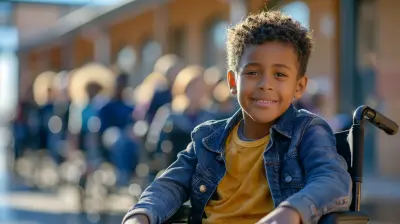
Building a civic-minded classroom environment isn’t just about prepping students to pass history tests or spit out facts about the Constitution. It’s about shaping future citizens—individuals who care about their communities, understand their responsibilities, and aren’t afraid to roll up their sleeves and get involved. So how do you make that happen? It’s easier than you think—and honestly, it’s one of the most rewarding things you can do as an educator.
In this guide, we’ll break down everything you need to know to create a space where civic engagement isn’t just taught—it’s lived.
Why Civic-Mindedness Matters in the Classroom
Okay, let’s talk about the “why” before we dive into the “how.”We’re living in a time where misinformation spreads like wildfire, political polarization is intense, and community involvement is often on the decline. Teaching civic literacy and responsibility helps students navigate this world with a critical eye and a compassionate heart.
Think about it: when students understand how government works, know their rights, and feel empowered to make change, they become the kind of people who vote, volunteer, and lead movements.
That’s not just important—it’s vital.
Step 1: Start With a Culture of Respect and Open Dialogue
A civic-minded classroom starts with one essential ingredient: trust. If students don’t feel safe sharing their opinions, participating in discussions, or asking questions, you’re not going to get very far.Build Relationships First
Your students won’t care about civic issues if they don’t feel like their voices matter. So make it clear that everyone’s opinions are welcome—as long as they’re respectful. Get to know your students. Celebrate their backgrounds. Make the classroom feel like a community, not a dictatorship.Set Ground Rules for Discussion
Establish clear norms for debate and discussion. These might include:- Listen actively without interrupting
- Critique ideas, not people
- Ask questions to understand, not to attack
You might even create these norms as a class. That way, students take ownership of them.
Step 2: Integrate Civic Topics Into Everyday Lessons
Here's the thing: Civic education isn’t just for social studies or government class. You can infuse civic-mindedness into any subject.Language Arts
Reading a novel? Dive into the social issues it raises. Debate characters’ decisions or connect themes to real-world events. Encourage persuasive writing on civic topics.Science
Climate change? Public health? STEM fields are full of civic connections. Talk about how science informs public policy and impacts our daily lives.Math
Yeah, even math can be civic-minded. Statistics, budgets, and data literacy all play a huge role in understanding civic issues—think election results, public funding, or economic inequality.The goal is to show students that civic life is everywhere, not just in a voting booth.
Step 3: Encourage Critical Thinking and Media Literacy
Let’s face it: students today are bombarded with information 24/7. Some of it’s legit. Some… not so much.Teaching students to analyze sources, question motives, and separate fact from fiction is one of the most civic things you can do.
Teach Them to Question Everything
Not in a conspiracy theory way. Just in a curious, analytical way. Encourage your students to ask:- Who created this?
- What’s their goal?
- What evidence supports their argument?
- What’s missing?
Make source evaluation part of every research assignment. Have them compare news stories from different outlets. Run a mini-unit on spotting fake news. It’s fun, relevant, and empowering.
Step 4: Facilitate Real-World Engagement
You want to really light a fire under your students? Get them involved in something real.Service Learning Projects
Organize a project where students identify a local problem, research solutions, and take action. This could be anything from cleaning up a park to starting an awareness campaign. It teaches responsibility and drives home the message: You can make a difference.Simulations and Role-Playing
Mock elections, model UN, or even classroom debates can simulate civic processes in engaging ways. Students don’t just learn—they experience what it’s like to participate in democracy.Bring in Guest Speakers
Invite activists, local officials, veterans, or journalists to speak to your students. It helps them see real people engaged in civic life—and opens their eyes to possibilities they might not have considered.Step 5: Model Civic Behavior Yourself
This might be the most powerful tool in your toolbox.Your actions speak louder than any lesson plan. Let your students see you volunteering, attending town halls, or engaging in respectful political discussions. Talk about it. Normalize civic engagement by living it.
And be honest. If you’re frustrated with the system, say so—but follow that up with ways you’re trying to make a difference. That balance of realism and hope is key.
Step 6: Celebrate Civic Milestones
Make a big deal out of civic events. Election season? Talk about it. Constitution Day? Have a class celebration. Local issues? Start a debate.You can even set up a classroom bulletin board with current events, civic quotes, or student accomplishments related to activism or public service.
Recognize the moments that matter. It reinforces the message that civic life isn’t just on the sidelines—it’s front and center.
Step 7: Foster Empathy and Perspective
At the heart of civic engagement is empathy. If a student can understand someone else’s point of view, they’re more likely to work toward solutions that benefit everyone.Use Diverse Voices
Include voices from different races, cultures, genders, and socioeconomic backgrounds in your teaching materials. Let your students see themselves—and others—in the curriculum.Practice Perspective-Taking
Have students write from someone else’s viewpoint. Try debates where they argue a position they personally disagree with. Activities like these help them understand complex issues from all angles.Step 8: Make It Student-Led
Give students ownership over their learning. When students choose the topics they want to explore or the projects they want to lead, they’re more invested.Let Them Ask the Big Questions
What bugs them about the world? What do they wish they could change? Build lessons around their concerns. When education connects to real life, it sticks.Encourage Leadership
Start a student council, civic club, or news team. Let students lead discussions, organize events, or moderate a debate. When they see they have power—they use it.Common Challenges (And How to Overcome Them)
“But what if parents get upset?”
This is a real concern. When discussing “hot” topics, keep the focus on skills, not opinions. You’re not telling students what to think—you’re teaching them how to think critically, listen respectfully, and engage thoughtfully.“What if students aren’t interested?”
Not every student starts out politically curious—and that’s okay. Start small. Use pop culture, music, or current trends to hook them. Find what matters to them, then help them see the civic connections.“Isn’t this too much pressure for one teacher?”
Truth bomb: You’re not expected to change the world overnight. Just plant seeds. One discussion, one project, one moment at a time—you’re helping shape the future.Conclusion: It All Comes Down to Empowerment
Creating a civic-minded classroom is about more than just lessons and lectures. It’s about nurturing active, engaged, and informed citizens who give a damn about what’s going on in the world.So, start small. Build relationships. Ask questions. Encourage action. And above all, remind your students that they’re not just part of the system—they have the right (and the power) to shape it.
The classroom is more than a place for learning facts—it’s a training ground for tomorrow’s leaders.
all images in this post were generated using AI tools
Category:
Civic EducationAuthor:

Fiona McFarlin
Discussion
rate this article
1 comments
Kaitlin McGrady
Creating a civic-minded classroom is essential for nurturing responsible and engaged citizens. This article offers practical strategies that can truly make a difference. By fostering open discussions and encouraging community involvement, we empower our students to understand their role in society and inspire them to take action for positive change.
June 6, 2026 at 10:54 AM