The Intersection of Race, Disability, and Inclusion in Schools
2 February 2026
Education should be the great equalizer, a place where every child—regardless of their background or abilities—receives the same opportunities to learn, grow, and thrive. But in reality, factors like race and disability can create invisible barriers that prevent true inclusion in schools.
Think about it—students of color with disabilities often face double the challenges. They may experience racial biases, unequal access to resources, and systemic hurdles that hinder their academic and social development. So, how do we fix this? How do we create school systems that are truly inclusive for all students?
Let’s dive into the complex yet crucial conversation about the intersection of race, disability, and inclusion in schools—and why it’s time to rethink our approach to education. 
Understanding the Intersection of Race and Disability
When it comes to education, race and disability often overlap in ways that create significant disparities. Here’s what that intersection looks like:- Overidentification & Misdiagnosis – Studies show that students of color are often misdiagnosed or overidentified with disabilities. Black boys, for example, are disproportionately labeled with behavioral disorders like ADHD. On the flip side, students from marginalized backgrounds might not get the diagnoses they actually need, leaving them without crucial support.
- Disproportionate Discipline – Research highlights that students of color, particularly Black and Hispanic students with disabilities, face higher rates of suspensions and expulsions. Rather than getting the support they need, they are often punished for behaviors linked to their disabilities.
- Limited Access to Support Services – Special education resources are not equally distributed. Schools in lower-income communities, which often serve more students of color, may lack experienced special educators, therapists, or assistive technology.
This double burden of racial and disability-based challenges can leave students feeling isolated, misunderstood, and left behind. 
The Role of Bias in Educational Spaces
Bias—both conscious and unconscious—plays a huge role in how students experience school. Teachers and administrators may not even realize how their perceptions influence their decisions, but these biases have real consequences.Implicit Bias in Classrooms
Imagine this: Two students exhibit the same hyperactive behavior in class. One is a white student, and the other is a Black student. The white student is more likely to be referred for an ADHD evaluation, while the Black student may face disciplinary action instead.Why? Because of long-standing societal stereotypes that label Black children as "troublemakers" rather than students in need of support. This isn’t just a theory—it’s a documented pattern that affects students across the country.
The Special Education Gap
Bias also shows up in how referrals for special education happen. Sometimes, students of color with disabilities are funneled into restrictive special education programs without being given proper assessments. Other times, schools hesitate to evaluate them at all, fearing they might be "over-labeling" minority students.Both scenarios create major problems:
- If a student is placed in special education without real need, they might miss out on academic challenges that help them grow.
- If a student actually needs support but doesn't get it, they will struggle without accommodations.
Clearly, it’s a lose-lose situation that needs addressing. 
Creating Truly Inclusive Schools
So, how do we turn things around? How do we build truly inclusive school environments that serve all students—regardless of race or disability? Here are some key solutions.1. Culturally Responsive Teaching
One-size-fits-all approaches don’t work in education. Teachers need to adopt culturally responsive teaching methods that consider students' diverse backgrounds.This means:
- Using teaching materials that reflect diverse cultures and experiences
- Recognizing and addressing bias in discipline and grading
- Encouraging open conversations about identity, race, and disability
When educators understand their students’ unique cultural and personal experiences, they can offer better learning environments where everyone feels seen and valued.
2. Stronger Special Education Policies
Schools must ensure that special education services are fairly provided.- Early and accurate evaluations – Schools should assess students without racial bias, ensuring those who truly need support receive it.
- Inclusion in general classrooms – Whenever possible, students with disabilities should learn alongside their peers instead of being isolated in separate programs.
- Regular training for staff – Teachers, counselors, and administrators should receive ongoing training on race, disability, and inclusive teaching practices.
3. Reforming School Discipline
Discriminatory discipline practices have to stop. Instead of relying on suspensions and expulsions, schools should:- Implement restorative justice programs that focus on conflict resolution rather than punishment
- Train teachers to manage behaviors with empathy rather than zero-tolerance policies
- Ensure that consequences are applied fairly across all racial and ability groups
When discipline is fair and supportive, students are more likely to stay engaged in their education rather than being pushed out of the system.
4. Advocacy & Policy Changes
Policy plays a massive role in shaping education. Advocates, parents, and educators must push for:- More funding for special education services in underserved communities
- Stronger anti-discrimination laws protecting students with disabilities from racial bias
- Hiring diverse educators who reflect the backgrounds of their students
Change starts from the top, and policies must align with the reality that students of color with disabilities face unique challenges that require targeted solutions. 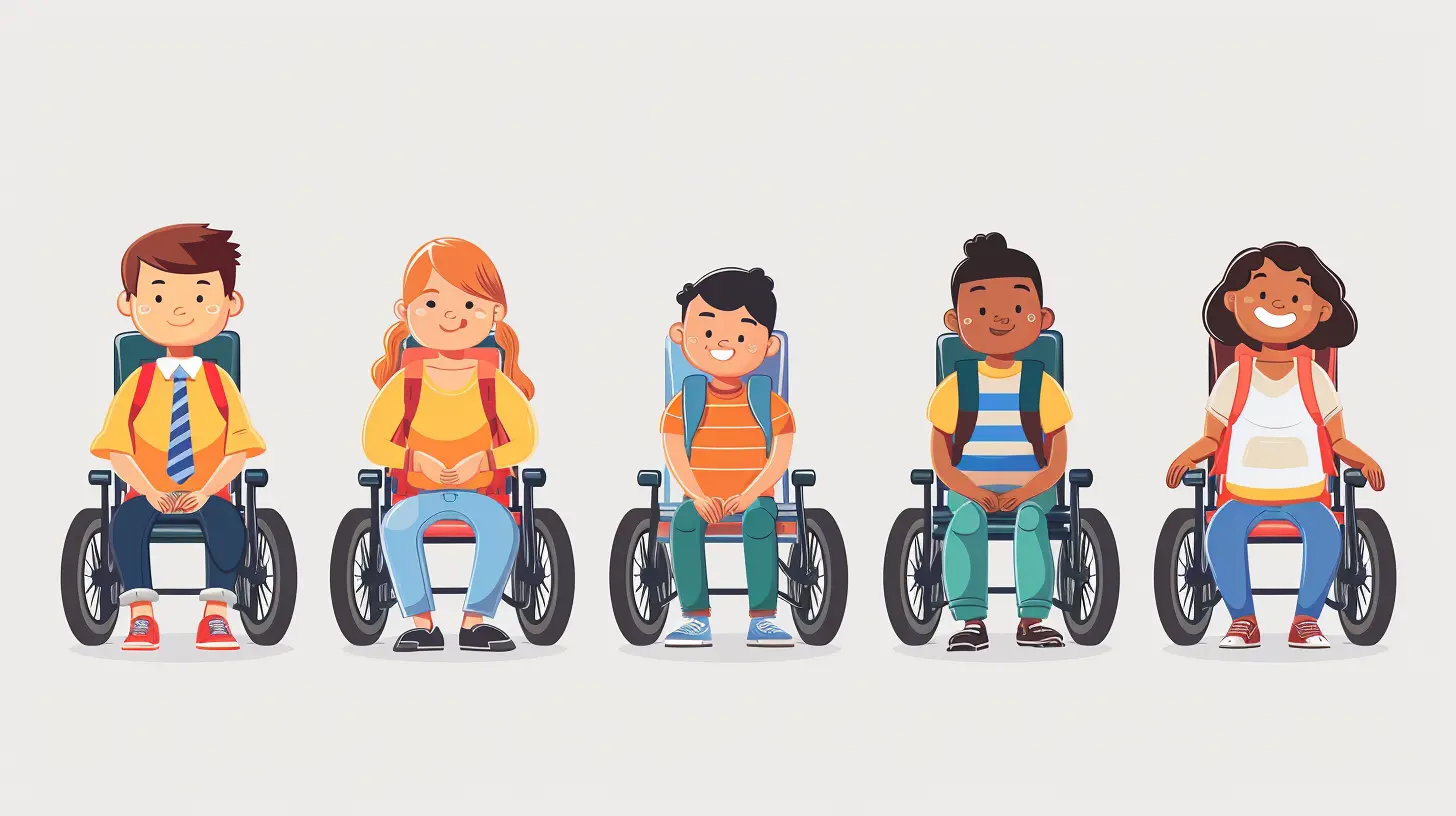
The Power of Representation
Representation matters. When students see teachers, counselors, and administrators who look like them and understand their experiences, they feel more supported. Schools should prioritize hiring staff from diverse racial and ability backgrounds to create a more inclusive environment.Additionally, classrooms should celebrate diversity in all forms—whether through diverse books, guest speakers, or inclusive lesson plans. Acknowledging and embracing differences is the first step toward true inclusion.
Final Thoughts
Education is supposed to be a place of opportunity, not exclusion. Yet for many students of color with disabilities, systemic biases, inadequate resources, and unfair policies make the learning journey incredibly difficult.But here’s the good news: change is possible. By addressing implicit bias, improving special education policies, reforming discipline practices, and advocating for fairer policies, we can create schools where every child—not just the privileged few—has the chance to succeed.
Inclusion isn’t a favor or a privilege—it’s a fundamental right. It’s time we made that a reality in every classroom.
all images in this post were generated using AI tools
Category:
Inclusive EducationAuthor:

Fiona McFarlin
Discussion
rate this article
2 comments
Harper Watson
Thank you for shedding light on such a crucial topic. Understanding the intersection of race, disability, and inclusion is vital for creating equitable educational environments. Your insights inspire us to reflect and contribute positively to our school communities.
February 22, 2026 at 1:50 PM
Fiona McFarlin
Thank you for your thoughtful words. It's crucial we keep these conversations going to foster real change in our schools.
Cecilia Alexander
What an inspiring read! Celebrating diversity in schools fosters a vibrant community where every student shines. Let's continue championing inclusion for all! 🌈✨
February 2, 2026 at 5:54 AM
Fiona McFarlin
Thank you for your kind words! Celebrating diversity truly enriches our educational communities and empowers every student. Let's keep advocating for inclusive environments together! 🌟