The Impact of Student Exchange Programs on Personal Development
26 March 2026
Imagine being tossed into a new country, with a new language, culture, and faces you'd never met before—sounds nerve-wracking, right? But also kind of exciting? That’s the magic of student exchange programs. They’re more than just travel—they’re transformational experiences that shape who we are in ways textbooks simply can’t.
Whether you’re considering hopping on that life-changing flight or just curious about how these programs affect students personally, this deep dive will show how powerful a student exchange journey can really be for personal growth.
What Is a Student Exchange Program, Anyway?
Let’s start simple. A student exchange program is when a student temporarily studies abroad at a partner institution, usually through a university or high school partnership. It's not just a vacation or a semester spent chilling on a beach. You’re going to school, living like a local, and getting a real taste of another culture from the inside out.And it’s not just about academics—it’s about the experience. You become a resident, a student, and in a lot of ways, a completely new version of yourself.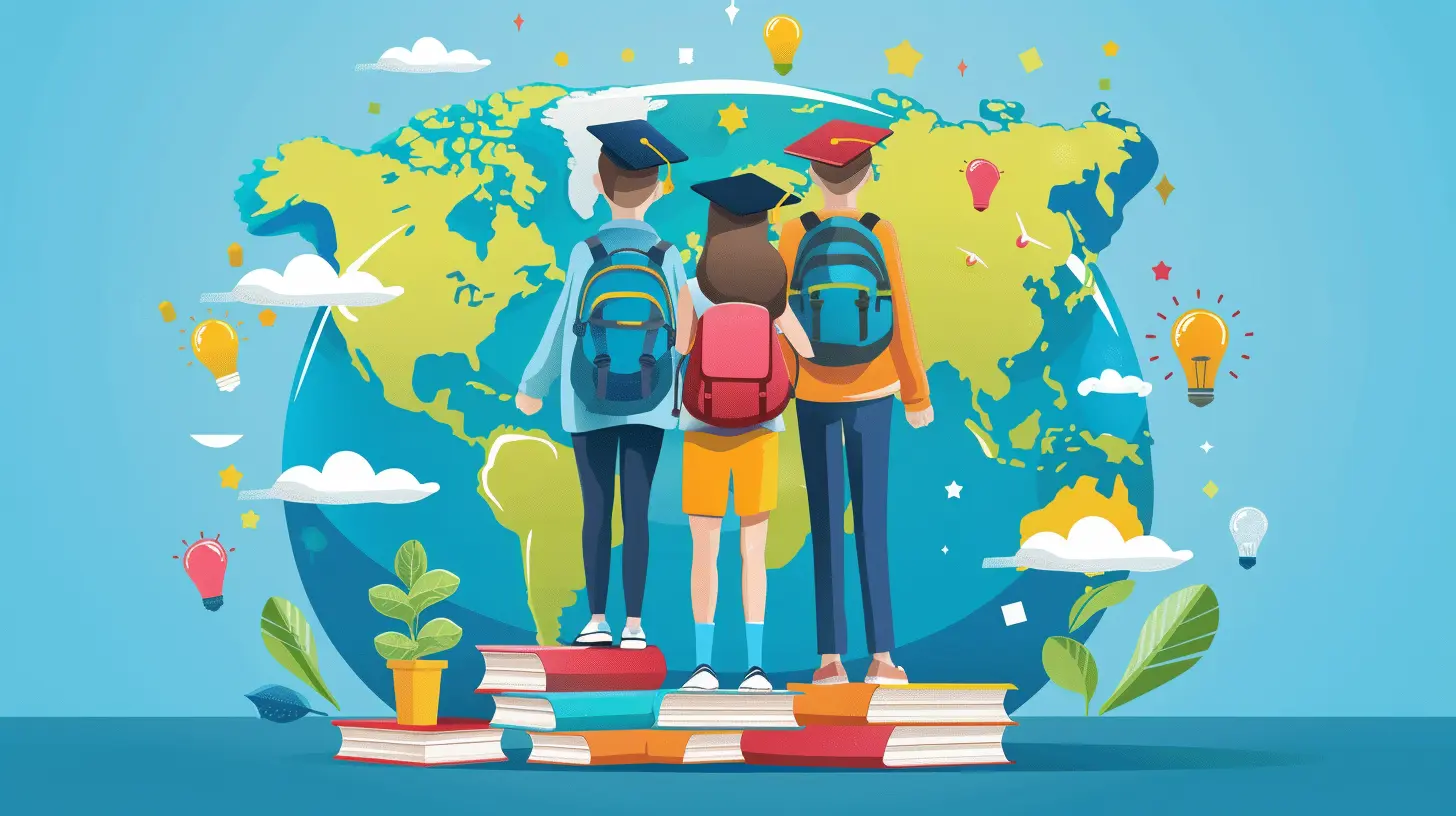
Why Personal Development Matters
Before we jump into the heart of it, let’s talk about what we actually mean by “personal development.”We’re talking confidence, independence, adaptability, emotional intelligence, and a whole lot more. Basically, it’s how we grow as individuals when we face new challenges and learn to navigate the world on our own. Student exchange programs can fast-track this kind of growth like few other things can. You’re learning outside the classroom—in the wild, unpredictable setting of real life.
1. Boosting Confidence Like Never Before
Remember that awkward feeling on your first day at a new school? Now multiply that by 100. You’re not just walking into a new classroom—you’re walking into a new culture.Most exchange students will tell you they were absolutely terrified at first. But guess what? Over time, they figured it out. Whether it's ordering street food in a new language or giving a class presentation in front of strangers, these small victories add up.
Each challenge conquered is a confidence boost you carry for a lifetime.
By the end of the program, students often walk away stronger, bolder, and more sure of themselves. It’s like they’ve unlocked a version of themselves they didn’t even know existed.
2. Gaining a Whole New Level of Independence
Let’s be real—moving to a new country without your parents? That’s intense.Suddenly, you're the one in charge of cooking (or ordering takeout), finding your way around, doing your laundry, managing local currency, and maybe even battling homesickness. It’s like adulting 101, but in fast-forward.
Sure, you’ll make mistakes (like hopping on the wrong train or buying sour milk), but you’ll also learn how to bounce back. And that independence? It sticks. It helps students trust themselves in tough situations, long after the program ends.
3. Becoming Culturally Aware and Open-Minded
There’s something incredibly humbling about living in a culture that’s not your own. You start to realize how big (and beautifully diverse) the world really is.Exchange students often go from knowing nothing about another country’s way of life to fully embracing it—food, traditions, beliefs, and all. And in doing so, they develop a strong sense of cultural empathy and respect.
This isn’t just good for personal development—it’s essential in a globally connected world. Employers love it, communities benefit from it, and friendships blossom from it.
4. Strengthening Communication Skills
Think it’s hard to speak in public? Try explaining yourself in a foreign language when there’s a lot riding on it—like getting on the right bus or avoiding allergic reactions at a restaurant.Even students who study in English-speaking countries find that they have to adjust their tone, expressions, slang, or body language to match the local norms.
This improves both verbal and non-verbal communication. Exchange students become more articulate, patient, and effective communicators. And these skills are insanely valuable—at school, at work, and in everyday life.
5. Building Lifelong Friendships
Spending months abroad means forging tight bonds with people from every walk of life—host families, classmates, fellow exchange students, and local friends.These friendships stretch across continents, creating personal global networks. They also teach students how to manage long-distance relationships and stay connected in meaningful ways.
Plus, nothing bonds people quite like being vulnerable together in a totally new place. The laughs, the mistakes, the memories—they're unforgettable.
6. Discovering New Career Paths and Passions
For many students, exchange programs are a turning point. You might go abroad thinking you want to study medicine, and come back obsessed with international relations or sustainable farming.Experiencing a different educational system and way of life can totally shift your goals or help you discover passions you never had a chance to explore back home.
Some students even return home with plans to work internationally or apply their skills in global projects. It’s about broadening your horizon—both literally and metaphorically.
7. Enhancing Problem-Solving and Adaptability
Let’s face it: things don’t always go as planned. You’re going to face weird food, confusing directions, maybe even culture shock or loneliness.But here's the good part—these challenges teach you to adapt on the fly. You figure things out. You become resourceful. You learn to pivot with grace, rather than panic.
This kind of real-world problem-solving is hard to teach in a classroom. But once you’ve mastered it, you’ll be amazed at how this “survival mode” becomes one of your biggest strengths.
8. Developing Self-Awareness and Emotional Intelligence
Living in a new environment makes you reflect more on your beliefs, behaviors, and reactions. Why do I feel this way? Why do I do things differently?This kind of introspection leads to greater self-awareness, which is key for emotional intelligence. You start to understand your emotions better, manage stress better, and respond to others more empathetically.
You also start to question your assumptions about the world—and about yourself. That’s personal growth 101.
9. Sharpening Time Management and Organizational Skills
When you’re studying abroad, especially for the first time, managing your time becomes a necessary skill. You have to balance classes, meet new people, explore the city, stay in touch with family, and maybe even pick up an internship or side project.It’s a juggling act, and it turns even the most laid-back students into time management pros. You get better at setting priorities, making plans, and sticking to schedules—all without anyone breathing down your neck.
10. Returning Home with a Fresh Perspective
Coming home after a student exchange? Total reverse culture shock.You’re not just seeing your home with new eyes—you’re seeing yourself differently. You notice things you took for granted. Your values may shift. You may start advocating for global issues or find yourself more curious and compassionate in day-to-day life.
And perhaps the most beautiful thing? You realize growth isn't always visible on the outside—but inside, you've changed in ways that will shape your future deeply and permanently.
Final Thoughts: It's More Than Just a Trip
Let’s be honest: student exchange programs aren’t always easy. You’ll face plenty of ups and downs. But those very challenges are what make the experience so powerful for personal development.You’re not just collecting passport stamps. You’re collecting skills, memories, friendships, and perspectives that will guide you for years to come. You’ll return home a little braver, a little wiser, and a whole lot more you.
So if you’re even slightly considering joining a student exchange program, here’s your sign: do it. The growth is real, the impact is lasting, and the journey is totally worth it.
Frequently Asked Questions (FAQs)
Q1: Can a short-term student exchange program still impact personal development?Absolutely! Even a few weeks can offer valuable life lessons, especially if you're open to new experiences and challenge yourself to adapt.
Q2: What age is best for joining a student exchange program?
There’s no one-size-fits-all. High school and university years are very popular, but even postgrads or gap year students can benefit tremendously.
Q3: How do student exchange programs affect future job prospects?
Big time. Employers love to see adaptability, communication skills, and global perspectives—all of which exchange programs provide in spades.
Q4: What if I don’t speak the local language?
No worries—most programs offer support, and many host families or universities understand English. Plus, it's a fantastic way to learn fast!
all images in this post were generated using AI tools
Category:
Student Exchange ProgramsAuthor:

Fiona McFarlin
Discussion
rate this article
2 comments
Mateo Reese
Great article! Student exchange programs are like magical adventures that not only broaden horizons but also enrich personal growth. Embracing new cultures and friendships can transform perspectives, making us more adaptable and open-minded. So, pack your bags and dive into the world—amazing experiences await! 🌍✨
March 29, 2026 at 12:02 PM
Fiona McFarlin
Thank you! I'm glad you enjoyed the article. Student exchange programs truly are transformative experiences that foster growth and cultural understanding. 🌍✨
Gabrielle Holland
Exchange programs: where growth and adventure go hand in hand!
March 27, 2026 at 3:27 AM
Fiona McFarlin
Absolutely! Exchange programs truly offer a unique blend of personal growth and exciting experiences that shape students in meaningful ways.