The Environmental Impact of Student Exchange Programs: What You Can Do
5 January 2026
Student exchange programs open doors to new cultures, perspectives, and personal growth. They allow students to experience life in another country, gain global exposure, and build lifelong memories. But have you ever thought about the environmental impact of these programs?
With frequent air travel, increased energy consumption, and waste production, student exchanges leave a significant carbon footprint. But don’t worry—there are steps you can take to reduce your impact while still making the most of your exchange experience.
In this article, we’ll dive into the environmental impact of student exchange programs and practical ways you can minimize your footprint. 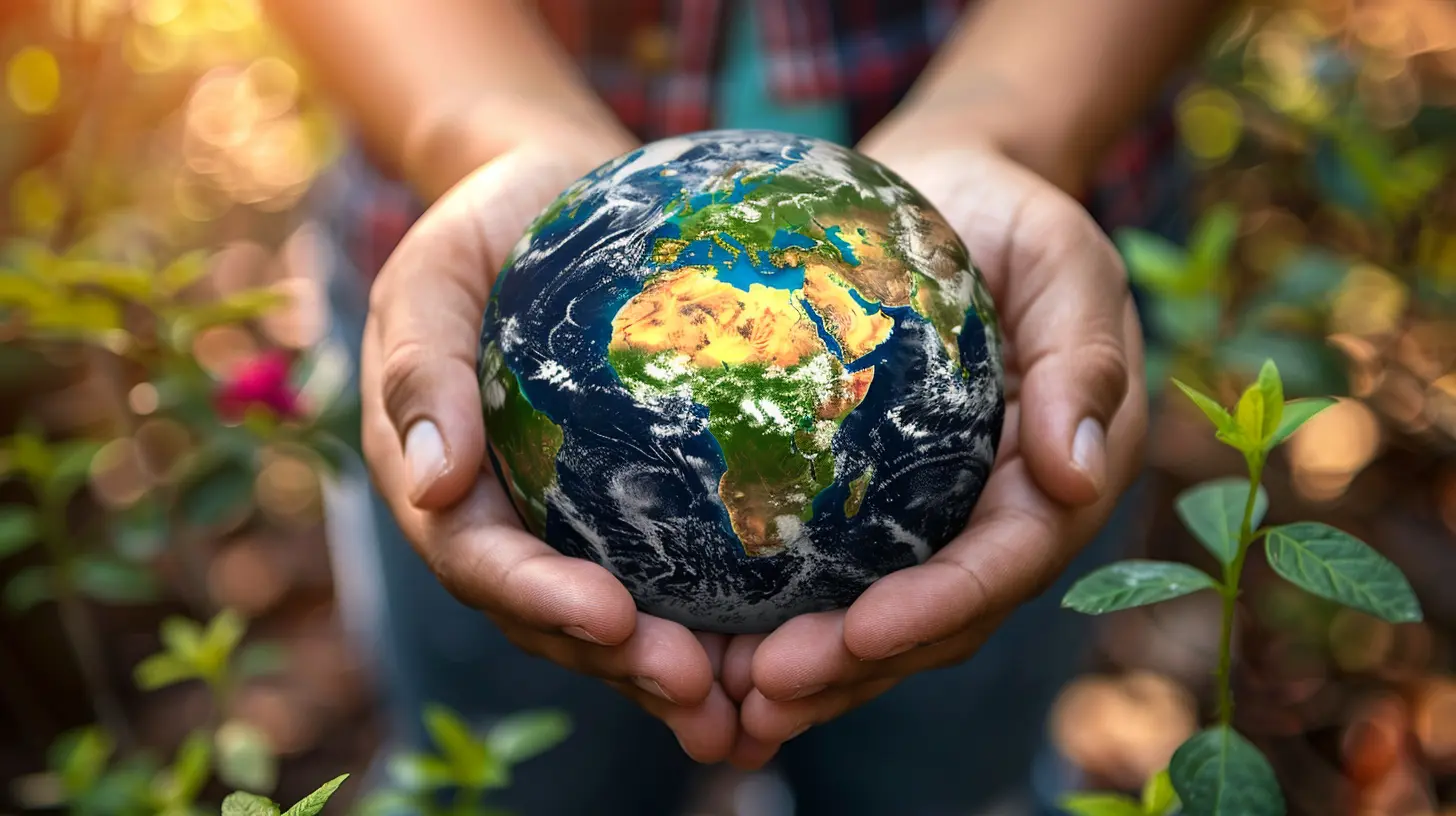
The Carbon Footprint of Student Travel
Flights and Their Environmental Cost
Let’s be honest—international travel is exciting. But the reality is, flying is one of the biggest contributors to carbon emissions. A single long-haul flight can produce more CO₂ per passenger than some people generate in an entire year!Exchange programs often involve multiple flights, whether for initial travel, trips home, or exploring nearby countries. While transportation is essential, it’s crucial to be mindful of the emissions your trips generate.
Other Forms of Transportation
Flying isn’t the only mode of transport contributing to carbon emissions. Trains, buses, and car rentals also leave a footprint. While they might be lower-impact than planes, frequent travel—especially in private vehicles—still adds to environmental damage.The good news? Some transportation methods are far greener than others. Trains and buses tend to be much more eco-friendly than planes and cars. Walking or cycling when possible is even better! 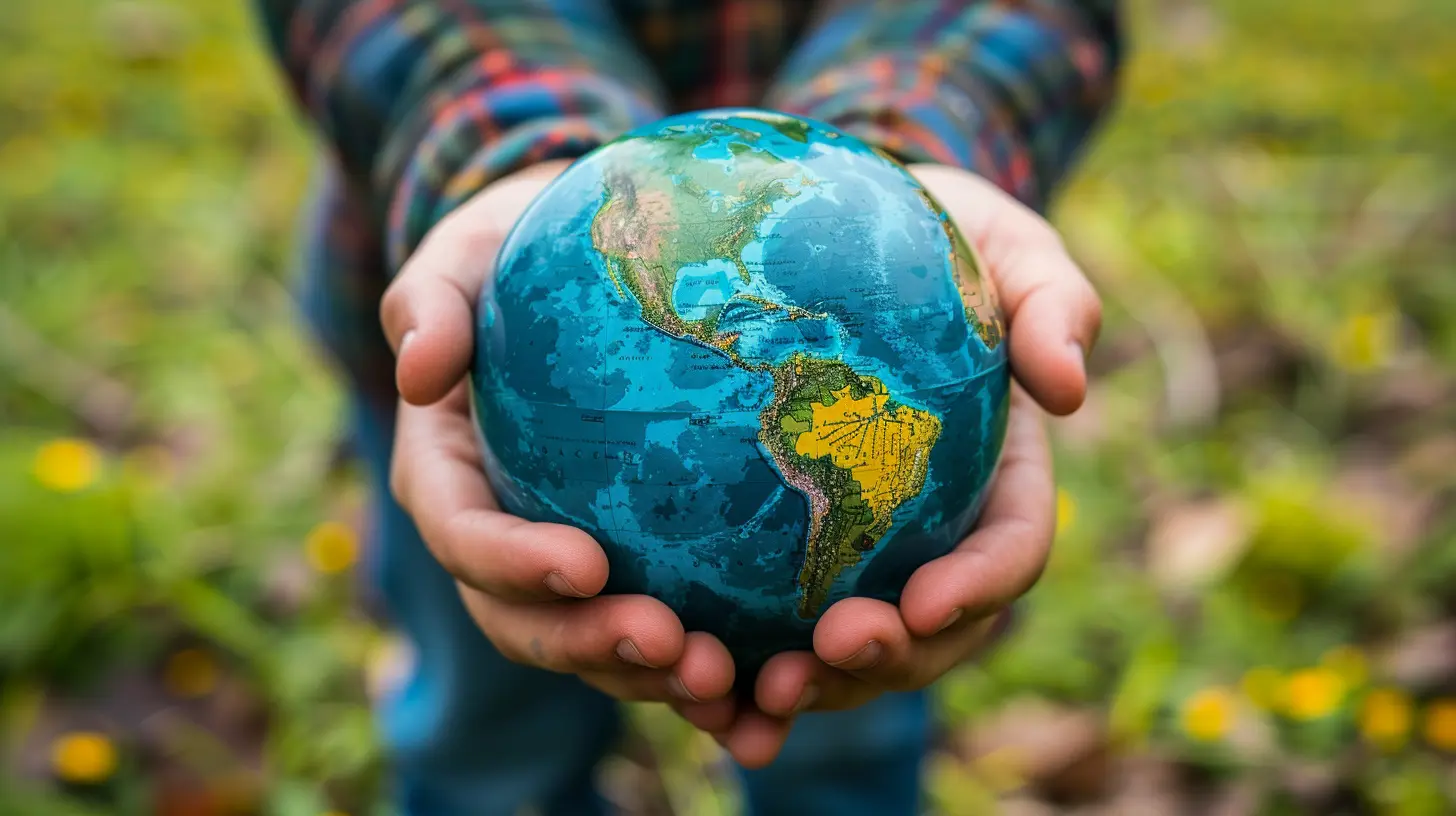
The Hidden Environmental Costs of Living Abroad
Energy Consumption
Living in student housing or homestays often means increased energy and water consumption. Many students don’t realize how much electricity, heating, and water they use daily—especially when living in a shared space.Simple habits like turning off lights, unplugging chargers, and taking shorter showers can significantly reduce energy and water waste.
Food Waste and Consumption
Trying new foods is one of the best parts of studying abroad. But being in a new country can also lead to more food waste. Unfamiliar portion sizes, difficulty storing leftovers, or simply not knowing how to cook local ingredients can result in wasted food.Additionally, imported foods have a much larger carbon footprint than locally sourced options. Choosing local, seasonal produce can help cut down on emissions and support sustainable food systems.
Plastic and Waste Generation
When living in a new country, convenience is king—grab-and-go meals, single-use plastics, and disposable packaging often become part of daily life. Unfortunately, this leads to increased waste production.Some countries might not have advanced recycling systems, making it even more important to reduce waste from the start. Reusable water bottles, shopping bags, and containers can make a big difference in reducing plastic waste abroad. 
How to Reduce Your Environmental Impact During Your Exchange
Choose Greener Travel Options
- Fly Smart: If you must fly, choose airlines that offer carbon offset programs. Direct flights are also better since takeoff and landing use the most fuel.- Use Public Transportation: Instead of renting a car, consider trains, buses, or ridesharing. Walking and cycling are even better options for short trips!
- Travel Locally: Instead of hopping on a plane for every weekend trip, find exciting destinations closer to your host city. You’ll be surprised at the hidden gems nearby.
Be Energy and Water Conscious
- Unplug Devices: Many electronics use power even when turned off. Unplugging devices can reduce "phantom energy" consumption.- Turn Off Lights and AC: Only use lights, heating, or air conditioning when necessary. A little mindfulness goes a long way.
- Reduce Water Waste: Showers, laundry, and dishwashing can add up. Try taking shorter showers and washing laundry in full loads.
Eat and Shop Sustainably
- Buy Local: Support farmers' markets and small grocers instead of chains that import food.- Eat Less Meat: Meat production is a significant contributor to greenhouse gas emissions. Even cutting back a little can make a difference.
- Plan Your Meals: Reduce food waste by planning meals and storing leftovers properly.
Minimize Waste and Plastic Use
- Carry a Reusable Water Bottle: Buying bottled water regularly adds up. Many places have refill stations, so keep a reusable bottle handy.- Use Reusable Bags and Containers: Whether you’re grabbing takeout or shopping, bring your own containers and bags to cut down on single-use plastics.
- Recycle Properly: Learn your host country’s recycling rules. Not all recycling systems are the same, so be sure to dispose of waste correctly.

Encouraging Sustainable Practices in Exchange Programs
Universities and Exchange Organizations Must Step Up
While individual actions matter, institutions running exchange programs also have a responsibility to promote sustainability.- Promote Virtual Exchange Programs: With technology improving, virtual exchanges can be a great alternative, reducing the need for travel.
- Offer Sustainable Travel Grants: Schools can provide incentives for students who choose eco-friendly travel options.
- Educate Students on Sustainability: Workshops, welcome packets, and pre-departure orientations should include information on sustainable living abroad.
Encouraging Host Families and Student Housing to Go Green
Host families and student accommodations play a crucial role in sustainability. Universities can collaborate with hosts to encourage eco-friendly housing, such as:- Providing recycling bins
- Using energy-efficient appliances
- Encouraging sustainable shopping and eating habits
A Greener Future for Student Exchanges
Student exchange programs don’t have to be harmful to the environment. By making smarter choices—both as individuals and institutions—we can keep these valuable programs going while reducing their ecological impact.Every small effort counts. Whether it’s choosing public transport, cutting down on plastic waste, or supporting local food markets, your actions add up. So, next time you embark on an exchange program, consider how you can make your experience not only enriching but also eco-friendly.
After all, the world is a beautiful place—let’s do what we can to keep it that way for future generations of exchange students!
all images in this post were generated using AI tools
Category:
Student Exchange ProgramsAuthor:

Fiona McFarlin
Discussion
rate this article
2 comments
Alanna Kane
Transforming minds abroad shouldn't cost the Earth—let's innovate sustainably!
January 25, 2026 at 4:39 AM
Fiona McFarlin
Absolutely! Embracing sustainable practices in student exchange programs is key to minimizing their environmental impact while fostering global connections. Let's prioritize innovation for a greener future!
Uzi McCarty
This article raises fascinating points about the environmental effects of student exchange programs. I'm eager to learn more about practical steps we can take to minimize our ecological footprint!
January 7, 2026 at 11:44 AM
Fiona McFarlin
Thank you for your interest! In the article, we explore practical steps such as opting for eco-friendly travel options, promoting local exchanges, and encouraging virtual exchange programs to reduce our ecological footprint.