How Geography Determines the Fate of Nations
21 December 2025
When we think about history, wars, economies, and politics often take center stage. But have you ever paused to consider how deeply geography shapes a nation's destiny? From towering mountain ranges to vast coastlines, the natural landscape plays a huge role in influencing who thrives and who struggles.
So, how does geography determine the fate of nations? Let’s dive in and uncover this fascinating connection between land, people, and power. 
The Silent Architect of Nations
While leaders and decisions matter, geography quietly lays the foundation for a country's success—or hardship. Imagine geography as an invisible hand, guiding history’s course. Sounds dramatic? Well, it is!Some nations seem destined for prosperity, thanks to rich natural resources, fertile lands, and strategic locations. Others battle harsh climates, lack of access to trade, or hostile neighbors. Geography isn’t just about maps and mountains—it’s about survival, wealth, and political power. 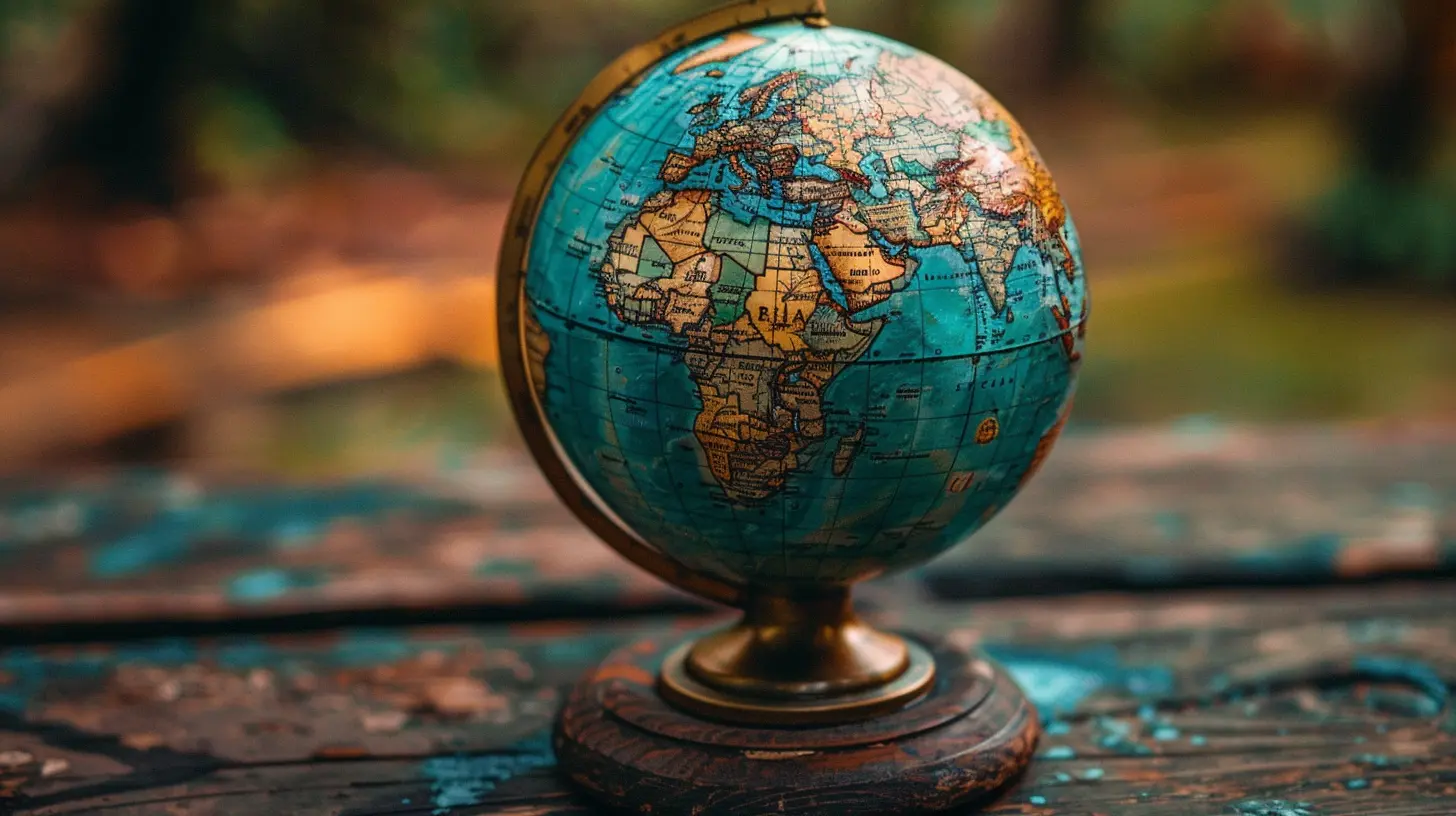
The Role of Mountains, Rivers, and Oceans
Let’s break it down. Some geographical features give nations a head start, while others create challenges that are tough to overcome.Mountains: Barriers and Protectors
Mountains can be both a blessing and a curse. Countries with rugged mountain ranges—like Switzerland—have historically been tough to invade. Their geography acts as a natural fortress, making them difficult targets for enemy forces.But there’s a downside. Mountains also isolate regions, making it harder for trade, agriculture, and infrastructure to develop. Just think about countries like Nepal or Afghanistan, where towering peaks have limited economic growth despite their rich cultures.
Rivers: Highways of Civilization
Now, rivers? They’re goldmines for a thriving nation. Throughout history, the world’s greatest civilizations—Egypt, Mesopotamia, China—flourished along mighty rivers.Why? Rivers provide water for agriculture, a means of transport, and fertile soil. Look at the Mississippi in the U.S. or the Yangtze in China—both have been crucial in shaping their countries' economies and connections.
Oceans: Gateways to Trade and Power
Coastal access is often the difference between a rich nation and a struggling one. Countries with long coastlines—like the United States, the United Kingdom, and Japan—dominate global trade. The ability to send ships across the world opens doors to economic and military power.On the flip side, landlocked nations—such as Bolivia or Chad—struggle with trade limitations. Without direct access to the sea, they’re forced to rely on neighbors for imports and exports, which can be both expensive and politically tricky. 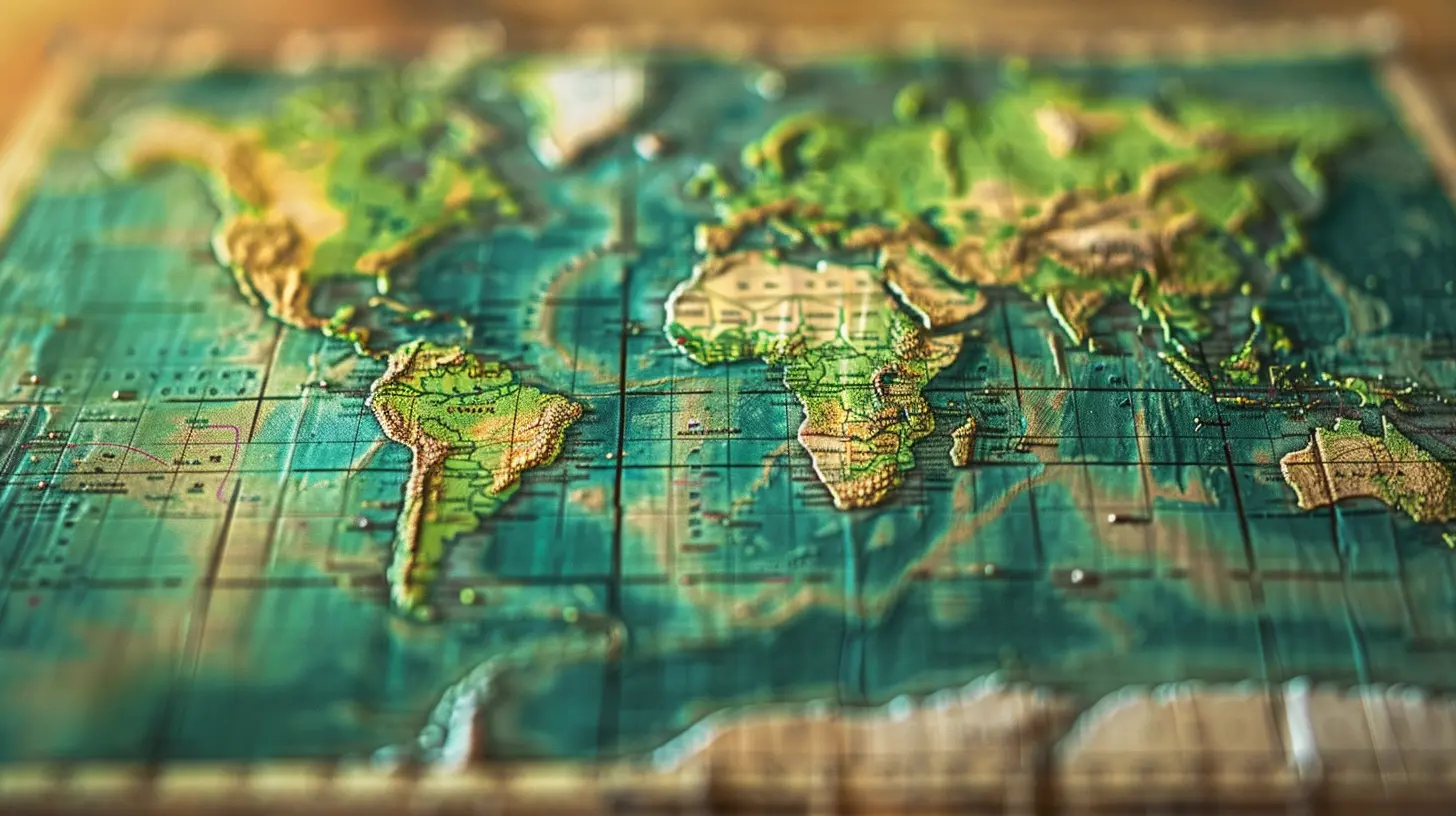
Climate: The Invisible Influence
Ever wondered why certain regions dominate global economies while others lag behind? Climate plays a bigger role than you might think.Tropical Struggles vs. Temperate Success
History shows a pattern: Many of the world's richest nations have temperate climates (think the U.S., Germany, or Canada). Why? These regions typically have fertile soil, stable weather, and fewer disease outbreaks.In contrast, tropical nations often battle extreme heat, unpredictable rainfall, and diseases like malaria. This makes agriculture more challenging and affects overall productivity. It’s not about bad luck—it’s geography shaping reality.
Natural Disasters: A Constant Battle
Some countries must constantly recover from hurricanes, earthquakes, or floods. Japan sits on the Pacific Ring of Fire, making it prone to earthquakes and tsunamis. Bangladesh faces devastating floods nearly every year. These disasters not only cost lives but also drain national resources.
Natural Resources: A Blessing or a Curse?
At first glance, nations rich in oil, minerals, or fertile lands seem lucky. But is it always an advantage? Not necessarily.The Resource Curse
You’d think having oil or gold would make a country powerful. But in some cases, it leads to corruption, conflict, and economic instability—this is called the "resource curse." Countries like Venezuela and Nigeria have vast oil reserves, yet their economies suffer due to mismanagement and political instability.Examples of Resource Wealth Done Right
On the other hand, nations like Norway and Canada have used their resources wisely, investing in education, infrastructure, and long-term economic plans. It’s not just about having resources—it’s about managing them properly.Strategic Location: A Game-Changer
Some countries are lucky enough to sit at the crossroads of global trade. Others are stuck in geographic isolation.The Power of Trade Routes
Being in the middle of global trade routes has historically turned nations into superpowers. Take Singapore—a tiny island nation—but because of its position in Southeast Asia, it became one of the richest countries in the world.Similarly, Turkey has long been a bridge between Europe and Asia, making it a key player in geopolitics for centuries.
Geographic Isolation: The Struggle to Connect
Meanwhile, places like Mongolia struggle due to geographical isolation. Sandwiched between powerful neighbors (Russia and China), Mongolia has difficulty accessing global markets.Geopolitics: When Geography Meets Politics
Geography doesn’t just shape economies—it also influences politics, conflicts, and alliances.The Importance of Buffer States
Countries positioned between powerful nations often act as buffer zones. Ukraine, for example, sits between Russia and Western Europe, making it a focal point for geopolitical tensions.Natural Borders and Conflicts
Many wars have been fought over geographical borders. Just look at India and China—they share rugged Himalayan borders, leading to frequent disputes. Similarly, the U.S.-Mexico border remains a point of political tension due to migration and security concerns.Can Geography Be Overcome?
If geography is so important, can nations rise above their geographical limitations? The answer is—yes, but it’s not easy.Technology and Infrastructure
Advancements in technology have allowed nations to overcome geographic challenges. The Netherlands, for example, battles constant flooding but has built an incredible system of dams and levees to keep the sea at bay.Similarly, Japan—a country with little arable land—has embraced technology to maximize food production and innovation.
Globalization and Trade Networks
In today's world, even landlocked nations can thrive by creating strong trade agreements. Countries like Switzerland and Rwanda have developed strong banking and service industries despite their geographic disadvantages.Final Thoughts: Geography’s Lasting Impact
At the end of the day, geography is like an unseen force shaping the destiny of nations. It influences economies, politics, trade, and even culture. While human innovation can help overcome challenges, the land we live on still plays a massive role in determining success or struggle.So next time you look at a map, don’t just see borders—see the stories, struggles, and successes that geography silently tells about the world.
all images in this post were generated using AI tools
Category:
Social StudiesAuthor:

Fiona McFarlin
Discussion
rate this article
2 comments
Vito McClary
Geography is destiny. Nations rise or fall based on their landscapes, resources, and location. Ignoring these facts is a grave oversight in understanding global dynamics.
December 30, 2025 at 12:34 PM
Fiona McFarlin
Absolutely, geography plays a crucial role in shaping nations' destinies by influencing their resources, trade routes, and vulnerability to external threats. Understanding these geographical factors is essential for grasping global dynamics.
Sorin Ford
Geography: destiny's ruthless, invisible hand.
December 24, 2025 at 4:27 AM
Fiona McFarlin
Thank you for your insightful comment! Geography indeed plays a crucial role in shaping nations' destinies, influencing their resources, culture, and strategic opportunities.