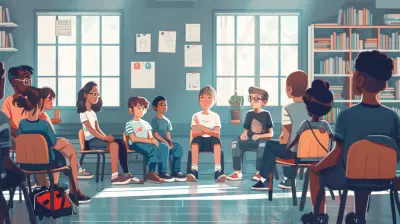
Teaching Empathy and Cooperation Through Group Work
11 March 2026
Ah, group work—the mere mention of it either makes students cheer or groan louder than a zebra caught in a traffic jam. But here's the thing: there’s more to group projects than awkward silences, one overachiever doing all the work, and that one kid who mysteriously disappears until presentation day (we see you, Chad).
Beneath the surface of these sometimes chaotic, occasionally caffeine-fueled collaborations lies a golden opportunity—yep, we’re talking about teaching empathy and cooperation. And let me tell you, those two are the unsung heroes of both classrooms and life.
So, buckle up, fellow educators, parents, and curious internet surfers! We’re diving deep (but fun-ly, promise) into how group work helps build empathy and cooperation and how you can make it less like herding cats and more like leading a rock band to greatness.
What’s the Big Deal About Empathy and Cooperation?
Let’s break this down like a late-night infomercial host.Empathy: It’s the magical skill of understanding and sharing someone else’s feelings. Essentially, it’s putting yourself in someone else’s shoes—hopefully not their smelly gym shoes though.
Cooperation: This is all about working together, sharing responsibilities, and not acting like a clingy koala who hogs all the eucalyptus (or in this case, all the responsibilities).
These two go together like peanut butter and jelly, Batman and Robin, or Netflix and bad decisions. They're essential in the classroom, in the workplace, and basically anywhere humans have to interact for more than two seconds.
Group Work: A Messy But Mighty Tool
Group work, when done right, is a teacher’s secret weapon. Think of it like broccoli baked into brownies—it gives students something good without them realizing it right away.By putting students in teams, you’re not just assigning a PowerPoint. You’re orchestrating a grand human experiment in communication, emotion, and shared goals. And yeah, sometimes that experiment blows up, but that's all part of the fun (and learning).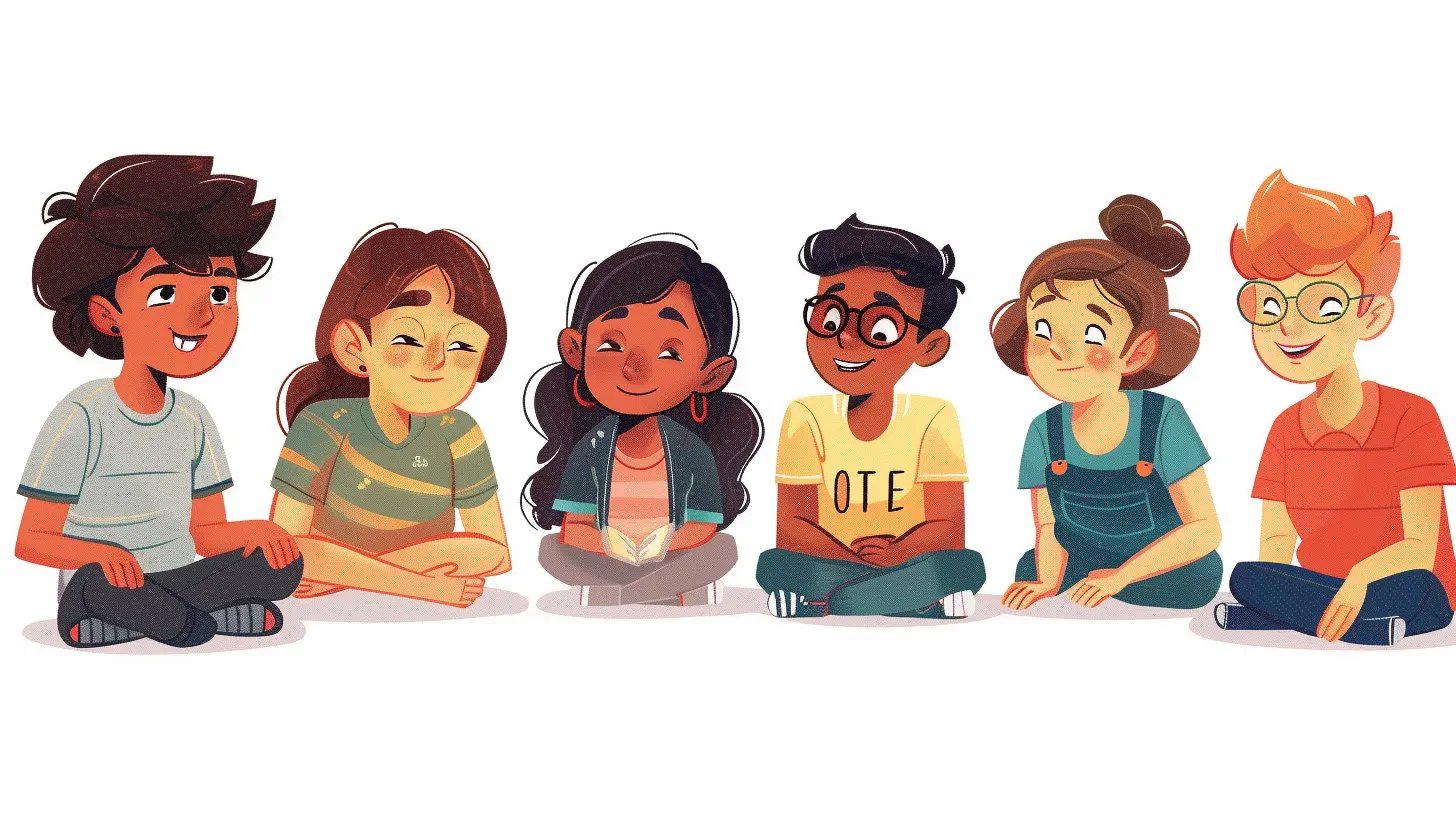
How Group Work Builds Empathy (Without the Cringe)
1. It Forces Face-to-Face Real Talk
Imagine this: Student A is really struggling to get their ideas across. Student B, initially annoyed, starts to realize that it’s not laziness—it’s anxiety. Boom. Empathy unlocked.Group work creates these teachable moments like popcorn in a microwave—quick, unplanned, and sometimes loud. When students talk through problems, frustrations, or ideas, they get a peek into someone else’s world.
2. Encourages Perspective-Flipping
Have you ever stood in someone else's shoes and thought, “Oh man, these are really tight”? That’s what happens when students work closely with peers from different backgrounds, learning styles, or personality types.Group work makes students consider alternate viewpoints. Even if they don’t always agree, they learn that other people’s experiences matter—kind of like realizing pineapple on pizza isn't a crime against humanity for everyone.
3. Builds Tolerance for Mistakes and Growth
In a group setting, mistakes are inevitable. Someone forgets the due date. Someone botches a slide. Someone accidentally deletes the shared file (deep breaths).But guess what? These oopsies can actually strengthen empathy. When students stop playing the blame game and start helping each other correct mistakes, they’re learning emotional intelligence on the fly.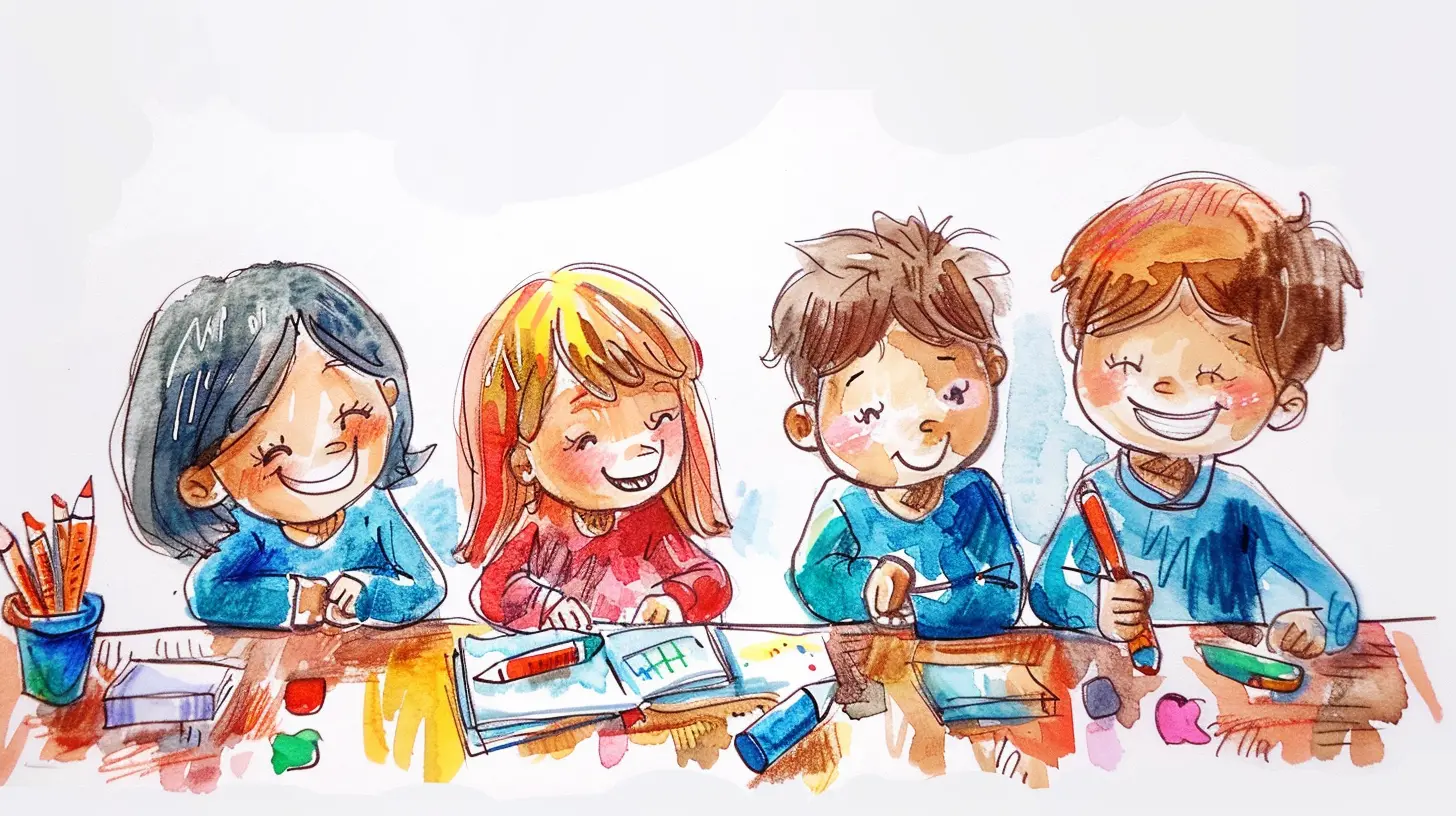
Cooperation: Teamwork Makes the Dream Work (Cliché, but True)
1. Shared Goals = Shared Responsibility
When students know their grade depends not just on their own work but on the group’s overall product, it lights a fire under their motivation engines. Cooperation becomes less of an option and more of a survival skill.And suddenly, everyone’s using Google Docs like it’s a sacred text.
2. Roles Teach Accountability (and Avoid Group Project Rage)
Assigning roles sounds bureaucratic, but it works. Whether it’s the researcher, the presenter, the graphic designer, or the snack-bringer (hey, every group needs one), knowing what you're responsible for keeps everyone in line.It reduces finger-pointing, helps quieter students find their groove, and increases the chances of friendship over feuding.
3. Conflict? Good. Seriously.
Let’s be real: No group project comes without at least one disagreement. And while that may trigger flashbacks of middle school drama, it’s actually a goldmine for teaching conflict resolution.Students learn to compromise, communicate assertively, and not take things personally. It’s basically low-stakes therapy with a side of pie charts.
Real-Life Classroom Tips to Supercharge Group Work
Alright, theory’s fun and all, but how do we make this magic happen in the day-to-day madness of teaching? Grab your metaphorical tool belt—here come the practical hacks.1. Icebreakers That Don’t Suck
Start with a quick, silly activity that gets students talking. Think: “Two truths and a lie,” “Draw your dream sandwich,” or “Invent a ridiculous superhero team.” It breaks down walls faster than an over-caffeinated wrecking ball.2. Rotate Roles Like a DJ Spinning Tracks
Don’t let students get stuck in the same role every time. Let the introvert try presenting one day, or the class clown take notes (gasp!). Role rotation helps students build new skills and appreciate their teammates’ contributions.3. Reflect After Every Project (Yes, Every Time)
End group assignments with a reflective check-in. Let students share what worked, what didn’t, and how they felt about their group's dynamic. Bonus points if they do it in comic strip form or a TikTok-style video.This encourages metacognition (aka thinking about thinking) and shows them that emotional growth is just as important as academic achievement.
4. Teach “I-Statements” and Active Listening
Equip students with communication tools. Teach them to say “I felt frustrated when…” instead of “You’re the worst group member ever!” It’s like handing them a sword made of kindness and understanding.Also, teach active listening. This means nodding, eye contact, and actually hearing what the other person says—not planning your rebuttal mid-sentence like a debate champion.
The Long-Term Payoff: Empathetic, Cooperative Humans (A.K.A. The Dream)
Group work isn’t just about finishing a science project or surviving Shakespeare analysis. It's about shaping students into people who can thrive outside the classroom—at work, in relationships, and around that one uncle who always starts awkward political debates at Thanksgiving.When students learn to care about other people’s feelings and work together toward a common cause, they become better citizens, teammates, and, frankly, more pleasant humans to be around.
So the next time your class groans at the mention of “group project,” smile like a cat who knows something they don’t. Because you’re not just assigning work. You’re shaping hearts, minds, and future office Zoom call MVPs.
Frequently Asked Questions (For Curious Cats and Concerned Teachers)
🧠 Isn’t group work just an excuse for slackers to let others do the job?
It can be—if you don’t structure it well. Assigning roles, having regular check-ins, and peer evaluations help ensure everyone pulls their weight without the drama of calling HR.💬 What if students just fight the whole time?
Congratulations, you’ve stumbled upon a teachable moment! Teach conflict resolution skills and mediate where needed. Remember, even arguments build empathy when handled right.🙋 What about introverted students?
Introverts often thrive when given clear tasks within a group. Offer options like note-taking, research, or designing visuals. Let them find their groove without pressure to perform like a Broadway star.Final Thoughts: The Beautiful Chaos of Group Work
Group work isn’t easy. It’s messy, unpredictable, and occasionally powered by caffeine and sheer will. But it’s also one of the richest, most authentic ways to teach students empathy and cooperation.By creating space for collaboration, communication, and (let’s be honest) a lot of trial and error, we equip our students with life-long tools. The kind that won’t just help them ace a test, but also help them work with others, understand different perspectives, and become better humans.
So next time you hand out a group assignment, do it with a wink and a grin. You’re not just teaching the curriculum. You’re planting the seeds of empathy and teamwork in the fertile, chaotic soil of group work.
Happy collaborating!
all images in this post were generated using AI tools
Category:
Group WorkAuthor:

Fiona McFarlin
Discussion
rate this article
2 comments
Kaleb Patterson
This article highlights the essential role of group work in fostering empathy and cooperation among students. However, it’s crucial to address the challenges of diverse group dynamics, as unequal participation can hinder these goals. Implementing structured roles and reflective practices could enhance the effectiveness of group work in teaching these vital skills.
March 19, 2026 at 4:48 AM
Fiona McFarlin
Thanks for your insights! You're right, addressing diverse dynamics is key. Structured roles can really help balance participation and boost those essential skills. Appreciate your feedback!
Atlas Henson
Great article! Teaching empathy and cooperation through group work is like planting seeds for a brighter future. Collaborating in teams not only builds friendships but also nurtures essential life skills. Let’s inspire our students to connect, communicate, and create together. Together, we can cultivate a more compassionate world! 🌟
March 13, 2026 at 3:41 AM
Fiona McFarlin
Thank you for your thoughtful comment! I completely agree—group work is a powerful way to foster empathy and cooperation among students, paving the way for a more compassionate future. 🌱