Personalizing Education through Blended Learning
4 February 2026
We’ve all heard it before—“education isn’t one-size-fits-all.” But let’s face it, for far too long, traditional teaching methods have treated it like it is. Rows of students, chalkboard lectures, standardized tests...sound familiar? Thankfully, the world of education is shifting. And at the heart of this transformation is blended learning—a powerful combo of tech and human touch that’s making education more personal, more flexible, and a whole lot more exciting.
In this article, we're diving deep into what blended learning really means, why it's a game-changer, and how it’s reinventing the way we teach and learn. So grab a cup of coffee (or tea if that's your jam), and let's chat about how we’re turning classrooms into communities and lessons into life-changing experiences.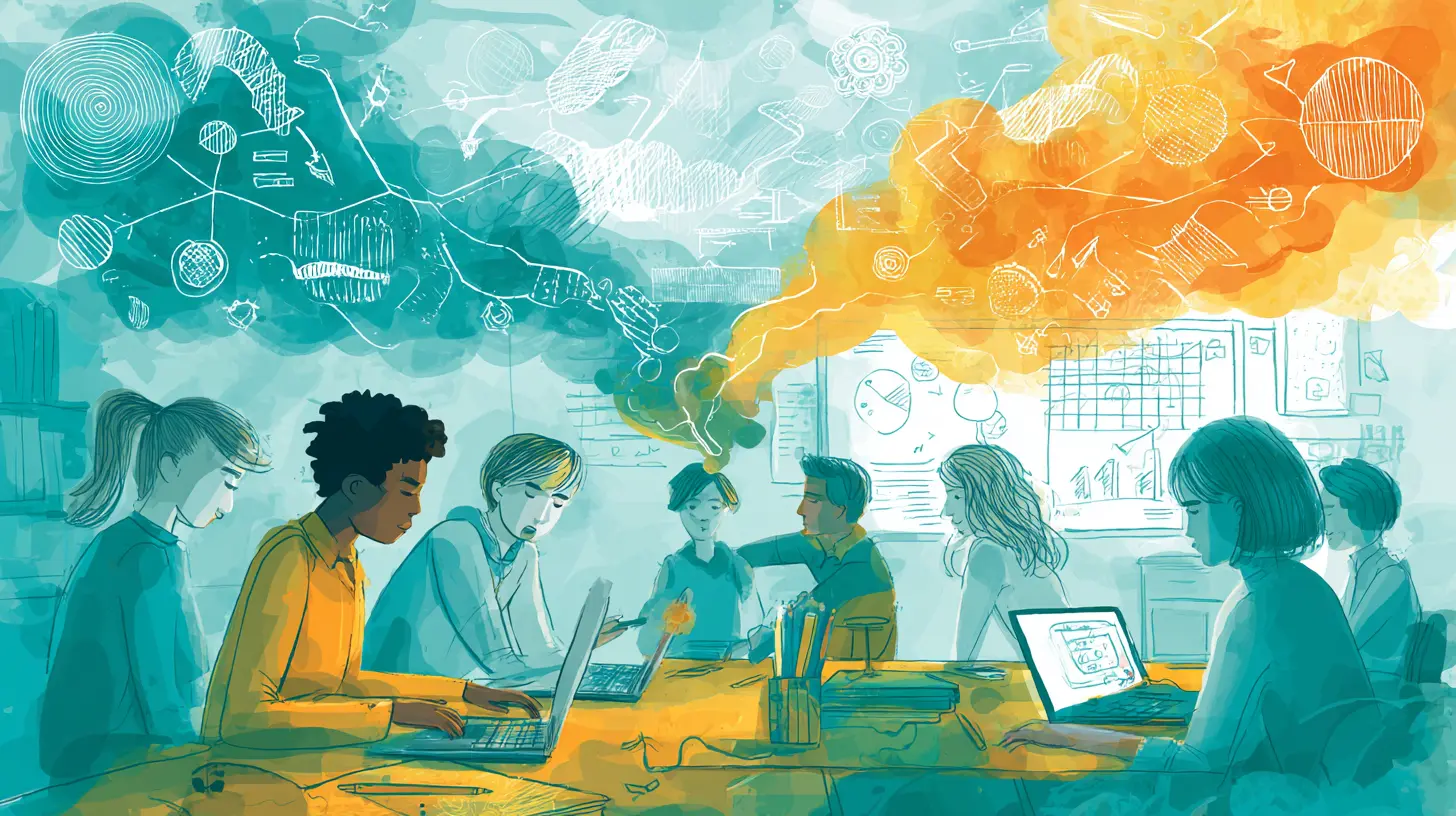
What Is Blended Learning, Anyway?
Let’s start with the basics. Blended learning is like the best of both worlds. It's where traditional face-to-face teaching meets online learning. Picture a classroom where students use video lessons, interactive tasks, or learning apps alongside direct instruction from a teacher. It's not just about putting tech in the mix—it's about using it purposefully to personalize the learning journey.Instead of students all moving at the same pace, blended learning allows them to go at their own speed. Need more time on algebra? No problem. Already mastered the basics of grammar? You can move ahead. It’s like having a learning playlist tailored to your needs, strengths, and interests.
Why Do We Need to Personalize Education?
Let’s be honest—people learn differently. Some of us are visual learners, others love hands-on activities, while some prefer listening. Sadly, most traditional classrooms are built for the “average” student—whatever that means—and leave the rest behind in the dust.Personalizing education means recognizing that every student is unique. It's like fitting kids with their own academic GPS, guiding them toward their goals in the way that works best for them. That’s where blended learning steps in like a superhero.
The Core Benefits of Blended Learning
So, why exactly is blended learning catching fire in the education world? Because it brings a ton of benefits for students, teachers, and even parents. Let's break it down.1. Flexibility That Fits Every Learner
Imagine being able to pause and rewind your teacher. Sounds cool, right? With online components of blended learning, students can review materials anytime, anywhere. This is a game-changer—especially for students who struggle to keep up or need to revisit tricky concepts.2. Learning at Your Own Pace
Some kids grasp a concept in five minutes; others might take five days. And you know what? That’s totally okay. Blended learning gives students the freedom to move at a speed that suits them, reducing stress and boosting confidence.3. Empowering Students to Take Control
Blended learning turns students from passive listeners into active learners. It encourages them to explore, question, and interact with content. Think of it as giving them the steering wheel instead of just letting them sit in the backseat.4. Data-Driven Insights
Teachers aren’t left guessing who’s struggling. With digital tools, they get real-time feedback and analytics about each student's progress. It’s like having x-ray vision into student performance—pinpointing exactly who's excelling and who needs a little extra help.5. Supercharging Teacher Impact
Believe it or not, technology doesn’t replace teachers—it makes them even more effective. Blended learning frees up teachers from repetitive tasks, letting them focus on what they do best: mentoring, motivating, and making real human connections.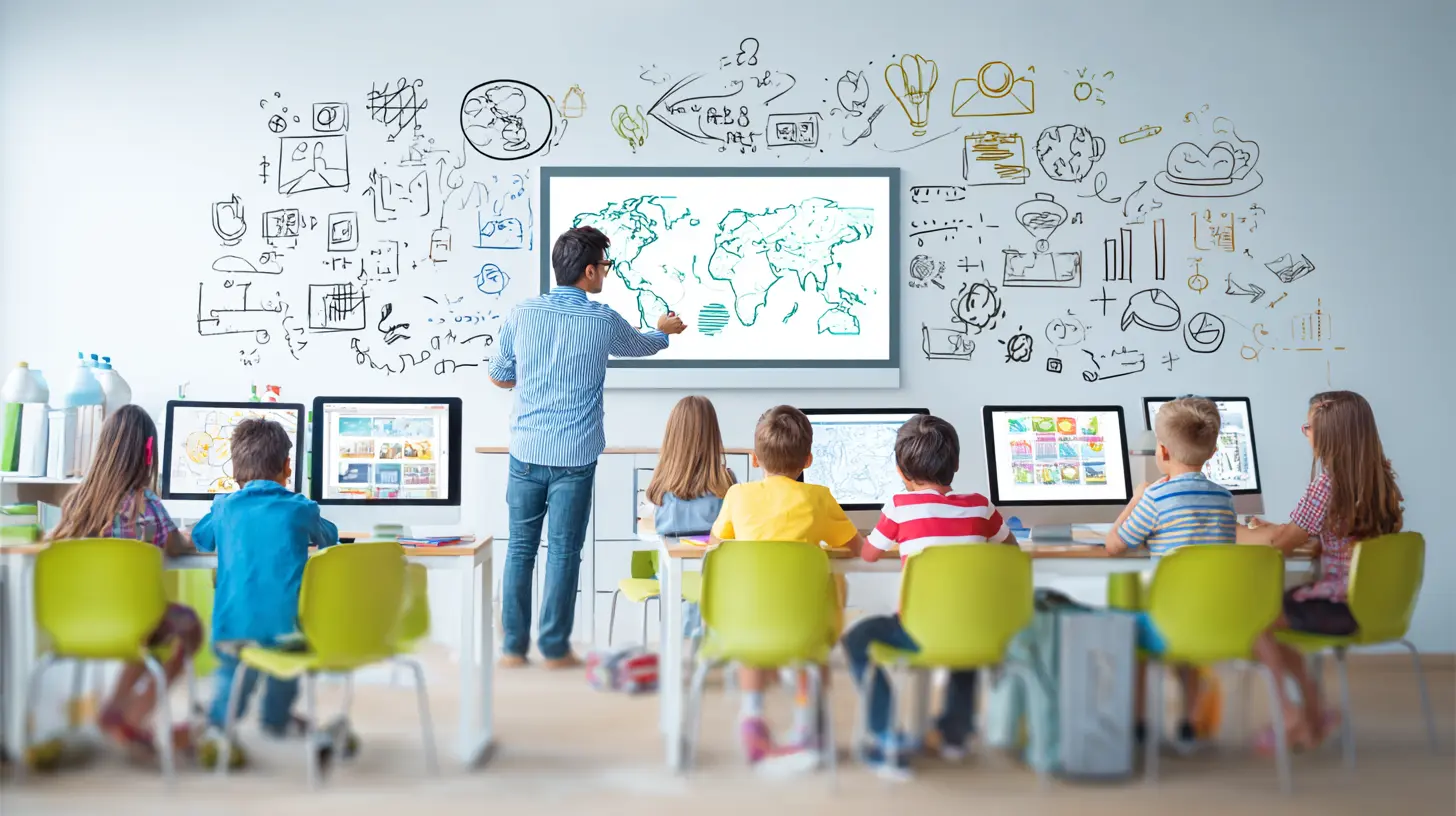
Key Elements of a Successful Blended Learning Model
It’s not just about tossing in a few educational apps and calling it a day. Creating a personalized blended learning environment takes intention, strategy, and yes, heart.1. Clear Learning Objectives
Start with the end in mind. What should students know and be able to do after the lesson? Clear goals keep both teachers and students focused and can guide the selection of digital tools that actually support learning.2. Student-Centered Design
Put the student at the center of the experience. That means giving them choices, adapting content to their needs, and creating opportunities for voice and agency. School shouldn’t feel like a factory—it should feel like a workshop.3. Seamless Integration of Technology
Technology should enhance learning, not distract from it. The best tools integrate smoothly into lessons and offer meaningful engagement—not just bells and whistles.4. Ongoing Assessment and Feedback
In a blended environment, assessment isn’t a one-and-done. It’s ongoing, formative, and used to guide instruction. Think quizzes, reflections, peer feedback—little checkpoints that help everyone stay on track.Real-World Examples of Blended Learning in Action
Curious about how all this plays out in actual classrooms? Let’s look at a couple of inspiring examples.The Flipped Classroom Model
In this model, students watch video lectures at home and use class time to work on problems, discuss ideas, or collaborate on projects. It flips the traditional model on its head—in the best way.The Station Rotation Model
Here, students move through different learning stations—some online, some teacher-led, some collaborative. It’s dynamic, interactive, and keeps energy high in the classroom.Flex and Enriched Virtual Models
In these approaches, students have more control over time, place, and pace of learning. They may only check in with teachers a few times a week while working independently the rest of the time—perfect for older students or those juggling other responsibilities.Challenges to Watch Out For
Let’s keep it real. Blended learning isn’t all sunshine and rainbows. Like anything worth doing, it comes with its own set of challenges.Digital Divide
Not every student has access to devices or reliable Wi-Fi at home. This digital gap can leave some kids behind. Schools and communities must work together to bridge this divide and ensure equity.Teacher Training
Blended learning requires a shift in mindset—and some serious professional development. Teachers need support to learn new tools and rethink their role in the classroom.Screen Time Concerns
Too much screen time can be a worry. The key is balance. Blended learning should blend, not replace, human connection and offline activities.Tips to Make Blended Learning Work for YOU
Whether you’re a teacher, student, or parent, you can make blended learning your secret weapon. Here's how:- Start small. You don’t have to overhaul everything at once. Introduce a few new tools or methods at a time.
- Get feedback. Regularly ask students what’s working and what’s not. Collaboration is key.
- Celebrate progress. Personalized learning doesn’t mean lonely learning. Make time to recognize growth and milestones.
- Stay flexible. Every class—and every learner—is different. Be willing to adapt along the way.
The Future Is Personal
Here’s the deal: We’re not just teaching information anymore. We’re nurturing curiosity, creativity, resilience, and a love of learning. Blended learning isn’t just a buzzword—it’s the bridge that’s helping us get there.By embracing this approach, we’re saying yes to diversity in learning styles, yes to flexibility, and yes to student empowerment. And above all, we’re saying yes to education that dreams bigger, reaches deeper, and connects more authentically.
Because when learners feel seen, understood, and supported, there’s no limit to what they can achieve.
So, whether you’re an educator looking to reignite your passion, a parent seeking better options for your child, or a student hungry for more meaningful learning—you have a role to play in this revolution. Blended learning is more than a method. It’s a movement. And it’s personal.
all images in this post were generated using AI tools
Category:
Blended LearningAuthor:

Fiona McFarlin
Discussion
rate this article
2 comments
Bethany McLaurin
Blended learning: where ‘homework in pajamas’ meets ‘classroom shenanigans!’ Because who wouldn’t want to discover their inner genius while lounging on the couch and sipping coffee? Education just got a cozy upgrade!
February 23, 2026 at 1:07 PM
Fiona McFarlin
Absolutely! Blended learning merges comfort with creativity, making education more engaging and accessible. Cheers to cozy, innovative learning experiences!
Falkor Kline
Blended learning transforms education into a tailor-made experience, blending the best of digital and traditional methods to cater to diverse student needs. Genius!
February 5, 2026 at 11:19 AM
Fiona McFarlin
Thank you! I'm glad you found the concept of blended learning impactful. It truly offers a unique way to meet diverse educational needs!