The Power of Propaganda: Lessons from History
20 January 2026
Let’s face it — we all like to think we make our decisions based on facts, logic, and reason. But let’s be honest for a second… how often do our emotions, favorite influencers, or flashy headlines guide our opinions? More often than we care to admit, right?
That’s exactly where propaganda sneaks in and flexes its power. But before you picture wartime posters or political campaigns from the past, let’s zoom out. Propaganda isn’t just a dusty history lesson—it’s alive and well, shaping how we think, feel, and act every single day.
What Is Propaganda, Really?
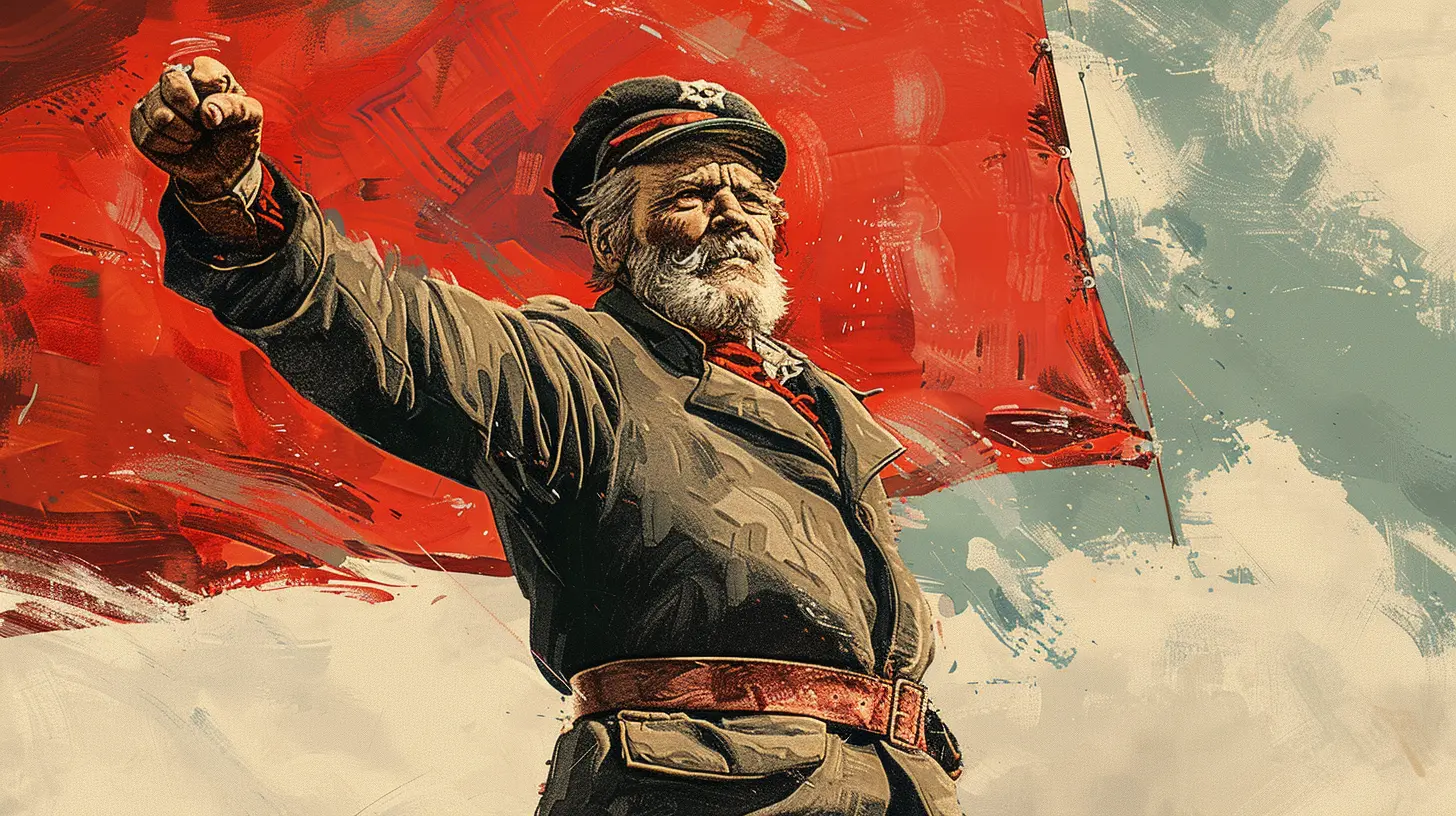
Let’s break it down. Propaganda is like the crafty cousin of advertising, except it’s not always trying to sell you a product—it wants your beliefs, your loyalty, or your support.In simple terms, propaganda is strategic communication designed to influence an audience’s opinions or behaviors. Unlike regular information, propaganda often presents facts selectively or twists them just enough to steer you in one direction.
It can be super obvious or really subtle. Sometimes, it’s plastered all over posters; other times, it’s hidden in your favorite songs, films, or social media memes. Sneaky, right?
Why Should We Care About Propaganda?
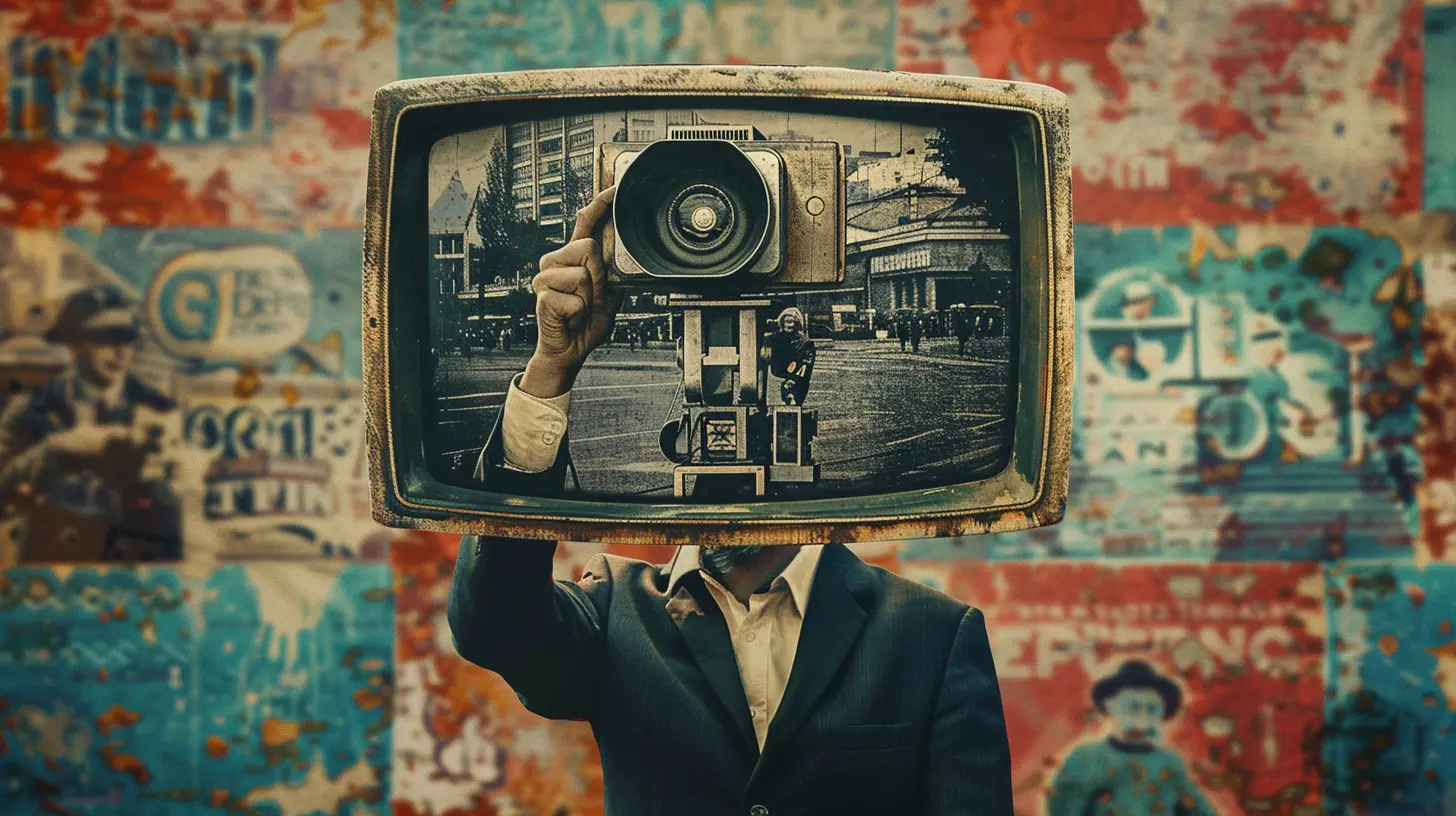
Because it works—and it’s been working for centuries.From ancient empires to modern-day campaigns, propaganda has been used to start wars, end governments, create heroes, and even sell soda. Understanding it isn’t just about spotting lies—it’s about protecting your own mind from being manipulated.
So, grab your mental magnifying glass. We're diving deep into the power of propaganda and the juicy lessons history has taught us. 🕵️♀️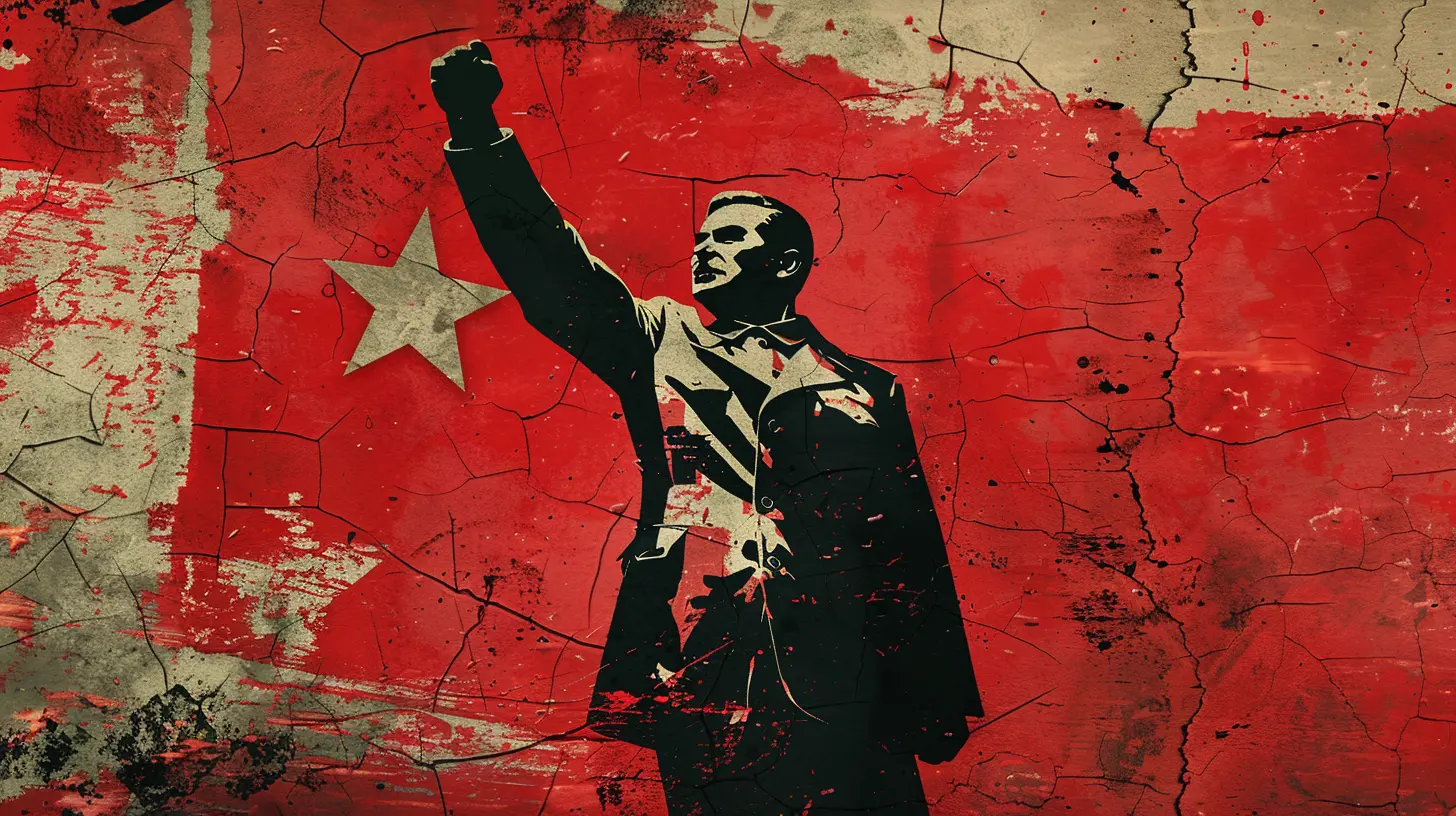
The Roots of Propaganda: Not Just a Modern Trick
Although the word “propaganda” gained popularity in the 17th century thanks to the Catholic Church (yep, they had a whole department for it), the idea of propaganda goes way back—like ancient civilizations kind of back.Ancient Egypt: The Original Brand Managers
Take a look at Ancient Egypt. Pharaohs weren’t just rulers—they were gods in human form (at least according to the PR of their day). Massive statues, majestic pyramids, and wall carvings weren't just for decoration. They screamed, “Our leader is powerful! Don’t even think about revolting!”It was all about creating an image—long before Photoshop or Instagram filters.
The Roman Empire: Propaganda Goes Mainstream
The Romans knew how to play the narrative game. Big time. Emperors like Augustus plastered his face across coins, monuments, and buildings. Why? Because when people see your image everywhere, they start thinking you’re invincible, eternal—even chosen.Sound familiar? (Cough, modern political campaigns, cough.)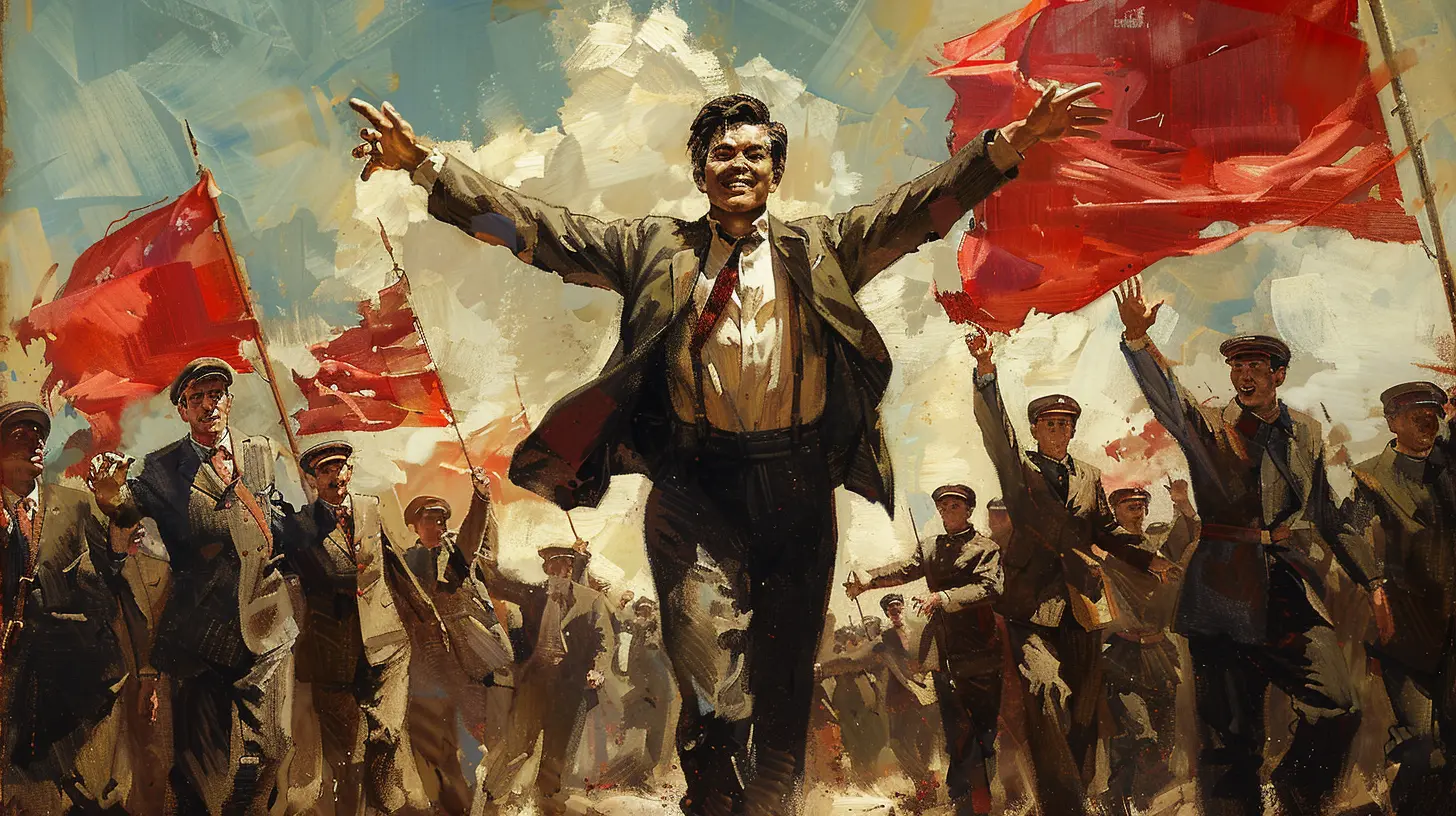
Wartime Propaganda: When Information Becomes Ammunition
Nowhere is propaganda more evident—or more powerful—than during wars. Let’s look at two major conflicts that turned propaganda into a fine art.World War I: Posters, Slogans, and Emotional Strings
Remember the iconic “I Want YOU for U.S. Army” poster featuring Uncle Sam? That’s pure propaganda gold. Designed to stir emotions, guilt people into action, and trigger patriotic pride. And it worked. Millions enlisted.Governments during WWI weaponized art, slogans, and media to shape public perception. They painted the enemy as monsters and the war as just. Reality was far more complex, but hey, truth was no match for a powerful image.
World War II: The Propaganda Machine Goes Global
WWII took propaganda to the next level.- The Nazis mastered it under Joseph Goebbels, building an entire ministry around propaganda efforts. They controlled newspapers, radio, film—even schoolbooks—to push their narrative.
- The Allies responded in kind. Films, cartoons (yes, even Disney joined in), and public speeches were all part of the strategy.
The message? We're the good guys. They're the bad guys. Period.
Simple, effective, and dangerous.
Cold War Propaganda: Ideological Tug-of-War
After WWII, the world didn’t just chill out and hold hands. Oh no. We got the Cold War—a battle of ideologies, where capitalism squared off against communism, and propaganda was the weapon of choice.USA vs USSR: Dueling Narratives
Both nations ran massive campaigns to win the hearts and minds of their own citizens—and the rest of the world.- The U.S. promoted the “American Dream”: freedom, opportunity, democracy, and Hollywood glitz.
- The USSR countered with a vision of equality, strength, and unity under socialism.
Each side worked overtime to demonize the other. Films, news, textbooks, even music were all part of the information war.
Ever heard of the phrase “better dead than red”? Pure Cold War propaganda. 😬
Modern-Day Propaganda: It’s Closer Than You Think
Okay, history class is cool and all, but let’s fast-forward. Propaganda didn’t end with the Cold War—it just got slicker.The Digital Era: Social Media's Double-Edged Sword
Enter social media.Today, everyone with a smartphone has a megaphone. That’s both awesome… and a little terrifying.
Governments, media companies, influencers, and even bots use these platforms to shape narratives, sway elections, and sell ideologies. And because these messages are wrapped in memes or viral videos, they slide into our brains without us even noticing.
Remember the 2016 U.S. election and all the talk about fake news and Russian interference? That wasn’t fiction. That was modern-day propaganda in action.
Advertising: The Corporate Spin Doctor
Let’s not forget the corporate world.Think of those “green” commercials from oil companies or sugary cereals marketed as “whole grain.” Are they technically lying? Not exactly. Are they telling the full story? Definitely not. They’re spinning the message to win your trust—and your wallet.
Key Techniques of Propaganda: The Secret Sauce
So how exactly does propaganda work? Here are some go-to tactics that keep popping up, from ancient times to TikTok:1. Appeal to Emotion
Forget facts—pull heartstrings! Whether it’s fear, pride, anger, or love, emotional triggers can override logic in no time.2. Name-Calling & Labeling
Ever notice how calling someone a “radical” or a “traitor” instantly changes how we view them? That’s no accident. Labels stick.3. Bandwagon Effect
“If everyone’s doing it, it must be right!” This technique pressures people to jump on the trend… even if they’re unsure.4. Glittering Generalities
Big, bold words like “freedom,” “justice,” or “innovation” sound great—until you realize they’re vague and mean different things to different people.5. Testimonial
Slap a celebrity or authority figure next to an idea, and suddenly it feels more legit. Even if they have zero expertise. (Looking at you, influencer skincare routines. 👀)What Can We Learn from History?
Here’s the kicker: propaganda isn’t always evil. It can unite people, inspire action, or spread important health messages (like during the pandemic). The problem is when it clouds judgment or manipulates truth.So, what are the big takeaways?
1. Stay Curious
Ask questions. Don’t take every headline, post, or speech at face value. Who’s behind it? What’s their motive? What aren’t they saying?2. Think Before You Share
That viral meme might be hilarious, but is it spreading misinformation? A few extra seconds of googling goes a long way.3. Diversify Your Sources
No single news outlet or social feed has the monopoly on truth. Mix it up—left, right, center, international. Expand your perspective.4. Teach Critical Thinking
If we want the next generation to resist manipulation, we need to teach them how to think, not just what to think. Media literacy is a superpower.Final Thoughts: Awareness Is Power
We’re all swimming in a sea of messages, and some of them are designed to push our buttons. But here’s the good news: the more we understand propaganda, the less power it has over us.History shows us what happens when unchecked messages run wild. But it also shows us the power of awareness, resistance, and truth.
So next time something seems “too good to be true” or “just feels right,” pause. Lean in. Ask why. Because knowledge isn’t just power—it’s protection.
And honestly? In today’s world, we could all use a little more of both.
all images in this post were generated using AI tools
Category:
Social StudiesAuthor:

Fiona McFarlin
Discussion
rate this article
2 comments
Solstice Carrillo
This article brilliantly unpacks how propaganda has shaped perceptions throughout history. It's a reminder of the importance of critical thinking and media literacy in our daily lives. Understanding these lessons can empower us to navigate today's information landscape with greater awareness and discernment. Well done!
February 10, 2026 at 3:39 AM
Fiona McFarlin
Thank you for your thoughtful comments! I'm glad you found the article insightful and emphasize the importance of critical thinking in today’s media landscape.
Camille Pace
Understanding the power of propaganda equips us to navigate today's information landscape wisely. By learning from history, we can foster critical thinking, promote open dialogue, and empower ourselves to discern truth from manipulation. Knowledge is our greatest ally!
January 29, 2026 at 4:30 AM
Fiona McFarlin
Thank you for your insightful comment! I completely agree—understanding propaganda not only sharpens our critical thinking but also enables more meaningful conversations about truth in our current media landscape.