Overcoming Barriers to Inclusion in Early Childhood Education
18 January 2026
Creating a truly inclusive early childhood education system isn't just a goal—it's a necessity. Every child, regardless of ability, background, or circumstance, deserves a chance to thrive in an environment that welcomes, supports, and uplifts them. But let’s be real: we’re not there yet. There are still plenty of hurdles standing in the way of inclusion, and it’s going to take all of us—teachers, parents, administrators, and communities—to tear them down.
That might sound like a tall order, but don’t worry. In this article, we’re going to break it all down, piece by piece, and show how overcoming these barriers is not only possible—it’s powerful.
What Is Inclusion in Early Childhood Education Anyway?
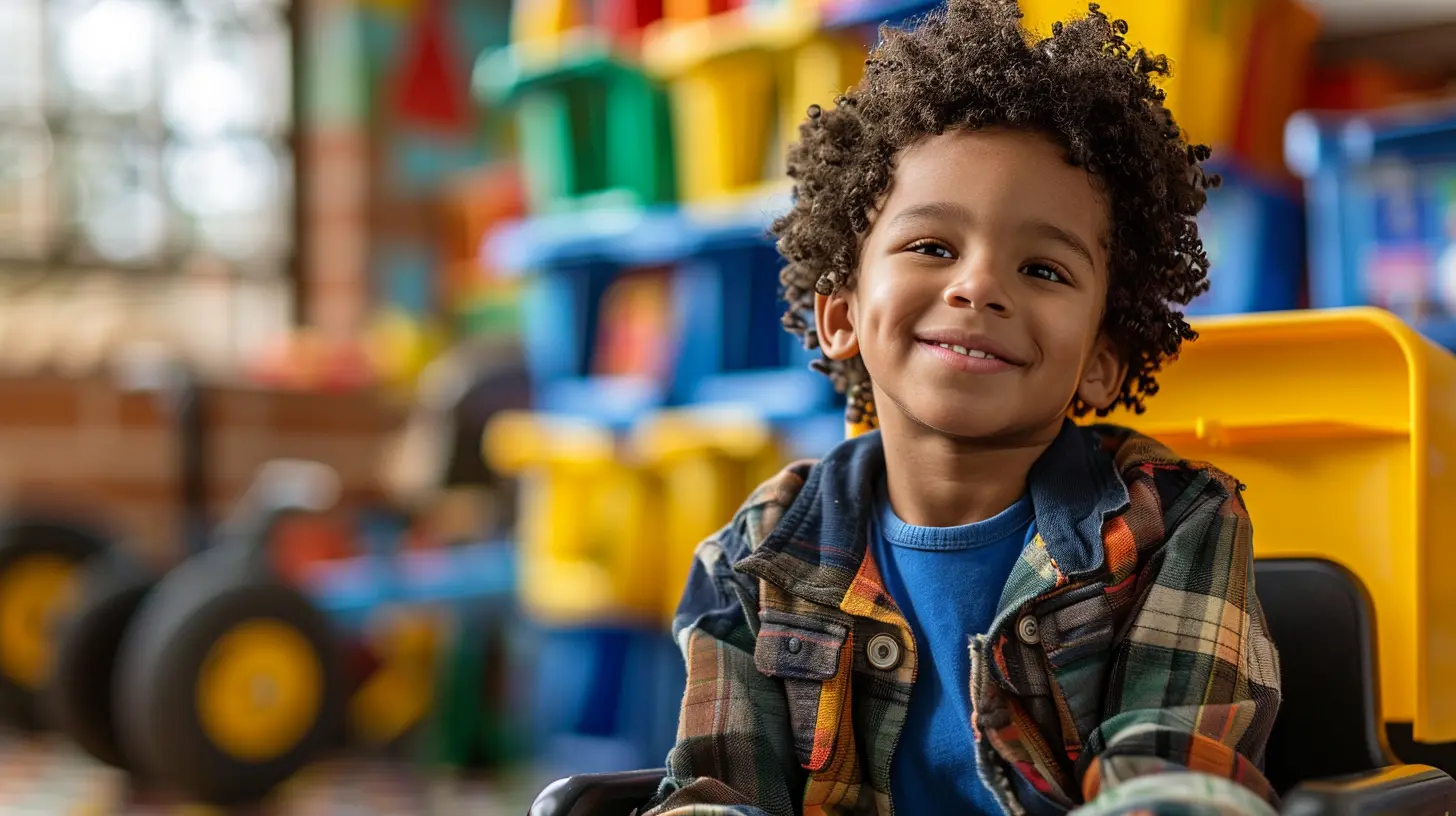
Before we dive into the challenges, let’s make sure we’re all on the same page. Inclusion in early childhood education means that all children—regardless of physical ability, learning differences, language, race, or socioeconomic background—learn together in the same environment. No labels. No segregation. Just kids learning, playing, and growing up side by side.Sounds beautiful, right?
But creating that kind of environment doesn’t just happen. It takes intentional action, a mindset shift, and a whole lot of heart.
The Big Picture: Why Inclusion Matters
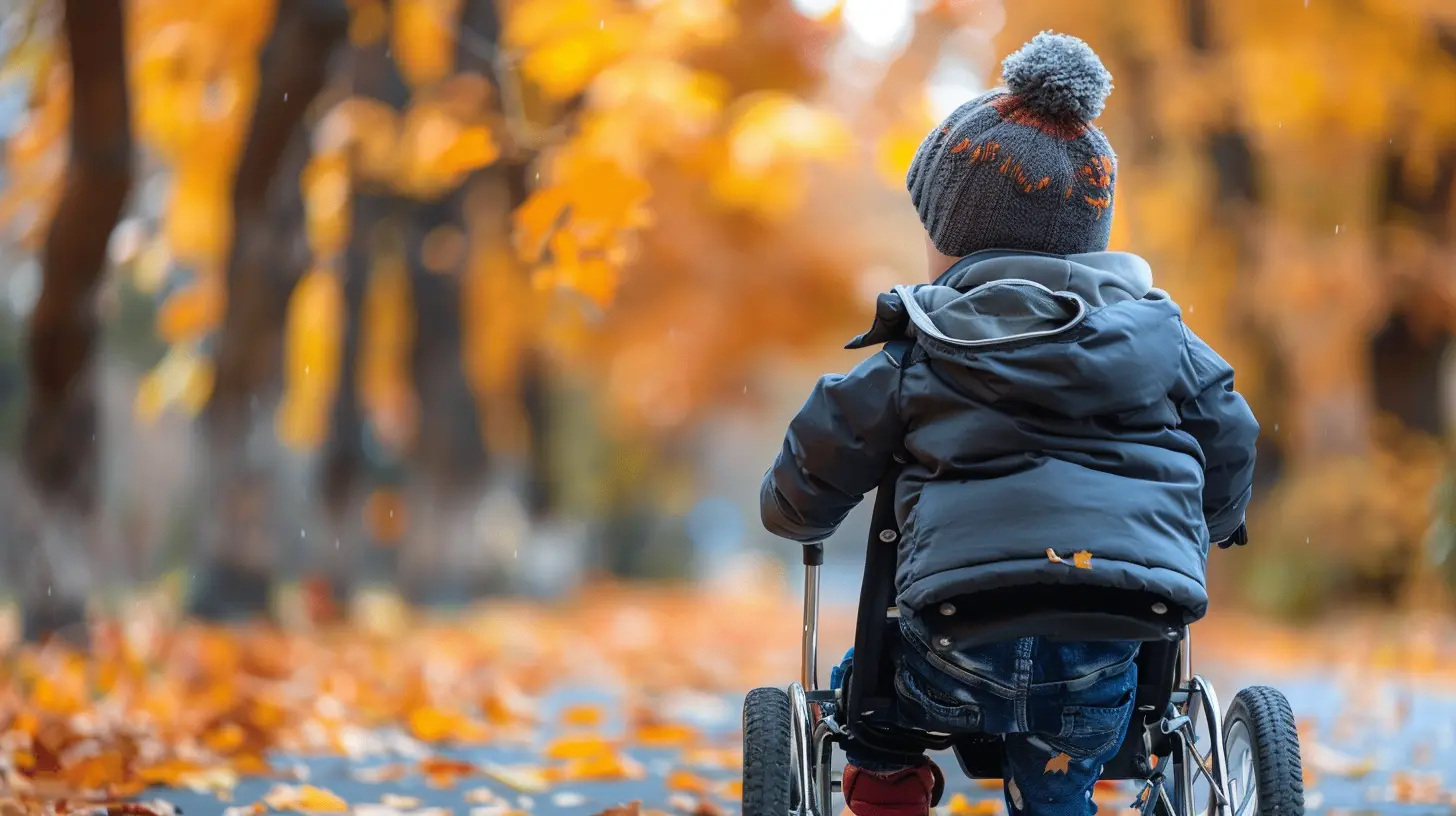
Let’s pause for a second and ask ourselves, “Why is inclusion so important?”Think about it. The early years are when kids form their view of the world—and of themselves. When children with disabilities or from marginalized communities are excluded or isolated, they miss out on the chance to build friendships, confidence, and key learning skills. And their peers miss out too—on the lessons of empathy, diversity, and cooperation.
An inclusive classroom isn’t just a better place for students with special needs; it’s a better place for everyone.
The Barriers Holding Us Back
So if inclusion is such a win-win, why isn’t it the norm?Here are some of the biggest barriers we’re up against:
1. Lack of Teacher Training and Support
Let’s start with the people who are tasked with making inclusion work—teachers. Many early childhood educators just don’t feel equipped to teach diverse learners. They haven’t had enough training in special education strategies, language development, or trauma-informed practices.Imagine being handed a toolbox with only a hammer and being expected to build a house. That’s what it feels like for many teachers trying to meet the needs of a wide range of students without the right training.
2. Limited Resources and Funding
Inclusion doesn’t just require heart—it requires resources. We’re talking about things like:- Assistive technology
- Classroom aides
- Professional development
- Modified learning materials
But in reality, many schools and childcare centers are barely scraping by. Without sufficient funding, even the most well-meaning educators are limited in what they can do.
3. Physical Environment Challenges
Let’s face it: many classrooms just aren’t set up for all learners. Whether it’s a lack of wheelchair accessibility, overstimulating décor for kids with sensory issues, or rigid desk arrangements that make group work difficult, the physical environment can either help or hinder inclusion.4. Rigid Curriculum Standards
Another major hurdle? A standardized, one-size-fits-all curriculum that doesn’t account for different learning styles or paces. Try telling a child with autism who needs extra processing time to keep up with a fast-paced literacy benchmark—and you’ll see the problem.5. Bias and Low Expectations
This one’s a little harder to talk about—but it’s crucial.All too often, implicit biases (the unconscious attitudes we carry) lead educators to have lower expectations for students with disabilities or from marginalized groups. And guess what? When you expect less, you usually get less.
But here's the truth: every child has the potential to shine if we just give them the chance.
So, How Do We Overcome These Barriers?
Now for the good news—we’re not stuck with these obstacles. Let’s flip the script and look at how we can break down these barriers together.1. Provide Ongoing Professional Development
Let’s start with equipping our teachers. They’re superheroes, but even superheroes need training, right?Ongoing, hands-on professional development can make all the difference. That means workshops, mentorships, and collaborative planning sessions focused on:
- Inclusive teaching strategies
- Differentiated instruction
- Behavior management
- Cultural competence
- Trauma-informed care
When teachers feel confident and supported, they can do amazing things.
2. Advocate for Better Funding and Resources
This one's big. We need to push for more funding at every level—local, state, and national. Whether it’s writing to representatives, voting for education-friendly policies, or partnering with community organizations, we all have a role to play here.More money means more tools, more support staff, and more opportunities for every child to succeed.
3. Make Classrooms More Accessible
Inclusive design goes beyond ramps and wide doorways. It’s about creating a space where all kids feel comfortable and capable. That could mean:- Providing quiet corners for kids with sensory sensitivities
- Using visual schedules for those who thrive on routine
- Offering flexible seating and movement-friendly setups
It’s all about meeting kids where they are.
4. Embrace Flexible Curriculum and Instruction
Here’s the deal—kids are not robots. They don’t all learn the same way or at the same speed. So why should we expect them to?Using flexible, play-based, and experiential learning gives all kids a way in. Teach through art, stories, movement, songs, and games. Use small groups, hands-on activities, and open-ended questions. The goal is engagement, not perfection.
5. Build Inclusive School Culture
Culture eats policy for breakfast. You can have all the programs in place, but if the culture doesn’t support inclusion, it’s not going to stick.So how do you build that culture?
- Celebrate differences
- Promote kindness and empathy
- Include children and families in decision-making
- Encourage peer mentoring and friendships across ability levels
Make it normal. Make it beautiful.
6. Partner With Families
Parents and caregivers are the experts on their kids. That means they should be our #1 partners in creating inclusive classrooms.That could look like:
- Regular communication and feedback
- Family workshops and inclusion nights
- Personalized learning plans that take a child’s unique needs into account
When families feel heard and valued, everyone wins.
Stories That Inspire
Let’s take a break from the "how" and focus on the "why." Here are a couple of real-world examples of inclusion done right:Maya’s Story
Maya was born with cerebral palsy and uses a wheelchair. Her parents were told she'd be better off in a "special" classroom. But her school pushed for inclusion. Her teacher worked with an occupational therapist to adapt classroom materials, and her peers took turns being “room helpers.” Not only did Maya thrive academically—she made tons of friends and became the heart of the classroom.Liam’s Journey
Liam, who has sensory processing challenges, used to melt down during music time. Instead of removing him, his teacher found a way to include him—giving him headphones, a visual schedule, and the option to use hand signals when he felt overwhelmed. Within months, music class went from being his biggest fear to his favorite subject.These stories aren’t rare—they're a glimpse of what’s possible when we commit to inclusion.
The Ripple Effect of Inclusion
Here’s the thing a lot of people miss: inclusion doesn’t just change lives—it changes futures.Kids who grow up in inclusive classrooms grow into adults who are more accepting, more empathetic, and more prepared to work in diverse communities. Inclusion teaches all of us to value differences, solve problems creatively, and treat others with dignity.
So when we invest in inclusive early childhood education, we’re not just helping individual children. We’re shaping a better world.
Final Thoughts: Start Where You Are
You don’t have to overhaul the entire system to make a difference. Start small. Start in your classroom, your daycare center, your home.Ask yourself:
- How am I creating a welcoming space for all children?
- What biases might I need to unlearn?
- What can I do today to make learning more accessible?
Every step counts. Every child matters. And together—we can overcome every barrier.
all images in this post were generated using AI tools
Category:
Inclusive EducationAuthor:

Fiona McFarlin
Discussion
rate this article
2 comments
Rosanna Bellamy
Together, we can create inclusive classrooms for all children! 🌟
February 9, 2026 at 4:36 AM
Fiona McFarlin
Absolutely! Collaboration is key to fostering inclusive environments where every child thrives. 🌈
Gabriel Lane
Inclusion starts with courage; excuses have no place here!
January 19, 2026 at 9:17 PM
Fiona McFarlin
Absolutely! Courage is essential in driving meaningful change and fostering true inclusion in early childhood education. Thank you for your insightful comment!