Managing Time Effectively in Group Assignments
25 June 2026
Group assignments can be a fantastic way to learn new skills, collaborate with peers, and share workloads. But let's be real—working with a group also comes with its fair share of challenges. One of the biggest struggles? Managing time effectively.
If you've ever found yourself stuck in a last-minute scramble, waiting on team members to submit their parts, or drowning in miscommunication, you're not alone. But don’t worry—this guide will help you master time management in group projects so you can work smarter, not harder. 
Why Time Management Is Crucial in Group Assignments
Time is like sand—it slips through your fingers if you don’t hold onto it properly. In group assignments, poor time management leads to stress, rushed work, and breakdowns in teamwork. When everyone manages their time well, the project runs smoothly, and the final result is something you're all proud of.Good time management:
✅ Reduces last-minute panic
✅ Enhances productivity
✅ Ensures equal contribution from all members
✅ Improves overall work quality
So, how exactly do you stay on top of your group assignment and avoid the chaos? Let’s dive in. 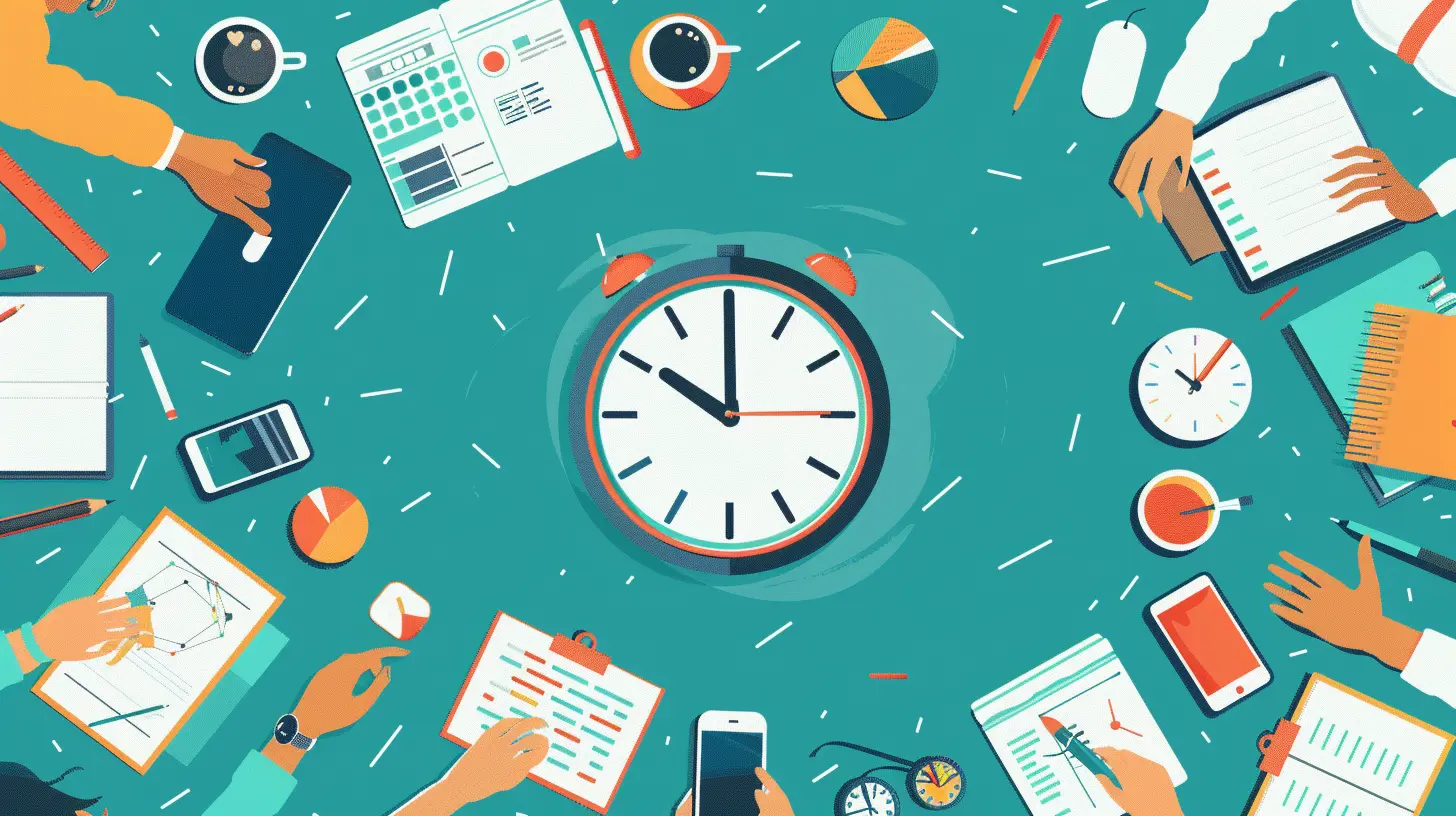
Step 1: Set Clear Goals and Expectations
You wouldn’t start a road trip without knowing your destination, would you? The same principle applies to group projects.The first thing your group should do is establish clear goals. Ask yourselves:
- What are we trying to achieve?
- What does a successful project look like?
- What steps do we need to take to get there?
Once you’ve outlined your goals, make sure everyone is on the same page about expectations. Who is responsible for what? When are the deadlines? What happens if someone doesn’t pull their weight? Establishing these details upfront prevents confusion later. 
Step 2: Break the Assignment Into Smaller Tasks
A big project can feel overwhelming, just like trying to eat an entire pizza in one bite (not recommended!). Instead, break it into smaller, manageable slices.Divide the work into clear sections and assign tasks to each group member. This way, everyone knows exactly what they need to do, and no one feels lost in the process.
For example, if you’re working on a research paper, break it down like this:
- Research gathering
- Writing different sections
- Editing and proofreading
- Finalizing the format
Smaller tasks make the workload feel more structured and achievable. 
Step 3: Create a Timeline With Deadlines
Deadlines are your best friend in a group project—seriously! Without them, work tends to drag on until, suddenly, you’re pulling an all-nighter before submission day.Once you’ve broken down the project, create a timeline and set deadlines for each phase. Make sure these deadlines are before the actual due date to allow time for last-minute tweaks.
Consider using tools like:
? Google Calendar - Set reminders for important dates
? Trello - Organize tasks visually
? Notion - Keep track of notes, deadlines, and progress
Keeping everything structured ensures there’s no mad rush at the end.
Step 4: Assign Roles and Responsibilities
Ever been in a group where one person does all the work while others just coast along? Yeah, not fun. Assigning clear roles prevents this imbalance.Play to each member’s strengths. If someone is great at research, let them handle that part. If another member has strong editing skills, put them in charge of proofreading. Assigning roles ensures that work is distributed fairly and everyone contributes.
Common roles in a group project:
- Leader (keeps things organized and on track)
- Researcher (gathers important information)
- Writer (puts everything into words)
- Editor (proofreads and refines the content)
- Presenter (delivers the final presentation, if needed)
Defining roles upfront helps keep the group accountable and prevents overlapping efforts.
Step 5: Communicate Regularly
Good communication is the glue that holds a successful group project together. Without it, misunderstandings happen, deadlines get missed, and frustration builds.Set up a dedicated communication channel like:
? WhatsApp/Discord - For quick discussions
? Google Docs - For real-time collaboration
? Zoom/Meet - For scheduled check-ins
Hold regular check-ins to update each other on progress, address challenges, and make sure everything is running smoothly.
Remember, speaking up early can prevent small problems from turning into massive headaches later.
Step 6: Handle Conflicts Professionally
Let’s be honest—group projects don’t always run smoothly. Disagreements happen. Someone might miss a deadline, and tensions can rise. The key is learning to handle conflicts professionally.If issues arise:
1. Address concerns early before they escalate.
2. Use "I" statements instead of blaming (e.g., "I feel stressed about the deadline" instead of "You're not doing your part").
3. Find a compromise that works for everyone.
A little patience and understanding go a long way in keeping the peace.
Step 7: Keep Each Other Accountable
Accountability is what separates a great group from a struggling one. Make sure everyone stays on track by establishing check-ins and progress reports.Try methods like:
✅ Assigning a “deadline buddy” - Someone who checks if you’re on schedule
✅ Using shared Google Docs - Where everyone updates their progress
✅ Having mini-deadlines - So work doesn’t pile up at the last minute
Holding each other accountable ensures that no one falls behind and that the workload is evenly distributed.
Step 8: Review and Finalize the Work Together
Before hitting that submit button, review the entire project as a team. Why? Because one mistake can bring down the quality of the whole assignment.Go through a final checklist:
✅ Does the project meet the requirements?
✅ Have all sources been properly cited?
✅ Is the formatting consistent?
✅ Are there any grammar or spelling errors?
A fresh pair of eyes can catch mistakes you might have missed. Teamwork at this stage ensures a polished and professional final submission.
Bonus Tip: Celebrate Small Wins! ?
Group projects can be stressful, but don’t forget to celebrate your progress. Completed a big section? High-five your team! Submitted your assignment? Treat yourself!Recognizing small achievements keeps motivation high and makes the process more enjoyable.
Final Thoughts
Managing time effectively in group assignments isn’t just about meeting deadlines—it’s about working efficiently, reducing stress, and creating high-quality work together.By setting clear goals, breaking tasks into smaller steps, maintaining communication, and holding each other accountable, you can turn any group project into a successful and rewarding experience.
Next time you’re in a group assignment, apply these strategies and see how much smoother things go. And hey, who knows? You might just end up actually enjoying the process!
all images in this post were generated using AI tools
Category:
Group WorkAuthor:

Fiona McFarlin
Discussion
rate this article
1 comments
Megan Robinson
Effective time management in group assignments hinges on clear communication and defined roles. Establishing a timeline with specific deadlines fosters accountability and keeps the group on track. Regular check-ins ensure ongoing progress and allow for adjustments, ultimately enhancing collaboration and achieving project goals efficiently.
June 27, 2026 at 2:38 AM