How to Design Inclusive Physical Education Programs
11 April 2026
Creating an inclusive physical education (PE) program isn’t just a nice idea—it’s a necessity. In today’s diverse classrooms, students come with a wide range of abilities, backgrounds, learning styles, and needs. So, how can we make sure that PE isn’t leaving anyone on the sidelines?
Let’s dive into what it truly means to design inclusive physical education programs, and how you can start building one that’s engaging, fair, fun, and supportive for all students—because everyone deserves to feel like they belong on the field, in the gym, or wherever movement happens.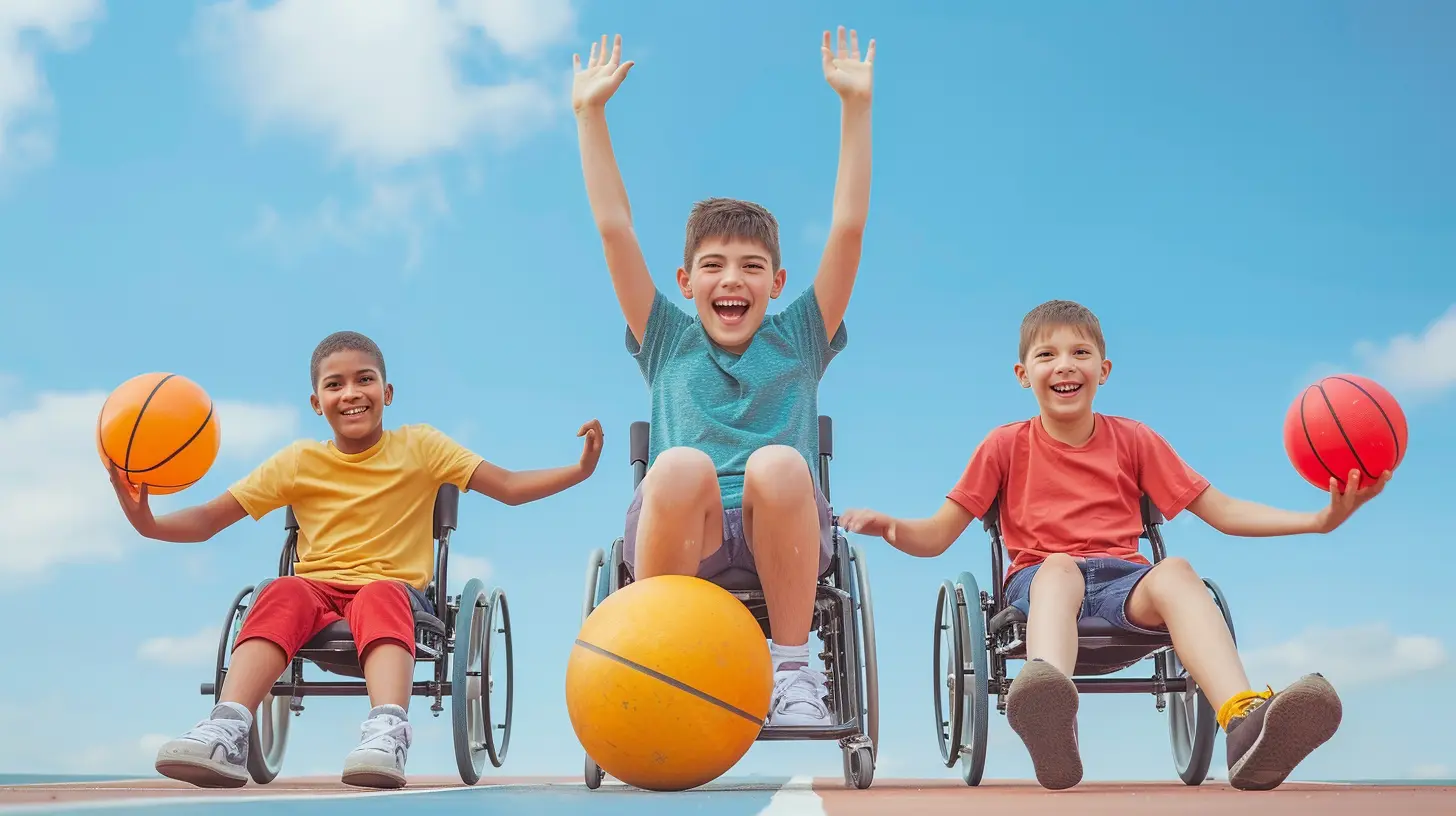
Why Inclusion in Physical Education Matters
Imagine being a student who uses a wheelchair, or one with sensory processing challenges, stepping into a noisy gym full of chaos and competition. It’s overwhelming. Now imagine that same student being guided, supported, and fully involved in a PE class tailored to their needs. That’s the magic of inclusion—it turns discomfort into joy.Inclusive PE programs don’t just help students with disabilities. They benefit everyone. They build empathy, boost collaboration, and create a space where diversity is celebrated. Plus, they help instill lifelong habits of fitness and health in all students, not just the ones already excelling at sports.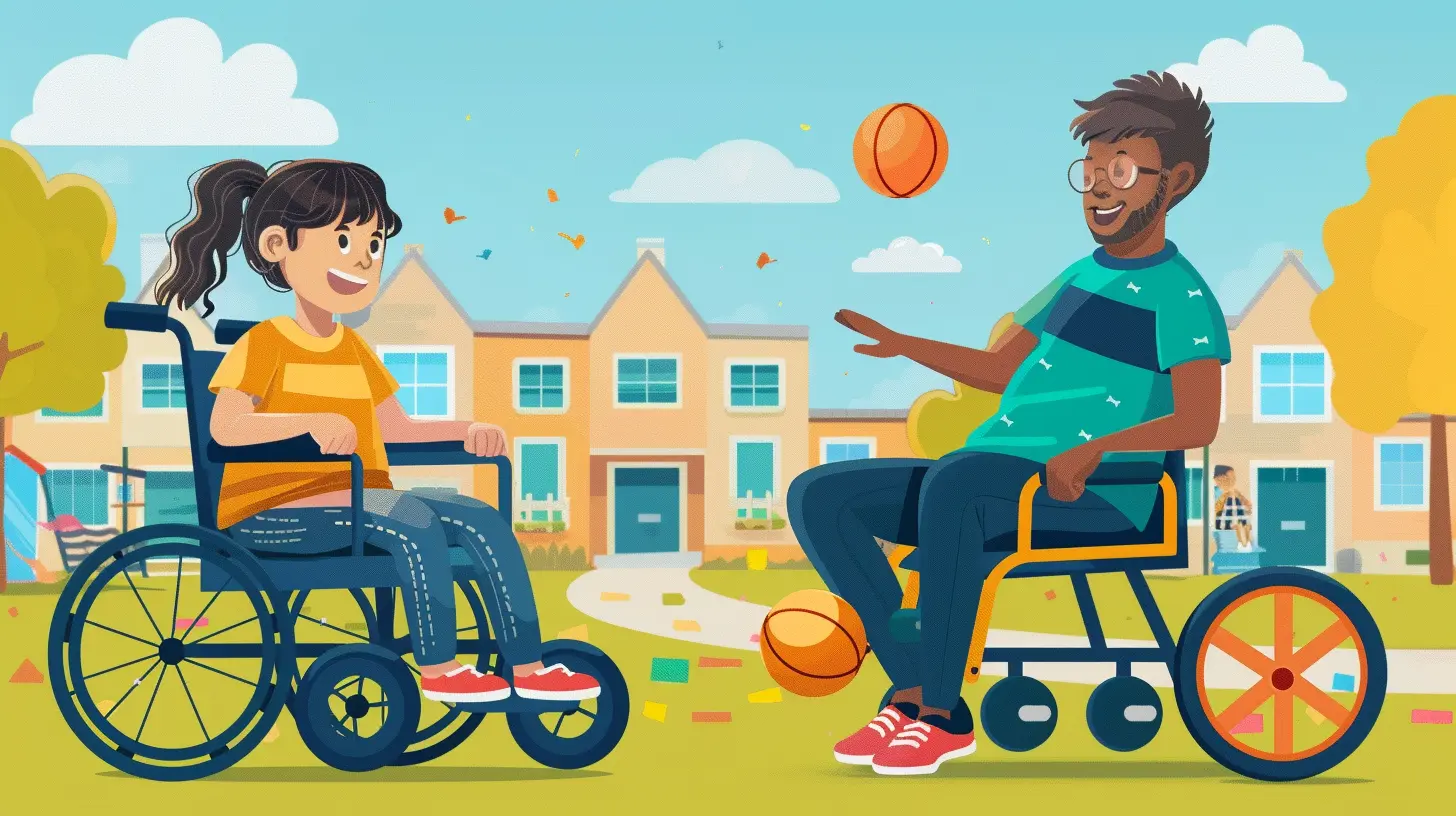
What Is an Inclusive Physical Education Program?
Let’s break it down. An inclusive PE program is one where every student—regardless of physical ability, cognitive skill, cultural background, or learning style—is given equal opportunity to participate meaningfully and successfully.It’s not about lowering the bar or giving some kids a "pass." It’s about adapting the environment, the activities, the expectations, and our attitudes so that all students can thrive. That could mean tweaking the game rules, using adaptive equipment, or partnering students in creative ways.
Think of it as customizing the game so everyone gets to play and enjoy it. Not just watch from the sidelines.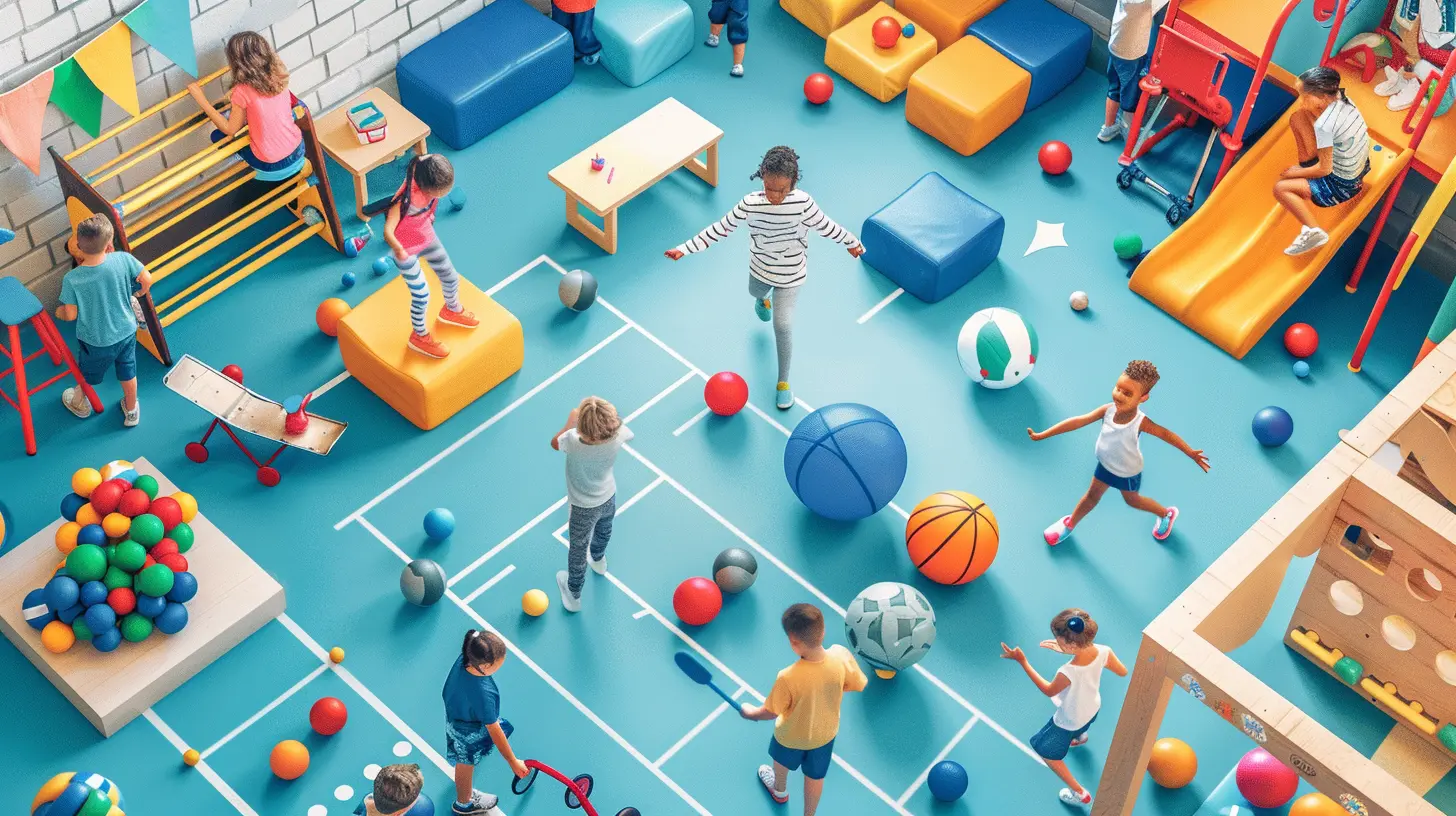
Start With the Right Mindset
Before jumping into lesson plans and adaptations, it starts with you. Your mindset as a PE teacher or program coordinator is everything.Ask yourself:
- Do I believe every student can learn and succeed in PE?
- Am I willing to adapt traditional sports and activities to meet diverse needs?
- Can I see ability as a spectrum rather than a fixed trait?
If you're nodding along, you're already on the right track. Inclusion begins with believing that all students deserve an equal opportunity to participate and grow.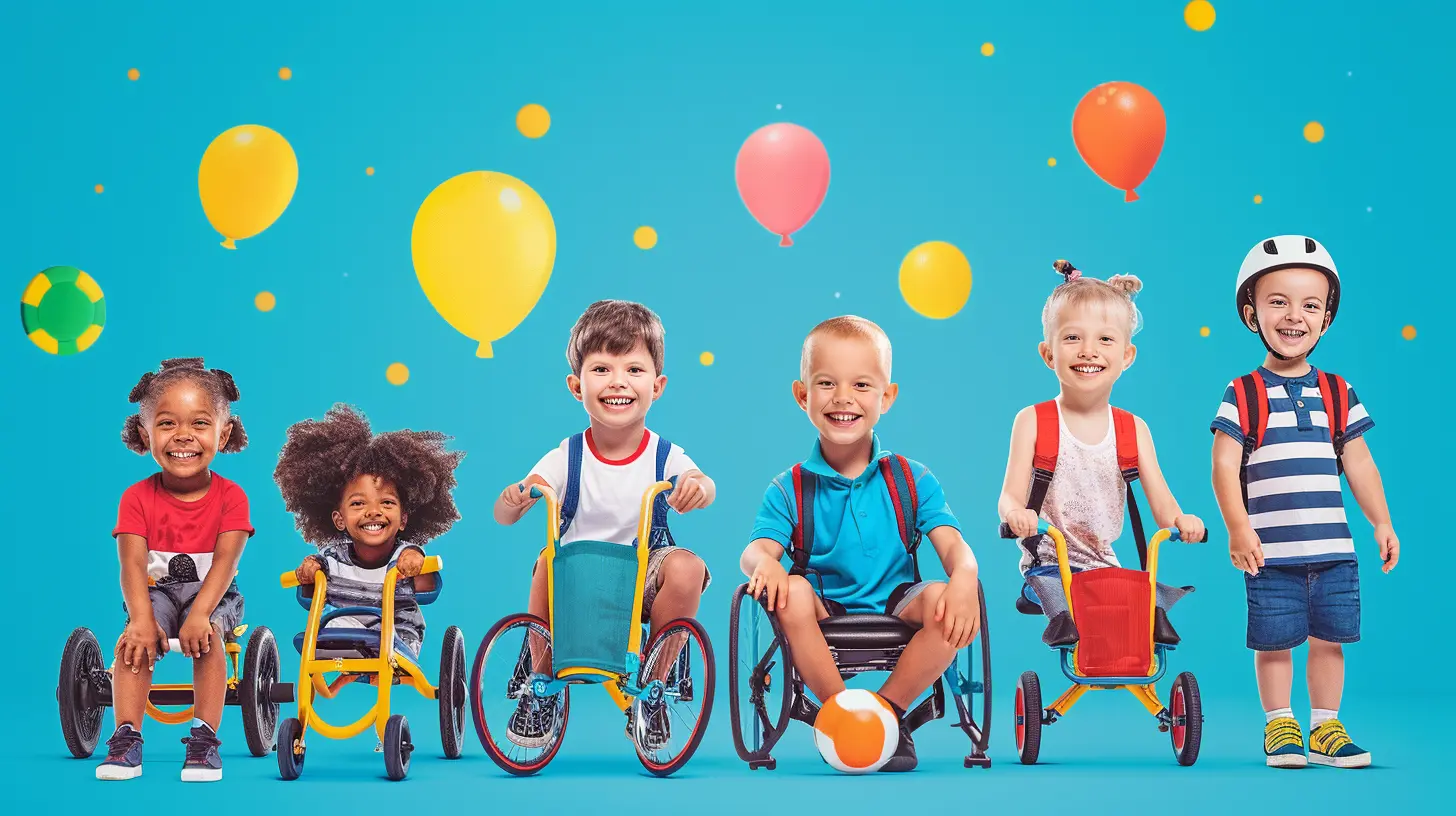
Get to Know Your Students
There’s no one-size-fits-all in inclusive education. That’s why knowing your students—really knowing them—is foundational.What Should You Be Looking For?
- Physical abilities: Who needs mobility support? Who has restrictions due to chronic health conditions?- Cognitive and emotional needs: Are there students with autism, ADHD, or anxiety?
- Cultural background: Are there cultural or religious factors affecting physical activity participation?
- Language barriers: Are there English learners who might need extra support understanding instructions?
This information helps you make thoughtful decisions about how to adapt your program. Build connections, talk to parents and caregivers, and collaborate with special education staff or school therapists.
Remember: the more you understand about your students, the easier it becomes to meet them where they are.
Principles of an Inclusive PE Program
So, what exactly should an inclusive PE program look like? There are a few key pillars to keep in mind:1. Equity Over Equality
Equality gives everyone the same thing. Equity gives everyone what they need to succeed.Let’s say you’re running a relay race. One student can’t run but can wheel themselves quickly in a chair—amazing! Instead of making everyone run exactly the same race, you modify the course so both actions fit the lesson's intent. That’s equity in action.
2. Adaptability
Being flexible is key. Modify games, use alternative equipment, or let students partner up. For example, instead of using a traditional soccer ball, use a larger soft ball that’s easier to track and kick. Or reduce the size of the field.Modifications don’t "dumb down" the game—they level the playing field.
3. Universal Design for Learning (UDL)
UDL is the idea that you design the learning experience from the beginning to accommodate a variety of learners.Think accessible design: clear instructions, visual aids, choice in how to participate, and multiple ways to engage with a task.
For instance, explain a new activity using words, pictures, and demonstrations. Offer choices: "Would you rather play tag or do a circuit with stations?"
Giving options empowers students and increases engagement.
Strategies to Make Your PE Program More Inclusive
Alright, let’s get practical. Here are some tried-and-true strategies that can transform your PE class into an inclusive, welcoming space.1. Use Person-First Language
Instead of saying “a disabled student,” say “a student with a disability.” It places the person before the condition and shows respect.2. Create a Buddy System
Pair students with and without disabilities for certain activities. It promotes teamwork, builds friendships, and offers peer support. Just make sure the pairing is beneficial and respectful—nobody wants to feel like a charity case.3. Offer Choice and Autonomy
Give students options. Not everyone loves dodgeball (honestly, who does?). Let them choose from a few activities or decide how they want to complete a task. Choice is empowering.4. Focus on Skill Building Over Competition
Competition can be motivating for some, but it can be a nightmare for others. Prioritize personal growth, teamwork, and effort. Celebrate improvements and milestones, no matter how small.5. Use Adapted Equipment
There’s so much great gear out there—larger balls, lighter rackets, talking pedometers, and more. Even simple things like color-coded cones or tactile markers can make a big difference.6. Provide Visual and Auditory Cues
Combine spoken instructions with visual demonstrations. Use visuals to show game rules or activity steps. For students who struggle with hearing or processing, this is a game-changer.Sample Inclusive Activities
Still wondering what this looks like in action? Here are a few inclusive activities that work well in a diverse PE class.Balloon Volleyball
Use a balloon instead of a volleyball—it slows the game down and is easier to track. Students can sit or stand. Everyone gets a shot at success.Walking Relays
Instead of running relays, use fast-paced walking or wheeling. Add fun twists like balancing a beanbag on your head or walking backward.Obstacle Courses
Create a multi-sensory obstacle course with options at each station. One spot might have a crawling tunnel, another could have a target tossing station, or a puzzle challenge. Let students choose the stations they feel confident and comfortable completing.Don’t Forget About Assessment
Assessing students in inclusive PE is just as important—but it should be thoughtful and fair.Avoid grading solely on speed, strength, or skill. Instead, focus on:
- Personal improvement
- Participation
- Effort and attitude
- Teamwork and cooperation
Use rubrics that account for each student’s starting point and progress. Make room for self-reflection, too—ask students how they felt, what they learned, and what goals they have going forward.
Foster a Culture of Inclusion
Let’s not forget the social side of PE. Kids notice when someone is “different” or being treated unfairly.Here’s how to build a truly inclusive community:
- Talk openly about inclusion and diversity in your class.- Set rules for respect and kindness.
- Model inclusive behavior by treating every student with patience and positivity.
- Celebrate differences! Acknowledge different ways of moving, communicating, and learning as valuable.
When you create an environment where everyone feels seen and accepted, it changes the game entirely.
The Role of Professional Development
Inclusion isn’t something most of us are born knowing how to do. And that’s okay.If you’re a teacher, advocate for more training on adapted physical education, UDL strategies, and disability awareness. Connect with specialists like occupational therapists, adaptive PE teachers, and counselors.
The more tools in your toolbox, the more confident and effective you’ll be.
Final Thoughts: Inclusion Is a Journey, Not a Destination
In truth, designing inclusive physical education programs won’t always be easy. There will be trial and error. You’ll have days where things don’t go as planned. But that’s okay—progress always starts somewhere.Inclusion is about connection. It’s about recognizing that every child—regardless of ability, background, or behavior—has a right to move, play, and belong.
It’s the little things: the welcoming smile, the small adaptations, the thoughtful feedback. These moments stack up and create lasting change.
So if you’re reading this and wondering where to begin? Start with a question: How can I make sure no one is left out?
Answer that one, and you’re well on your way to creating a PE program that doesn’t just move bodies—it moves hearts.
all images in this post were generated using AI tools
Category:
Inclusive EducationAuthor:

Fiona McFarlin
Discussion
rate this article
2 comments
Anastasia Kirkland
This article highlights the vital need for inclusive physical education programs. It’s crucial to embrace diverse abilities and create environments where every student feels valued, promoting both physical health and social connection.
April 15, 2026 at 2:49 AM
Fiona McFarlin
Thank you for your thoughtful comment. I completely agree that embracing diverse abilities is essential for fostering a supportive environment in physical education.
Thornewood Black
This article provides valuable insights into creating inclusive physical education programs. It emphasizes the importance of adapting activities to meet diverse needs, ensuring all students feel supported and engaged in their physical development.
April 12, 2026 at 11:56 AM
Fiona McFarlin
Thank you! I'm glad you found the article helpful in promoting inclusivity in physical education. Your feedback is greatly appreciated!