Balancing Professional Development with Personal Well-Being
14 February 2026
In today's fast-paced world, we're all chasing growth—professionally and personally. But let’s be real, juggling career aspirations while maintaining personal well-being feels like walking a tightrope. One wrong step, and things can spiral out of control.
So, how do you climb the corporate ladder without burning out? How do you chase those big dreams without sacrificing your peace of mind? That’s exactly what we’re going to uncover.
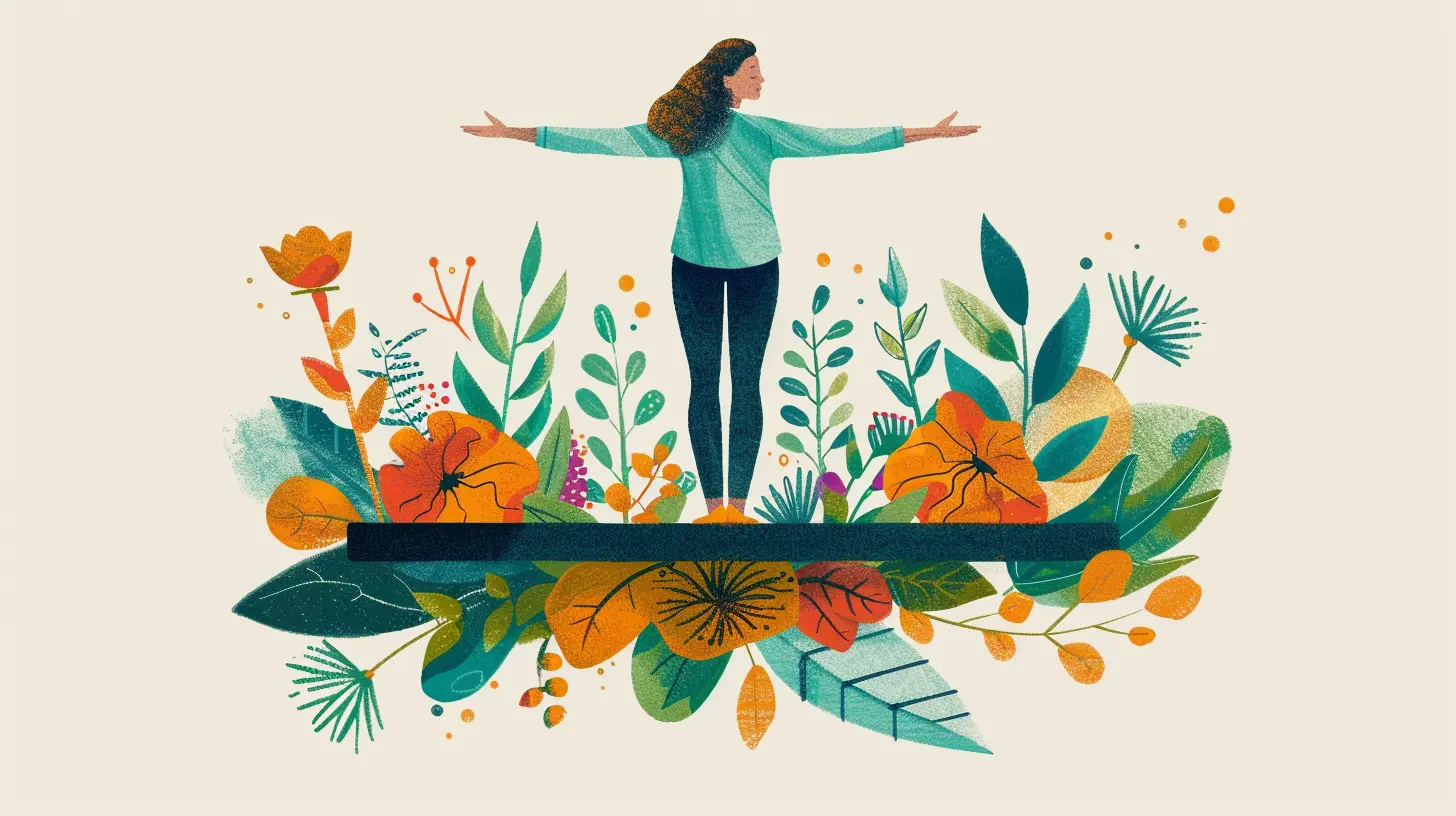
Why Is Balancing Professional Development and Well-Being So Hard?
Think about it—most of us are wired to push harder, work longer hours, and chase success relentlessly. Society praises hustle culture, making us believe that rest equals laziness. The result? A never-ending cycle of exhaustion, stress, and feeling stuck in autopilot mode.The challenge isn't just managing time; it's about managing energy, priorities, and boundaries. If you constantly pour into your career without refilling your personal well-being cup, burnout is inevitable.

The Importance of Striking the Right Balance
1. Avoiding Burnout
Ever felt so drained that even the simplest task feels impossible? That’s burnout. It sneaks up when you overwork yourself without taking breaks. Professional success is fantastic, but it means nothing if you’re too exhausted to enjoy it.2. Enhancing Productivity
Here’s the irony—taking breaks and prioritizing well-being actually make you more productive. When you’re mentally and physically refreshed, you can focus better, solve problems faster, and work more efficiently.3. Improving Mental Health
No career achievement is worth it if it costs your mental peace. Chronic stress leads to anxiety, depression, and even physical health issues. A balanced life helps maintain emotional stability and happiness.4. Building Meaningful Relationships
If work dominates your life, your relationships—whether with family, friends, or even yourself—take a backseat. Strong relationships provide emotional support, which is crucial for long-term success and well-being.Now, the big question—how do you actually balance professional growth with personal well-being?

Practical Strategies for Maintaining Balance
1. Set Clear Boundaries
Ever find yourself responding to work emails at midnight? That’s a boundary violation. Establish strict work hours and stick to them. When your workday ends, turn off notifications, shut the laptop, and step away.Boundaries also include saying NO. You don’t have to attend every meeting, reply to every request immediately, or take on extra tasks that overwhelm you. Protect your time like it’s your most valuable asset—because it is.
2. Prioritize Self-Care Without Guilt
Self-care isn’t a luxury; it’s a necessity. Whether it’s hitting the gym, meditating, reading, or just watching your favorite show—prioritize activities that recharge you. And no, you don’t need to feel guilty about it.Think of it like charging your phone. You wouldn’t expect your phone to function at 1% battery, so why expect yourself to perform at your best without recharging?
3. Master the Art of Time Management
Time is the one resource you can’t get back. Use it wisely.- The 80/20 Rule: Focus on the 20% of tasks that bring 80% of the results.
- Time Blocking: Allocate specific hours for deep work, relaxation, and socializing.
- The Pomodoro Technique: Work in short sprints of focused time (like 25 minutes), then take breaks.
When you manage your time effectively, you free up space for both personal and professional growth.
4. Learn to Delegate and Ask for Help
You’re not a superhero—stop trying to do everything yourself. Delegating tasks, whether at work or home, lightens your load and reduces stress.At work, trust your team. At home, share responsibilities. Asking for help isn’t a sign of weakness; it’s a sign of wisdom.
5. Stay Physically Active
Exercise isn’t just about looking good—it’s about feeling good. Physical activity boosts energy levels, improves focus, and reduces stress. Even if you’re swamped, sneak in movement—take the stairs, stretch during breaks, or go for a quick walk.6. Nourish Your Mind with Continuous Learning
Professional growth doesn’t always mean overworking. Find joy in learning. Listen to podcasts, read insightful books, take short online courses—make learning enjoyable, not stressful.When learning sparks curiosity rather than pressure, it fuels both your career and well-being.
7. Practice Mindfulness and Stress Management
Your mind needs rest just as much as your body. Mindfulness practices like meditation, journaling, or simply taking deep breaths can work wonders in reducing stress and improving focus.Even five minutes of mindfulness each day can shift your mindset. Imagine your brain as a cluttered room—mindfulness helps organize and clear the mess.
8. Cultivate a Support System
Surround yourself with people who lift you up. Whether it’s a mentor guiding your career or friends reminding you to laugh and relax, a strong support system keeps you grounded.Sometimes, just venting to a trusted friend can relieve stress more than any productivity hack ever could.
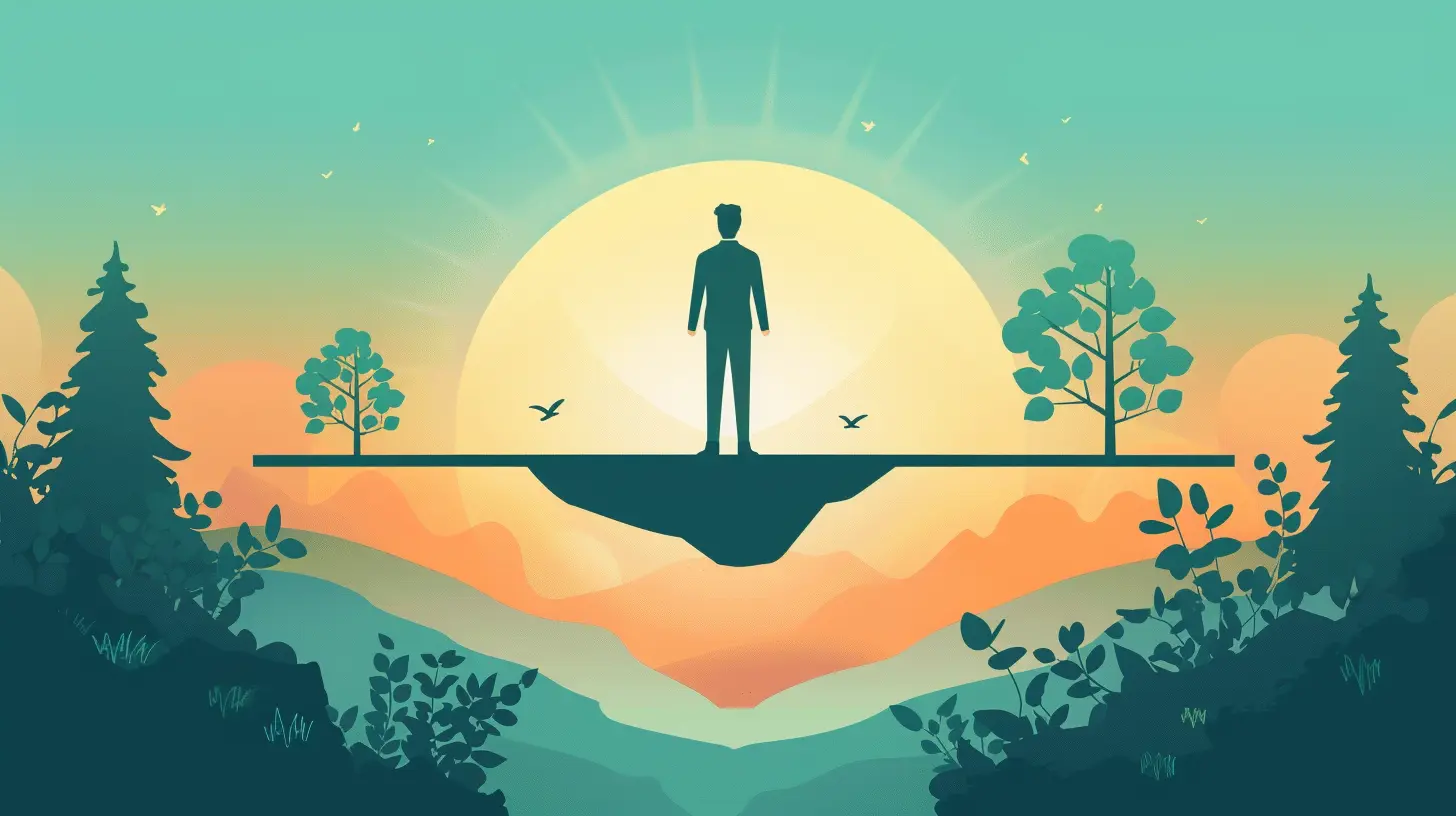
Overcoming Common Challenges
“I Don’t Have Time for Personal Well-Being.”
Let’s be real—if you don’t make time for your well-being now, you’ll be forced to make time for illness later. Prioritizing yourself isn’t selfish; it’s self-preservation.“My Work is Too Demanding.”
Even in demanding jobs, balance is possible. Start small—take five-minute breaks, practice deep breathing, or delegate minor tasks. Small shifts lead to big changes over time.“I Feel Guilty When Taking Breaks.”
Here’s a mindset shift: Rest isn’t unproductive—it’s a power move. The most successful people prioritize rest because they know it fuels long-term success. Guilt-free breaks make you better, not lazier.Final Thoughts
Balancing professional development with personal well-being isn’t about choosing one over the other—it’s about harmonizing both. Growth doesn’t have to come at the expense of peace. You can chase your dreams, achieve your goals, and still have time to breathe, laugh, and enjoy life.So, set boundaries, recharge guilt-free, and remember YOU are your greatest asset. Take care of yourself, and success will follow.
all images in this post were generated using AI tools
Category:
Professional DevelopmentAuthor:

Fiona McFarlin
Discussion
rate this article
2 comments
Jane Hunter
Thank you for this insightful article! Balancing professional growth with personal well-being is crucial for sustainable success. Your suggestions on prioritizing self-care and setting boundaries resonate strongly. I appreciate the practical tips provided, and they will undoubtedly help many educators in their journey.
February 28, 2026 at 5:56 AM
Fiona McFarlin
Thank you for your kind words! I'm glad you found the tips helpful and that they resonate with educators striving for balance.
Kathleen McKinnon
Great article! It beautifully highlights the importance of finding harmony between professional growth and personal well-being. Striking that balance is crucial for long-term success and happiness. Thanks for sharing such valuable insights—it's a reminder to prioritize self-care while striving for our career goals!
February 14, 2026 at 4:25 AM
Fiona McFarlin
Thank you for your thoughtful comment! I'm glad you found the article's message about balancing growth and well-being valuable. Prioritizing self-care is indeed essential for sustainable success!