How to Design a Classroom That Encourages Creative Risk-Taking
2 April 2026
Have you ever walked into a room and instantly felt like you could do anything? That sense of possibility—that spark—is exactly what we want to create in our classrooms. In a world that values innovation, collaboration, and creative problem-solving, students need more than traditional desks in neat rows and text-heavy worksheets. They need a space that tells them it's okay to try, to fail, and most importantly, to think differently.
So, how do we make that happen?
Let’s dive into how to design a classroom that encourages creative risk-taking, step-by-step. Spoiler alert: It’s not just about bean bags and colorful posters (although those don’t hurt).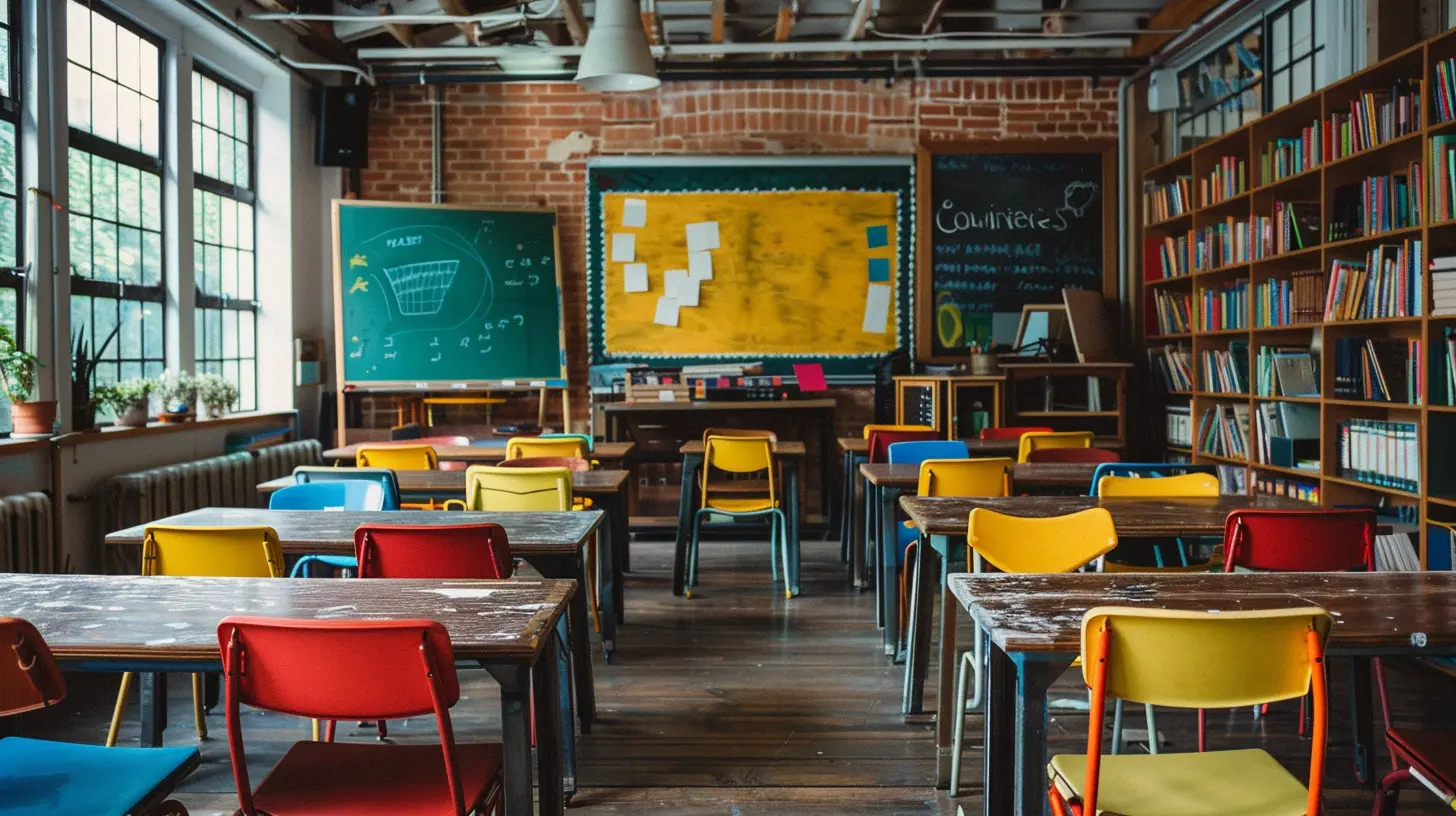
Why Creative Risk-Taking Matters
Before we start rearranging furniture or painting walls, let’s talk about the “why.” Encouraging students to take creative risks means helping them become more confident, curious, and resilient learners. It also nurtures essential life skills like problem-solving, adaptability, and initiative.Think about it: some of the world’s most successful people failed—many times—before they made it big. Walt Disney was told he lacked imagination. Oprah was fired from her first TV job. But they kept trying. They leaned into risk.
And that’s the environment we want for our students. One where mistakes aren’t something to fear—they're just part of the learning process.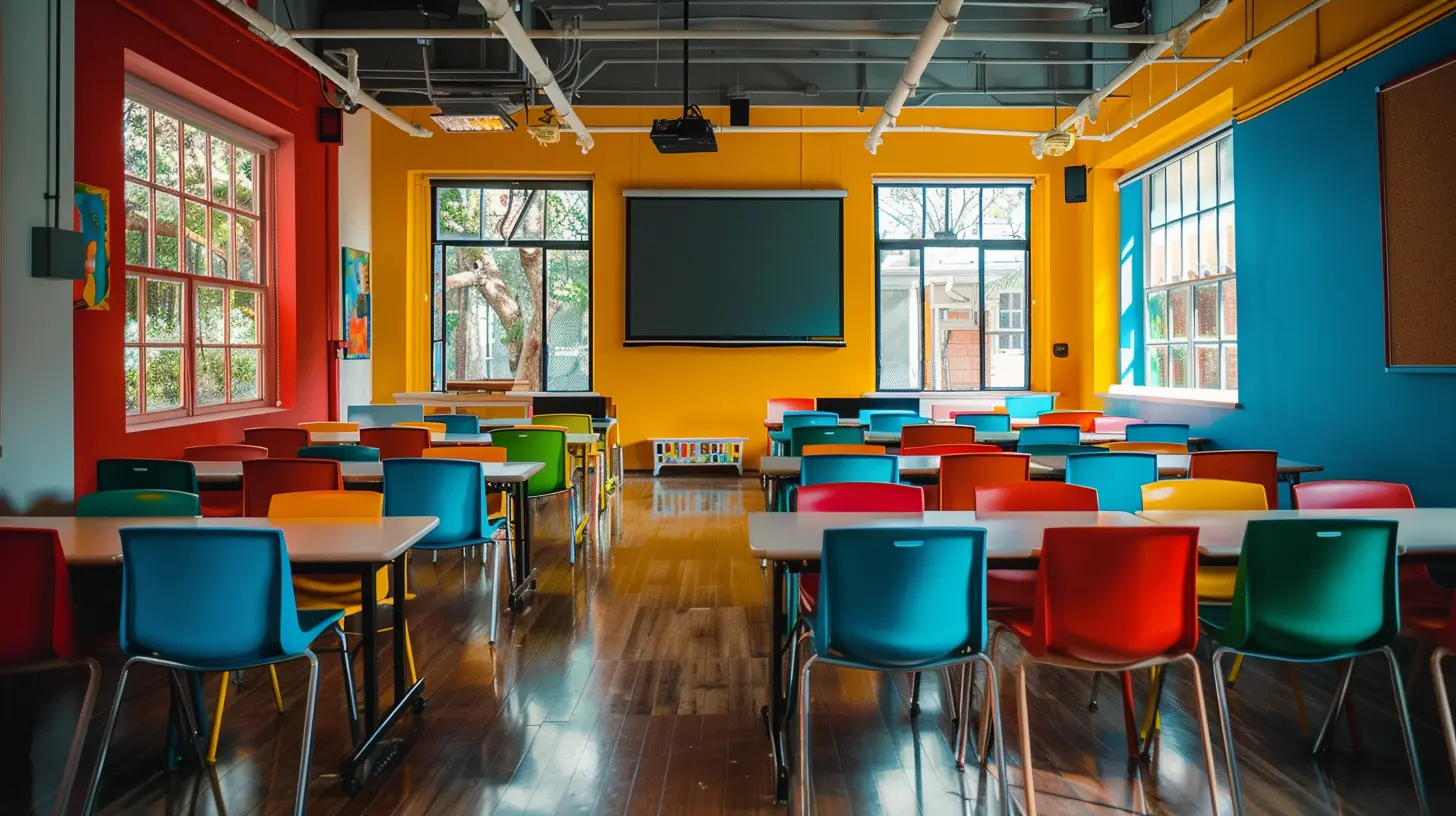
Creating an Environment of Psychological Safety
Let’s start with the foundation. You could have the most visually appealing classroom ever, but if students don’t feel safe to share their ideas, none of it matters.What is Psychological Safety?
It’s the belief that you won’t be punished or humiliated for speaking up with ideas, questions, or mistakes. That’s kind of a big deal, right? If students are afraid of being wrong, they’ll stop trying. And guess what? No risk = no reward.Tips to Promote Psychological Safety:
- Celebrate all attempts, even the wrong ones. Make “failure” a badge of honor. Try a “First Attempt in Learning” (F.A.I.L.) wall.- Model vulnerability. Share your own mistakes. Let them see that even adults mess up—and bounce back.
- Avoid perfection. Don’t only praise “right” answers. Instead, highlight effort, creativity, and persistence.
Remember: the tone you set as a teacher speaks louder than any poster on the wall.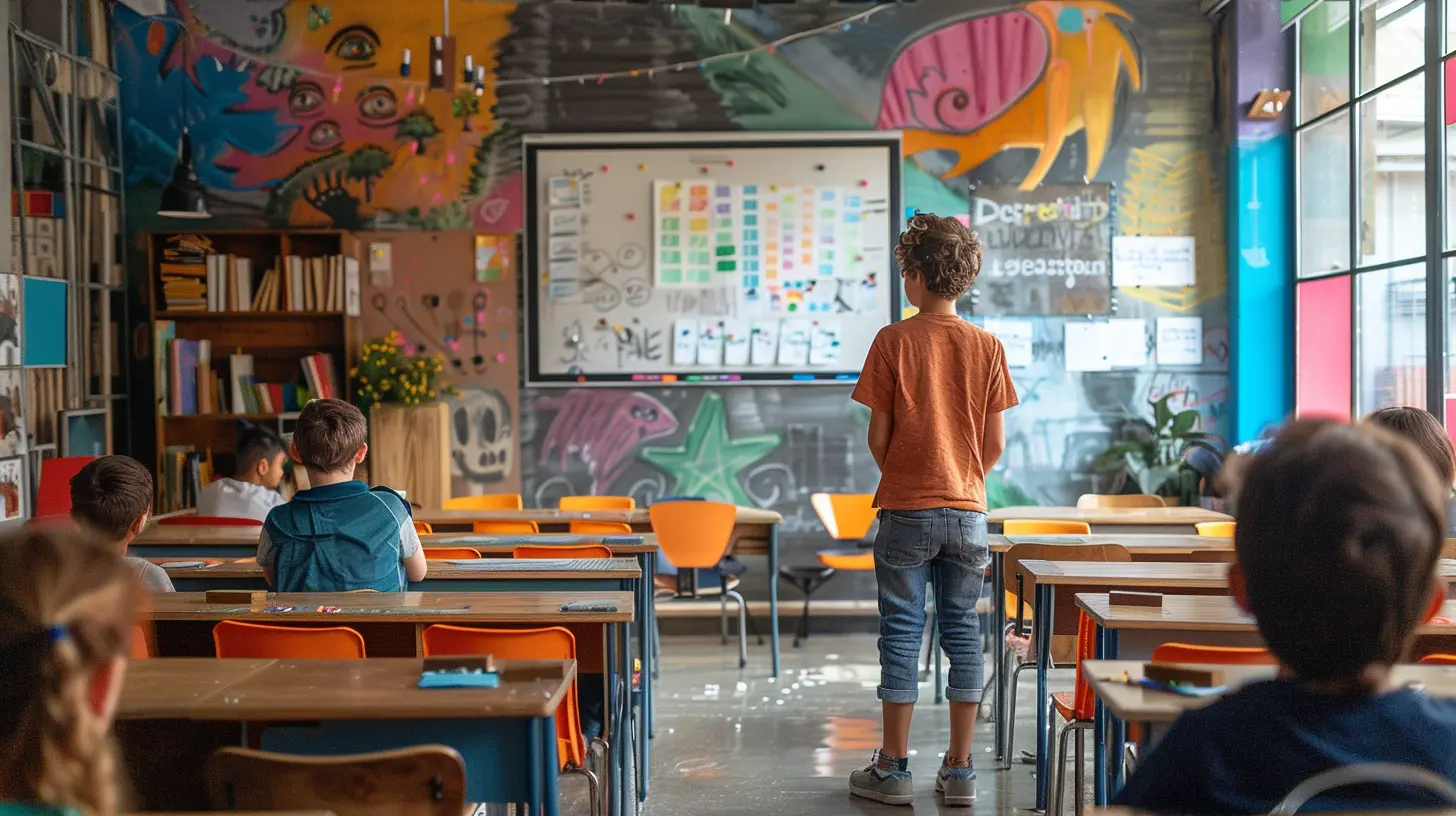
Flexible Seating and Space for Movement
Let’s face it: sitting in hard chairs all day isn't exactly inspiring. Traditional seating arrangements scream compliance, not creativity.Shake Things Up With Flexible Seating
Now I’m not saying you have to buy a whole new set of furniture, but giving students choice in where and how they learn does wonders for creativity. Consider:- Bean bags and yoga balls
- Standing desks or floor cushions
- Learning stations or “zones” with different activities
- Collaborations spaces with whiteboards or large paper
Giving students the freedom to move and choose their workspace fosters independence and can lead to some unexpected “aha!” moments.
Don’t Forget Space for Messiness
Creativity is rarely clean and tidy. Designate a space in your classroom where it’s okay to get messy—literally and figuratively. Think art projects, science experiments, or prototype building. A Creativity Corner, if you will.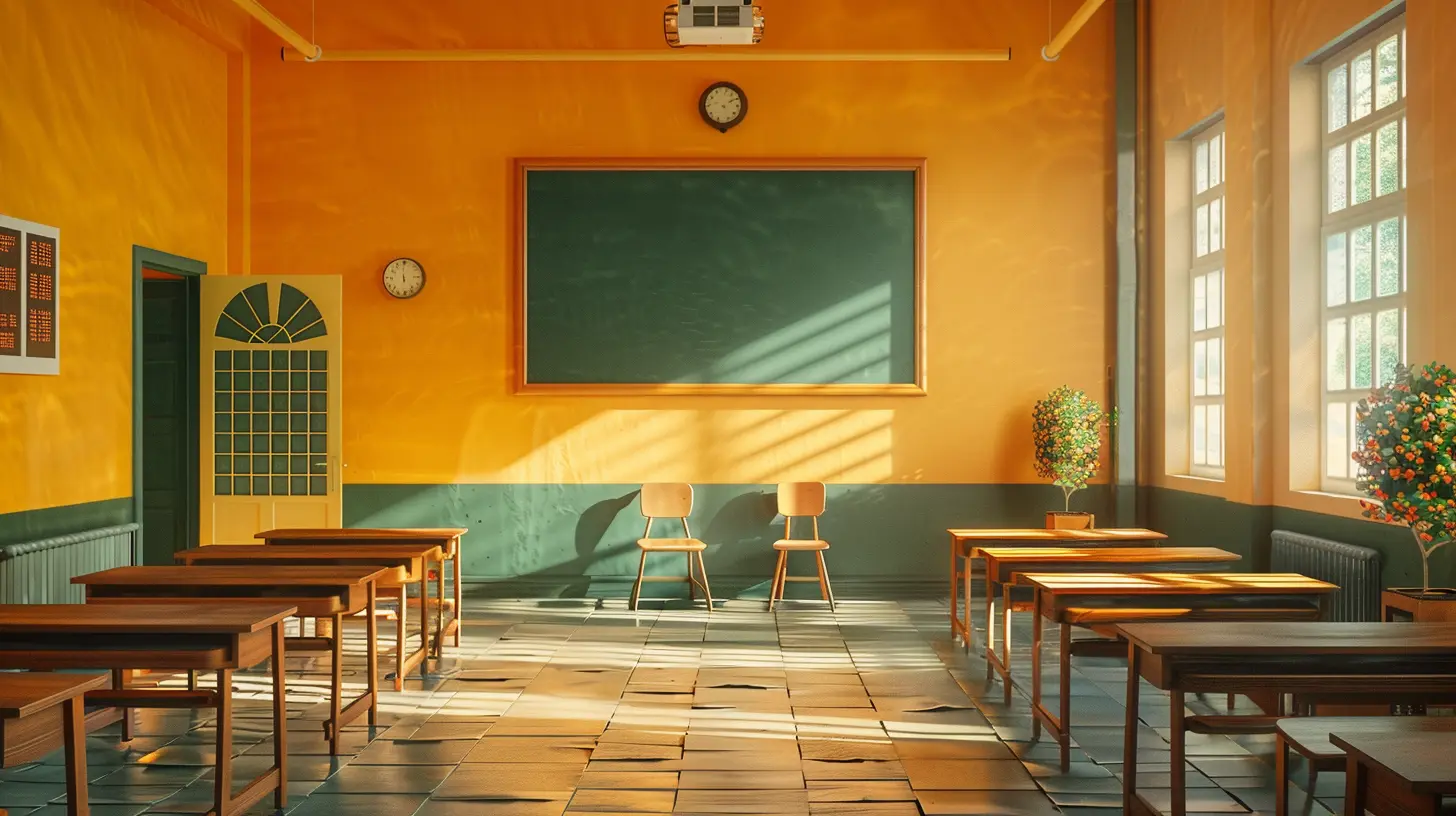
Design with Color, Inspiration, and Fun in Mind
Imagine working in a dull, grey cubicle every day. Not very motivating, right?Let Creativity Shine Through Visuals
Colors, artwork, and quotes can prime the brain for creativity. They set the tone for the kind of thinking you want to see.- Use bright but calming colors (blues, greens, and yellows are creativity boosters)
- Display student work prominently—especially the unconventional stuff
- Fill your walls with inspiring quotes, questions, or even rotating “thought-starters”
Pro tip: let students help decorate. It gives them ownership and says, “this is our learning space.”
Structure that Supports Freedom
I know “structure” and “freedom” seem like opposites. But hear me out: a well-structured routine provides the safety net that allows students to take creative leaps without chaos.Balanced Routines That Empower
- Set up predictable routines so students know what to expect—but leave room for choice and exploration.- Use project-based learning or inquiry-based activities where students get to make decisions.
- Incorporate “challenge time” during the week where students tackle open-ended problems.
Think of it like jazz. There’s a structure, sure—but each student gets the freedom to improvise.
Encourage Curiosity Through Open-Ended Questions
Every creative idea starts with a question. So make questioning a habit in your classroom.Instead of asking, “What’s the right answer?” ask things like:
- “What do you think will happen if…?”
- “Is there another way to solve this?”
- “How could this be different?”
- “What’s your wildest idea?”
Also, keep a “Wonder Wall” where students can post questions about anything. You never know what rabbit hole might lead to brilliance!
Reflection: The Secret Sauce of Risk-Taking
Reflection isn’t just a “wrap-up activity.” It’s where learning gets solidified—and where risk-taking becomes intentional.Make Time to Reflect
Whether it’s after a project, a discussion, or a challenge, build in moments for:- Journaling or blogging
- Group discussions about challenges and triumphs
- Portfolio building with reflection prompts
- Peer feedback sessions
Encourage students to reflect on what worked, what didn’t, and what they’d try differently next time. That’s how you build a creative mindset that lasts way beyond the classroom.
Incorporate Real-World Problems
Want students to take risks? Give them problems worth solving.When projects are based on real-world issues, students are more engaged—and more willing to step outside their comfort zones.
Try things like:
- Designing solutions for community problems
- Creating campaigns about causes they care about
- Partnering with local businesses or nonprofits for service-learning
When the stakes feel real, the motivation skyrockets.
Use Technology to Open Doors
Technology, when used intentionally, can be an incredible tool for creativity.Let students:
- Make videos, animations, or podcasts
- Create digital prototypes or interactive stories
- Explore virtual art studios or science simulations
The goal isn’t to use tech for tech’s sake—but to expand the ways students can think, create, and share ideas.
Foster a Growth Mindset Every Day
Carol Dweck’s work on growth mindsets is the backbone of creative risk-taking. If students believe they can grow and improve, they’re more likely to try something new—even if it’s hard.So, sprinkle mindset magic throughout your day:
- Use phrases like, “You’re not there—yet.”
- Celebrate effort and perseverance alongside outcomes
- Post reminders like “Mistakes are proof you're trying”
It’s not fluff—it’s brain science. Growth mindset sets the stage for fearless learning.
Let Students Lead
The ultimate risk-taker? A student given the chance to lead.Whether it’s running a classroom activity, mentoring a peer, or presenting to the school, leadership roles build confidence and resilience.
Try:
- Genius Hour projects
- Student-led conferences
- Peer teaching sessions
- Class jobs with real responsibility
Give them room to shine. You’ll be amazed at what they can do.
Final Thoughts: It Starts With You
You don’t need a fancy room makeover or an unlimited budget to create a classroom that encourages creative risk-taking.Start with your mindset. Are you willing to try something new? To model making mistakes? To trust your students to lead their own learning?
The environment you create is part physical space, part emotional vibe, and part relational magic. When students feel safe, encouraged, and inspired, creativity flows. Risks become the norm. And learning? Well, it becomes downright exciting.
So go ahead—shake up your classroom. Make space for mess. Embrace the unexpected. Because that’s where the magic happens.
all images in this post were generated using AI tools
Category:
Creativity In EducationAuthor:

Fiona McFarlin
Discussion
rate this article
2 comments
Lisette Cummings
Embrace chaos! A classroom thriving on creative risk-taking shatters conformity, igniting innovation and empowering students to explore fearlessly.
April 4, 2026 at 10:40 AM
Fiona McFarlin
Absolutely! Embracing chaos fosters an environment where creativity flourishes, allowing students to take risks and innovate without fear.
Corinne Valentine
This article insightfully highlights the importance of a flexible and supportive classroom environment. However, it could further explore how specific teaching practices and student feedback can enhance creative risk-taking.
April 4, 2026 at 2:50 AM
Fiona McFarlin
Thank you for your insightful feedback! I appreciate your suggestion and will consider incorporating specific teaching practices and student feedback in future discussions on fostering creative risk-taking.