How Student Exchange Programs Promote Global Citizenship
17 March 2026
Ever wondered how a semester abroad could completely change your perspective on the world? Well, student exchange programs aren’t just about hopping on a plane and studying somewhere new—they go way deeper than that. These experiences are life-altering opportunities that mold students into global citizens. That’s right. Global citizens. The kind of people who think beyond borders, understand cultural nuances, and advocate for a more connected, empathetic world.
Let’s break it down and talk about how packing your bags and heading to another country for school can do much more than just look good on your resume. We're talking about personal growth, cultural fluency, deeper worldviews, and skills that last a lifetime.
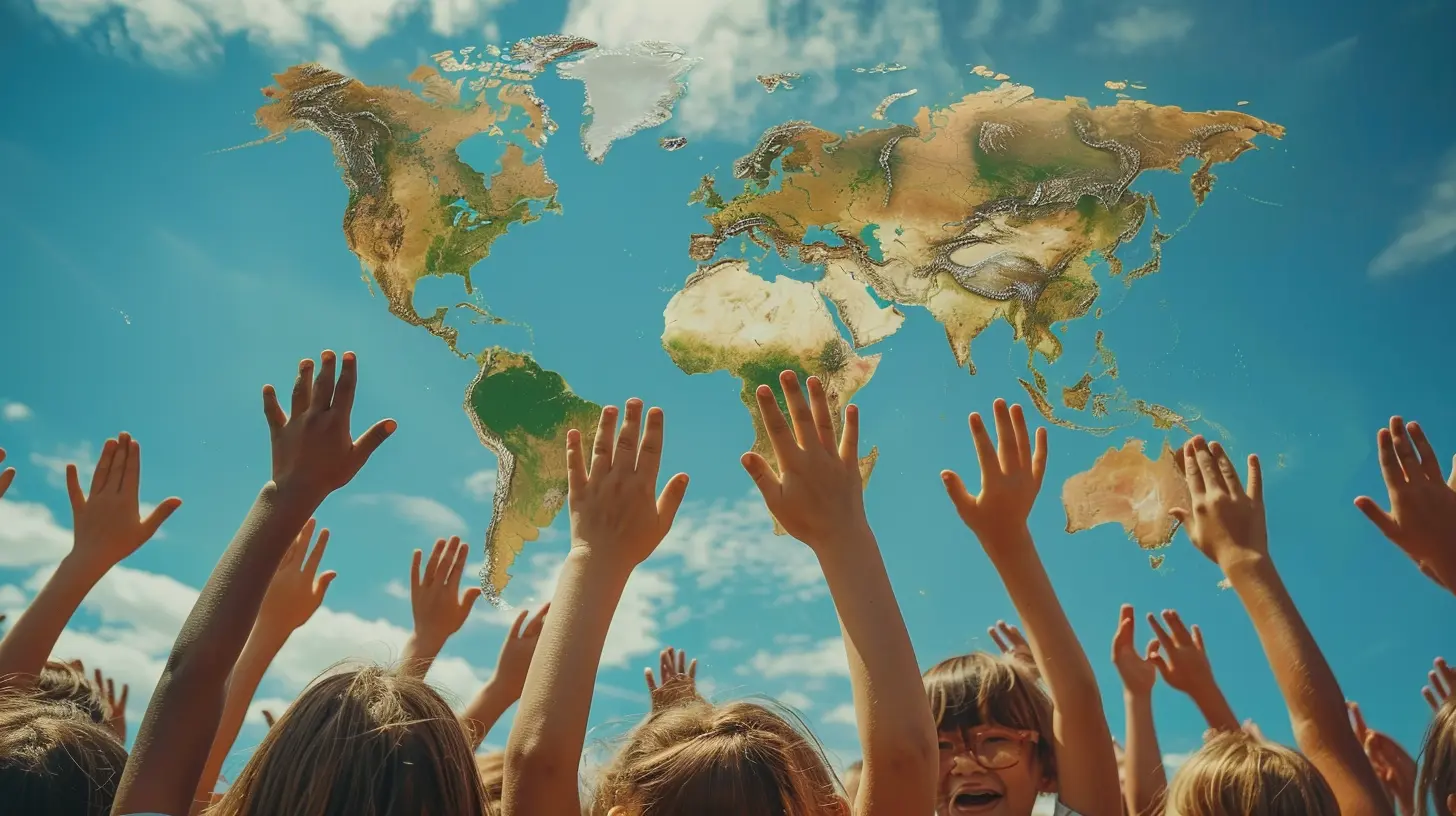
What Exactly is a Global Citizen?
Before we get into how exchange programs get you there, let’s talk about what being a global citizen actually means.A global citizen is someone who:
- Understands and appreciates different cultures.
- Recognizes the interconnectedness of communities and countries.
- Takes responsibility for the impact of their actions on the world.
- Is open-minded, tolerant, and empathetic.
- Actively seeks solutions to global issues like climate change, inequality, and human rights.
Sounds pretty awesome, right? But how does jetting off to study in Spain, Japan, or South Africa get you there?
Cultural Immersion: The Heart of Global Understanding
Exchange programs drop you into the middle of a totally different culture. And we’re not just talking about trying new food or picking up a few foreign phrases. Nope, we’re talking full-on immersion.You're living with a host family or staying in a foreign dorm. You're navigating cultural norms, catching local buses, attending classes, and maybe even celebrating holidays you’ve never heard of before.
Real-World Experience Beats Textbooks
Let’s be honest—reading about another culture in a textbook doesn’t even come close to experiencing it firsthand. When you participate in a student exchange program, you’re not just learning about the world—you’re living it.You begin to understand not just the what, but the why behind cultural behaviors. Why are certain traditions so important? Why is eye contact considered rude in some places and a sign of respect in others?
This immersion builds empathy and appreciation for differences, which are foundational traits of a global citizen.
Language Skills: More Than Just Words
Sure, you might start your exchange trip barely able to order food in another language. But give it a few months, and you’ll be cracking jokes, holding debates, and maybe even dreaming in your second language.Learning a language isn’t just about vocabulary—it’s about connecting with people on their terms. When you speak someone’s native language, you’re stepping into their world and seeing life from their point of view.
And that builds bridges. Learning to communicate across language barriers is a superpower in today’s globalized world.
Breaking Stereotypes and Busting Biases
Here’s where things get really interesting. Most of us grow up with certain assumptions about people from other countries. It’s not necessarily intentional—but media, education, and social circles can feed us stereotypes without us even realizing it.When you do a student exchange, those mental walls start to crumble.
You realize that not all Germans are punctual, not every American loves fast food, and that “Africa” isn’t a country (yep, that’s a common one). You meet real people, with real stories, and you learn to see them as individuals—not as representatives of a monolithic culture.
This dismantling of stereotypes is a game-changer. It fosters tolerance and teaches you to judge people by their actions, not assumptions.
Global Friendships: Connections That Matter
One of the coolest parts of being in an exchange program? The friends you make.You’ll meet people from all over the world, and some of them will become lifelong buddies. These aren’t just casual travel friendships, either. You’ll share experiences, struggles, laughter, and probably a few awkward translation moments.
These connections don’t just make your time abroad more fun—they expand your social network in the most meaningful way. You start to care about global issues not just as abstract headlines, but because they impact your friends.
Suddenly, a typhoon in the Philippines isn’t just something on the news—it’s something affecting people you love. That’s global citizenship in action.
Confidence and Independence: Growing Up, Real Fast
Living in a foreign country, even for a few months, is no joke. You’ll have to figure out how to:- Use public transport in a language you barely speak.
- Navigate strange food and customs.
- Deal with homesickness and culture shock.
- Make new friends from scratch.
And guess what? You’ll do it. All of it.
By the end of your program, you won’t just be more worldly—you’ll be more confident, adaptable, and resilient. You’ll know how to handle challenges, communicate across cultures, and figure things out when life gets messy (because it will).
That kind of maturity is gold—not just for you personally, but for the communities you’ll go on to impact.
Academic and Career Benefits (Yep, They’re Real)
Let’s not forget the practical perks. Student exchange programs look amazing on college applications and job resumes. Why? Because they signal a bunch of things employers and admission officers love:- Cultural awareness
- Soft skills like adaptability and problem-solving
- Language proficiency
- Initiative and independence
- Global engagement
In a world that's getting smaller and more connected every day, these aren’t just "nice-to-haves"—they’re essential. Whether you're eyeing a top university, a global nonprofit, or a multinational company, international experience sets you apart.
Developing a Global Perspective on Big Issues
We live in a world where the big problems—climate change, inequality, pandemics, human rights—don’t stop at borders. Solving them requires cooperation, empathy, and global thinking.Student exchange programs plant the seeds of those solutions by helping young people see the world as one interconnected system. You begin to understand how your actions affect others and why things like sustainability and social justice matter—not just at home, but everywhere.
It's this mindset that transforms students into advocates, leaders, and changemakers.
Adaptability: Thriving in the Unexpected
Life abroad is unpredictable. Plans change, buses get missed, meals turn out...interesting. But each time you adapt, you're building a muscle for flexibility.This isn’t just useful for travel—it’s a life skill in today’s fast-changing world. Whether it's a new job, a new city, or a global crisis, adaptability is what enables you to not just survive, but thrive.
Empathy and Open-Mindedness: Two Superpowers
There’s something magical about stepping into someone else’s shoes. Student exchange programs offer endless opportunities to see the world through other people's eyes.You’ll learn to appreciate different points of view, respect cultural beliefs that differ from your own, and listen more than you talk. These experiences stretch your mind and soften your heart. They remind you that while people may look, speak, and believe differently, we all share the same hopes, fears, and dreams.
And that? That’s what being a global citizen is all about.
Challenges That Teach You Real-Life Lessons
Let’s not sugarcoat it—exchange programs aren't always easy. You’ll face loneliness, frustration, and maybe even a few tears. But these challenges are part of the growth.Each tough moment teaches you something new: how to ask for help, how to laugh at yourself, how to bounce back. It’s like emotional CrossFit. You come out stronger, wiser, and more compassionate.
And believe it or not, that’s often where the real transformation happens.
Becoming a Global Advocate
Once you’ve experienced the world from multiple perspectives, you can’t unsee it. Global citizens often become advocates for change. Whether it’s through volunteering, career choices, or activism, many exchange students go on to play a role in making the world a better place.You might find yourself promoting diversity in your workplace, supporting inclusive policies, or working in humanitarian sectors. The sky’s the limit once your worldview expands.
Final Thoughts: It’s More Than a Trip—It’s a Transformation
Student exchange programs are more than just academic adventures—they’re launching pads for personal and global transformation. They stretch your comfort zone, challenge your biases, and connect you to people and places you never even dreamed of.So if you're sitting on the fence, wondering whether it's worth it or feeling nervous about all the unknowns—just take the leap. Because when you return, you won’t just be a student who studied abroad. You’ll be a global citizen ready to shape the world.
And honestly? That’s a pretty incredible title to carry with you for life.
all images in this post were generated using AI tools
Category:
Student Exchange ProgramsAuthor:

Fiona McFarlin
Discussion
rate this article
2 comments
Iliana McLemore
What an intriguing perspective! I'm curious about how specific experiences within student exchange programs shape individual views on global issues. Can we explore examples of transformative moments in these exchanges?
March 23, 2026 at 5:04 AM
Fiona McFarlin
Absolutely! Transformative moments often arise from cultural immersion, such as navigating language barriers, participating in local traditions, or forming deep friendships with peers from diverse backgrounds. These experiences foster empathy, broaden worldviews, and encourage students to engage actively in global issues.
Lindsey Dodson
Absolutely loved this article! Student exchange programs are a fantastic way to nurture global citizenship and cultivate understanding among diverse cultures. Excited to see more students embrace these experiences!
March 17, 2026 at 1:47 PM
Fiona McFarlin
Thank you so much for your kind words! I’m glad you found the article inspiring. Student exchange programs truly do foster global understanding and connections!