How Collaborative Learning Will Shape Education in 2026
22 April 2026
Education is on the brink of a profound transformation as we approach 2026. With technology advancing at breakneck speed and the world becoming more interconnected, one pedagogical approach stands out: collaborative learning. But what does this mean, and how will it shape the future of education? Buckle up as we dive into the fascinating world of collaborative learning and its implications for students, educators, and the educational system as a whole.

Understanding Collaborative Learning
So, what exactly is collaborative learning? Picture a group of students huddled together, brainstorming ideas, dissecting problems, and sharing knowledge. It’s like a potluck dinner where everyone brings their unique dish to the table. In this case, each student contributes their thoughts, perspectives, and skills, enriching the learning experience for everyone involved. Collaborative learning isn’t just about working together; it’s about creating an environment where students actively engage, share, and grow.The Importance of Collaboration
Why is collaboration so important? Well, think about the world outside the classroom. In nearly every profession, collaboration is key. Whether you're in a boardroom, a lab, or a creative studio, working with others often leads to better results than going solo. By fostering collaboration in education, we’re preparing students to thrive in an increasingly cooperative world—a world that values teamwork, communication, and problem-solving skills.
The Evolution of Education: A Brief Overview
To understand how collaborative learning will shape education in 2026, we must first take a look back at how education has evolved over the years. In the past, learning was often a solitary journey. Students sat in rows, absorbed information from lectures, and completed assignments individually. This traditional model had its merits, but it also had significant limitations.The Rise of Group Projects
Fast forward to the early 2000s, and we started to see the emergence of group projects. Teachers began to recognize the value of students working together to tackle assignments. However, these projects often felt forced and were sometimes viewed as just another task to check off the list. Students may have collaborated, but the focus was often on completing the assignment rather than on the learning process itself.Enter Collaborative Learning
Collaborative learning takes group work to the next level. It emphasizes not only the importance of working together but also the value of the learning that occurs through interaction. Instead of merely completing a task, students engage in discussions, challenge each other's ideas, and learn from their peers. This approach ignites curiosity and fosters a deeper understanding of the subject matter.
The Role of Technology in Collaborative Learning
As we look ahead to 2026, technology will play a monumental role in shaping collaborative learning experiences. With the advent of tools like virtual reality, artificial intelligence, and online collaborative platforms, the possibilities are endless.Virtual Classrooms
Imagine a classroom where students from around the globe can collaborate in real-time. With virtual classrooms, students can work together on projects, share resources, and participate in discussions, all from the comfort of their homes. This opens up a world of diversity—students can learn from peers with different perspectives, cultures, and experiences, enriching their education in ways that were once unimaginable.Interactive Learning Tools
There’s no shortage of interactive learning tools available today. From online whiteboards to project management platforms, technology facilitates collaboration in ways that traditional classrooms simply cannot. For instance, tools like Google Docs allow multiple students to work on a single document simultaneously, providing instant feedback and encouraging active participation.Gamification of Learning
Gamification is another exciting trend that enhances collaborative learning. By turning lessons into games or challenges, students are more likely to engage and collaborate. Picture this: a classroom where students work in teams to solve puzzles or complete quests related to their curriculum. It’s fun, interactive, and encourages teamwork—all essential components of collaborative learning.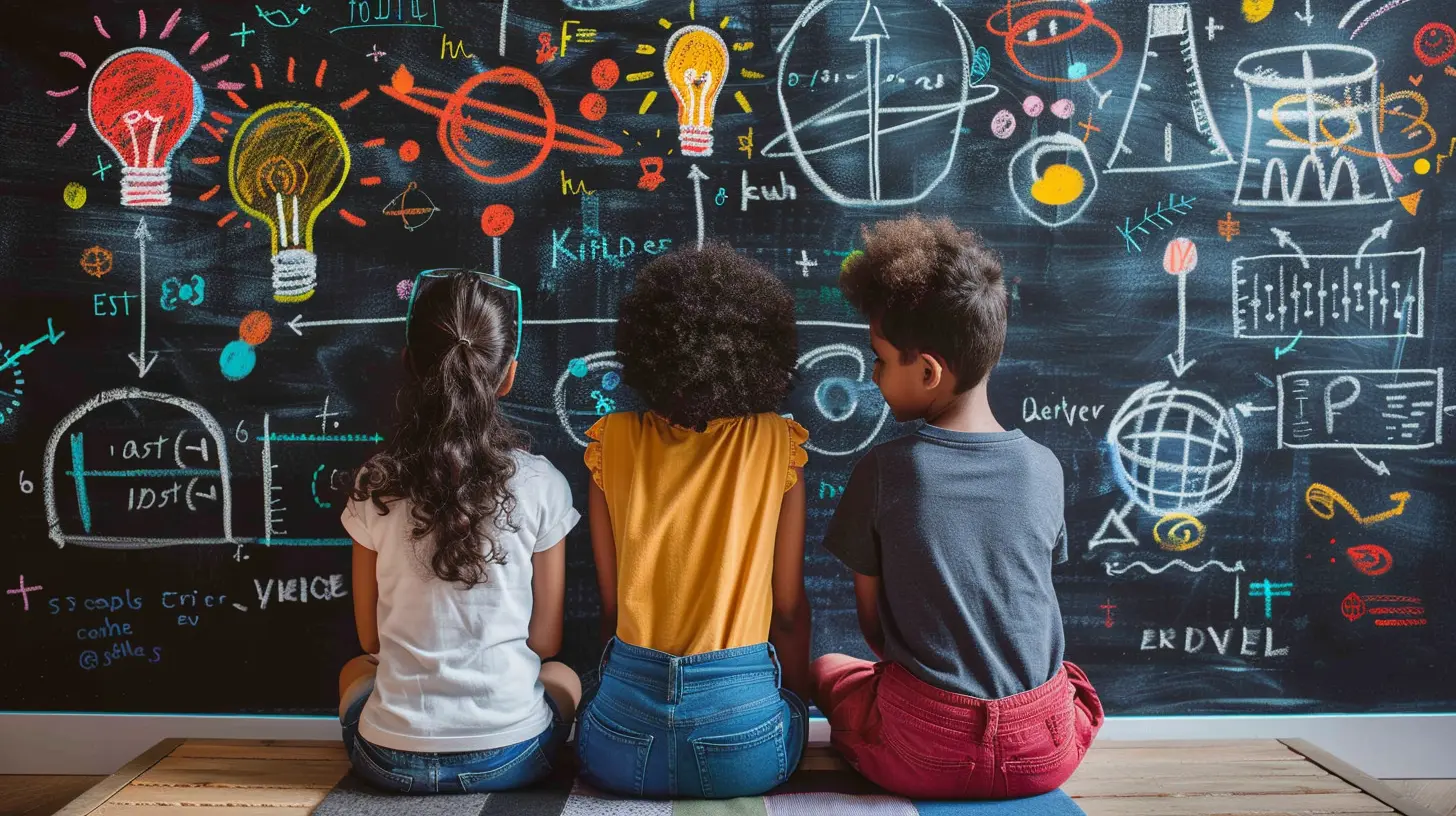
Collaborative Learning in Action: Real-World Applications
Let’s take a moment to dive into some real-world applications of collaborative learning. How does this look in practice?Project-Based Learning (PBL)
In a PBL environment, students work in teams to tackle complex, real-world problems. For instance, a group of students might take on the challenge of designing a sustainable city. They would research, brainstorm, and present their findings, all while learning key concepts in science, geography, and social studies. This approach not only fosters collaboration but also deepens critical thinking and creativity.Peer Teaching
Another effective method is peer teaching, where students take on the role of educators. For example, one student might teach a lesson on algebra while another explains a historical event. This not only helps students reinforce their understanding of the material but also builds confidence and communication skills. Plus, there’s something incredibly empowering about teaching others!Collaborative Science Experiments
Think about science classes where students work together to conduct experiments. Instead of one student doing all the work, they collaborate to hypothesize, test, and analyze results. This hands-on approach not only makes learning fun but also encourages teamwork and critical thinking.The Social-Emotional Benefits of Collaborative Learning
The benefits of collaborative learning extend beyond academic achievement. Engaging with peers fosters social-emotional learning (SEL), which is crucial for personal development and success in life.Building Relationships
When students collaborate, they form connections with their classmates. These relationships can lead to a greater sense of belonging and community within the classroom. Students learn to respect different opinions, manage conflicts, and support one another—skills that are invaluable in both personal and professional settings.Boosting Confidence
Collaboration can also boost a student’s confidence. When students share their ideas and contribute to group discussions, they feel valued and heard. This validation can lead to increased self-esteem and a more positive attitude toward learning.Enhancing Communication Skills
In a collaborative learning environment, students must communicate effectively with one another. They learn to articulate their thoughts, listen actively, and provide constructive feedback. These skills are essential not just in school, but throughout life.
Preparing Educators for Collaborative Learning
As we move toward 2026, it’s crucial to equip educators with the skills and tools necessary to facilitate collaborative learning effectively. This means providing professional development opportunities and resources to help teachers embrace this teaching approach.Training and Workshops
Educators should receive training on how to design collaborative learning experiences and incorporate technology into their classrooms. Workshops focusing on group dynamics, conflict resolution, and effective communication can also empower teachers to create an inclusive and supportive learning environment.Creating Collaborative Curriculum
Curriculum development is another critical area. Schools need to prioritize collaborative learning in their curricula, ensuring that students engage in meaningful group work across subjects. This could involve revising lesson plans, integrating project-based learning, and encouraging cross-disciplinary collaboration.Encouraging a Growth Mindset
Finally, fostering a growth mindset among educators is vital. Teachers should feel encouraged to experiment with new teaching strategies and collaborate with their peers. This not only enhances their professional development but also creates a culture of continuous improvement within the school.A Vision for 2026
So, what will education look like in 2026 with collaborative learning at its core? Let’s paint a picture.A Diverse Learning Environment
Classrooms will be vibrant melting pots of ideas, cultures, and perspectives. Students will collaborate with peers from different backgrounds, enriching their learning experience and preparing them for a globalized world.Enhanced Engagement and Motivation
With the integration of technology and interactive learning tools, students will be more engaged than ever. They will approach learning with enthusiasm, eager to collaborate and explore new concepts.Lifelong Learners
By embracing collaborative learning, we’re not just preparing students for exams; we’re nurturing lifelong learners. Students will develop critical thinking, creativity, and social skills that will serve them well beyond the walls of the classroom.
Conclusion
Collaborative learning is not just a trend; it’s the future of education. As we move toward 2026, embracing this approach will shape our classrooms into dynamic spaces of engagement, creativity, and collaboration. Educators, students, and the entire educational system stand to benefit from this transformative shift. So, let’s take a step forward and embrace the power of collaboration in education!all images in this post were generated using AI tools
Category:
Learning TechniquesAuthor:

Fiona McFarlin
Discussion
rate this article
2 comments
Greyson Phelps
This article presents a thoughtful exploration of collaborative learning's potential in shaping education by 2026. By emphasizing teamwork and communication skills, it highlights the importance of preparing students for an interconnected world. However, it's essential to consider individual learning styles to ensure inclusivity in these innovative approaches.
April 24, 2026 at 12:11 PM
Fiona McFarlin
Thank you for your insights! Balancing collaboration with individual learning styles is key to fostering inclusivity in education's future. Your perspective adds depth to the conversation.
Layla Adkins
This article highlights crucial trends in collaborative learning. Embracing these methods will empower students and enhance problem-solving skills for future challenges.
April 23, 2026 at 4:45 AM
Fiona McFarlin
Thank you for your insights. I'm glad you found the trends in collaborative learning significant. Together, we can shape a more engaging future for education.