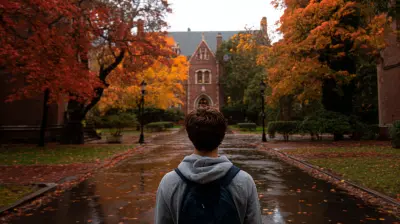
How Civic Education Can Combat Political Apathy
6 June 2026
Look—we’ve all been there. You’re watching the news, and someone starts talking about voter turnout, government policies, or who’s running for what office... and your brain just taps out like it’s being forced to sit through a five-hour math lecture without snacks. Political apathy? It’s real. It’s rampant. And yep, it’s a problem.
But here’s the plot twist: civic education might just be the superhero we didn’t know we needed to snap us out of our “meh, politics is boring” mindset. So if you’ve ever rolled your eyes at politics or know someone who has, buckle up. We’re diving into how civic education can (and should) kick political apathy to the curb.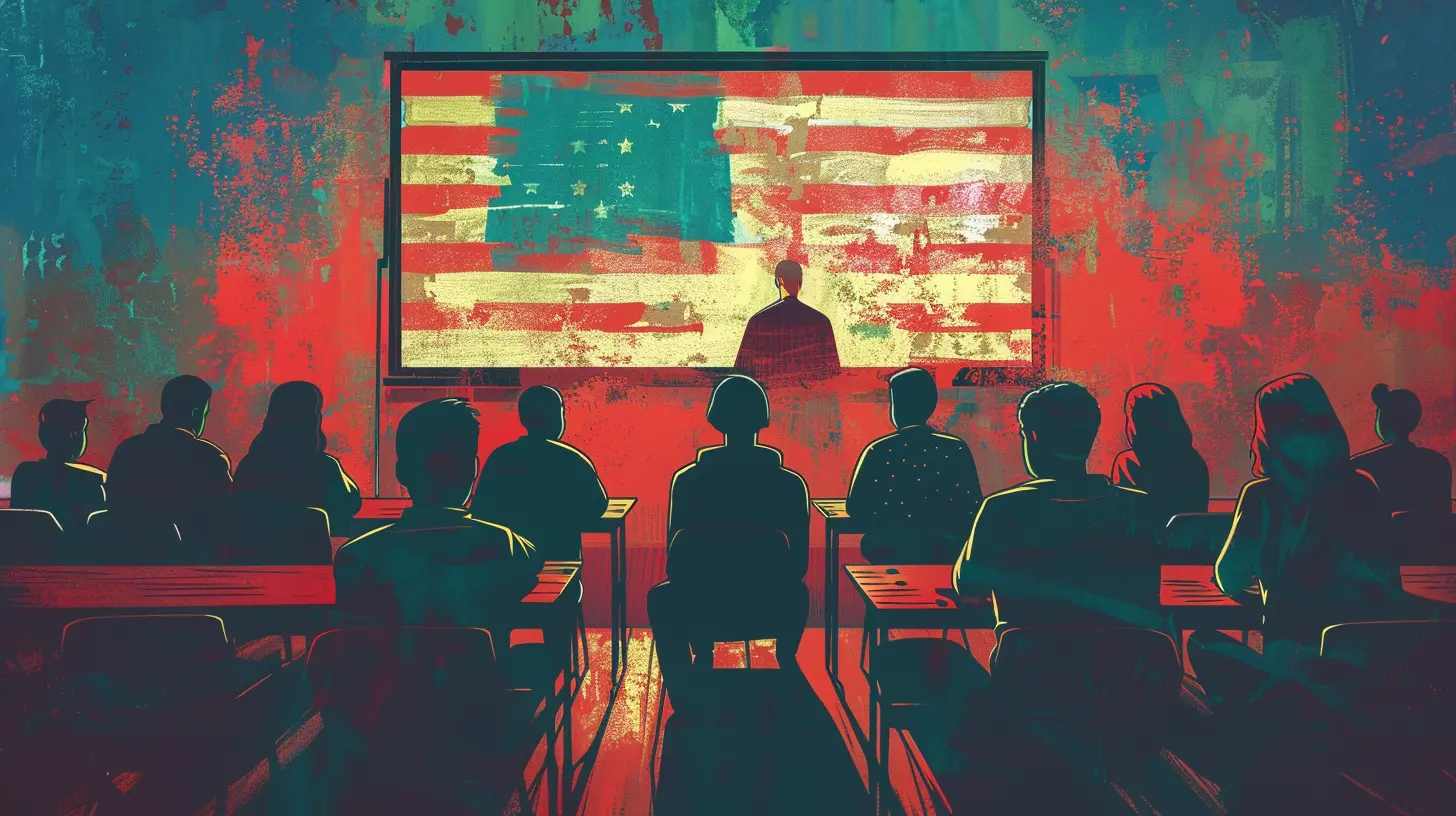
What Even Is Political Apathy?
Let’s not get all fancy-schmancy with definitions. Political apathy is basically when people just don’t care about politics. They don’t vote, don’t stay informed, don’t engage, and don’t think their voice matters. It’s like being invited to a potluck and deciding not to show up or bring snacks. Not cool, right?This detachment can be caused by all sorts of things: distrust in the system, lack of understanding, feeling overwhelmed, or just thinking “my one vote doesn’t matter.” Spoiler alert: it does matter. But we’ll get there.
So...What’s Civic Education?
If political apathy is the villain, civic education is the wise old wizard—the Gandalf of public knowledge, if you will. Civic education is all about teaching people (especially students) how government works, why participation matters, and how to be informed citizens.It’s not just memorizing the three branches of government (though that helps). It’s about understanding your role in the democratic process. It’s about knowing your rights, understanding policies, asking questions, and using your voice like a political mic drop.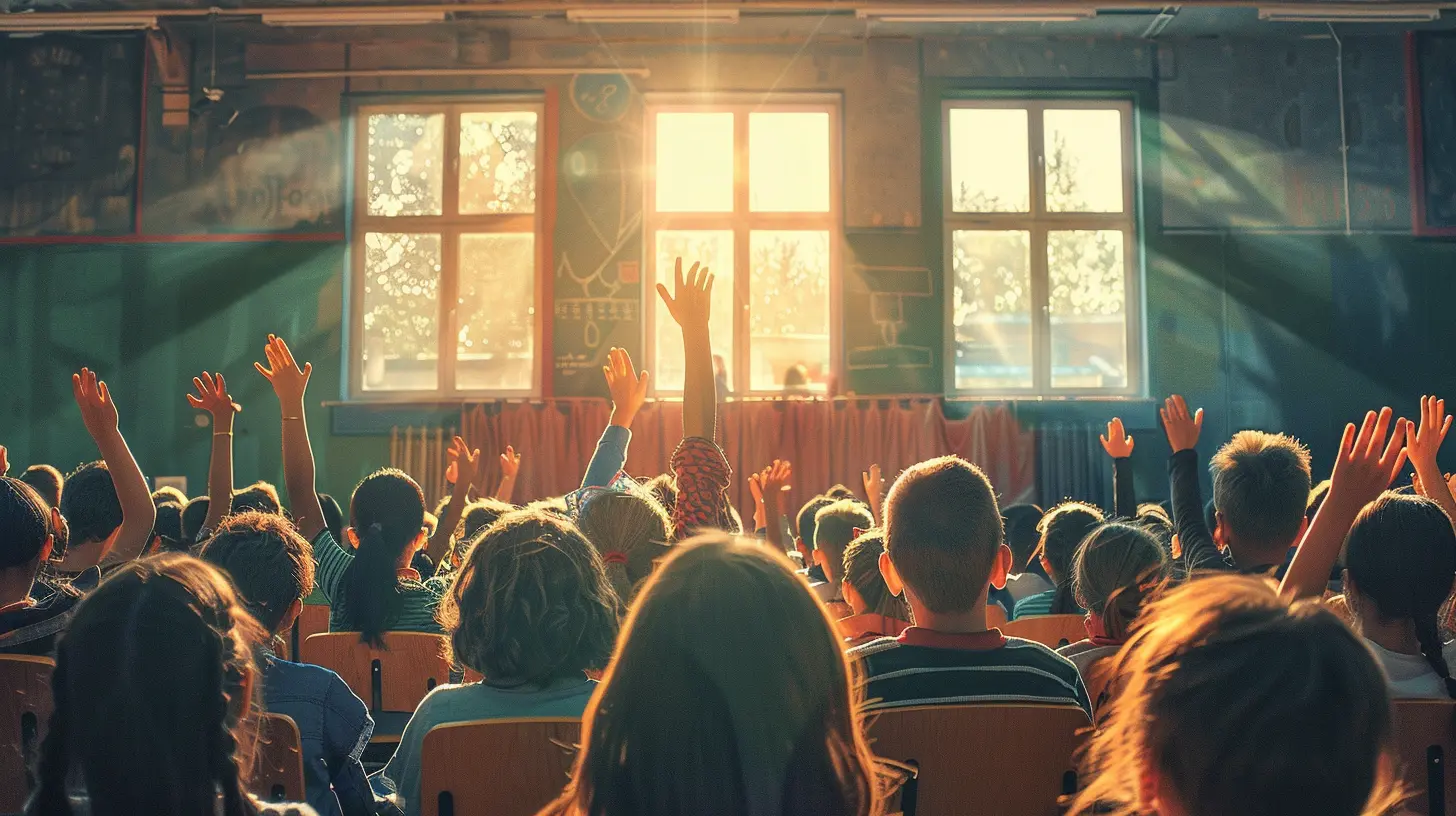
Why Are So Many People Uninterested in Politics?
Before we go all superhero mode and save democracy, we’ve gotta understand why folks tune out in the first place. Here are a few reasons:- “It’s too complicated.” Ever tried reading a 900-page bill written in legalese? Yeah, hard pass.
- “Nothing ever changes.” It’s easy to feel like your vote is a drop in an ocean of bureaucracy.
- “I don’t see anyone like me in politics.” Representation matters, y’all. If people can’t relate, they disconnect.
- “I didn’t learn this stuff in school.” Honestly, many schools barely teach it anymore. Civic ed is often shoved aside.
And boom—that’s how you end up with a population full of intelligent people who’ve just... tuned out of one of the most important conversations happening around them.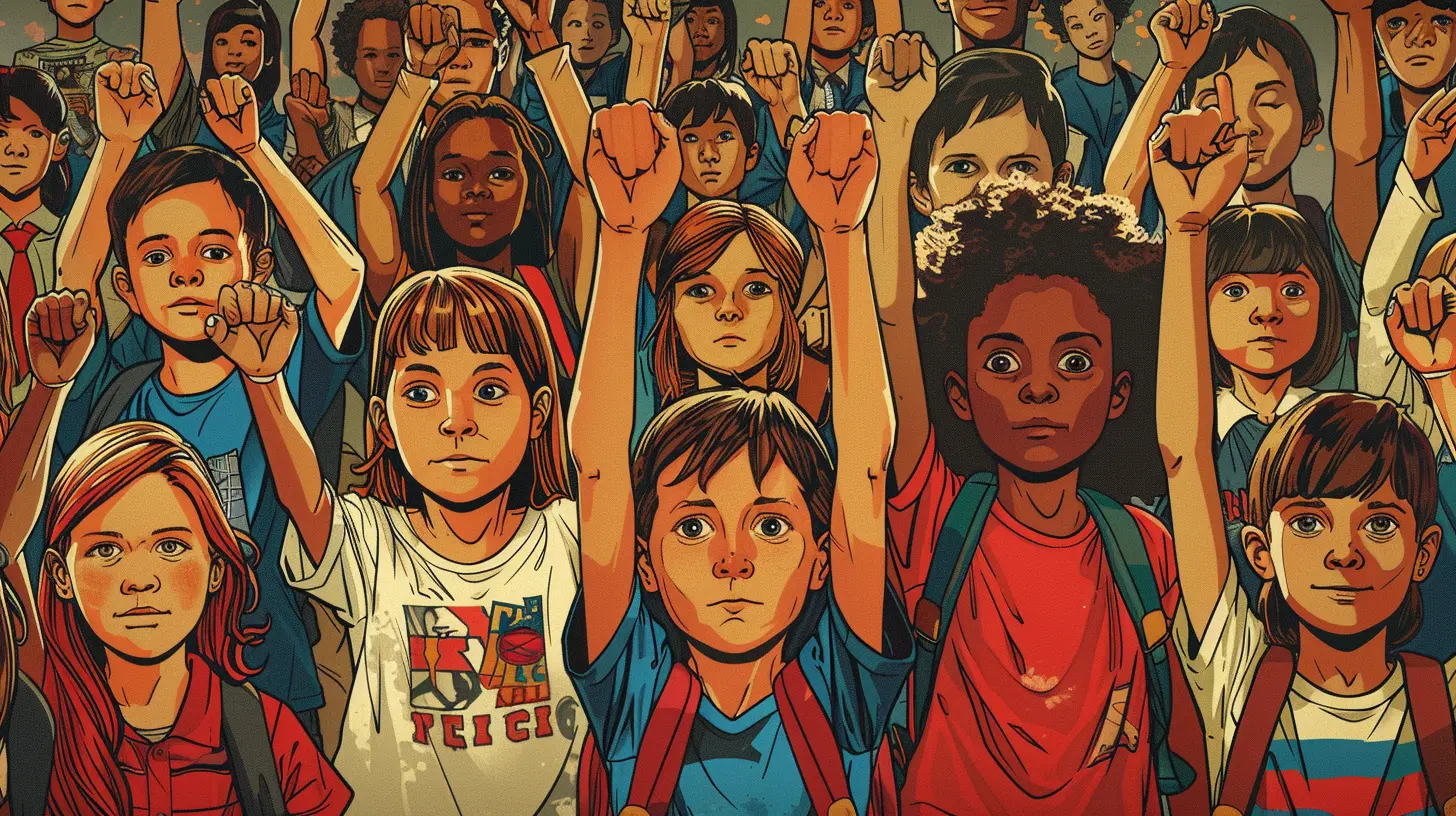
Civic Education to the Rescue ?
Okay, here’s where things get juicy. Civic education can absolutely flip the narrative. Here's how it works its magic:1. It Makes Politics Understandable (And Dare I Say, Fun?)
Good civic ed isn’t about reading dry textbooks. It’s about real conversations, simulations of debates, mock elections, and understanding how policies affect your day-to-day life. Remember Schoolhouse Rock’s “I’m Just a Bill”? That little animated scroll probably taught more people how a bill becomes a law than three years of social studies.Biased? Maybe. True? Definitely.
2. It Builds Confidence to Participate
A huge barrier to political involvement is the fear of looking dumb—or being wrong. When people are educated, they feel empowered. Teaching students how to fact-check, how to interpret news, and how to engage in civil discussion gives them the tools (and the confidence) to speak up.Imagine going to a potluck and actually knowing what to bring. That’s the kind of difference civic education makes.
3. It Teaches the Power of Every Voice
One of the biggest lies people believe is that their vote doesn’t count. But when you learn about the history of voting rights, grassroots movements, and policy changes driven by everyday citizens—WOW—it hits differently.Civic education tells people, “Hey, you’ve got a voice, and it matters. Use it.”
4. It Encourages Critical Thinking
Here’s where things get spicy. Civic education doesn’t spoon-feed opinions. It trains people to think, to ask “Why?”, to call out misinformation, and to look at multiple perspectives. In a world full of clickbait and fake news, that’s basically a superpower.5. It Connects the Dots Between Life and Laws
You might not care about politics... until you realize it’s influencing your student loans, job opportunities, healthcare, or whether your favorite skate park stays open. Civic education helps people connect the dots between the issues they care about and the political processes shaping them.Real-Life Examples of Civic Education Doing Its Thing
Let’s not just talk the talk; let’s walk this civic ed walk.- Finland provides intense civic instruction as part of its national curriculum. As a result, they’ve got higher youth engagement and voter turnout.
- Youth-led organizations like Vote16USA are pushing for younger voting ages—and guess what? Their activism is grounded in civic knowledge.
- Mock Congress projects in some U.S. high schools allow students to propose and debate real legislation. They’re not just pretending—they’re learning how to impact the system.
Civic education isn’t just a feel-good idea—it’s working in real time.
How Schools (And Instagram) Play a Role
Sure, schools are the obvious starting point. But education doesn’t stop there. Let’s be honest—Gen Z is getting their political education from TikToks, Reddit threads, and Instagram reels. And that’s not necessarily a bad thing.But here’s the catch: without solid foundational knowledge, it’s easy to fall into echo chambers or get suckered by misinformation. That’s why institutional civic education is so crucial—it gives people the BS filter they need when scrolling.
And hey, if we want to keep people engaged after high school? We need civic content where they already are: online, on their phones, and in their feeds.
What Needs to Change for Civic Ed to Really Work?
Alright, so civic education sounds great—but let’s get real. For it to truly combat political apathy, some things need to change:1. It Has to Start Early
Kid-level early. Like crayons-and-voting-stickers early. Waiting until high school or college? That’s like teaching someone to swim after they’ve already fallen into a lake.2. It Has to Be Consistent
A single 9-week civics class won’t cut it. Civic education should be integrated throughout K-12, cross-subject when possible (yes, even in math. Budgeting? Taxes? Totally political.)3. It Has to Be Inclusive
If you only discuss political history from one lens, or only highlight certain figures, you lose people. Civic education should be inclusive, diverse, and representative.4. It Has to Involve Communities
Let’s bring city council members, activists, and local journalists into classrooms. If civic education connects classroom learning to real-world action, students will start seeing themselves in those roles.The Ripple Effect—Why It’s Bigger Than Just Voting
When people are civically educated, they don’t just vote (though that's a major win)—they engage. They write to local officials. They organize. They start nonprofits, run for office, and show up at town halls. It’s like dominoes—education sparks interest, which creates involvement, which breeds change.Next thing you know, that one kid in civics class is running their city council meeting. That disinterested teen becomes an engaged adult. And that, my friends, is how movements are born.
Wrapping It Up (With a Civic Bow on Top)
So, can civic education really combat political apathy? Absolutely. It’s not a silver bullet, but it’s one heck of a starting point. It’s like opening the curtain backstage—once people see how the political process actually works and that their voice is part of the performance, it’s hard to sit quietly in the audience.Look, democracy doesn’t run on autopilot. It needs engaged people, active voices, and informed minds. Civic education can light that spark—and once that spark is lit, apathy doesn’t stand a chance.
One Last Thing—What Can You Do?
I’ll toss this one back to you:- Are you talking to your friends about political issues?
- Are you asking your school or local leaders for better civic education programs?
- Are you scrolling with a critical eye and fact-checking what you see?
Whatever you’re doing, keep going. Because you? You’re part of this story, too.
all images in this post were generated using AI tools
Category:
Civic EducationAuthor:

Fiona McFarlin
Discussion
rate this article
1 comments
Betsy Rivera
Civic education plays a crucial role in reducing political apathy. By engaging students with real-world issues and promoting active participation, we empower the next generation to become informed citizens who care about their community and democracy.
June 6, 2026 at 3:14 AM