The Role of Global Organizations in Addressing Social Inequality
4 December 2025
Let’s face it—social inequality is one of those problems that we all wish didn’t exist. It’s uncomfortable, unfair, and deeply rooted in just about every corner of the world. Whether we're talking about income disparity, access to education, gender inequality, or healthcare gaps—these are real issues impacting real people daily. Now, while local efforts and individuals are vital in fighting these injustices, global organizations often play a major role in turning the tide.
But how? What exactly do these global players do? Do they actually make a difference? And if so—what kind?
Let’s roll up our sleeves and unpack the powerful, behind-the-scenes (and sometimes very front-and-center) work that global organizations do to combat social inequality across the globe.
How We Got Here: The Global Inequality Puzzle
Before diving into the fixers, let’s talk about the problem itself. Social inequality isn’t just confined to poverty. It’s more like a spiderweb that threads through race, gender, geography, access to resources, and more.Imagine two kids. One is born in a war-torn country with no access to clean water, education, or stable health care. The other is raised in a wealthy neighborhood with all the tools for success. These kids didn’t choose their starting lines, but wow—the difference is staggering.
Global organizations see this every day. And what’s worse? The gaps are often getting wider instead of narrower. That’s where their mission begins.
Global Organizations: Who Are They Anyway?
When we talk about "global organizations," think of powerhouses like:- United Nations (UN)
- World Health Organization (WHO)
- World Bank
- International Monetary Fund (IMF)
- UNESCO
- International Labour Organization (ILO)
- Non-governmental Organizations (NGOs) like Oxfam, Amnesty International, and Save the Children
These aren’t just logos or bureaucratic giants. They’re made up of experts, advocates, researchers, field workers, and everyday people coming together to make a difference... globally.
Tackling Inequality Head-On (One Layer at a Time)
Okay—so what ARE they doing?Let’s break it down by the types of inequality and how global outfits are stepping up.
1. Economic Inequality: Leveling the Financial Playing Field
Money may not buy happiness, but let’s be honest—it sure impacts your basic quality of life. The gap between the rich and poor keeps widening, and global organizations are working hard to address the imbalance.The World Bank and IMF provide financial support and economic policy advice to developing countries. But here's the secret sauce: it’s not just about throwing money around. These institutions set conditions to encourage inclusive economic growth, transparency, and better governance.
Ever heard of microloans? Organizations like Kiva and even the United Nations Development Programme (UNDP) have helped launch millions of small businesses in underserved communities through microfinancing. It’s like handing someone the fishing rod instead of just the fish.
2. Educational Inequality: Bridging the Knowledge Divide
One of the best ways to break the cycle of poverty? Education.And this is where UNESCO absolutely shines. They promote inclusive education policies, build schools in remote areas, and train teachers in countries where learning has long taken the backseat. Their goal? Education for all—no matter your background, gender, or ZIP code.
Take a moment to imagine a world where every child, regardless of where they live, has access to a decent education. It’s powerful, right? That’s the future organizations like UNESCO are hustling for.
3. Gender Inequality: Amplifying Women's Voices
Did you know that globally, women are more likely to live in poverty than men? It’s a harsh truth. From wage gaps to lack of political representation, gender inequality is a giant obstacle in achieving social justice.Global groups like UN Women push not just for fair treatment but for equal opportunity. They fund initiatives that help women access healthcare, education, and leadership roles. They also combat gender-based violence and work toward changing cultural norms that hinder progress.
It’s not about making one gender “win”—it’s about creating a fair and balanced table where everyone has a seat.
4. Healthcare Inequality: Making Health a Human Right
Healthcare shouldn’t be a luxury—it should be a basic right.The World Health Organization (WHO) works tirelessly to ensure healthcare systems are strengthened in poorer areas. From distributing vaccines during pandemics to setting up maternal healthcare programs in rural villages, WHO steps in where national systems fall short.
And they’re not alone. NGOs like Doctors Without Borders show up in war zones, disaster areas, and refugee camps to provide life-saving care. These heroes are often the only hope for millions.
5. Racial and Ethnic Inequality: Fighting Injustice Globally
When it comes to racial and ethnic disparities, global organizations take a two-fold approach: advocacy and action.Amnesty International and Human Rights Watch don’t just document abuses based on race, ethnicity, or religion—they campaign hard to change policies, hold governments accountable, and amplify the voices of marginalized communities.
The goal?
A global culture where everyone—regardless of skin color or origin—is treated with dignity.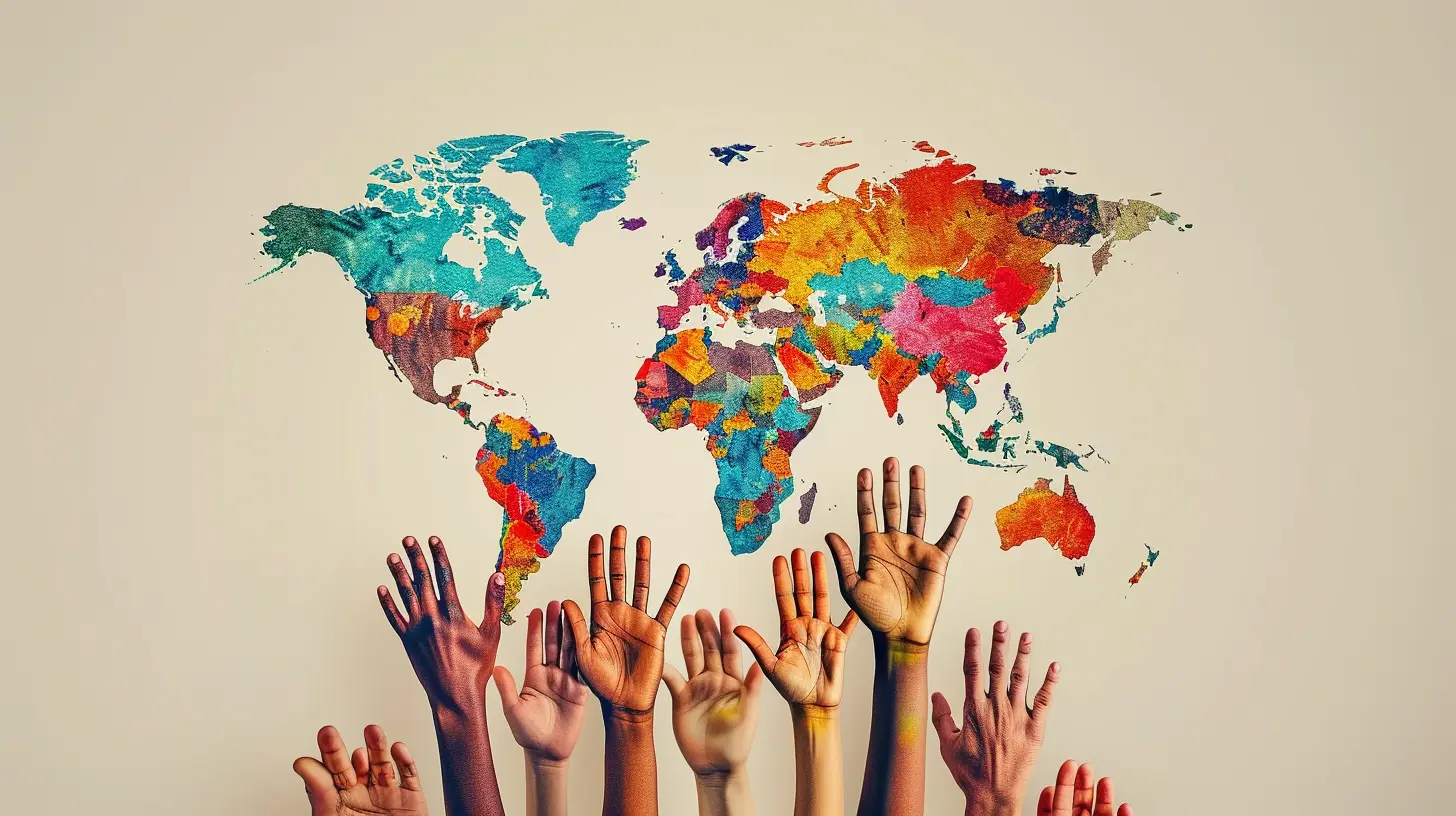
The Power of Partnerships: Strength in Unity
Here’s the thing—no one organization can shoulder the weight of social inequality alone. That’s why collaboration is key.You'll often see the UN teaming up with grassroots NGOs, or the World Bank working with local governments to implement policy changes. Because when big vision meets local know-how, the results can be amazing.
Think of it like a choir—each voice matters, but when they harmonize, magic happens.
Technology and Innovation: The Game-Changers
Let’s not forget the digital age. Global organizations are using technology to break barriers like never before.Things like:
- Mobile banking for rural entrepreneurs
- Online education for refugees
- Satellite mapping to identify underserved regions
- AI-driven data to track inequalities in real time
By embracing innovation, these organizations are reaching more people, faster—and with precision.
Measuring Progress: Numbers That Matter
Change is great, but how do we know it’s working?That’s where data comes in. Most global organizations use specific metrics like the UN’s Sustainable Development Goals (SDGs) to monitor and report progress. These goals include:
- No poverty
- Zero hunger
- Quality education
- Gender equality
- Reduced inequalities (yep, it’s one of the 17 goals)
It’s not just about lofty ideals—it’s about clear, trackable targets with real-life results.
We’ve Come Far, But the Journey Is Far From Over
Let’s keep it real. Global organizations have made significant strides, but there’s still a long road ahead. Corruption, politics, lack of funding, and cultural resistance can slow or even reverse progress. But that doesn’t mean we stop.In fact, it means we dig deeper.
Social inequality isn’t a quick fix. It’s a marathon, not a sprint. And the more people—yes, including you—who understand and support this global effort, the faster we can move toward a fairer world.
What YOU Can Do (Yep, You Matter Too)
You don’t need to work at the UN to make a difference.You can:
- Support organizations financially or as a volunteer.
- Educate yourself and others about global inequality.
- Share stories—amplify the voices that aren’t heard.
- Advocate for fair policies in your local community.
Because at the end of the day, global change begins with local action.
Final Thoughts: A Global Fight Worth Fighting
So, what’s the deal with global organizations and social inequality?They’re not just throwing money around or issuing reports from comfy offices. They’re on the ground, in the trenches, partnering, innovating, and fighting for a world where everyone gets a fair shot—regardless of where they were born or what cards they were dealt.
Are they perfect? Nope. But they’re trying—and that effort is changing lives.
And maybe, just maybe, with enough hands on deck and hearts in the fight, we’ll see a world where social inequality becomes a thing of the past.
Wouldn’t that be something?
all images in this post were generated using AI tools
Category:
Social StudiesAuthor:

Fiona McFarlin
Discussion
rate this article
2 comments
Aiden McInnes
This article offers valuable insights into how global organizations can effectively tackle social inequality and foster equitable development worldwide.
December 10, 2025 at 5:59 AM
Fiona McFarlin
Thank you! I'm glad you found the insights valuable. Addressing social inequality is indeed crucial for fostering equitable development.
Jonah McQuade
Global organizations must evolve from mere observers to proactive change-makers in the fight against social inequality. Their influence can drive policies, amplify marginalized voices, and foster collaboration. However, true progress hinges on accountability and genuine commitment—no more empty promises or well-meaning platitudes.
December 9, 2025 at 5:10 AM
Fiona McFarlin
Absolutely, proactive engagement and accountability are crucial for global organizations to effectively combat social inequality. Genuine commitment can transform their influence into meaningful change.