Exploring the Foundations of Civic Responsibility
12 August 2026
When was the last time you thought about your role in your community? Not just paying taxes or voting every few years—but really, actively contributing to the society you live in. Sounds big, right? But civic responsibility doesn’t have to be complicated. It's more about showing up, doing your part, and being a decent human being. Let's dig deep into what civic responsibility really means, where it comes from, and why it matters more now than ever.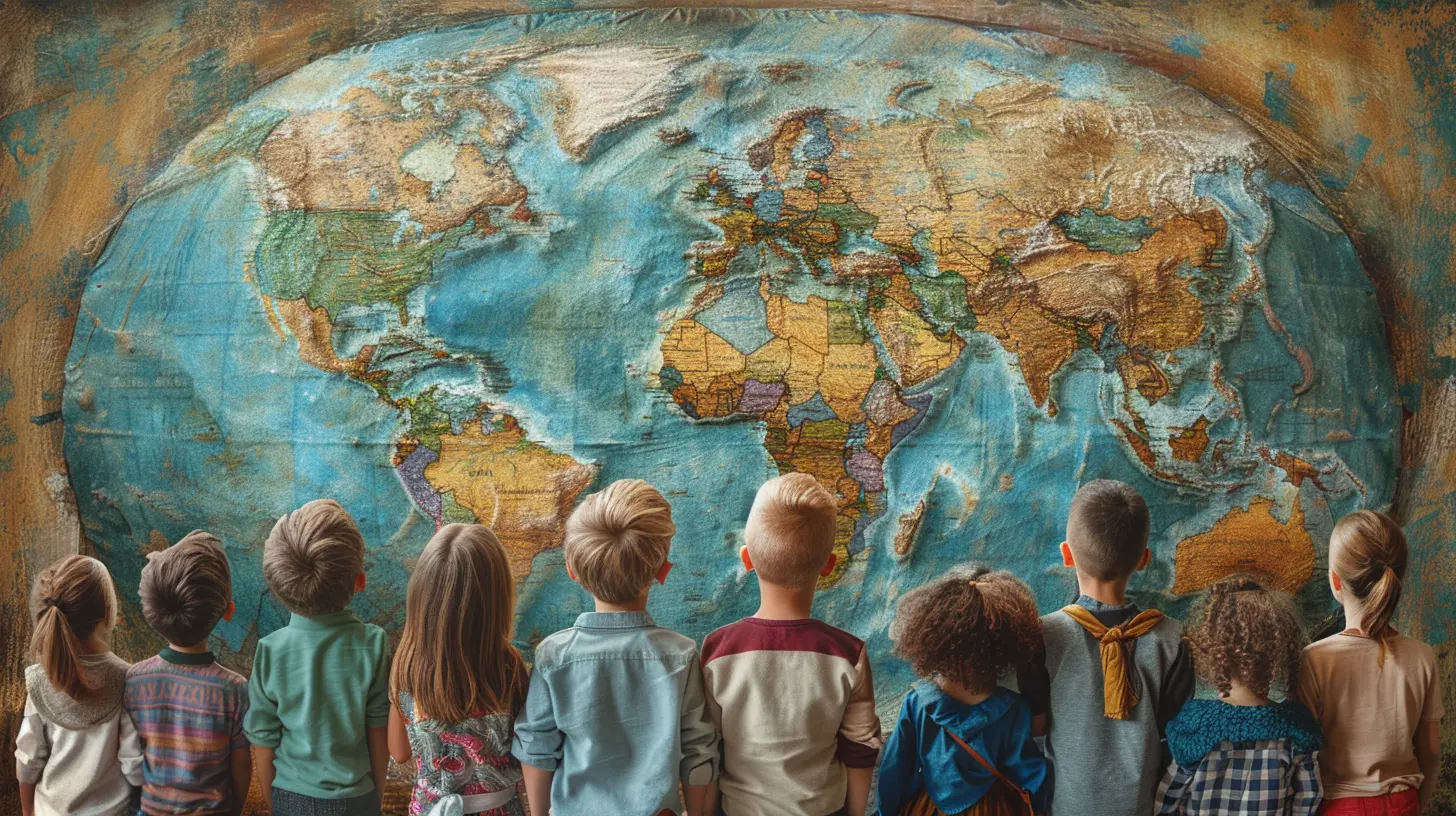
What Is Civic Responsibility?
At its core, civic responsibility is about being a good citizen. And no, that doesn’t mean just following laws. It’s the idea that each of us has a duty to help our communities thrive. Think of it as the social glue that holds society together.It includes a wide range of actions—some super visible like joining a protest, some quiet like helping an elderly neighbor. Whether it's volunteering at a local shelter, serving on a school board, or simply picking up trash at the park, it's all civic responsibility.
In short, it’s not just what the government owes you—it’s what you owe your fellow citizens.
A Quick Peek Into History
Civic responsibility isn’t a new buzzword. The idea dates back to ancient civilizations. Let’s hop into a time machine for a second:- Ancient Greece: Citizens actively participated in government, believing that their voices mattered in shaping laws and decisions.
- Roman Republic: Romans saw public service as a high honor. They had the concept of “civic virtue,” a fancy term for putting community above self.
- Enlightenment Era: Philosophers like Rousseau and Locke emphasized the social contract—that by living in society, we agree to certain duties for the common good.
Fast-forward to modern democracies: civic responsibility is baked into constitutions, laws, and even school curriculums. It's that important.
Why Civic Responsibility Still Matters
Let’s face it—today’s world can feel chaotic. Political tensions, climate change, economic uncertainty—it’s a lot. But here’s the deal: societies don’t fix themselves. They need people like you and me to step up.Civic responsibility is the bridge between personal freedom and collective well-being. It’s what keeps democracy alive and well.
Without it? We get disengaged citizens, broken institutions, and a shaky future.
Core Pillars of Civic Responsibility
There’s no official checklist that defines civic responsibility in stone, but some basic pillars seem pretty universal. Let’s unpack them.1. Active Participation in Government
Nope, not just voting—though that’s a big one. It’s attending town halls, writing to your representatives, understanding local policies, and even running for office if you're up for it.Scared of politics? Think of it like community problem-solving. The more you engage, the more your voice shapes the rules.
2. Volunteering and Community Service
Volunteering is like the Swiss Army knife of civic responsibility. It solves problems, builds empathy, and creates stronger neighborhoods.Whether you're feeding the homeless, coaching kids, or cleaning up beaches—you're doing the work that keeps your community ticking.
3. Respecting Laws and Authorities
No, following laws doesn’t mean blind obedience. It means respecting rules that protect everyone’s rights. If laws are unjust? You've got tools—like petitions and peaceful protest—to drive change.But skipping taxes or ignoring traffic laws? That’s where society starts to crack.
4. Environmental Stewardship
Civic responsibility isn’t just about people—it’s also about the planet. We’ve only got one Earth, after all.Recycling, conserving water, reducing waste—these actions might seem small, but they add up. Your choices matter more than you think.
5. Respect for Diversity and Inclusion
Civic responsibility thrives on inclusion. It means standing up against discrimination, supporting equal rights, and celebrating differences.It also means listening more than you speak. The more we understand each other, the stronger our communities become.
The Role of Education in Shaping Civic Responsibility
Ever notice how schools aren’t just about math and grammar? They’re also mini-civic training grounds.From learning about government structures in civics class to organizing student councils, education lays the groundwork for responsible citizenship.
Critical thinking, teamwork, debating skills—all of these prepare students for real-world engagement.
But here’s the kicker: schools can’t do it alone. Families, mentors, and communities play a huge role too.
Civic Responsibility in the Digital Age
Let’s talk tech. The internet has changed how we live, work—and engage civically.The Good:
- You can sign petitions, donate, or raise awareness with just a click.- Social media gives voice to the voiceless.
The Bad:
- Misinformation spreads like wildfire.- Slacktivism—feeling like you’ve made a difference just by liking a post.
Being digitally responsible means vetting sources, engaging respectfully, and using your online presence for good.
Barriers to Civic Engagement
If civic responsibility is so great, why doesn’t everyone jump in?Here are a few real barriers:
- Lack of Time: Busy lives make it hard to attend meetings or volunteer.
- Mistrust in Government: If people feel the system is broken, they withdraw.
- Lack of Knowledge: Many don’t know how or where to get involved.
- Social and Economic Inequality: Those facing hardships often have fewer resources to participate.
The first step in fixing any of these? Awareness. When we name the problem, it’s easier to tackle.
How to Foster Civic Responsibility in Everyday Life
Think you need to run for mayor to be civically responsible? Nope. Small acts go a long way.Here are a few ideas to get started:
- Register to vote and encourage others to do the same.
- Attend local school board or city council meetings.
- Start a neighborhood cleanup.
- Support local businesses.
- Teach kids about fairness and empathy.
- Report potholes, broken street lamps, or graffiti in your area.
- Help someone navigate the voting process.
- Share factual, constructive content online.
See? It’s not about being perfect. It’s about taking one step forward—then another.
The Ripple Effect of Civic Responsibility
Here’s a thought: your actions don’t just impact your street or town. They spark change that moves outward.Imagine this: You volunteer at a food bank. A hungry family eats that night. Their kids do better in school. One of those kids grows up to become a nurse who saves hundreds of lives.
That’s the power of civic responsibility. It's like lighting a candle in the dark—it spreads.
Teaching the Next Generation
Kids don’t become responsible citizens by accident. They become what they see.As parents, teachers, and role models, we’ve got to walk the talk. Discuss current events. Involve them in community projects. Show them that kindness and debate can co-exist.
They’re watching. And they’re learning. Our actions today raise the change-makers of tomorrow.
Final Thoughts
Civic responsibility isn’t about being perfect or political 24/7. It’s about caring—about your neighbors, your environment, your country.It’s the decision to speak up instead of staying silent. To show up when it’s hard. To believe that what you do actually matters—because it does.
You don’t need a title or a platform. Just start where you are, with what you’ve got.
Because when everyday people take civic responsibility seriously? That’s when societies thrive.
all images in this post were generated using AI tools
Category:
Civic EducationAuthor:

Fiona McFarlin