Encouraging Collaboration Over Competition in Group Activities
19 July 2026
The Power of "We" Over "Me"
Picture a group of musicians, each playing their own tune. Chaos, right? Now, imagine them in harmony, creating a melody that stirs the soul. That’s what collaboration feels like—people working together, blending strengths, and achieving something greater than themselves.
For far too long, we've been programmed to compete. From childhood games to workplace promotions, we hear the same message: "Win at all costs." But what if we flipped the narrative? What if, instead of focusing on beating others, we focused on uplifting each other?
Whether in classrooms, workplaces, or community projects, fostering collaboration over competition isn't just a feel-good idea—it leads to better outcomes for everyone involved. And trust me, the benefits are worth it. 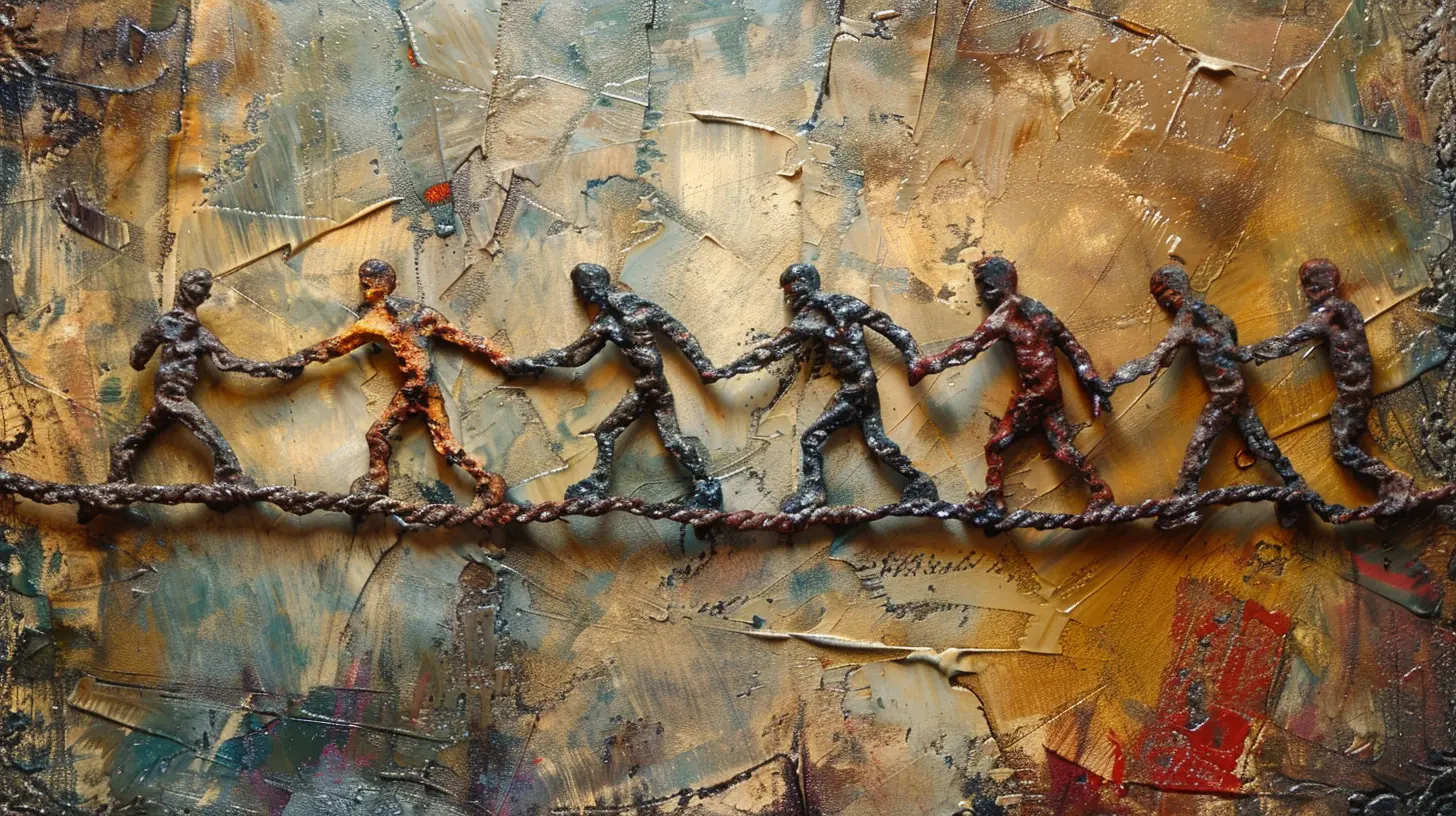
The Downside of Competition in Group Activities
Competition isn’t inherently bad. A little friendly rivalry can be motivating. But when competition overshadows teamwork, problems arise:1. Stifled Creativity
Ever been in a meeting where people hold back ideas because they fear being judged? That’s competition at its worst. When people feel like they must "win" rather than contribute, creativity takes a backseat.2. Increased Stress and Anxiety
Let’s be real—constantly trying to outdo others is exhausting. The pressure to be "better" rather than work together drains energy and enthusiasm. Instead of enjoying the process, people become anxious about proving themselves.3. Weakening of Relationships
True connections aren’t built on outshining others. When we see our peers as rivals instead of allies, trust erodes. Instead of helping each other grow, we become obsessed with personal victory.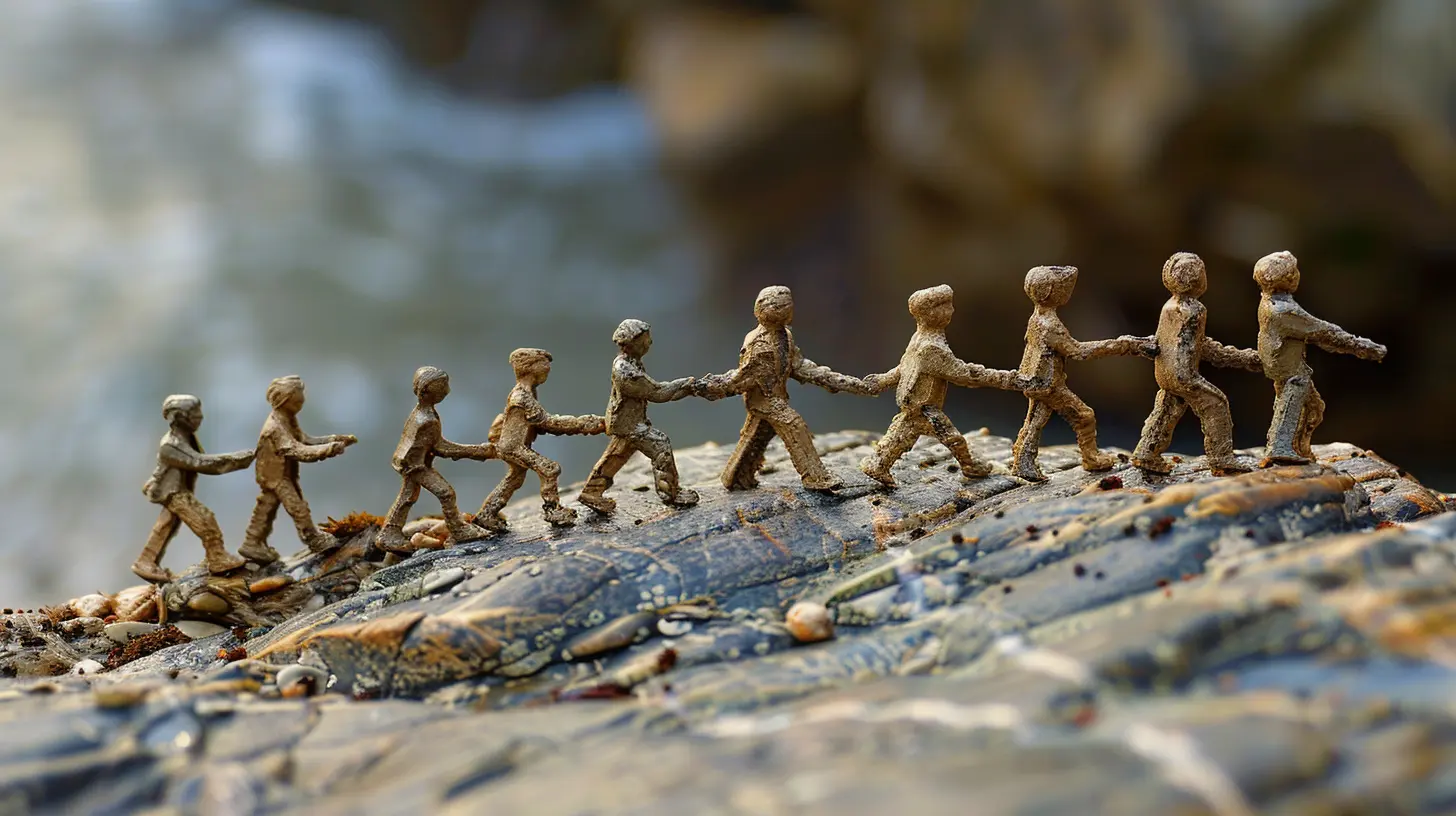
Why Collaboration is the Secret Sauce
Now, imagine a world where group activities thrive on collaboration instead of cutthroat rivalry. What changes? Everything.1. Ideas Flourish
When people work together, ideas bounce around like a pinball machine. One thought sparks another, leading to innovation and creativity that wouldn’t exist in a solo effort.2. Productivity Skyrockets
Ever heard the phrase "two heads are better than one"? Well, imagine five heads, ten hands, and a collective drive toward a common goal. Tasks get done faster, and the results are often superior.3. Confidence Grows
In a collaborative environment, people feel valued. Their voices matter. Instead of fearing failure, they're encouraged to experiment, take risks, and believe in their contributions.4. Relationships Strengthen
There’s something magical about solving problems together, lifting each other up, and celebrating collective victories. Collaboration fosters friendships, trust, and a sense of belonging.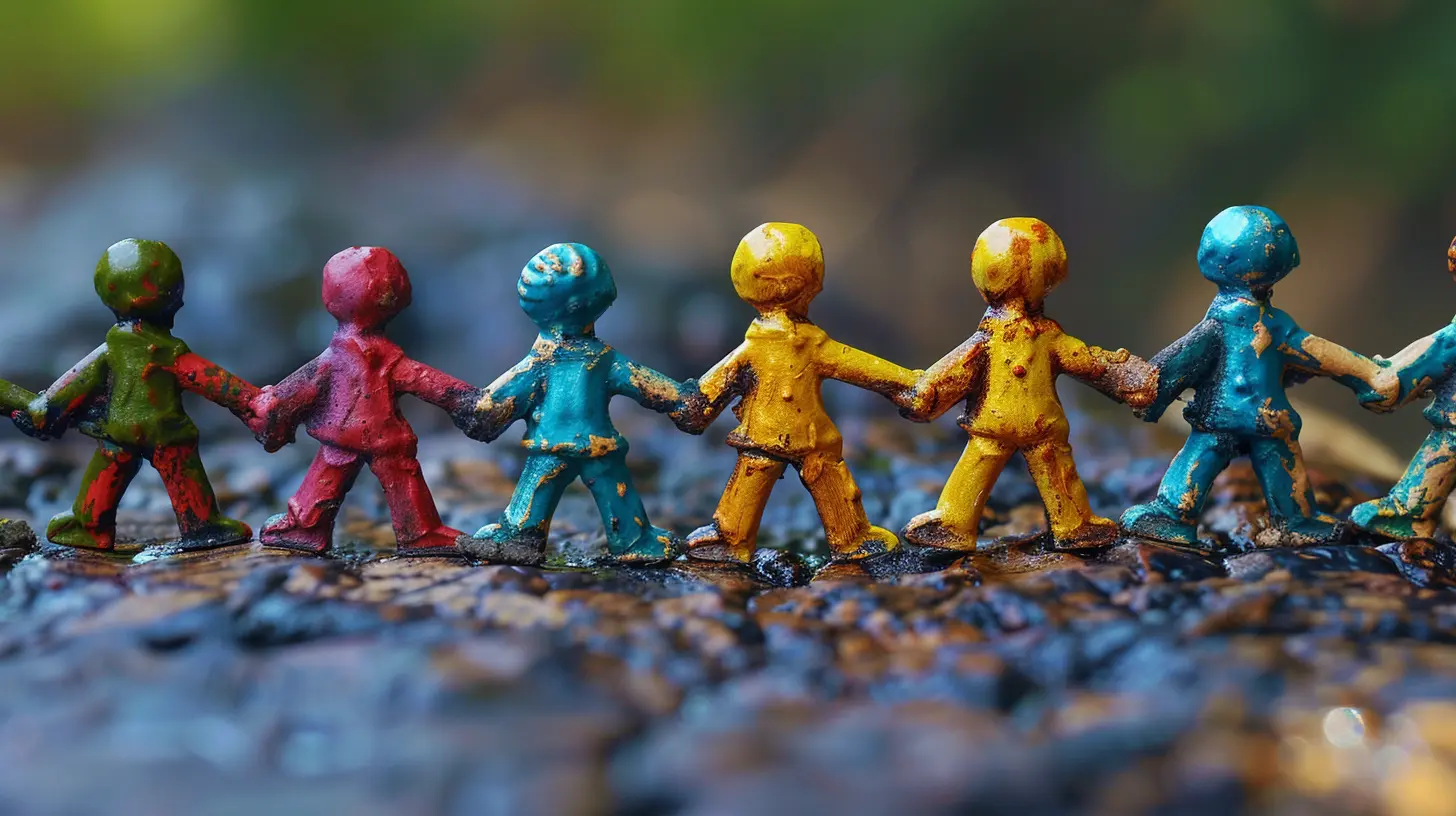
How to Encourage Collaboration Over Competition
So, how can we shift the focus from competition to collaboration in group activities? Here are some practical steps:1. Set Shared Goals
Instead of making success about individual achievement, set common objectives. When everyone works toward the same vision, teamwork becomes the natural path forward.2. Promote Open Communication
People can't collaborate if they’re afraid to speak up. Encourage honest, respectful discussions where ideas flow freely. Psychological safety is key—let people know that their thoughts and contributions are valued.3. Celebrate Team Wins
Instead of rewarding individuals for outperforming others, celebrate collective achievements. Recognize teamwork, highlight contributions, and make "we" the hero instead of "me."4. Encourage Peer Support
Rather than pit people against each other, create an environment where individuals help one another. Whether it's peer mentoring, feedback loops, or teamwork exercises, make supporting each other the norm.5. Shift the Mindset
Sometimes, people need a gentle nudge to view collaboration as an opportunity rather than a chore. Use language that reinforces togetherness, like:- "How can we solve this together?"
- "What’s the best way for us to combine our strengths?"
- "Let’s find a solution as a team."
6. Use Team-Based Problem-Solving Activities
Games, projects, or discussions that require group effort naturally foster collaboration. Escape rooms, brainstorming sessions, or team-building challenges—these activities reinforce teamwork without forcing it.
Breaking Down Barriers to Collaboration
Despite our best efforts, shifting from competition to collaboration isn’t always easy. Some barriers pop up along the way:1. Ego and Personal Recognition
Let’s face it—we all like to be acknowledged. Some people fear that if they work as a team, their individual contributions will go unnoticed. The solution? Highlight both group success and individual efforts within the team.2. Hierarchy and Power Struggles
In some workplaces or groups, leaders unknowingly encourage competition by favoring certain individuals. To combat this, leaders should model collaboration, ensuring that everyone has a voice and equal opportunity to contribute.3. Fear of Dependency
Some people hesitate to collaborate because they don't trust others to pull their weight. The remedy? Establish clarity in roles and responsibilities while creating accountability measures that encourage commitment.The Ripple Effect of Collaboration
When collaboration becomes the norm, the impact spreads far beyond group activities.- In Classrooms: Students learn to appreciate different perspectives, problem-solve together, and build social skills that last a lifetime.
- In Workplaces: Companies thrive when employees share knowledge, work together, and build a culture of trust.
- In Communities: Society flourishes when people prioritize mutual prosperity over individual gain.
Collaboration isn't just about achieving results—it’s about creating a culture where people feel valued, heard, and empowered. And isn't that the kind of world we all want to be part of?
Conclusion: Together, We Go Further
At the end of the day, success isn’t about who crossed the finish line first—it’s about how many people we helped along the way.So, the next time you’re in a group activity, ask yourself: "Am I trying to win, or am I trying to build something meaningful with others?"
Because in the grand symphony of life, it's not about playing the loudest note—it's about creating music that moves us all.
all images in this post were generated using AI tools
Category:
Group WorkAuthor:

Fiona McFarlin