Developing Cultural Competency in Education
29 December 2025
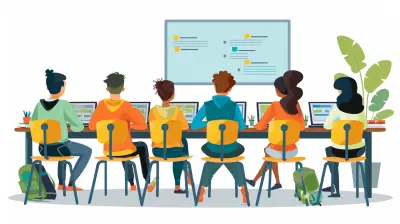
In today’s classrooms, students are more diverse than ever. Different races, cultures, languages, religions, and identities are all in one place—sharing desks, group projects, and dreams about their futures. So, it only makes sense that as educators, we need to meet our students where they are. That’s where cultural competency comes in.
What Exactly Is Cultural Competency?
Picture it like this: cultural competency is your GPS for navigating diversity. It’s the ability to understand, communicate with, and effectively interact with people across cultures. It’s not just about knowing the facts about other cultures—it’s about respecting differences, checking your own biases, and being open to learning from others.In education, cultural competency helps teachers adapt their teaching methods, build stronger relationships with students, and create inclusive classrooms where every learner feels seen and valued.
Why Does Cultural Competency Matter in Education?
Let’s say you’re trying to plant a garden, but you’re using the same kind of soil and water for every plant—roses, cacti, and orchids alike. Doesn't work so well, right? Students are like those plants. They each need something different to thrive.When schools lack cultural competency, students from minority or marginalized backgrounds often feel isolated, misunderstood, or left behind. That can impact their academic success, self-esteem, and even their future opportunities.
Culturally competent education benefits everyone because:
- It boosts student engagement and achievement.
- It fosters empathy and reduces prejudice.
- It prepares students to thrive in a global society.
- It strengthens teacher-student relationships.
The Core Components of Cultural Competency
So, what makes someone culturally competent? You won’t find a magic wand or secret recipe for it, but there are some key ingredients:1. Self-Awareness
It starts with looking in the mirror. Teachers need to understand their own cultural identity and biases. We all have them—implicit biases aren’t about being a bad person, they’re just shortcuts our brains take based on past experiences. Recognizing these helps educators avoid unfair assumptions and treat students with more fairness.2. Cultural Knowledge
This doesn’t mean memorizing facts about every country. It means being curious and open-minded. What holidays do your students celebrate? What are their family traditions like? Knowing even a little about their backgrounds can help you connect with them better.3. Empathy and Respect
Empathy is your superpower. It allows you to step into someone else’s shoes and understand how they might feel, especially when their perspective is different from yours. This is huge in diverse classrooms where students may be navigating cultural clashes or language barriers.4. Adaptability
Every student learns differently, and cultural background plays a role in that. Some cultures value group work, others emphasize individual achievement. Some students might be more reserved in class discussions due to cultural norms. Being flexible in teaching strategies can help you reach all learners.5. Communication Skills
Let’s be real—communication isn’t just about speaking the same language. It's about truly listening, using inclusive language, and being clear and respectful in all interactions. And yes, maybe even learning a few useful phrases in your students’ home languages. That alone can make a big impact.
How Can Schools Foster Cultural Competency?
Teachers play a major role, but developing cultural competency shouldn’t fall entirely on their shoulders. It’s a school-wide effort. Here’s how schools can step up:1. Professional Development
Invest in training that focuses on anti-bias education, culturally responsive teaching, and inclusive practices. These workshops shouldn’t be one-and-done events either—they should be ongoing conversations.2. Diverse Curriculum
Take a good, hard look at your curriculum. Who’s represented? Who’s missing? Incorporate stories, histories, and perspectives from a wide range of cultures. Avoid tokenism (you know, just celebrating one culture during a special month). Instead, make diversity an everyday thing.3. Inclusive Policies and Practices
From discipline procedures to dress codes, school policies should be reviewed through a cultural lens. Are students being punished for cultural expressions? Are families being welcomed and engaged regardless of language or background? That stuff matters.4. Community Engagement
Want to understand your students better? Connect with their communities. Invite parents and local leaders into the conversation. Host multicultural events. The more you collaborate, the stronger your support system becomes.5. Hire a Diverse Staff
Representation is powerful. Students benefit from seeing educators who look like them and share similar experiences. Plus, diverse staff can bring unique perspectives and enrich the school culture as a whole.Practical Tips for Teachers to Build Cultural Competency
You don’t need a Ph.D. in Anthropology to become culturally competent. Sometimes, it’s about the little things you do every day. Here are some hands-on strategies:1. Learn Your Students' Names—And Pronounce Them Right
Seriously, this matters more than you think. A name is part of a person’s identity. Taking the time to pronounce it correctly shows respect.2. Encourage Students to Share Their Culture
Give students opportunities to talk about their traditions, customs, and experiences. It can be through writing assignments, storytelling, art projects, or even “culture days.” Let them be proud of where they come from.3. Reflect On Your Own Biases
Ask yourself: “Am I treating all students equally?” “Do I have lower expectations for certain students?” Reflect, be honest, and don’t be afraid to evolve.4. Use Inclusive Teaching Materials
Stock your classroom with books, resources, and visuals that reflect a range of cultures, races, and identities. Make sure students see themselves represented—and not just in side characters or background roles.5. Be Open To Feedback
You might not always get it right. That’s okay. Be willing to listen to students, parents, or colleagues when they point out something problematic. Growth comes from discomfort.
Challenges in Developing Cultural Competency
Let’s not sugarcoat it—developing cultural competency is hard work. It can bring up difficult conversations. People might feel defensive, uncomfortable, or even resistant. And change doesn’t happen overnight.Here are a few common stumbling blocks:
1. Resistance to Change
Sometimes, educators or administrators don’t see the need for cultural competency training. They might say, “I treat all students the same.” But treating everyone "the same" often means ignoring their unique needs. Equity doesn't mean equality—it means giving each student what they need to succeed.2. Time and Resources
Educators are already juggling a ton—lesson plans, grading, meetings, and more. Adding cultural competency to the mix may feel overwhelming. But remember, it’s not a separate thing. It should be woven into everything you do.3. Language Barriers
In multilingual classrooms, communication with students and families can be tough. But with the help of translation tools, bilingual staff, and patience, these gaps can be bridged.The Long-Term Benefits of Culturally Competent Education
So, why keep pushing forward? Because the payoff is huge. Here’s what happens when schools commit to cultural competency:- Students feel safe, respected, and included.
- Teachers create stronger connections and reduce behavioral issues.
- Academic outcomes improve—especially for historically underserved groups.
- Schools become vibrant, collaborative communities.
- Everyone is better prepared for life in a multicultural world.
Think of it like building a muscle. The more you work on your cultural competency, the stronger your classroom becomes—and the more empowered your students feel.
Final Thoughts: It’s a Journey, Not a Destination
Developing cultural competency in education isn’t about checking a box or completing a training module. It’s about continuous reflection, learning, and growth. And the good news? You don’t have to be perfect to make an impact.Just start with awareness. Ask questions. Stay curious. Make your classroom a mirror in which every student can see themselves, and a window through which they can see others.
Because when we understand each other better, we all grow.
all images in this post were generated using AI tools
Category:
Professional DevelopmentAuthor:

Fiona McFarlin
Discussion
rate this article
2 comments
Zareth McQuiston
This article rightly emphasizes the importance of cultural competency in education; however, it must also address systemic barriers and power dynamics that impede genuine inclusivity, ensuring that cultural understanding translates into equitable practices for all students.
January 19, 2026 at 11:38 AM
Fiona McFarlin
Thank you for your insightful comment! I completely agree that addressing systemic barriers and power dynamics is essential for transforming cultural competency into equitable practices in education. This is a crucial aspect that deserves further exploration.
Vivian McMichael
This article offers invaluable insights into fostering cultural competency in education. Embracing diverse perspectives enriches learning environments and prepares students for a globalized world. Thank you for sharing these essential strategies!
December 30, 2025 at 12:34 PM
Fiona McFarlin
Thank you for your insightful comment! I'm glad you found the strategies valuable for enhancing cultural competency in education.