Creating Safe Spaces for Marginalized Students by 2026
16 April 2026
Let’s talk about school. For many of us, it brings back a flood of memories—the smell of textbooks, the sound of the lunch bell, the nervous excitement of a new year. But for some students, school isn’t just about algebra tests or history projects. It’s a daily exercise in navigating a world that doesn’t quite see them, understand them, or protect them. For marginalized students—whether due to race, ethnicity, gender identity, sexual orientation, disability, religion, or socioeconomic status—the classroom can feel less like a launchpad and more like a minefield.
By 2026, we have a collective assignment, a deadline we cannot afford to miss: to transform every learning environment into a genuine safe space. Not just a poster on the wall, but a living, breathing ecosystem of belonging. This isn't about political correctness; it's about fundamental educational efficacy. How can we possibly expect a child to solve for ‘x’ when they’re constantly solving for survival? The goal is clear: within the next few years, we must move from aspiration to implementation, from theory to tangible change. Let’s break down what that really means.
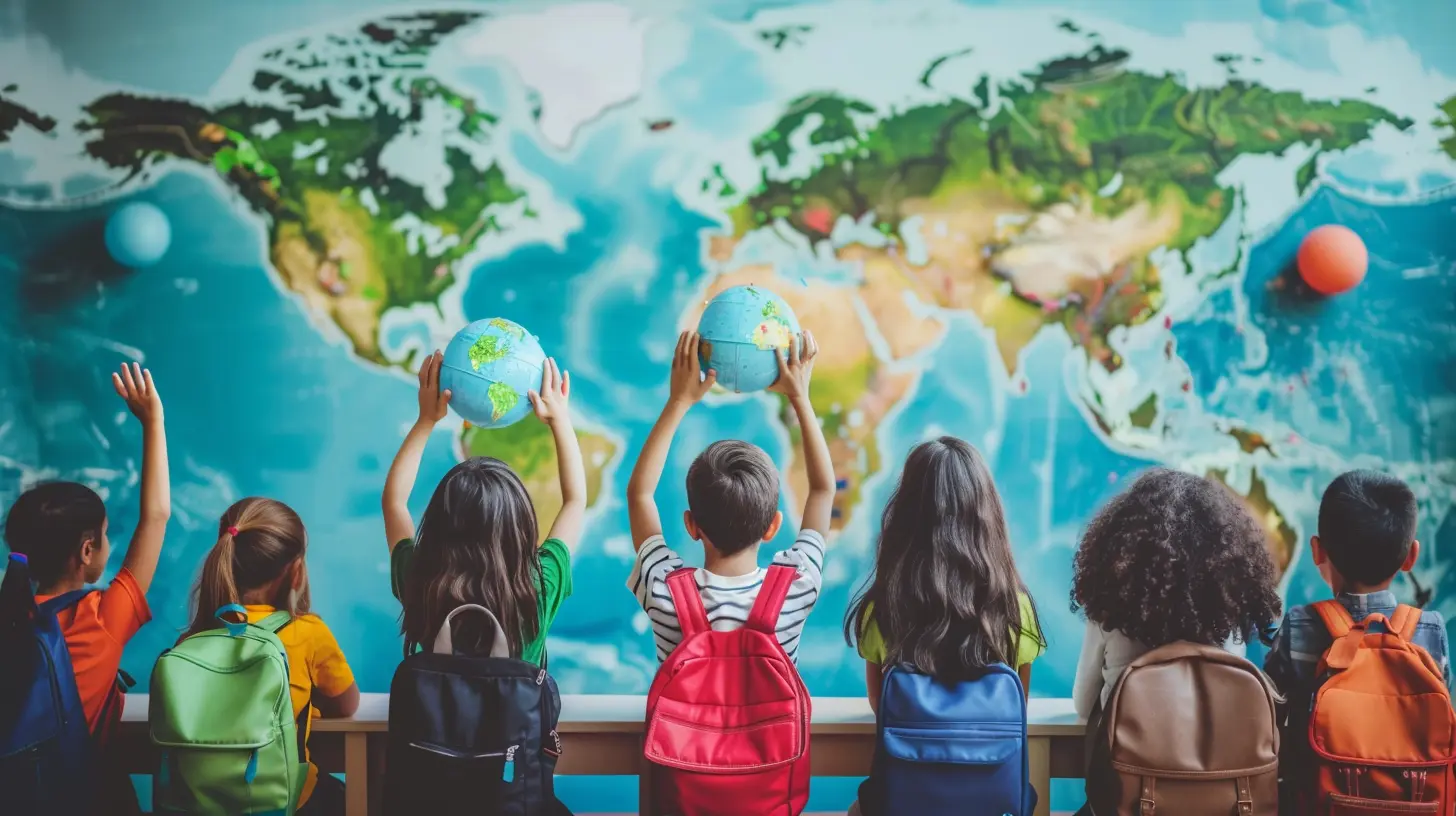
What Does a "Safe Space" Actually Mean? Moving Beyond the Buzzword
First, we need to dismantle a common misconception. A safe space is not a coddling chamber, free from disagreement or challenging ideas. Think of it more like a harbor in a storm. The ocean outside (the wider world) is vast and sometimes rough, full of complex currents and weather systems. The harbor doesn’t stop the storm, but it provides a secure mooring, a place where a ship can be repaired, resupplied, and where its crew can rest without fear of being dashed against the rocks. That’s what school should be.For marginalized students, a true safe space means:
* Psychological Safety: The freedom to express their identity, ask questions, and make mistakes without fear of ridicule, discrimination, or violence.
* Representational Safety: Seeing themselves reflected in the curriculum, in the staff, and in the school’s leadership. It’s hard to be what you can’t see.
* Physical Safety: The assurance that their bodily autonomy and personal space are respected, regardless of gender identity, disability, or background.
* Emotional Safety: Knowing there are trusted adults and peers who will listen, validate their experiences, and offer support without judgment.
Without these pillars, learning is compromised. The brain’s resources are hijacked by the amygdala—the fear center—leaving little bandwidth for the prefrontal cortex, where higher-order thinking and learning occur. In short, an unsafe student is a student who cannot fully access their own potential.

The Blueprint: Tangible Strategies for Transformation by 2026
So, how do we build these harbors? The work is multi-layered, requiring commitment from districts, administrators, teachers, and the community. Here’s a blueprint for action.1. Curriculum Liberation: Windows, Mirrors, and Sliding Glass Doors
Author Rudine Sims Bishop famously said books should be windows into others' experiences, mirrors of one’s own, and sliding glass doors to step into new worlds. Our entire curriculum needs this treatment by 2026.This means auditing reading lists, history lessons, and scientific examples to ensure they are not solely centered on a single, dominant narrative. It’s teaching about the Harlem Renaissance with the same depth as the Lost Generation. It’s ensuring math word problems include diverse names and scenarios. It’s discussing the contributions of LGBTQ+ figures in history and the innovations driven by people with disabilities. This isn’t “adding on” to history; it’s correcting the record and presenting a full, rich picture of our human story. When a student sees their ancestors’ struggles and triumphs in the textbook, the message is clear: "You belong here. Your story is part of our story."
2. The Power of Representation: Who’s at the Front of the Room?
You can’t be what you can’t see. This old adage holds profound truth. A critical, non-negotiable step by 2026 must be a concerted, aggressive effort to recruit, retain, and support educators from marginalized backgrounds. The teacher workforce still does not reflect the student population.But it goes beyond hiring. We must also invest in cultural competency and humility training for all staff, from the principal to the bus driver. This training shouldn’t be a one-day, check-the-box workshop. It needs to be ongoing, actionable, and focused on recognizing implicit bias, understanding systemic inequities, and developing skills for inclusive classroom management. When a teacher can pronounce a student’s name correctly, understand the cultural context behind a behavior, or simply know what pronouns to use, it builds a bridge of trust that all learning can cross.
3. Policies with Teeth: From Paper to Practice
A safe space needs a strong foundation, and that foundation is built on explicit, enforced policy. By 2026, every school district should have clear, accessible policies on:* Anti-Discrimination and Harassment: Specifically naming protections for race, gender identity, sexual orientation, disability, religion, etc., with transparent reporting and accountability mechanisms.
* Restorative Justice: Moving away from punitive, exclusionary discipline (which disproportionately targets marginalized students) and toward practices that repair harm, build community, and keep students engaged in learning.
* Affirming Gender Identity: Allowing students to use their chosen name and pronouns, access facilities that align with their gender identity, and participate in activities consistent with who they are.
Policies are just words on a page unless they are lived. This means students and families know their rights, and staff are trained to uphold them without exception.
4. Elevating Student Voice: They Are the Experts
Who knows better what marginalized students need than the students themselves? Our plans for 2026 must center their voices. This can look like:* Establishing student diversity and equity councils with real decision-making power.
* Creating regular, anonymous climate surveys to gather honest feedback.
* Supporting Identity-Based Affinity Groups (like Black Student Unions, GSAs, disability advocacy clubs). These groups provide crucial peer support and a platform for advocacy.
When students are partners in the process, the solutions become more effective and the sense of ownership grows. It shifts the dynamic from “doing for” to “doing with.”
5. The Ripple Effect: Engaging Families and Community
A school doesn’t exist in a vacuum. The work of creating safe spaces must extend beyond the school gates. Proactive, inclusive family engagement is key. This means offering translation services, holding meetings at accessible times and locations, and recognizing that families from marginalized backgrounds may have historical reasons to distrust school systems. Partnering with local community organizations—cultural centers, mental health providers, LGBTQ+ support groups—creates a wraparound network of care. The safe space, then, becomes not just a room, but an entire ecosystem of support.
The Roadblocks: Navigating Challenges on the Path to 2026
Let’s be real—this work is not a straight, easy path. We will encounter resistance. Some will dismiss it as “woke ideology” or a distraction from “core academics.” Funding will be a perennial challenge. Political polarization will attempt to turn inclusive education into a battleground.The answer to these challenges is persistent, clear communication. We must continually connect the dots: safe spaces are academic priorities. A student who feels safe and seen has higher attendance, better focus, and greater resilience. This work is the ultimate investment in educational outcomes. It’s about building a generation of learners who are not only knowledgeable but also empathetic, socially aware, and prepared to contribute to a diverse democracy.
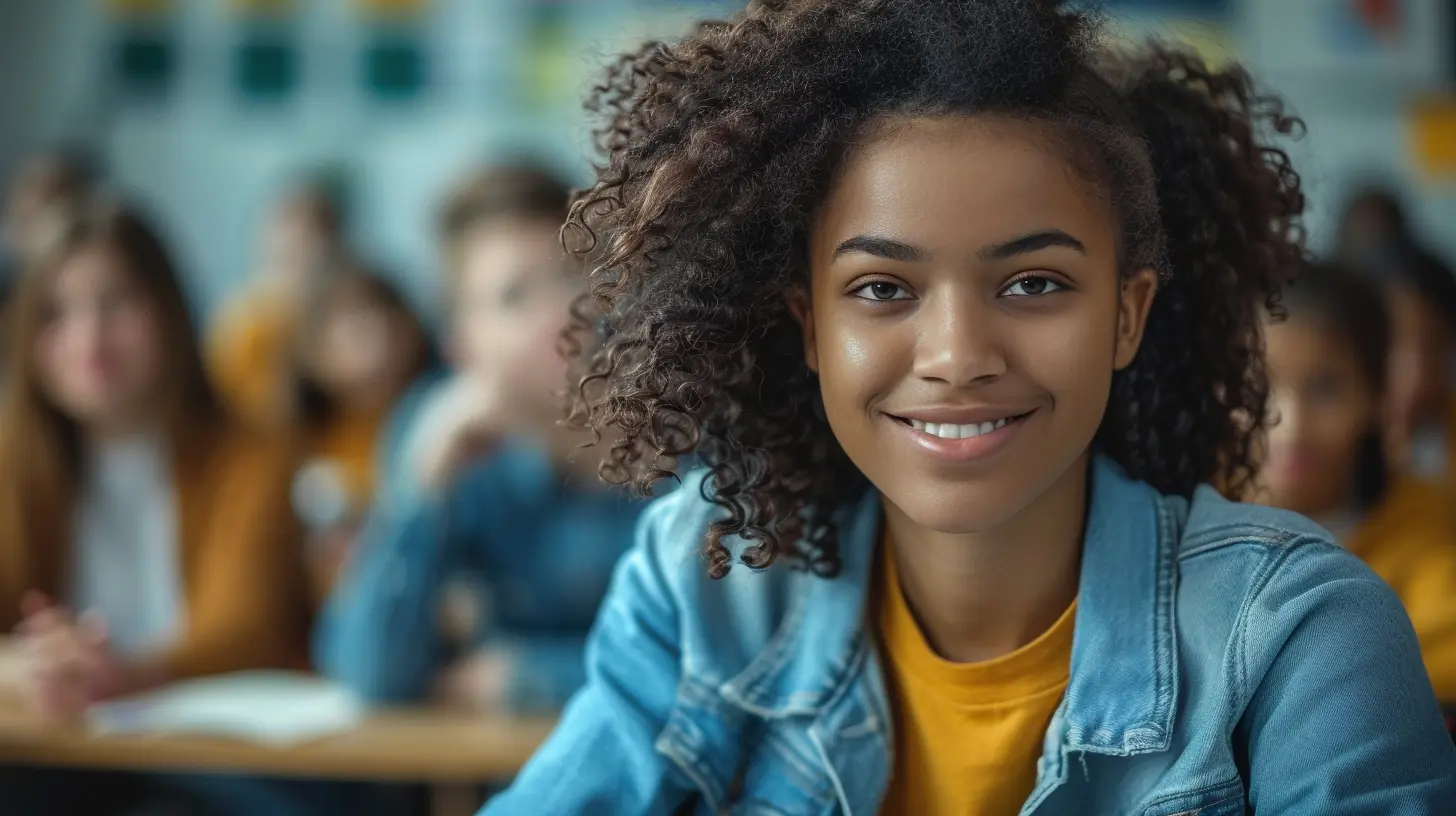
Conclusion: The Deadline is Non-Negotiable
2026 is not a random year. It’s a near-future deadline that creates urgency. Creating universal safe spaces for marginalized students is the defining educational challenge of our moment. It’s the work of building harbors—strong, welcoming, and resilient—for every young person who sets sail in our classrooms.This goes beyond morality; it’s a matter of educational integrity. We are tasked with preparing all students for the future. We simply cannot do that if we are willing to leave some behind in the storms of prejudice, invisibility, and fear. The blueprint is there. The strategies are known. What’s needed now is the collective will—from policymakers to parents to people like you and me—to pick up the tools and build.
So, let’s get to work. The bell has rung, and our most important lesson is waiting to be taught. The lesson of belonging.
all images in this post were generated using AI tools
Category:
School CultureAuthor:

Fiona McFarlin
Discussion
rate this article
2 comments
Gabriel Phillips
Creating safe spaces? More like crafting cozy fortresses of understanding! By 2026, let’s sprinkle kindness confetti, build inclusivity treehouses, and ensure every marginalized student feels like a unicorn in a field of daisies. Yay for sparkles and safety!
April 21, 2026 at 2:37 AM
Fiona McFarlin
I love your vision! Let's make those treehouses a reality and ensure everyone feels seen and valued. Here's to kindness and inclusivity!
Celine McMahan
Thank you for highlighting the importance of safe spaces for marginalized students.
April 19, 2026 at 5:00 AM
Fiona McFarlin
I appreciate your support. Creating safe spaces is essential for fostering inclusivity and empowerment.