Collaborative Learning Models: Transforming Traditional Education
7 January 2026
Education has come a long way from the days of rote memorization and strict lectures. The traditional model, where teachers talk and students passively listen, is slowly fading. In its place, collaborative learning models are taking center stage, offering a more engaging, student-centered approach.
But what exactly is collaborative learning, and why is it reshaping education? Let’s dive in and explore how these models are transforming the way students learn and interact in the classroom. 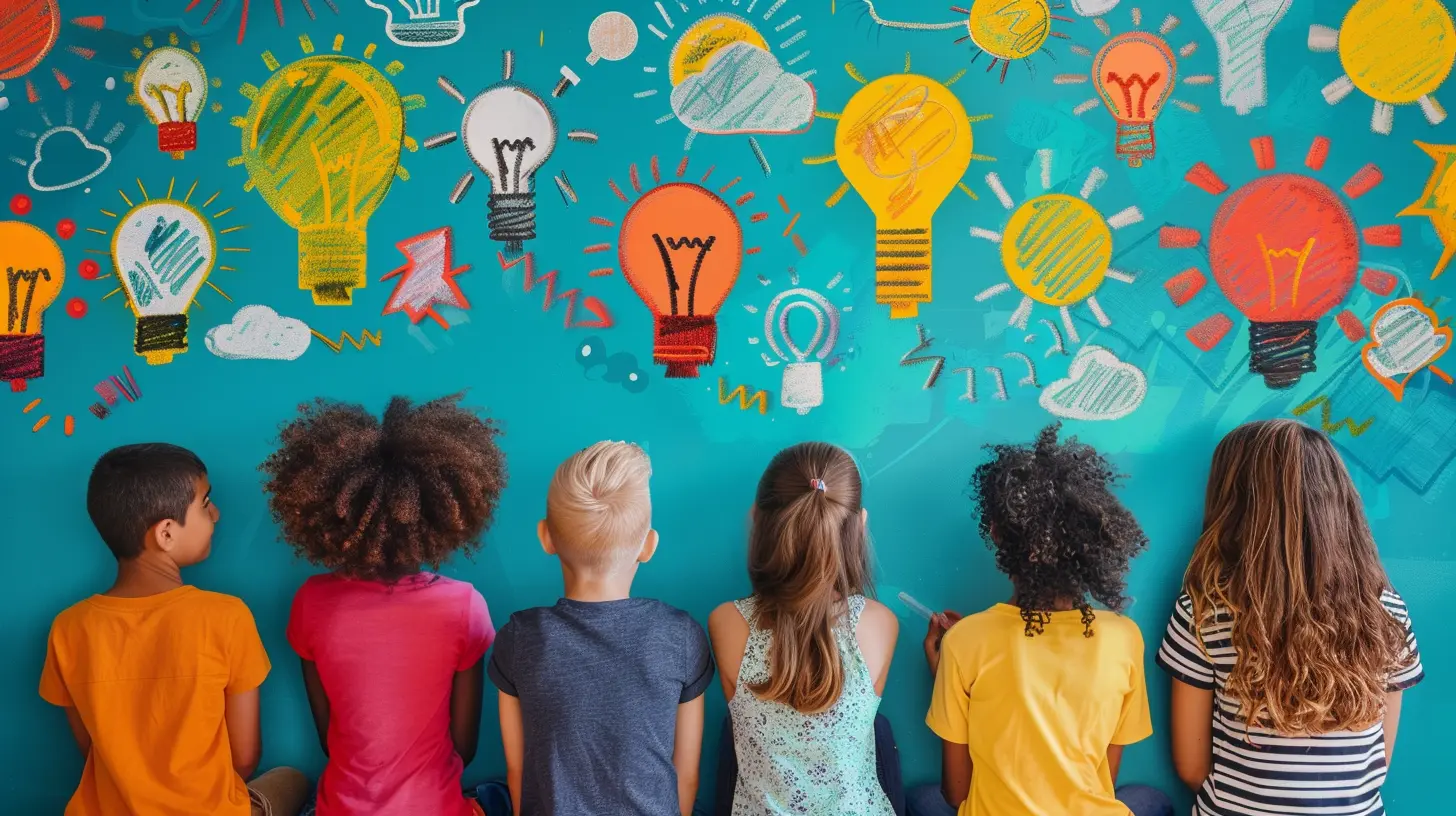
What is Collaborative Learning?
Simply put, collaborative learning is when students actively work together to solve problems, complete tasks, or deepen their understanding of a subject. Rather than learning in isolation, students engage in discussions, share ideas, and build knowledge collectively.Think of it like a team sport—everyone has a role, and success depends on how well they work together. Whether it’s in small groups or entire class discussions, the emphasis is on cooperation, communication, and critical thinking. 
Why is Collaborative Learning Effective?
Traditional education often focuses on individual achievement, but in today’s world, teamwork and problem-solving are crucial skills. Here’s why collaborative learning is making waves:- Encourages Active Learning – Instead of passively absorbing information, students engage with the material, making learning more meaningful.
- Develops Communication Skills – Discussing ideas helps students express their thoughts clearly and listen to others.
- Boosts Critical Thinking – When students challenge each other’s perspectives, they develop deeper understanding and reasoning skills.
- Fosters Social Interaction – Working together builds friendships, empathy, and teamwork abilities.
In a nutshell, collaborative learning creates more dynamic, engaging classrooms where students don’t just memorize facts—they understand and apply them. 
Types of Collaborative Learning Models
There isn’t just one way to implement collaborative learning. Teachers use various models depending on the subject, classroom setting, and student needs. Let’s break down some of the most effective ones.1. Think-Pair-Share
This model is as simple as it sounds:1. Think – Students individually reflect on a question or topic.
2. Pair – They discuss their thoughts with a partner.
3. Share – Each pair presents their ideas to the class.
Why it works? It encourages independent thinking, peer discussion, and public speaking—all in one go!
2. Jigsaw Method
Inspired by the idea of fitting puzzle pieces together, this method is excellent for breaking complex topics into manageable parts. Here’s how it works:- The class is divided into small groups.
- Each group is assigned a portion of the topic to research.
- Members of different groups come together to share their insights, crafting a full picture of the topic.
The jigsaw method promotes responsibility (since each student is an expert in their piece) and peer teaching (because they rely on each other to learn the full topic).
3. Peer Teaching
Students teaching students? Absolutely! Research shows that when students explain concepts to their peers, they reinforce their own understanding.Teachers often use this model by:
- Assigning each student a concept to master and teach to classmates.
- Rotating student teachers to ensure everyone gets a chance to learn from different perspectives.
This method enhances confidence, clarity of thought, and leadership skills.
4. Collaborative Projects
Group projects allow students to apply their knowledge in a practical way. Whether it's:- Writing a group research paper,
- Creating a digital presentation, or
- Designing a science experiment,
Collaborative projects help students develop real-world skills like problem-solving, delegation, and cooperation.
5. Case-Based Learning
Instead of abstract textbook learning, students analyze real-life scenarios that require critical thinking and decision-making.For example, in a history class, students might assess how leaders made significant decisions and debate alternative outcomes. This approach makes learning relevant and engaging. 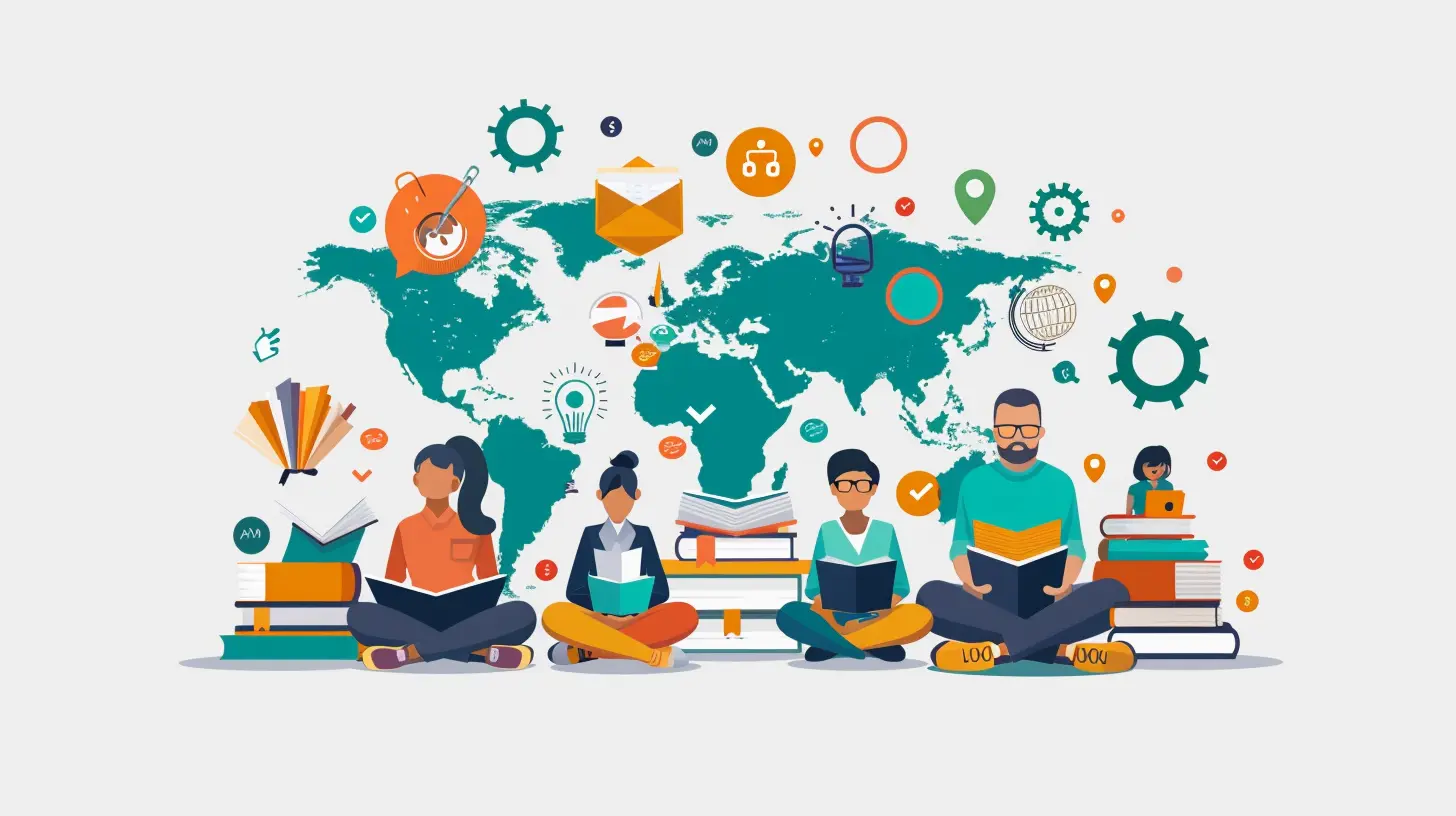
The Role of Technology in Collaborative Learning
Technology has taken collaborative learning to the next level. With online tools, students aren’t limited to classroom discussions. They can collaborate across cities, countries, or even continents!Some powerful tools that promote collaboration include:
- Google Docs & Microsoft Teams – Perfect for real-time collaboration on assignments.
- Padlet & Trello – Useful for brainstorming and organizing projects.
- Zoom & Discord – Great for virtual discussions and study groups.
- Kahoot & Quizizz – Interactive quizzes that make learning fun and competitive.
Technology removes barriers and makes learning more flexible, interactive, and accessible.
How Teachers Can Implement Collaborative Learning
If you’re an educator wondering how to make your classroom more collaborative, start with these steps:1. Set Clear Expectations
Students should know what is expected in collaboration—active participation, respectful listening, and shared responsibility.2. Establish Diverse Groups
Mix students with varying strengths, learning styles, and backgrounds to encourage diverse perspectives.3. Provide Structure
Give students a framework for their discussions or projects. Timelines, roles, and guidelines help keep things organized.4. Encourage Reflection
Ask students to reflect on what they learned through collaboration. What worked? What didn’t? Reflection helps refine future teamwork.5. Integrate Technology
Use digital tools to enhance collaboration and make learning more dynamic.When done right, collaborative learning boosts engagement and fosters a sense of community in the classroom.
Challenges of Collaborative Learning and How to Overcome Them
No approach is without hurdles. Here are some challenges teachers and students may face—and solutions to tackle them!1. Uneven Participation
Sometimes, a few students do all the work while others coast along. Solution? Assign specific roles within the group to ensure equal contribution.2. Conflict Among Students
Group work can lead to disagreements. Solution? Teach conflict resolution and encourage respectful discussions.3. Time Management Issues
Collaborative tasks can take longer than expected. Solution? Set clear deadlines and milestones to keep students on track.4. Dependence on Technology
While tech is great, over-reliance can be an issue. Solution? Balance digital and face-to-face interactions to maintain personal connections.Despite these challenges, the benefits of collaborative learning far outweigh the difficulties. With proper guidance, students can thrive in this interactive learning environment.
Conclusion
Education is evolving, and collaborative learning models are at the forefront of this transformation. By encouraging students to work together, think critically, and communicate effectively, these models prepare them for the real world, where teamwork and problem-solving are essential.Traditional, one-size-fits-all education is no longer enough. It’s time for classrooms to embrace collaboration, where learning is not just about memorizing facts but about engaging, discussing, and growing together.
So, whether you're a teacher, student, or parent, ask yourself—how can collaborative learning shape your educational experience?
all images in this post were generated using AI tools
Category:
CollaborationAuthor:

Fiona McFarlin
Discussion
rate this article
2 comments
Chantal Gilbert
This article sheds light on the power of collaborative learning models in reshaping education. It emphasizes the importance of teamwork and diverse perspectives in fostering deeper understanding. As we move forward, embracing these methods could truly enhance student engagement and success.
February 4, 2026 at 3:47 AM
Fiona McFarlin
Thank you for your insightful comment! I completely agree that embracing collaborative learning can significantly enrich the educational experience and promote student success.
Zanya Newman
Great insights on collaborative learning! Emphasizing teamwork can significantly enhance student engagement and critical thinking skills. It might also be beneficial to include practical examples or case studies illustrating successful implementations. This could help educators envision integrating these models effectively in their classrooms. Keep up the excellent work!
January 16, 2026 at 5:32 AM
Fiona McFarlin
Thank you for your feedback! I appreciate your suggestion on including practical examples, and I’ll definitely consider that for future revisions. Your insights are invaluable!