The private school choice boom leaves behind many kids in public school
June 18, 2026 - 02:17
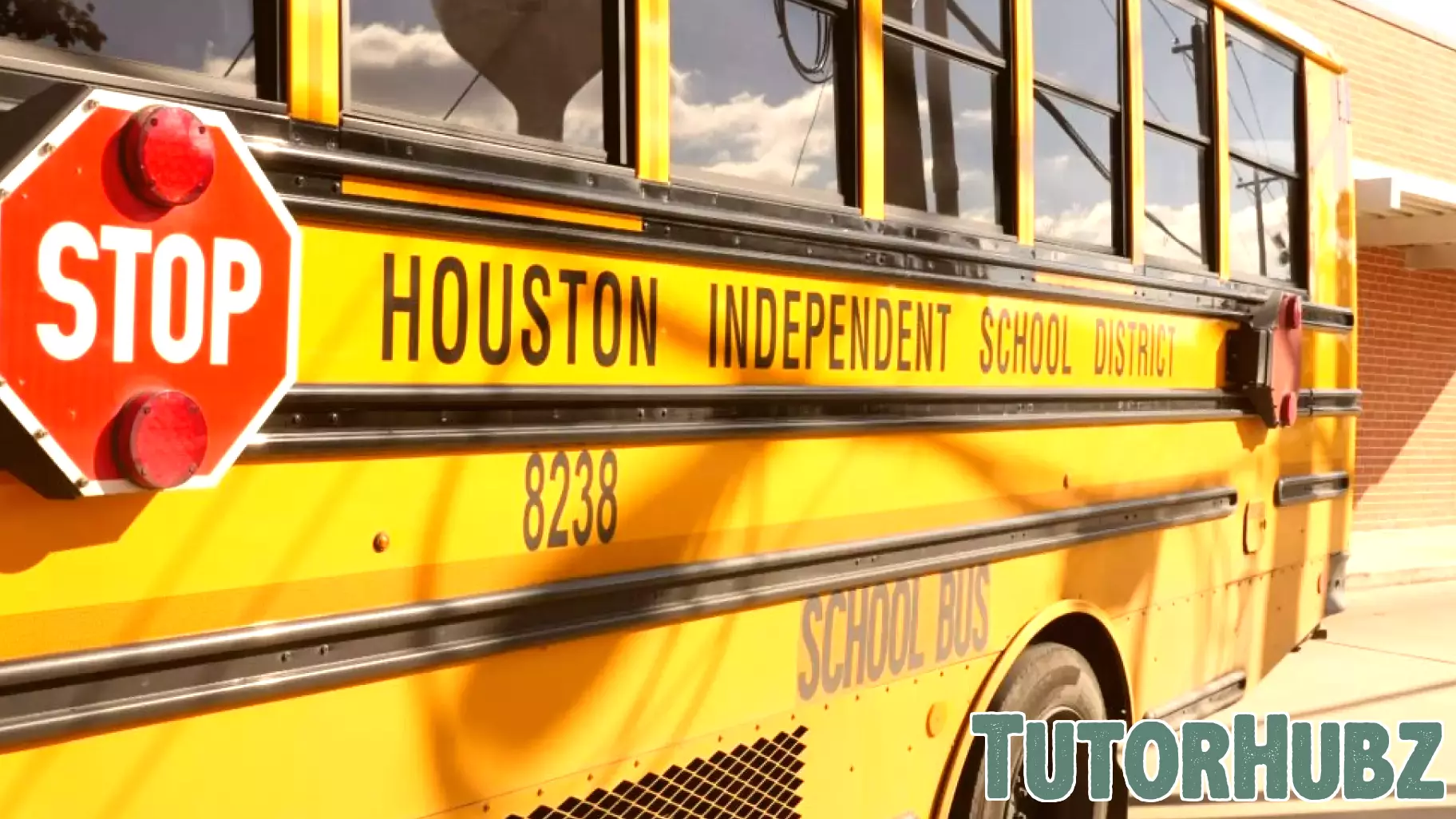
Soon, half of all American schoolchildren will live in states that use public funds to pay for private education. Texas is the latest to join this growing movement, setting aside $1 billion to spend this fall on private school scholarships and homeschooling costs. While supporters celebrate expanded options, critics argue that the boom in school choice is leaving the majority of kids who remain in public schools with fewer resources and less attention.
The trend has accelerated rapidly over the past few years. States like Arizona, Florida, and Iowa have already passed near-universal school choice programs, allowing families to use taxpayer money for private tuition or home-based learning. Texas, with its massive budget allocation, signals that the movement is not slowing down. Proponents say this gives low-income families the same opportunities as wealthy ones, breaking the monopoly of failing public schools.
But the numbers tell a different story for the students left behind. When states divert money to private options, public school districts often face budget cuts. Teacher salaries stagnate, class sizes grow, and special education programs lose funding. In Arizona, for example, the first year of universal school choice led to a 14% drop in public school enrollment, but the state still had to fund fixed costs like building maintenance and bus routes. The result was a squeeze on the remaining students.
Critics also point out that private schools are not required to serve all students. They can reject children with disabilities, English learners, or those with behavioral challenges. Public schools, by law, must take everyone. So while the choice boom helps some families escape, it often concentrates the most vulnerable students in underfunded public classrooms.
The debate is far from settled. As more states consider similar laws, the question remains whether school choice truly empowers families or simply shifts the burden onto those who cannot choose.
MORE NEWS
August 2, 2026 - 04:43
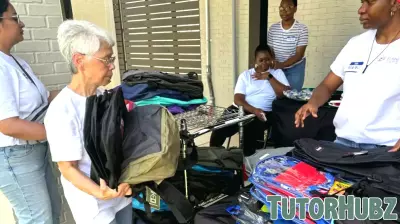
The Elaine Education Foundation hosts school supply drive for Baton Rouge studentsBATON ROUGE - The Elaine Education Foundation held its annual school supply drive on Saturday at The Chapel on Siegen Lane, aiming to ease the financial strain on local families as the new academic...

August 1, 2026 - 02:17
Person dead after shooting on campus of East Oakland adult education centerAt least one person is dead following a shooting Friday morning at an adult education center in East Oakland. The incident occurred just before 10 a.m. at the Oakland Adult and Career Education...

July 31, 2026 - 10:17
UCO-Based Educators' Leadership Academy Welcomes 2026 Higher Education Department Chair Academy ClassThe Educators` Leadership Academy, based at the University of Central Oklahoma, has announced the selection of 23 higher education professionals for its 2026 Higher Education Department Chair...

July 30, 2026 - 22:28
Mansfield arts and education groups team up for free teacher development programThe Mansfield Partners in Education Team is offering a free professional development workshop focused on arts integration for local teachers and school administrators. The program aims to help...