Using Group Work to Teach Conflict Resolution Skills
8 August 2026
Conflict is an inevitable part of life. Whether it’s a disagreement with a friend, a clash at work, or a misunderstanding in a classroom, we’re bound to encounter situations where our ideas or beliefs don’t align with others. But here’s the thing: conflict isn't necessarily a bad thing. When handled properly, it can lead to growth, better understanding, and stronger relationships. So, how do we equip students with the tools to navigate these situations effectively? Enter group work.
Believe it or not, group work can be the perfect platform for teaching conflict resolution skills. When students work together, they’re bound to face disagreements and differences of opinion. And instead of avoiding or suppressing these conflicts, educators can seize the opportunity to teach students how to resolve them in healthy, constructive ways.
In this article, we’ll dive deep into how group work can be used as a valuable tool for teaching conflict resolution skills, why it works so well, and how teachers can implement it in the classroom. Ready? Let’s get into it!
Why Group Work Is a Prime Setting for Conflict Resolution
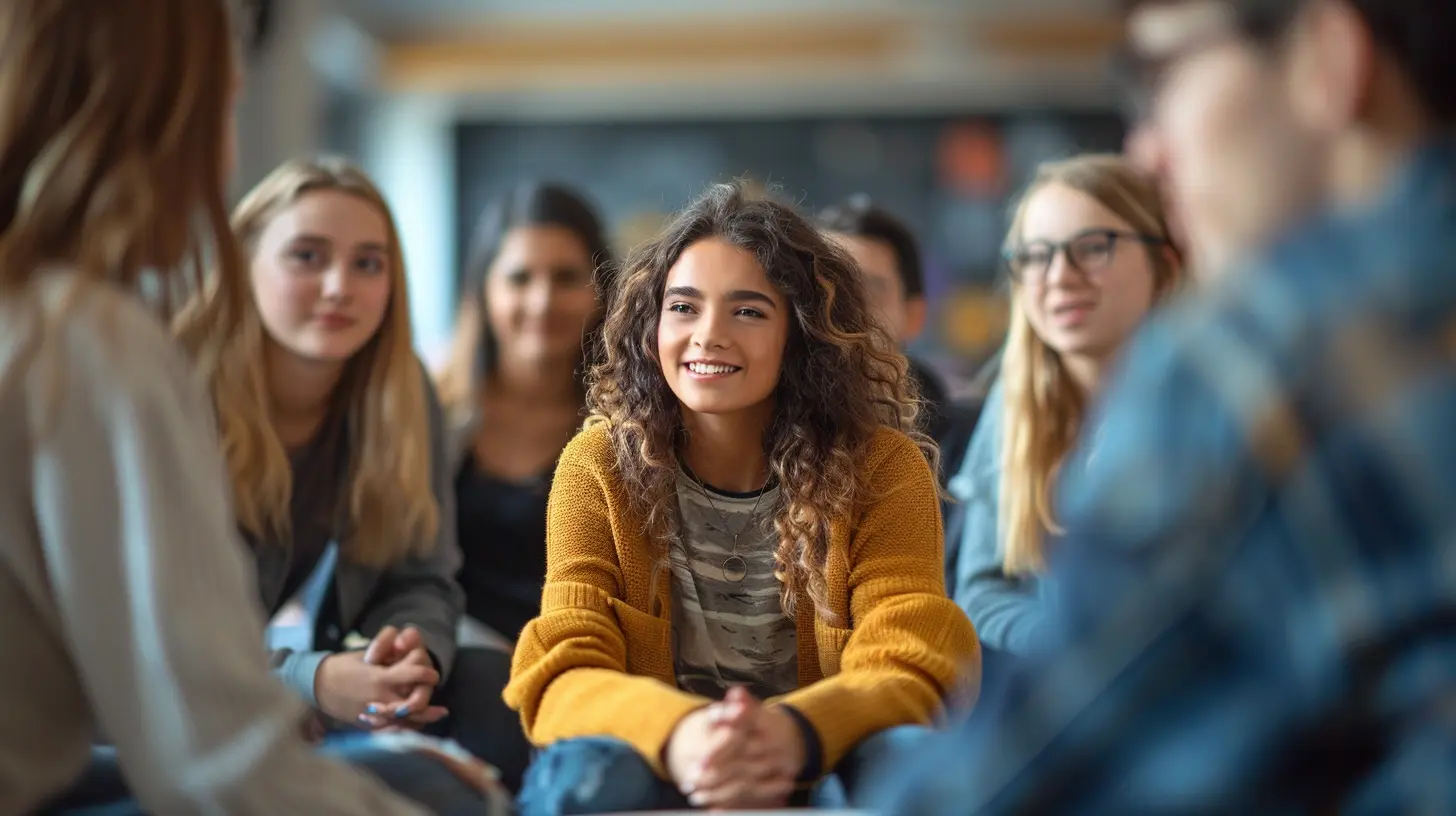
Let’s face it: group work can be a bit of a double-edged sword. On one hand, it brings together diverse perspectives, encourages collaboration, and allows students to learn from one another. On the other hand, it can also lead to disagreements, misunderstandings, and, yes, conflicts.But here’s the twist—those very conflicts are what make group work such an excellent tool for teaching conflict resolution. Think about it. When students work in groups, they’re thrust into situations where they have to negotiate, collaborate, and sometimes disagree. And when conflicts arise, they’re given the perfect opportunity to practice resolving them in a controlled environment.
Real-World Application
Conflict resolution is a life skill. Whether we're talking about future workplace disputes, family disagreements, or even global politics, the ability to resolve conflicts is crucial. By practicing these skills in a group setting, students aren’t just learning how to resolve conflicts in the classroom—they’re preparing themselves for the real world.Essentially, group work mimics real-world scenarios where collaboration is key. In a job setting, team projects are the norm, and conflicts are bound to arise. The earlier students learn how to handle these situations, the better prepared they’ll be for future challenges.
Building Empathy
Another reason group work is so effective in teaching conflict resolution is that it encourages students to see things from someone else’s perspective. When students work together, they’re exposed to different opinions, ideas, and ways of thinking. This exposure can lead to a greater understanding of others and, ultimately, foster empathy.And empathy? That’s a crucial ingredient in the conflict resolution recipe. When students learn to put themselves in someone else’s shoes, they’re more likely to approach conflicts with compassion and understanding rather than anger or frustration.
Key Conflict Resolution Skills Students Can Learn Through Group Work
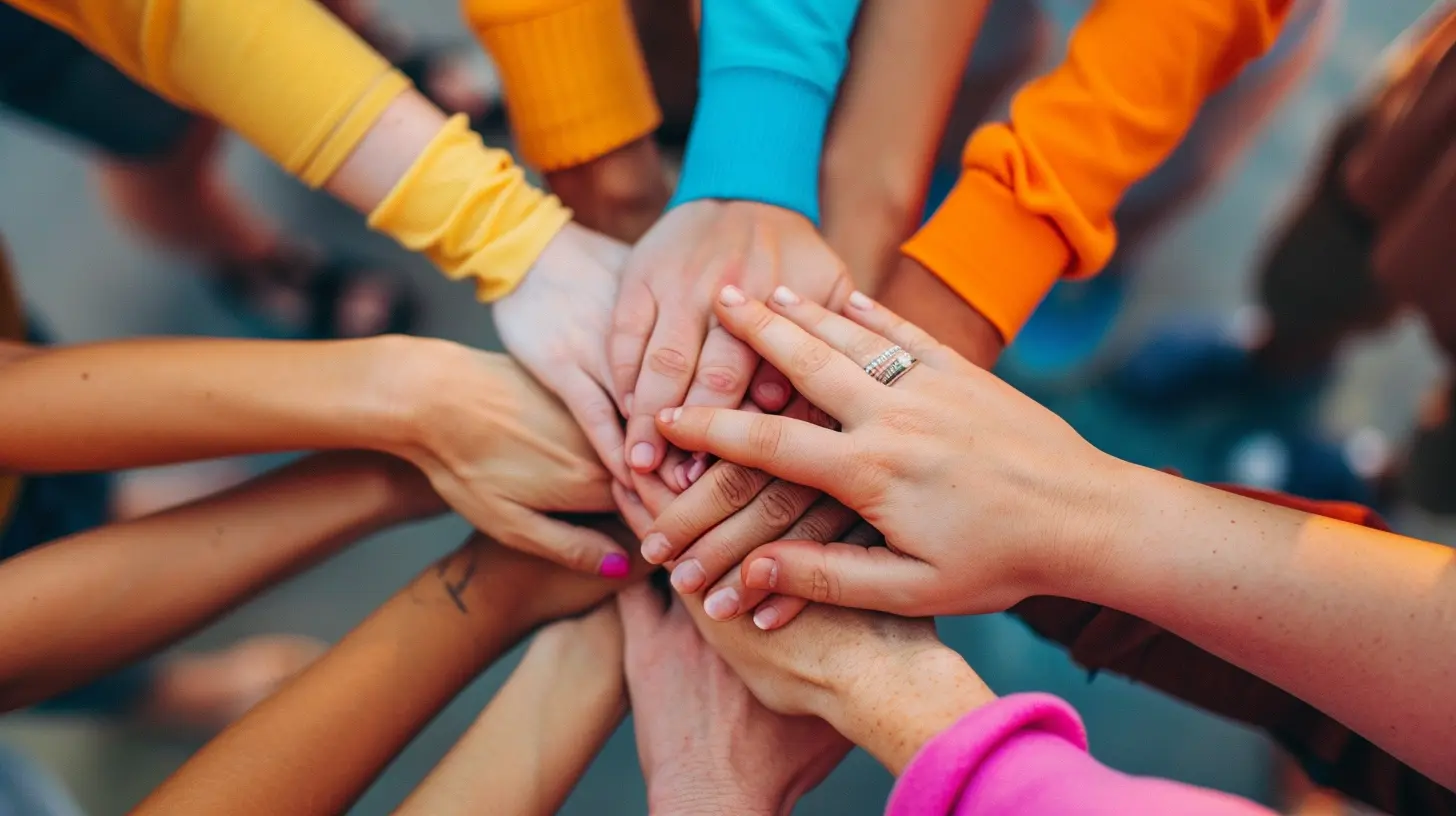
Okay, so we’ve established that group work is a prime setting for teaching conflict resolution, but what specific skills can students develop through this process? Let’s break it down.1. Active Listening
One of the most important conflict resolution skills is active listening. Too often, conflicts escalate because people aren’t really listening to each other. Instead, they’re focused on proving their point or winning the argument.Group work teaches students the value of truly listening to what others have to say. They’re forced to slow down, take in different perspectives, and consider those viewpoints before responding. This not only helps resolve conflicts but also strengthens the group’s overall communication.
2. Effective Communication
Speaking of communication, group work is an excellent way for students to practice expressing their thoughts and ideas clearly and respectfully. They’ll learn how to articulate their opinions in a way that fosters understanding rather than conflict.When students are working together, they’ll need to explain their ideas, provide feedback, and express disagreements in a constructive manner. This helps them develop the ability to communicate effectively in high-pressure situations—a skill that will serve them well beyond the classroom.
3. Negotiation Skills
Conflict resolution often involves some form of negotiation. In group work, students are frequently faced with situations where they need to find common ground or make compromises to move forward.By engaging in group discussions and resolving differences, students learn how to negotiate effectively. They’ll discover the art of give-and-take, learning that sometimes it’s necessary to meet in the middle to reach a solution that works for everyone.
4. Problem-Solving
Conflicts often arise because there’s a problem that needs to be solved. In group work, students are tasked with finding solutions to various challenges. When disagreements occur, they’ll need to work together to come up with creative solutions that satisfy all parties involved.This problem-solving process not only helps resolve conflicts but also fosters critical thinking and innovation. Students will learn that conflicts don’t always have to lead to negative outcomes—they can also be opportunities for growth and improvement.
5. Emotional Regulation
Let’s be real: conflicts can be emotionally charged. Whether it’s frustration, anger, or disappointment, emotions can run high when disagreements arise. Group work teaches students how to manage these emotions and respond to conflicts in a calm, rational manner.By working through conflicts in a group setting, students learn how to regulate their emotions, stay composed, and approach problems with a level head. This emotional intelligence is crucial for resolving conflicts in a healthy and productive way.
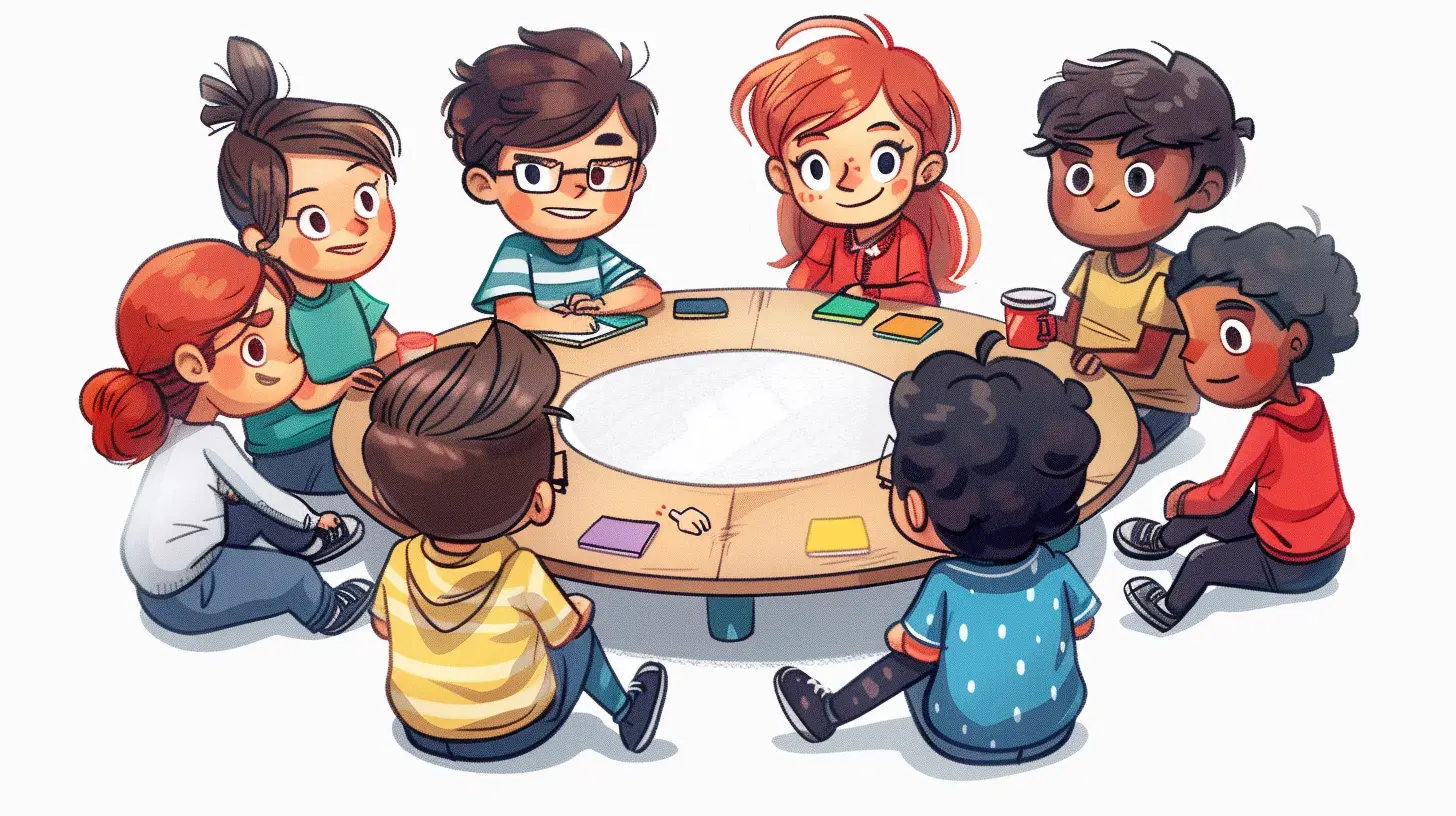
How Teachers Can Facilitate Conflict Resolution Through Group Work
Now that we’ve covered the why and the what, let’s talk about the how. How can teachers effectively use group work to teach conflict resolution skills?1. Set Clear Expectations
Before diving into group work, it’s important to set clear expectations for how students should handle conflicts. Let them know that disagreements are normal and even encouraged, but they must be resolved respectfully and constructively.Consider establishing ground rules for group discussions, such as allowing everyone to speak, listening without interrupting, and addressing issues calmly. By setting these expectations upfront, you’ll create a safe and respectful environment where conflicts can be resolved in a healthy manner.
2. Model Conflict Resolution
One of the best ways to teach conflict resolution is by modeling it yourself. When conflicts arise in the classroom, take the opportunity to demonstrate how to handle them effectively.Show students how to listen actively, communicate respectfully, and find common ground. By modeling these behaviors, you’ll give students a real-life example of what conflict resolution looks like in action.
3. Encourage Reflection
After group work, take time to reflect on the experience as a class. Ask students to think about how they handled conflicts, what strategies worked, and what they could improve next time.This reflection process allows students to internalize the conflict resolution skills they’ve practiced and apply them to future situations. It also gives them the opportunity to learn from their mistakes and grow as communicators and problem-solvers.
4. Provide Conflict Resolution Tools
Give students the tools they need to resolve conflicts on their own. This could include teaching them specific conflict resolution strategies, such as “I” statements, active listening techniques, and problem-solving frameworks.By equipping students with these tools, you’ll empower them to handle conflicts independently and confidently. And when they do encounter disagreements, they’ll have a clear roadmap for resolving them in a productive way.
5. Mix Up the Groups
One of the best ways to encourage conflict resolution is by mixing up the groups regularly. When students are constantly working with the same people, they may fall into familiar patterns and avoid addressing conflicts.By rotating groups, you’ll expose students to different perspectives and personalities, which can lead to new challenges and opportunities for conflict resolution. Plus, it keeps things fresh and engaging!

Common Challenges and How to Overcome Them
Let’s be real—teaching conflict resolution through group work isn’t always smooth sailing. There will be challenges along the way. But don’t worry! Here are some common obstacles and tips for overcoming them:1. Dominant Personalities
Some students may dominate group discussions, leaving others feeling unheard. To address this, encourage equal participation by asking quieter students to share their thoughts or assigning specific roles within the group.2. Avoidance of Conflict
On the flip side, some students may avoid conflict altogether, brushing disagreements under the rug. Help these students understand that conflict, when handled properly, is a healthy part of collaboration. Encourage open communication and remind them that it’s okay to disagree.3. Escalation of Conflicts
Sometimes, conflicts can escalate quickly, leading to frustration or even anger. If this happens, step in and guide students through the conflict resolution process. Remind them of the tools they’ve learned and encourage them to approach the situation calmly.Conclusion
Using group work to teach conflict resolution skills is a win-win. Not only does it help students develop essential life skills, but it also fosters collaboration, empathy, and problem-solving in the classroom. By setting clear expectations, modeling conflict resolution, and providing students with the tools they need, teachers can create a safe and supportive environment where conflicts are seen as opportunities for growth.So, the next time you’re organizing group work, don’t shy away from potential conflicts. Instead, embrace them as learning opportunities. Your students will thank you for it—both now and in the future.
all images in this post were generated using AI tools
Category:
Group WorkAuthor:

Fiona McFarlin