The Role of Peer Assessments in Blended Learning
2 December 2025
Blended learning is shaping the future of education, combining traditional classroom interactions with online activities. But there’s one teaching method that truly enhances the experience—peer assessments. Ever wonder how students can benefit from evaluating each other’s work? It’s not just about grading; it’s about learning, growing, and developing essential skills.
So, let’s dive into the world of peer assessments in blended learning and uncover why they matter so much.
What Is Peer Assessment?
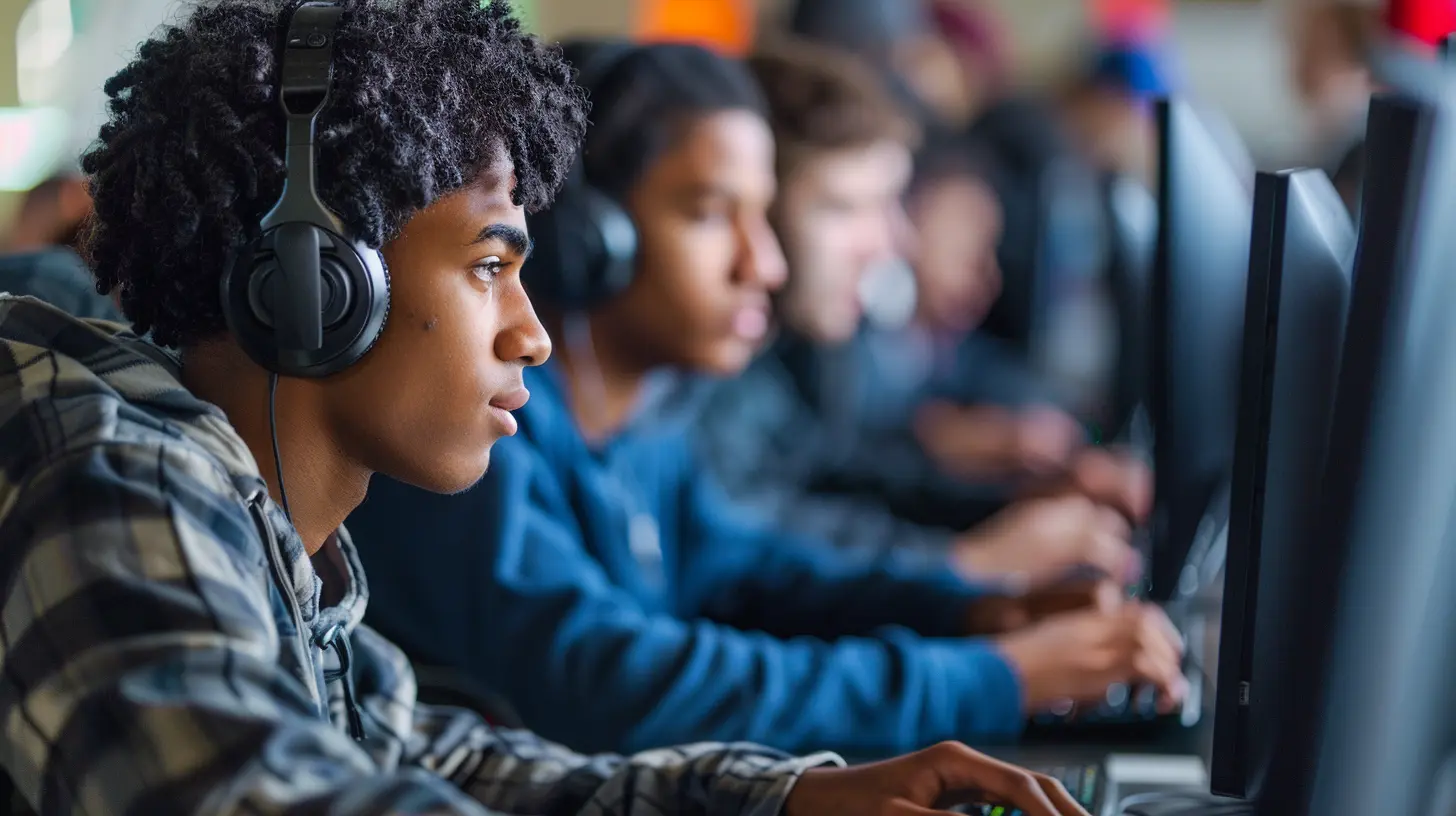
Peer assessment is a process where students evaluate and provide feedback on each other's work. Instead of relying solely on teachers for feedback, students take an active role in reviewing assignments, projects, or presentations.This method isn’t just about assigning grades—it focuses on constructive feedback, encouraging students to think critically and improve their work. Plus, it helps bridge the gap between understanding concepts and applying them in real-world situations.
Why Is Peer Assessment Important in Blended Learning?
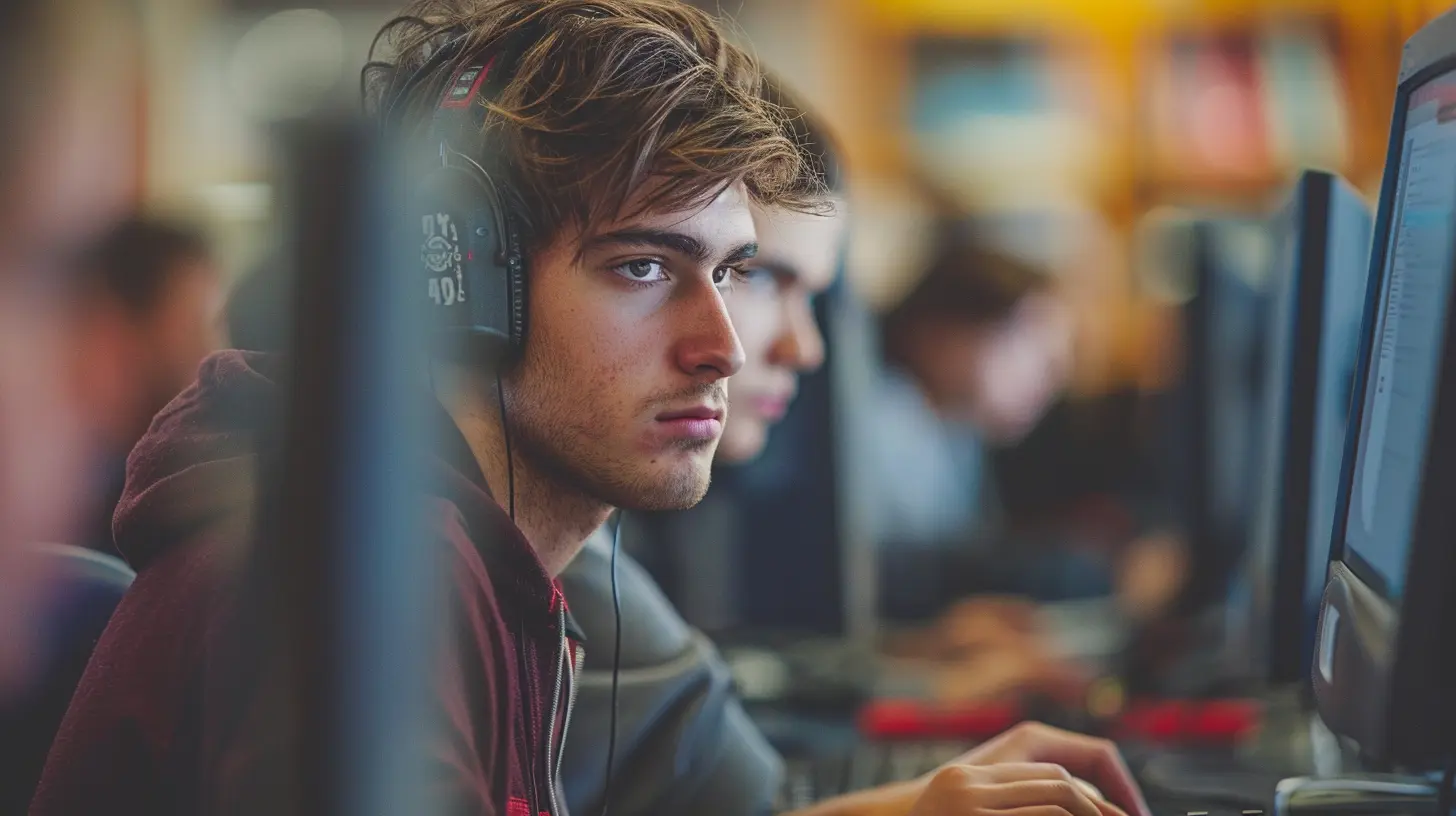
Blended learning offers a mix of in-person and online education, making it essential to find ways to keep students engaged. Peer assessments provide an interactive way to enhance learning in this setting. Here’s why they matter:1. Encourages Active Learning
Instead of passively absorbing information, students become active participants. Evaluating their peers’ work forces them to analyze, compare, and reflect on different ideas. This deepens their understanding and strengthens their critical thinking skills.2. Promotes Constructive Feedback Skills
Providing constructive feedback isn’t just an academic skill—it’s a life skill. When students critique each other’s work, they learn to give and receive constructive criticism, which is invaluable in any professional setting.3. Enhances Engagement in Online Learning
Blended learning can sometimes feel isolating. Peer assessments create a sense of community, encouraging students to interact, collaborate, and support each other. This makes the learning process feel more connected and less like a solo journey.4. Builds Self-Reflection and Responsibility
Students who evaluate their peers also start evaluating their own work more critically. They begin to notice mistakes they otherwise would have missed and become more responsible for their learning.5. Eases the Teacher’s Workload
Let’s be honest—teachers juggle a lot. Peer assessments allow students to share the workload while still learning valuable lessons. This enables teachers to focus on providing high-quality instruction and guidance, rather than spending excessive time grading.
How to Implement Peer Assessments in Blended Learning
Ready to introduce peer assessments in your blended learning class? Here’s a step-by-step guide to making it work.1. Set Clear Expectations
Students need to know what they’re looking for when evaluating each other’s work. Providing a rubric or checklist ensures that they focus on relevant aspects, like clarity, structure, and creativity.2. Create Small, Trusting Groups
Students may feel uncomfortable critiquing their peers at first. Assigning small groups where students feel safe and respected can make the experience more positive and productive.3. Teach Students How to Give Feedback
Giving feedback is an art. Teach students to provide constructive criticism by using the “compliment-suggestion-compliment” method. This approach keeps feedback balanced, making it easier to accept and apply.4. Use Online Tools for Seamless Assessments
Blended learning allows for digital peer assessments. Platforms like Google Classroom, Peergrade, and Turnitin make it easy for students to submit work, review their peers’ assignments, and provide feedback efficiently.5. Encourage Self-Assessment Alongside Peer Reviews
Before students assess their peers’ work, ask them to review their own. This helps them understand what to look for and improves their ability to evaluate others’ work objectively.6. Make It a Continuous Process
Peer assessments shouldn’t be a one-time activity. They should be an ongoing part of learning, allowing students to refine their skills throughout the course.
Common Challenges and How to Overcome Them
Like anything in education, peer assessments come with their own set of challenges. Here’s how to tackle them:1. Bias in Assessments
Sometimes, students may let friendships or personal biases affect their evaluations. To prevent this, keep assessments anonymous when possible and use rubrics for objective evaluations.2. Lack of Experience in Providing Feedback
Students might struggle to give useful feedback at first. That’s why it’s crucial to train them on what constructive feedback looks like. Providing examples and conducting practice sessions can help.3. Fear of Criticism
Not all students are comfortable receiving feedback, especially if it’s negative. Encourage a culture where feedback is seen as an opportunity for growth rather than criticism.4. Time Management
It can take time for students to assess each other's work properly. To balance this, set deadlines and provide structured activities to keep everything organized.Real-Life Benefits of Peer Assessments
Many educators who have incorporated peer assessments into their blended learning courses have seen remarkable improvements. Students become more engaged, produce higher-quality work, and develop lifelong skills such as critical thinking, communication, and teamwork.Plus, in a world where collaboration is key—whether in classrooms, workplaces, or creative environments—learning how to assess and improve upon the work of others is invaluable.
Final Thoughts
Peer assessments are much more than a way to share grading responsibilities—they’re a powerful learning tool in blended education. By encouraging active participation, self-reflection, and collaboration, students get more out of their learning experiences.So, whether you’re an educator introducing peer assessments or a student participating in them, remember this: feedback is a gift. It’s not about pointing out flaws but about helping each other grow.
all images in this post were generated using AI tools
Category:
Blended LearningAuthor:

Fiona McFarlin
Discussion
rate this article
2 comments
Elle Patterson
Peer assessments are vital in blended learning, fostering collaboration and critical thinking. They not only enhance student engagement but also promote authentic feedback, empowering learners to take ownership of their educational journey. Embrace this transformative approach!
December 6, 2025 at 12:43 PM
Fiona McFarlin
Thank you for your insightful comment! I completely agree that peer assessments are essential for enhancing collaboration, critical thinking, and student engagement in blended learning environments. Embracing this approach truly empowers learners!
Flint McDowney
Peer assessments in blended learning foster critical thinking and collaboration, yet require careful structuring to ensure fairness and constructive feedback.
December 6, 2025 at 4:32 AM
Fiona McFarlin
Thank you for highlighting the importance of careful structuring in peer assessments. I completely agree that it’s essential for fostering critical thinking and collaboration while ensuring fairness and constructive feedback.