The Role of Civic Education in Environmental Stewardship
18 June 2026
Have you ever wondered why so many people still litter, waste water, or ignore climate warnings—even with all the environmental buzz around us? The answer might not lie in ignorance, but in a lack of civic education. Yep, you heard that right. Civic education, often seen as the boring class where students memorize the branches of government, actually plays a crucial part in shaping how we care for our environment.
In fact, if we dig a little deeper, you’ll see that understanding our role within society—and how our choices affect not just our neighbors but also our planet—can be a game-changer. Let's unpack why civic education might just be the secret weapon in the fight for environmental sustainability.
What Is Civic Education, Anyway?
Before diving into its impact on the environment, let’s get clear on what civic education actually means. In simple terms, civic education is all about teaching people—especially students—how to be active, informed, and responsible citizens. Think of it as the user's manual for living in a democratic society.It covers topics like:
- Government structure and function
- Political systems
- Rights and responsibilities of citizens
- The importance of voting and community participation
- The role of law and justice in society
But more importantly, it’s about empowering individuals to engage in civic life. And that includes making decisions that protect the environment for future generations.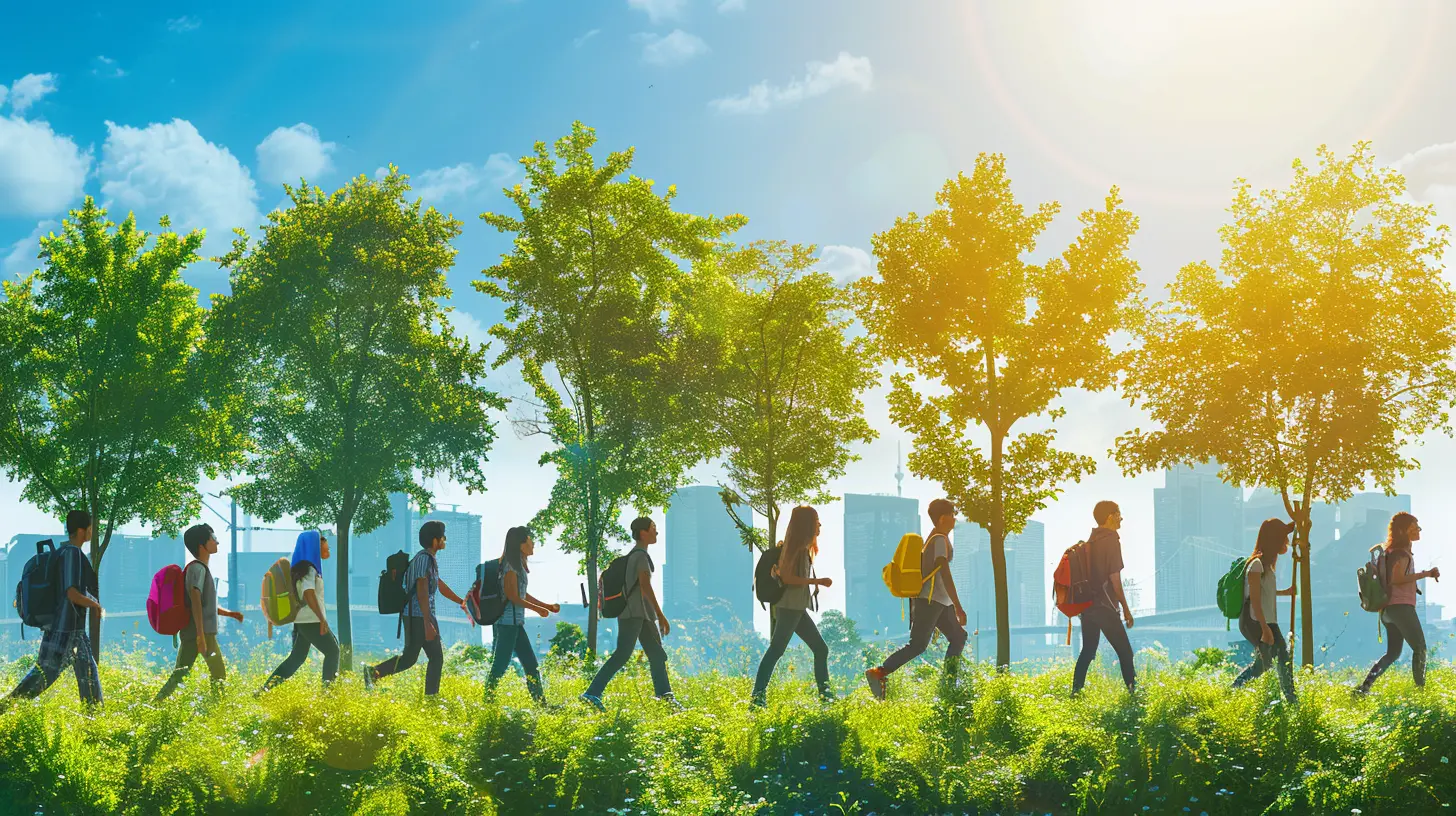
Why Does Environmental Stewardship Matter?
Let’s be real—our planet is in rough shape. From melting ice caps and rising temperatures to dwindling wildlife populations, the signs are everywhere. Environmental stewardship is the idea that we all have a responsibility to take care of the Earth. It’s not just about hugging trees and recycling bottles—it’s about sustaining the planet's health for ourselves and future generations.But here’s the thing: you can’t expect people to take care of what they don’t understand or feel connected to. That’s where civic education steps in.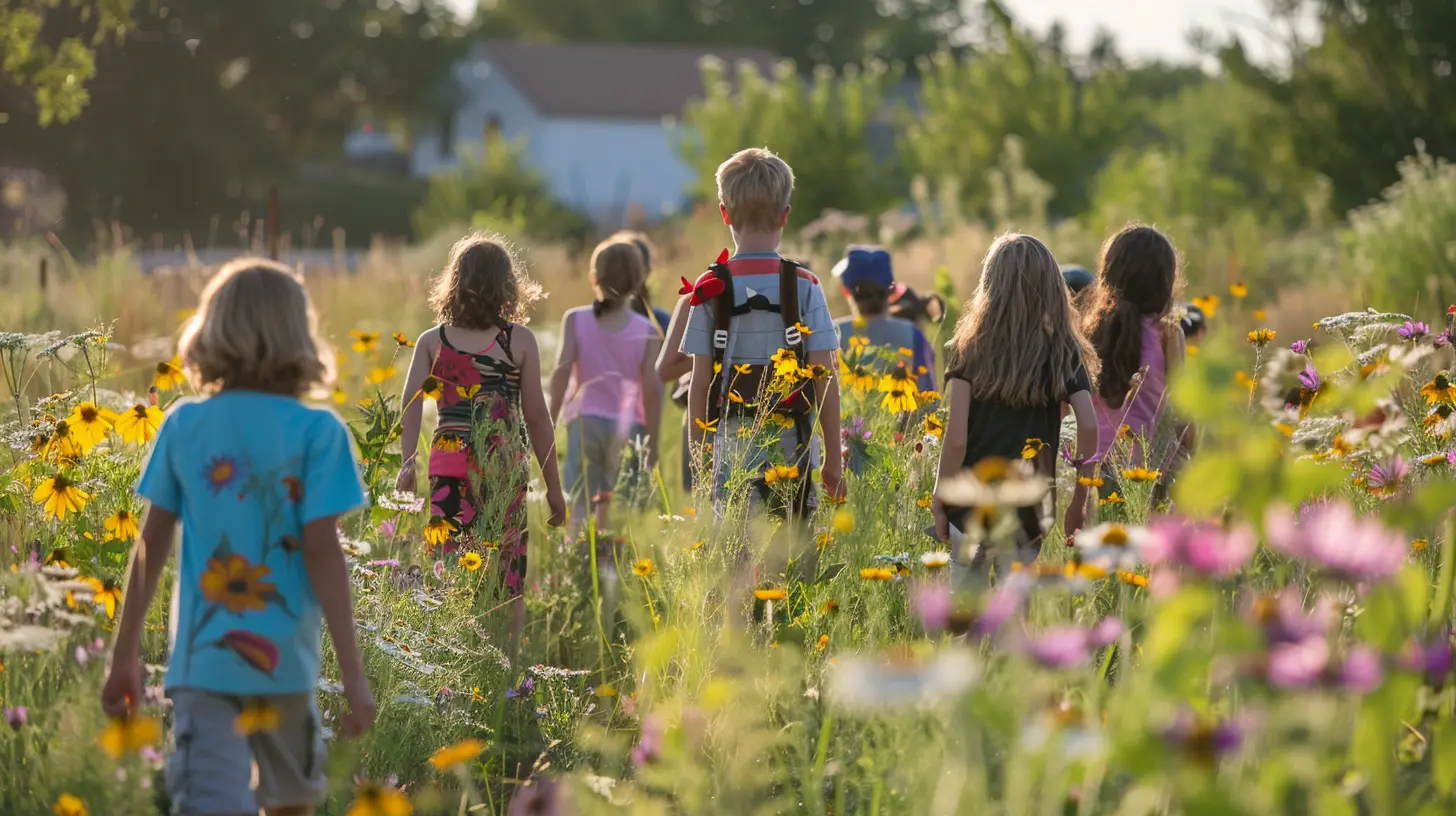
Connecting the Dots: Civic Education and Environmental Stewardship
So, how exactly does civic education promote environmental stewardship? Let’s break it down.1. It Teaches Responsibility Beyond the Self
Civic education hammers home the concept of responsibility—not just to ourselves or our families, but to society at large. When students learn that their actions have a ripple effect, they start thinking twice about how they consume resources or dispose of waste.Ever dropped a plastic cup thinking "It's just one"? Civic education reminds us that if everyone thinks like that, we end up with oceans full of "just ones."
2. It Builds Awareness of Environmental Policies
Policies play a huge role in environmental protection. Whether it’s carbon taxes, plastic bans, or renewable energy incentives—understanding how laws are made and implemented helps citizens participate in shaping those very rules.Without civic education, many people aren’t even aware they can:
- Attend town hall meetings
- Petition for environmental legislation
- Vote for green-conscious candidates
- Hold companies and leaders accountable
Informed citizens make better choices, and more importantly, they demand better policies.
3. It Encourages Critical Thinking About Media and Information
Let’s face it—the internet is full of misleading headlines and eco-myths. Civic education encourages critical thinking and media literacy, enabling students to distinguish facts from fiction.So instead of falling for climate change denial articles or miracle “green” products, individuals can ask, "Who’s funding this?" or "What’s the science behind that claim?" That habit alone can lead to smarter, more responsible environmental choices.
4. It Promotes Activism and Community Engagement
Have you seen high schoolers leading climate marches or organizing clean-up drives? That’s civic education in action. When done right, it doesn’t just teach what government is—it teaches how to change it.Participating in local clean-ups, volunteering for conservation efforts, or even starting a petition to plant more trees at school—all stem from an understanding of one’s civic power.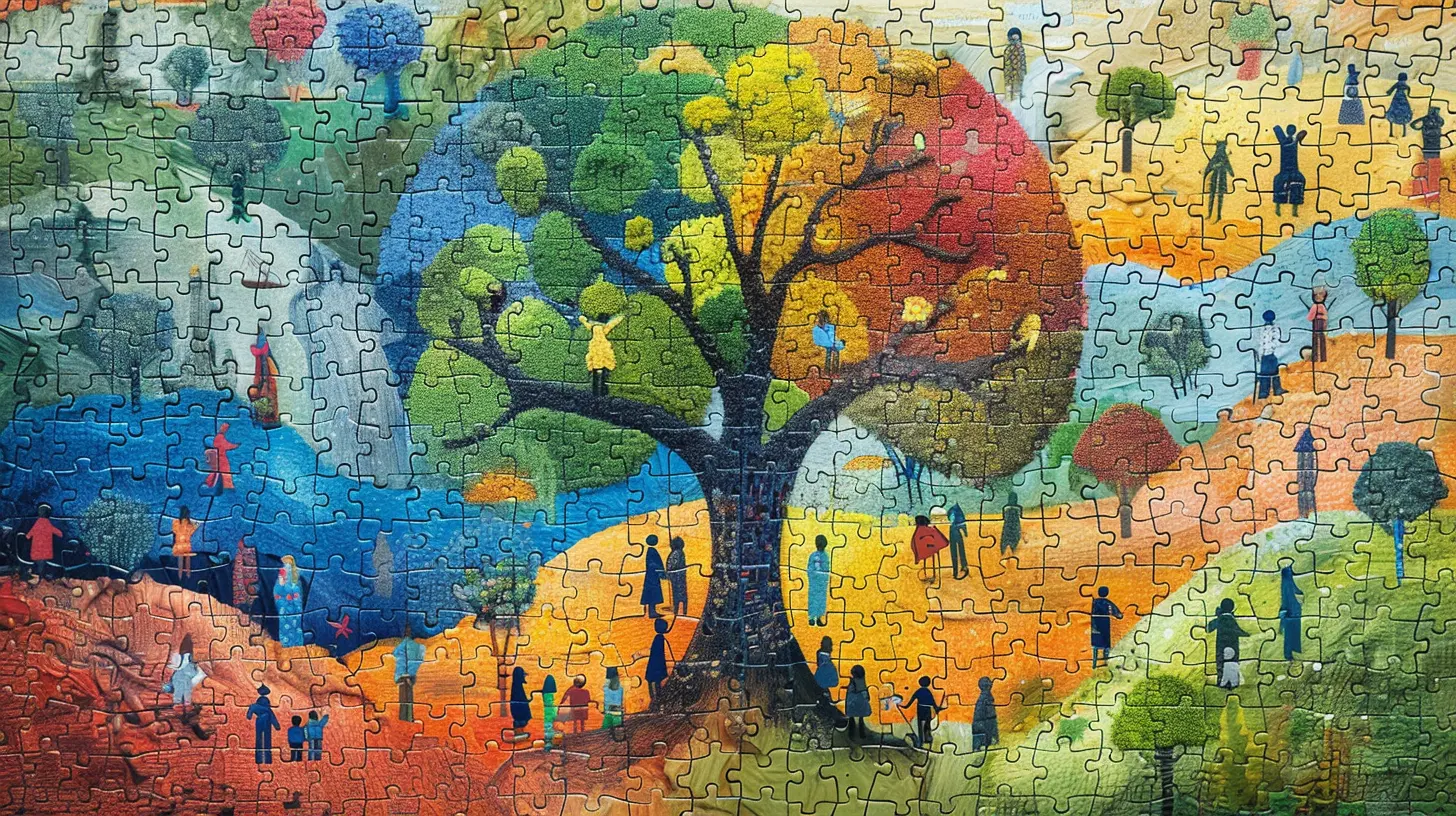
Real-Life Examples of Civic Education Driving Environmental Change
This isn’t just theory—it’s happening across the globe. Let’s look at how civic education has fostered real environmental stewardship:Greta Thunberg and the Global Youth Movement
You’ve probably heard of Greta Thunberg. What started as a solo school strike turned into a global movement of millions. Greta’s civic education, especially on democratic rights and responsibilities, gave her the knowledge and confidence to catalyze climate action.Eco-Clubs in Indian Schools
In India, the government has promoted Environmental Education Clubs in schools. These clubs teach students about pollution, biodiversity, and waste management. More than just learning, students organize tree-planting, awareness campaigns, and eco-friendly drives—what better display of civic and environmental responsibility intertwined?U.S. Civic Curriculum Reform
In the U.S., some states are pushing for more comprehensive civic education that includes environmental justice components. Programs now include simulations where students draft environmental policy, attend mock government hearings, or lead campus sustainability projects.The Role of Schools in Fostering Eco-Conscious Citizens
Schools aren’t just places to memorize equations—they’re the training grounds for our future leaders. When civic lessons include environmental themes, students begin to see how their actions (and votes!) can influence larger systems.Imagine a middle school student learning how city zoning laws affect air quality or how public transportation funding connects to carbon emissions. That kind of education sticks—and it translates into lifelong eco-conscious behavior.
Integrating Environmental Themes into Civics Lessons
Education systems don’t need to start from scratch. Existing civics lessons can be enriched with simple, practical environmental layers:- Case studies on environmental justice movements
- Debates on climate policy in mock parliaments
- Assignments on analyzing local environmental policies
- Field trips to community gardens or recycling centers
It’s about making students realize: you don’t need to be a scientist to help the planet. You just need to be an engaged citizen.
Challenges to Implementing Civic-Driven Environmental Education
All this sounds great on paper—but real-world implementation isn’t always smooth sailing.Lack of Resources
Many schools, especially in underfunded areas, lack the resources to provide interactive civic education, let alone enrich it with environmental themes. Teachers often struggle with outdated textbooks and limited training.Political Pushback
Let’s be honest—climate change can be polarizing. In some regions, discussing environmental issues in schools is seen as "too political." That’s a huge barrier to crafting a well-rounded civics curriculum.Student Engagement
Civic education has a reputation for being dry and boring. Unless it's delivered in dynamic, participatory formats, students might tune out before they make that critical connection between democracy and environmental care.So, Where Do We Go From Here?
While there are bumps in the road, the potential of civic education as a tool for environmental stewardship is undeniable. Here are a few ways forward:- Empower Teachers: Offer training and resources to integrate environmental themes in civic lessons.
- Update Curriculums: Reflect real-world challenges like climate change and environmental justice.
- Engage Students Creatively: Encourage hands-on learning, debates, role-plays, and community projects.
- Involve Local Communities: Bring in local environmental leaders to connect classroom knowledge with real-life application.
Remember: the goal isn’t just to create straight-A students—it’s to nurture active, informed citizens who give a damn about the world they live in.
Final Thoughts: The Future Is in the Hands of Educated Citizens
If we want a greener, more sustainable world, we’ve got to start with the people who will inherit it. Civic education isn’t just about memorizing government facts—it’s about understanding how to shape the future. When students learn they have the power to enact change, they start to see the environment not as someone else’s problem, but as everyone's responsibility.So the next time you hear someone say civic education is boring or irrelevant, ask them this: “If people don’t even know how democracy works, how can we expect them to save the planet?”
Change starts with knowledge. And knowledge—powered by civic education—might just be the most powerful renewable energy we’ve got.
all images in this post were generated using AI tools
Category:
Civic EducationAuthor:

Fiona McFarlin
Discussion
rate this article
1 comments
Clover McCarthy
Civic education and environmental stewardship go together like compost and earthworms. Who knew learning about rights could also help save some trees... and frogs?
June 23, 2026 at 2:48 AM