The Role of Assistive Technology in Inclusive Education
20 June 2026
Education is meant to be a gateway for all students, regardless of their abilities. But let’s be honest—traditional teaching methods often fail to accommodate diverse learning needs. This is where assistive technology (AT) steps in, bridging the gap and making education truly inclusive.
From speech-to-text programs to braille displays and sensory-friendly learning tools, assistive technology empowers students who face learning challenges. It levels the playing field, giving every student a fair shot at success.
But how exactly does assistive technology shape inclusive education? Let’s dive in. 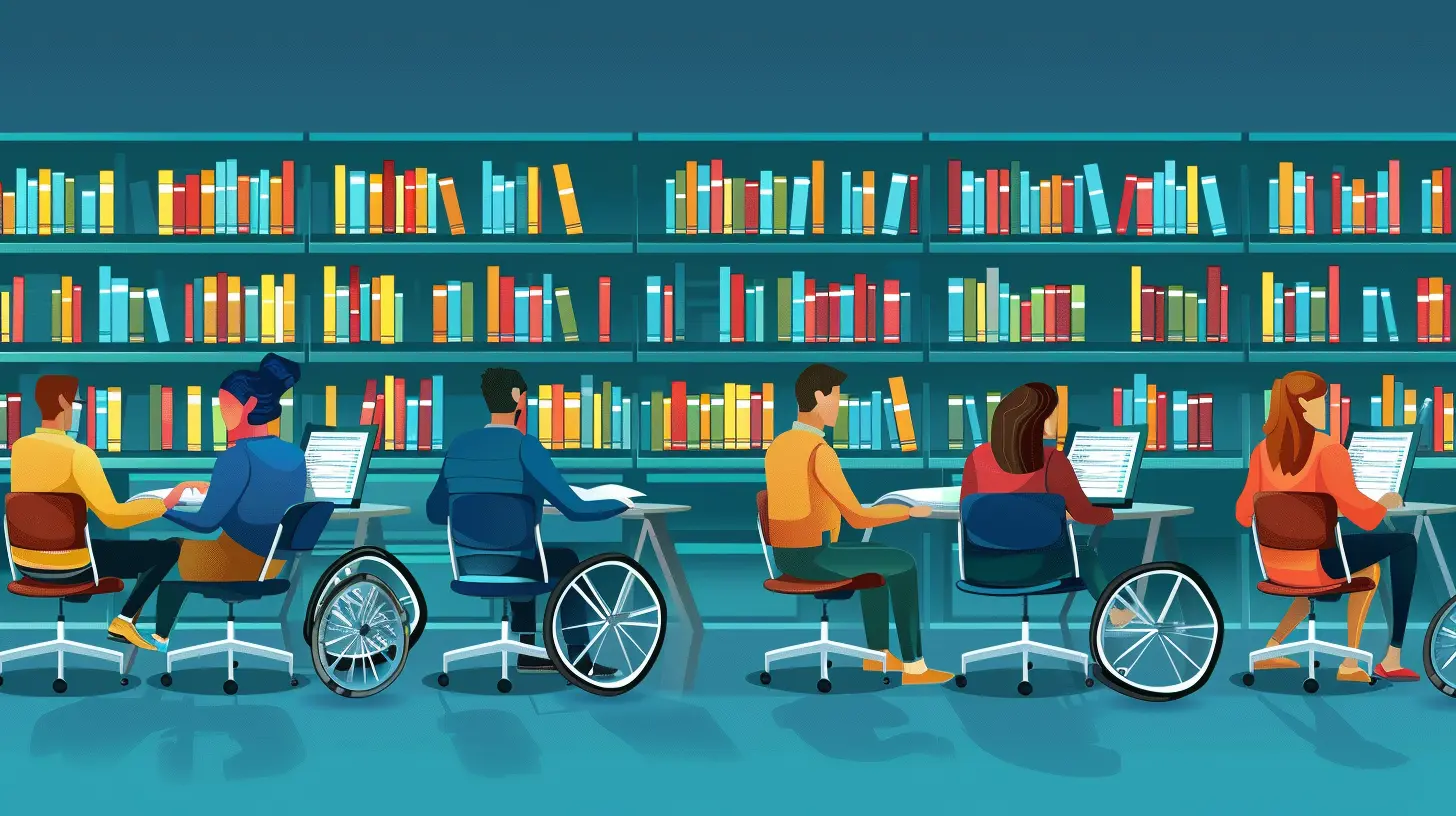
What is Assistive Technology in Education?
Assistive technology refers to any tool, device, or software that helps students with disabilities overcome learning barriers. These tools support cognitive, sensory, physical, and communication challenges, ensuring every student can actively engage, participate, and succeed in the classroom.Think of it as a bridge, allowing students to cross learning gaps that may have once seemed impossible. With the right AT, a child who struggles with reading can listen to texts, and a student with mobility issues can use adaptive keyboards to complete assignments.
AT isn’t about giving an unfair advantage—it’s about equity. Every student deserves the opportunity to learn, and assistive tech makes that happen. 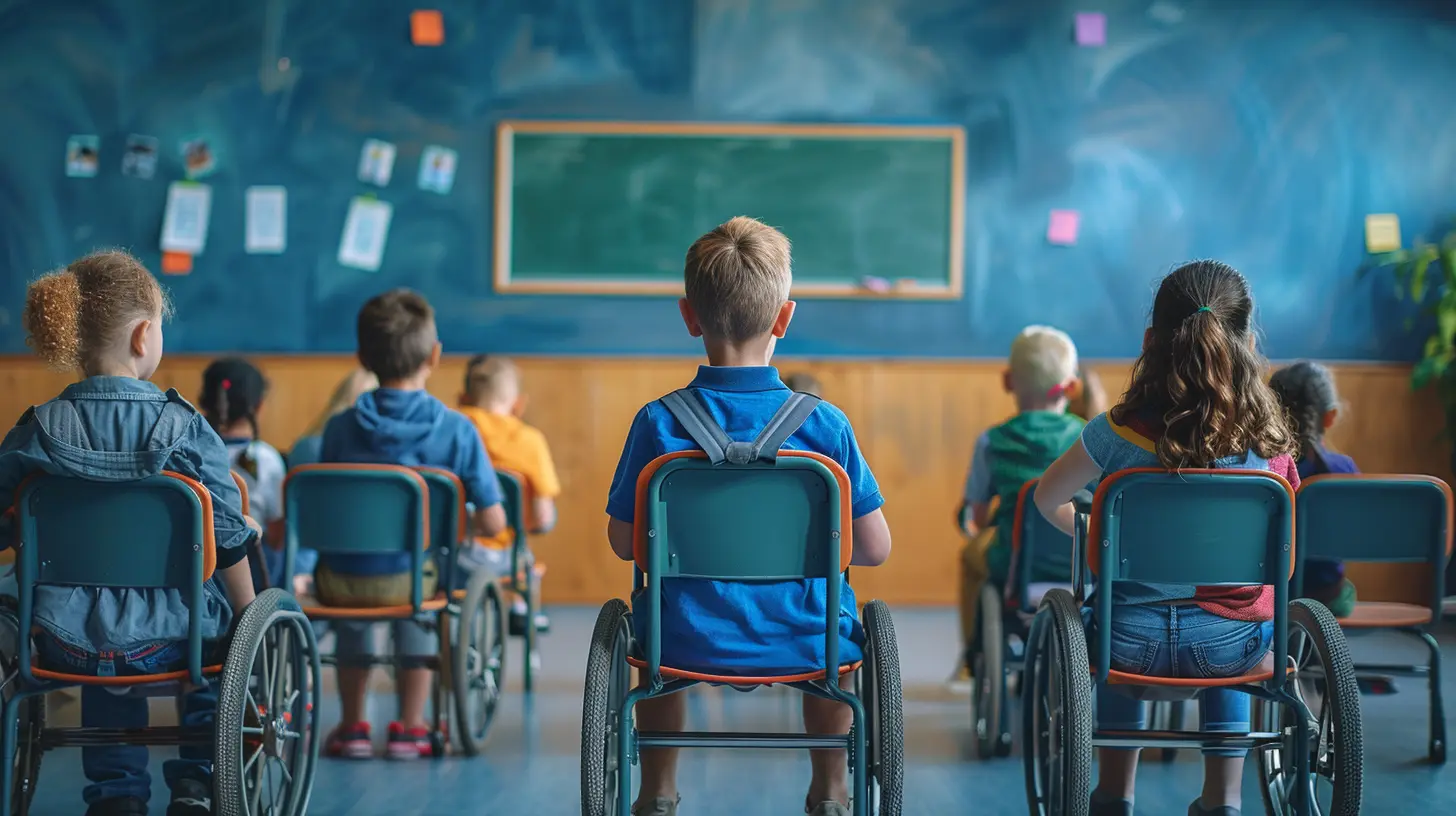
Why is Inclusive Education Important?
Imagine a classroom where every student—regardless of ability—feels valued and capable. That’s the essence of inclusive education.Instead of segregating students with disabilities, inclusive education integrates them into mainstream classrooms, fostering diversity, understanding, and equal opportunities.
Benefits of Inclusive Education:
✅ Boosts Confidence – Students feel empowered when they can keep up with their peers.✅ Encourages Social Interaction – Everyone gets to learn together, fostering friendships and teamwork.
✅ Prepares for the Real World – In the workplace, diversity is the norm. Inclusive classrooms set the foundation for life beyond school.
✅ Breaks Down Stigmas – The more we normalize different abilities, the more we eradicate discrimination and misconceptions.
But inclusive education doesn’t work without the right tools. That’s where assistive technology takes center stage. 
How Assistive Technology Supports Diverse Learning Needs
Assistive technology is not one-size-fits-all—it adapts to individual needs. Whether a student struggles with reading, writing, communication, or mobility, there’s an AT tool designed to help.1. For Students with Learning Disabilities
Students with dyslexia, ADHD, or processing disorders often struggle with traditional reading and writing. Assistive tech offers solutions that cater to their needs:? Text-to-Speech Software – Converts written text into spoken words, making reading more accessible.
? Speech-to-Text Tools – Helps students who struggle with handwriting or typing by converting their voice into written text.
? Graphic Organizers – Assist students with structuring thoughts and ideas for writing assignments.
These tools don’t replace learning; they make learning more accessible.
2. For Students with Visual Impairments
When reading printed material is a challenge, assistive technology steps in with:? Screen Readers – Read digital text aloud, allowing visually impaired students to navigate content independently.
? Braille Displays – Convert text into braille, helping students read their lessons in an alternative format.
? Magnification Software – Enlarges text and images for those with low vision.
By removing barriers, visually impaired students can fully engage with learning materials.
3. For Students with Hearing Impairments
Traditional teaching methods often rely heavily on spoken instruction. Assistive tech ensures that students with hearing impairments don’t miss out:? Real-Time Captioning – Provides live subtitles during lectures.
? Hearing Aids and Cochlear Implants – Amplify sounds to aid better hearing.
? Sign Language Translation Apps – Bridge communication gaps between students and teachers.
Technology transforms classrooms into inclusive spaces where no one gets left behind.
4. For Students with Physical Disabilities
Mobility challenges shouldn’t hinder a student’s ability to fully participate in class. AT tools make learning accessible for those with physical limitations:? Adaptive Keyboards and Mice – Designed for students with limited hand mobility.
? Eye-Tracking Technology – Allows students to control a computer using only their eye movements.
? Voice-Controlled Devices – Enable hands-free learning and interaction.
With the right support, students with physical disabilities can thrive in educational settings. 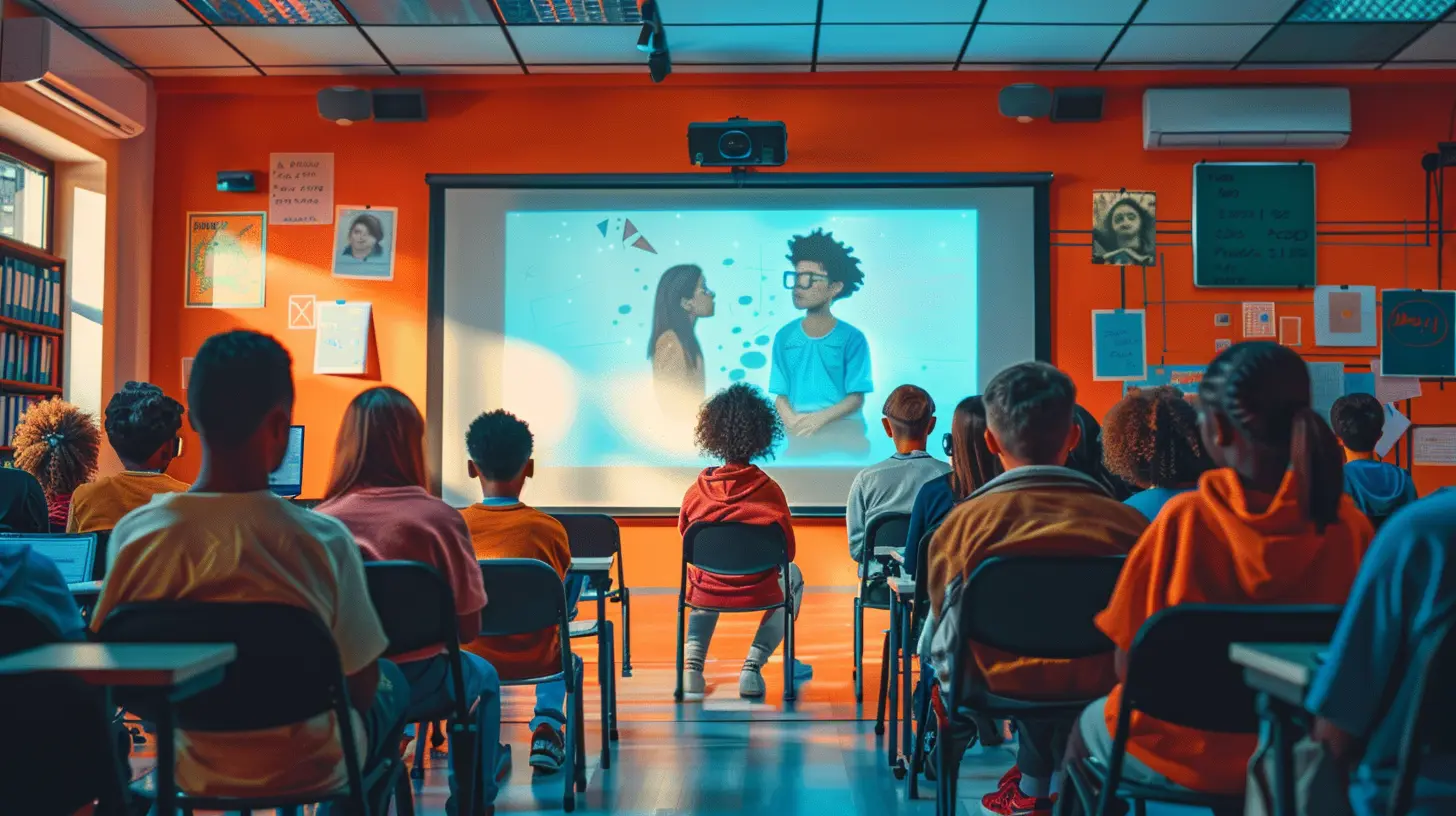
The Benefits of Assistive Technology in Education
The impact of assistive technology extends beyond supporting disabilities. It enhances learning experiences for all students, making classrooms more engaging, interactive, and flexible.✅ Promotes Independent Learning
Students gain confidence when they can tackle challenges on their own using assistive tools.✅ Improves Academic Performance
With fewer learning barriers, students can focus more on comprehension and skill-building.✅ Encourages Inclusivity
When assistive technology is integrated into classrooms, everyone benefits—it fosters an environment where diversity is welcomed and celebrated.✅ Prepares Students for Future Success
Incorporating technology into education equips students with essential digital skills that are invaluable in today’s tech-driven world.Challenges of Implementing Assistive Technology
While assistive technology is transformative, its implementation can be challenging.1. High Costs
Many AT tools and devices come with hefty price tags, making them inaccessible for some schools or families.2. Lack of Teacher Training
Teachers need proper training and awareness to effectively integrate AT into classrooms. Without it, these tools may go underutilized.3. Limited Awareness
Some schools and educators aren’t aware of the full range of assistive technology available. Awareness campaigns can help bridge this gap.Despite these challenges, investing in assistive technology is investing in the future of education.
The Future of Assistive Technology in Education
With advancements in AI, machine learning, and adaptive technology, the future of assistive technology looks promising.? AI-Powered Personalized Learning – AI can analyze a student’s needs and automatically adjust lessons to suit their abilities.
? Augmented Reality (AR) & Virtual Reality (VR) – Immersive learning experiences can enhance understanding, especially for students with cognitive challenges.
? Wearable Assistive Devices – Smart glasses that provide real-time captions or audio descriptions are on the horizon.
As technology evolves, classrooms will become even more inclusive, engaging, and accessible for all learners.
Final Thoughts
Education isn’t meant to be a one-size-fits-all experience. Every student deserves a learning environment that meets their individual needs. Assistive technology is a game-changer, ensuring that students of all abilities have an equal opportunity to learn, grow, and succeed.While challenges remain, making assistive technology more accessible, affordable, and integrated into education systems is a step toward true inclusivity. Because at the end of the day, education should empower every student—not exclude them.
So let’s embrace assistive technology and create classrooms where everyone has a seat at the table.
all images in this post were generated using AI tools
Category:
Inclusive EducationAuthor:

Fiona McFarlin
Discussion
rate this article
1 comments
Daniella Marks
Assistive technology opens doors for all learners, fostering an inclusive environment where every student can thrive. Embracing these tools empowers diverse voices and sparks limitless potential in education.
June 29, 2026 at 3:54 AM