The Power of Political Cartoons in Shaping Public Opinion
7 March 2026
When was the last time a cartoon made you stop and really think? Not just laugh—but reconsider a current event, question a politician’s actions, or even change your perspective? That’s the magic of political cartoons. They’re not just squiggly lines and exaggerated noses on newspaper pages. They’re sharp tools—clever, brutal, and often hilarious weapons—influencing how we see the world around us.
In this article, we’re diving deep into the world of political cartoons. We'll unpack how they’ve shaped public opinion across centuries, why they continue to pack a punch in today’s meme-driven culture, and how you, as a reader, are more affected by them than you might think.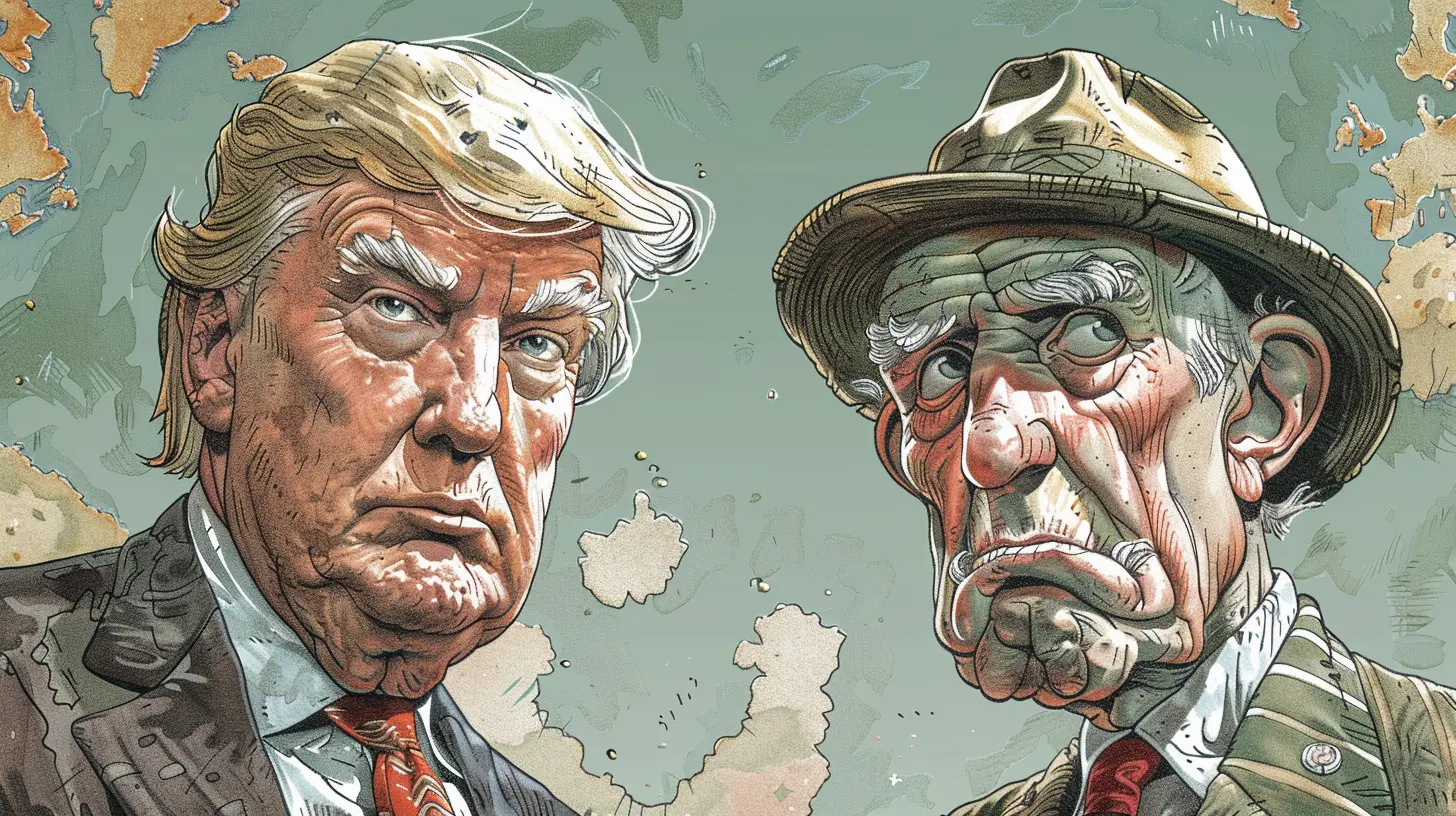
What Exactly Are Political Cartoons?
Let’s start with the basics. A political cartoon is essentially an illustration or comic strip that offers commentary on political events, social issues, or public figures. But unlike traditional news articles, cartoons don’t explain—they provoke. They use satire, symbolism, and exaggerated visuals to spark thought and often laughter.Think of them as visual editorials. The artist doesn’t just draw; they take a stand. Through a single image, they can criticize, question, mock, or praise. It’s like a visual tweet with more bite and a longer shelf life.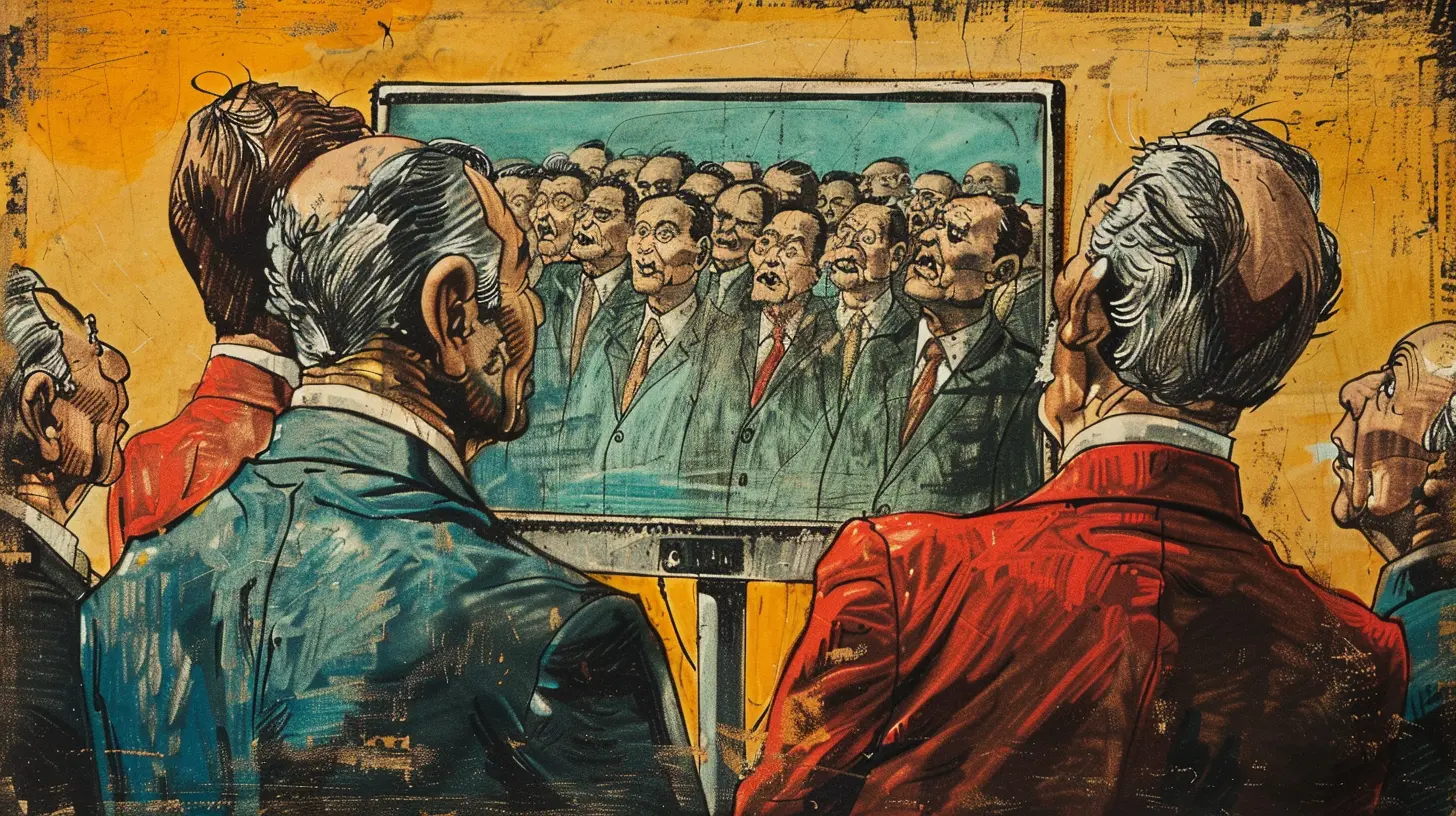
A Quick Trip Through History
Political cartoons have been around way longer than you might think. We're talking centuries—way before social media and 24/7 news cycles.The Early Days
Political satire can be traced back to ancient civilizations. Even in ancient Greece and Rome, artists used caricature-like imagery to comment on politics. But the real boom came in the 18th century. Think of Britain’s James Gillray—often called the father of the political cartoon. He was fearless, using grotesque and hilarious exaggerations to skewer Napoleon, the British monarchy, and corrupt politicians.American Roots
In the U.S., political cartoons became a big deal around the 19th century. Remember Benjamin Franklin’s “Join, or Die” cartoon? That little segmented snake wasn’t just a doodle—it was a powerful symbol urging unity among the colonies. Then came Thomas Nast, who gave us the Republican elephant and the modern idea of Santa Claus (seriously, look it up!). He used art to go after corrupt politicians like Boss Tweed, and his work helped bring real change.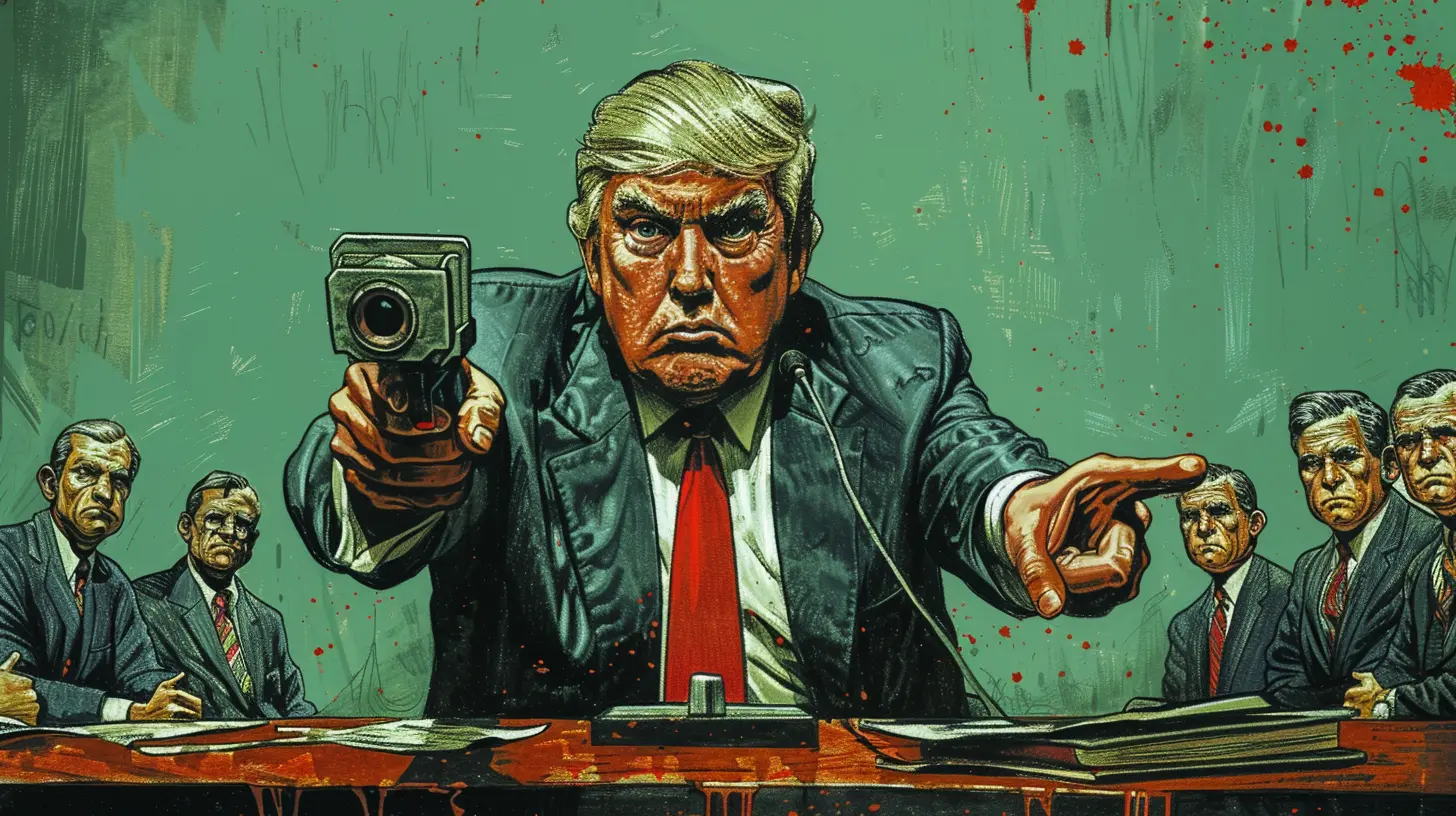
The Psychology Behind Cartoons: Why They Hit Home
So, why do these drawings work so well? Why can a single panel have more impact than an entire article?Visuals Are Instant
Our brains are wired to process images faster than text. A newspaper article might take 10 minutes to read and process. A cartoon? Boom. It hits in seconds. The message is visual, emotional, and immediate.Humor Dismantles Defenses
People can get defensive when politics is discussed. But wrap that political critique in humor? Suddenly, minds open up. Cartoons lower the drawbridge. It's like hiding veggies in a smoothie—you might not notice the spinach, but it's definitely doing something.Symbolism Sticks
Great political cartoons use symbols that get under your skin. A sinking ship for a failing government, or scales of justice tilting—those images linger. They simplify complex issues into relatable visuals.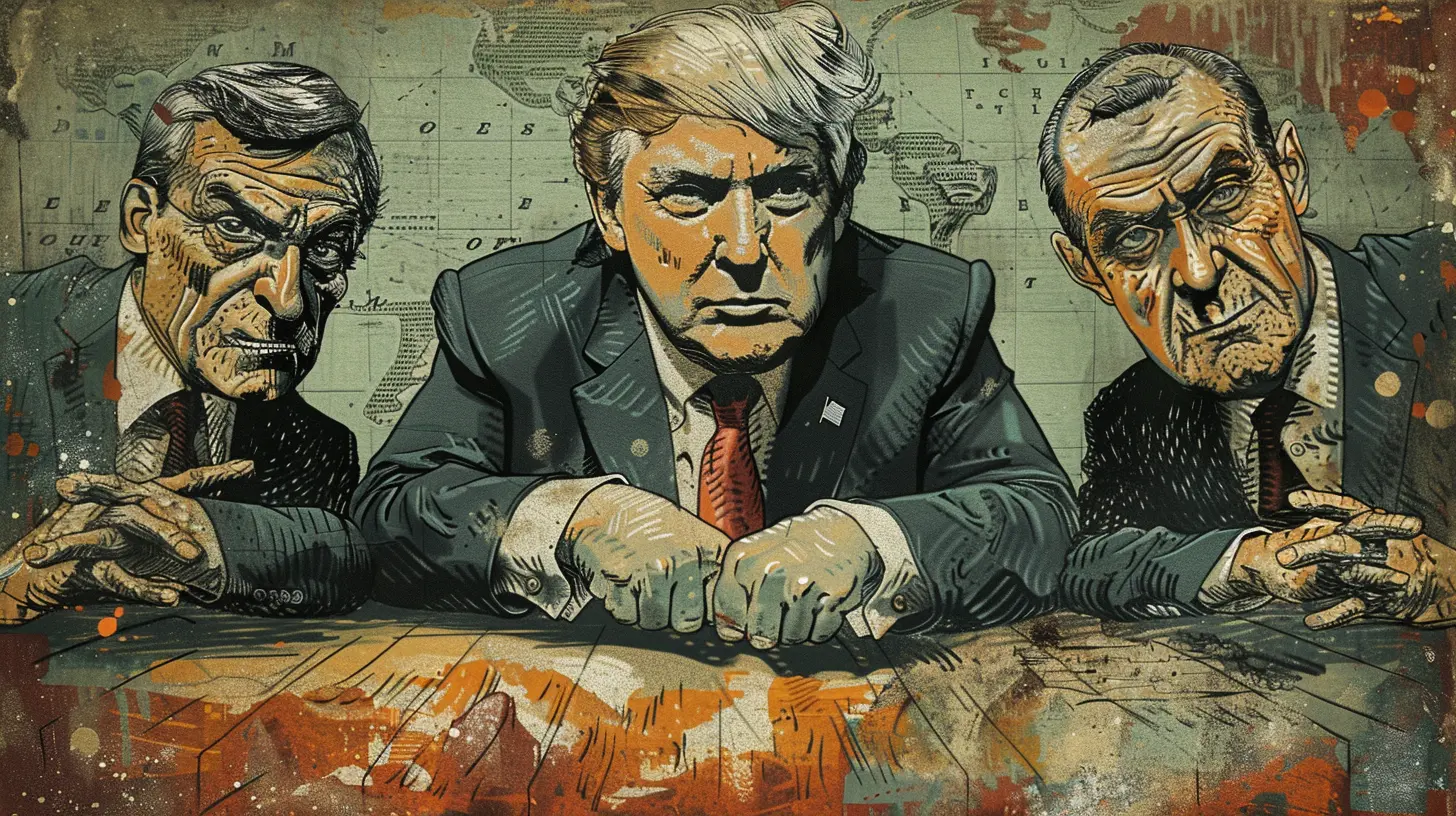
Political Cartoons as a Voice for the People
Here’s the cool part—cartoons aren't just for the elite or the insiders. They often give a voice to the voiceless.Speaking Truth to Power
It takes guts to challenge authority, especially when it's risky. But political cartoonists are often bold enough to say what others won’t. Their art challenges the powerful, pokes holes in propaganda, and shines a light on injustice.A Tool of Protest
In countries with censorship, political cartoons become powerful protest tools. They communicate messages that can't be said aloud. Ever seen a cartoon from a nation under dictatorship? They're often layered with hidden meanings—symbols that locals understand but authorities might miss.The Influence on Public Opinion
This is the crux of it—how do political cartoons actually shape what people think?Forming and Reinforcing Opinions
Cartoons often reflect prevailing sentiments, but they can also steer public perception. During wars, elections, or scandals, one powerful cartoon can sway millions. By playing on emotions—anger, fear, hope—they leave a lasting impression.Creating Controversy and Conversation
Cartoons are provocative by design. Some stir outrage, others spark debate. And that’s kind of the point. They generate buzz, force people to engage, and keep political conversations alive.Going Viral in the Digital Age
Once confined to newspapers, cartoons now go viral on social media. A clever cartoon can get shared thousands of times, reaching people across political lines and national borders. It’s political commentary in the age of hashtags and retweets.The Dark Side: When Cartoons Cross the Line
Let’s not sugarcoat it—political cartoons can also be problematic.Racism, Sexism, and Other -isms
Some cartoons perpetuate harmful stereotypes or promote bigotry. Just because it’s drawn doesn’t make it harmless. The line between satire and hate speech can be thin and blurry.Censorship and Backlash
Cartoonists often walk a dangerous path. In some parts of the world, criticizing governments through art can lead to jail—or worse. Think about the Charlie Hebdo attack in France. It’s a brutal reminder that political cartoons can have serious, even deadly, consequences.The Role of Political Cartoons in Education
Here’s an angle many overlook—political cartoons are amazing teaching tools.Simplifying Complex Issues
Teachers use cartoons to break down difficult topics like war, economic policies, and social justice. Students often find cartoons more engaging than textbooks because they translate abstract ideas into digestible, relatable images.Encouraging Critical Thinking
Good cartoons don’t spoon-feed opinions—they make you think. They force students to analyze, interpret symbolism, and understand bias. It's like reading between the lines—but with pictures.Political Cartoons in Today’s Meme Culture
Let’s be real—memes are the new political cartoons. Seriously, what’s the difference between a 19th-century Nast cartoon and a modern meme roasting a politician? Not much, except maybe the platform.The Evolution of Satire
While traditional cartoons are created by professionals, memes are crowd-sourced. Anyone with a phone and a sense of humor can make one. This democratizes satire but also raises issues of misinformation and accountability.Same Purpose, New Format
Memes aim to make a point quickly and humorously, just like traditional political cartoons. So whether it's a TikTok joke or a viral Twitter meme, the spirit of political cartooning is very much alive—it just wears a different skin.Final Thoughts: Why Political Cartoons Still Matter
In a world overloaded with information, political cartoons cut through the noise. They’re snapshots of history, opinion pieces in art form, and sometimes the only thing brave enough to say what everyone’s thinking.They make us laugh, make us furious, make us think—and that’s exactly the point.
So next time you scroll past one, don’t just chuckle and move on. Pause. Think. Ask yourself what it’s really trying to say. Because chances are, it’s speaking volumes in just a few strokes of the pen.
all images in this post were generated using AI tools
Category:
Social StudiesAuthor:

Fiona McFarlin
Discussion
rate this article
2 comments
Norah Cain
What a fantastic read! Political cartoons truly capture the essence of public sentiment and spark important conversations. Thanks for sharing!
March 17, 2026 at 4:01 AM
Fiona McFarlin
Thank you for your kind words! I'm glad you enjoyed the article and appreciate the impact of political cartoons on public discourse.
Kael Chapman
This article highlights the significant role of political cartoons in influencing public opinion. Their visual impact and humor simplify complex issues, making them more accessible. It would be interesting to explore how different cultures interpret these cartoons and their effectiveness in various political contexts. Great job shedding light on this powerful medium!
March 12, 2026 at 5:38 AM
Fiona McFarlin
Thank you for your insightful comment! Exploring cultural interpretations and contexts is indeed fascinating and adds depth to understanding the impact of political cartoons. I appreciate your thoughts!