The Power of Civic Education in Combating Extremism
1 April 2026
Extremism. It’s a word we hear all too often these days. Whether it's violent ideologies, radical political movements, or hateful rhetoric, extremism seems to be lurking in every corner of society. But why is that? And more importantly, what can we do about it? Believe it or not, one of the most effective tools in this battle might not be some sophisticated technology or high-stakes law enforcement strategy. It might just be something as simple—yet profound—as civic education.
Yep, you read that right. Civic education, the stuff we learned (or should have learned) in high school about how governments work, the importance of voting, and our roles as citizens, has the power to combat extremism. And not just in a small, symbolic way, but in a significant, society-altering way. So, let's dive into why civic education is the unsung hero in this fight against extremism.
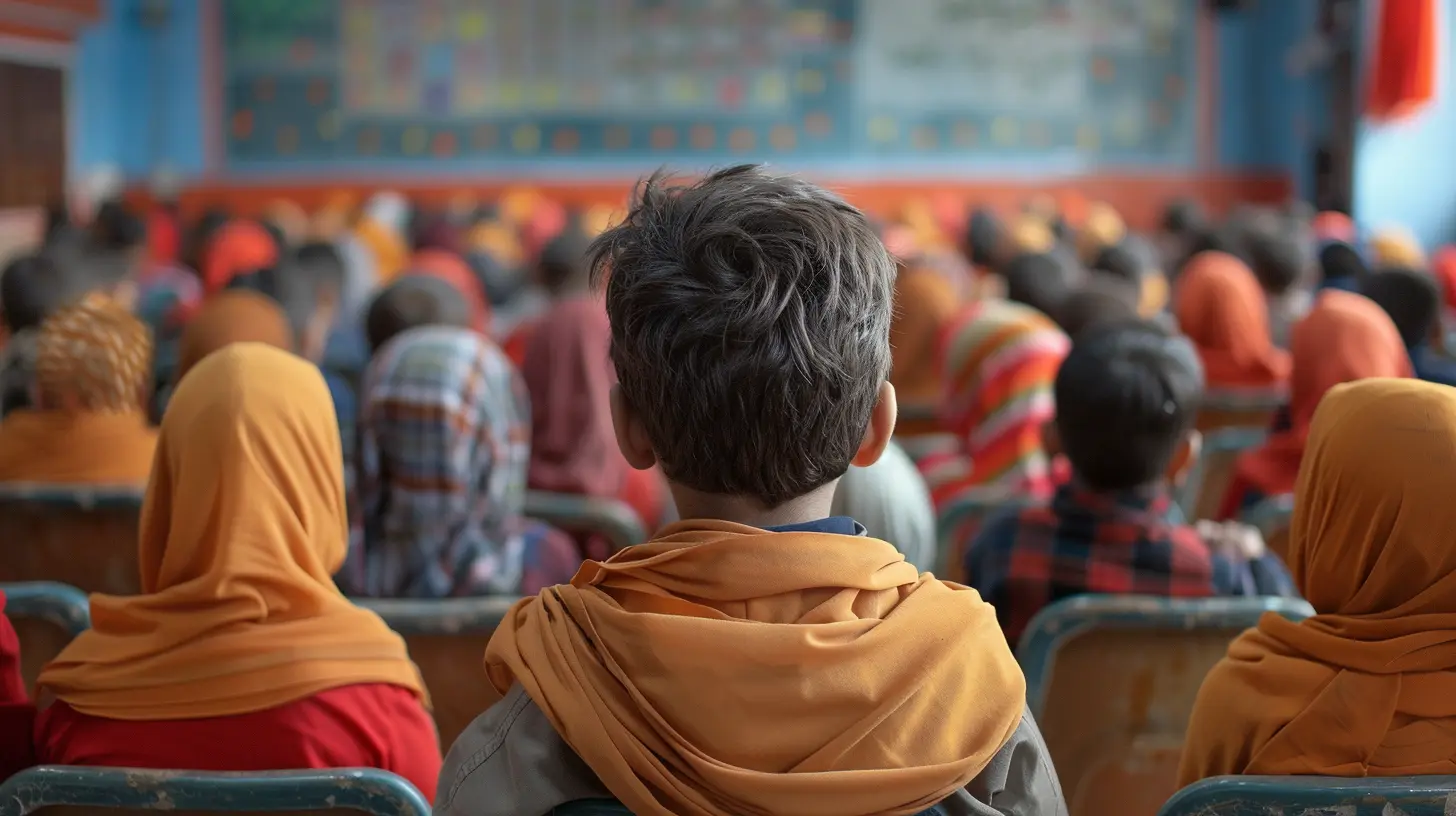
What Exactly is Civic Education?
Before we get into how civic education can help combat extremism, let's first break down what we mean by "civic education."Civic education refers to the teaching of the knowledge, skills, and values required for individuals to become informed and active citizens. It’s all about understanding how political systems work, knowing your rights and responsibilities, and learning how to engage in civil discourse. Think of it as the instruction manual for participating in society.
At its core, civic education teaches people how to think critically about government, law, and society, and it encourages them to actively participate in the democratic process. It’s about more than just memorizing facts and dates; it’s about fostering a mindset of civic responsibility and community engagement.
The Role of Civic Education in Society
Civic education plays a crucial role in any democratic society. It equips citizens with the tools they need to make informed decisions, engage in dialogue, and hold leaders accountable. Without civic education, people are more likely to feel disconnected from their governments, less likely to vote, and more susceptible to misinformation or radical views.In other words, if you don’t understand how the system works, you’re more likely to feel frustrated by it. And frustration, when left unchecked, can lead to extremism.
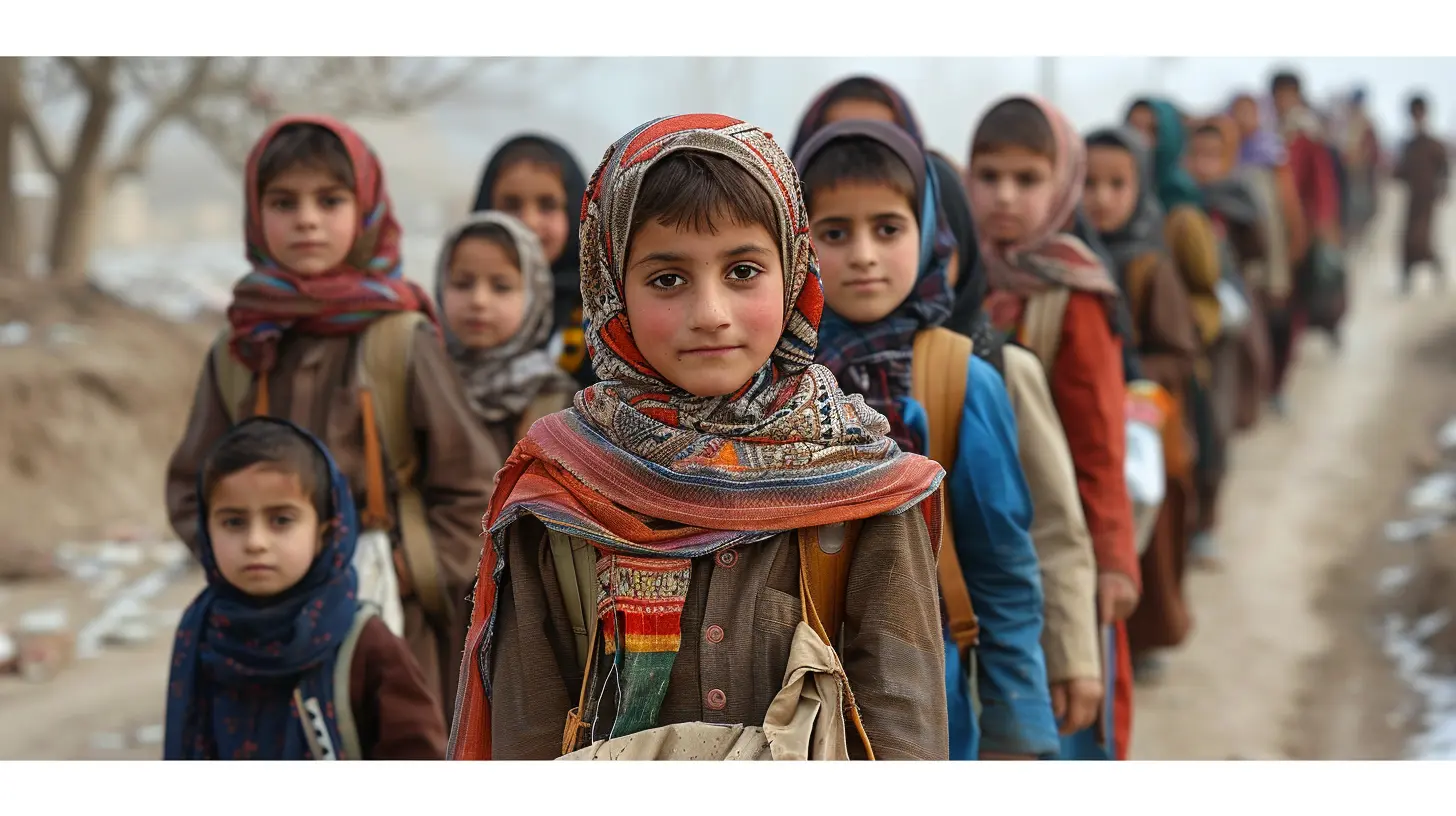
How Extremism Thrives in the Absence of Civic Education
Extremism doesn’t pop up out of nowhere. It's often the result of long-standing feelings of disenfranchisement, frustration, and alienation. When people feel like they don’t have a voice, or that the system is rigged against them, they’re more likely to turn to extreme ideologies that promise easy answers or scapegoats.Let’s face it, most people aren’t born radical. They’re influenced by their surroundings, experiences, and education (or lack thereof). Extremist groups often prey on individuals who feel excluded from mainstream society. They offer a sense of belonging, a clear narrative, and an enemy to direct their frustrations toward. It’s a classic case of "us vs. them," and it thrives in environments where civic education is weak or non-existent.
Ignorance Breeds Extremism
When people don’t understand how their political systems work or how they can effectively create change, they are more likely to feel powerless. And when people feel powerless, they seek out alternatives—sometimes extreme ones. Civic education fills this gap by giving people the knowledge and skills they need to navigate complex social and political issues without feeling overwhelmed.Without civic education, people can easily fall into the trap of believing conspiracy theories, propaganda, or disinformation. Think about it: if you don’t know much about how elections are supposed to work, you’re more likely to believe someone who tells you the system is rigged. If you don’t understand your constitutional rights, you might be more susceptible to extremist rhetoric suggesting that those rights are under imminent threat.
In short, ignorance is fertile ground for extremism. Civic education is the antidote.

How Civic Education Can Combat Extremism
So, how exactly does civic education help combat extremism? Let’s break it down.1. Promotes Critical Thinking
Perhaps the most important benefit of civic education is that it promotes critical thinking. Instead of simply accepting information at face value, individuals who receive civic education are taught to question, analyze, and evaluate. This is crucial in a world where misinformation and disinformation can spread like wildfire.Critical thinking allows individuals to see through extremist propaganda and recognize it for what it is: an oversimplified, often misleading narrative designed to manipulate emotions. Rather than falling into the trap of “us vs. them” thinking, civic education encourages people to consider multiple perspectives, weigh evidence, and make informed decisions.
2. Encourages Civic Engagement
Civic education doesn’t just teach people about their rights—it teaches them about their responsibilities as citizens. This includes the responsibility to vote, participate in local government, and engage in civil discourse.When people feel like they have a stake in society, they are much less likely to turn to extremism. Think about it: if you’re actively involved in your community, voting in elections, and participating in local decision-making, you’re less likely to feel disenfranchised or alienated. Civic education empowers individuals to engage with the system rather than reject it.
3. Builds Empathy and Tolerance
One of the often-overlooked aspects of civic education is its role in fostering empathy and tolerance. By learning about different cultures, histories, and perspectives, individuals are less likely to view those who are different from them as “the enemy.”Extremist ideologies often rely on dehumanizing the “other.” Whether it’s people of different races, religions, or political beliefs, extremists thrive on division. Civic education, however, emphasizes the importance of diversity, dialogue, and mutual understanding. It teaches individuals that while we may have different views or backgrounds, we all share a common humanity.
4. Provides Tools for Peaceful Problem-Solving
Many people turn to extremism because they feel there are no other options for addressing their grievances. Civic education teaches people that there are, in fact, peaceful and effective ways to create change.By learning about the legal system, democratic processes, and the importance of compromise, individuals can channel their frustrations into constructive action rather than destructive extremism. Whether it’s through voting, petitioning, or peaceful protest, civic education provides a roadmap for making one’s voice heard without resorting to violence or radicalism.
5. Strengthens Social Cohesion
Civic education helps build a sense of community and shared identity. It reminds us that, although we may have our differences, we are all part of a larger social fabric. This sense of belonging is crucial in preventing the isolation and alienation that often drive individuals toward extremism.When people feel connected to their communities and to society as a whole, they are less likely to seek out extreme groups that offer a false sense of belonging. Civic education fosters this connection by encouraging participation in communal activities, dialogue, and the democratic process.
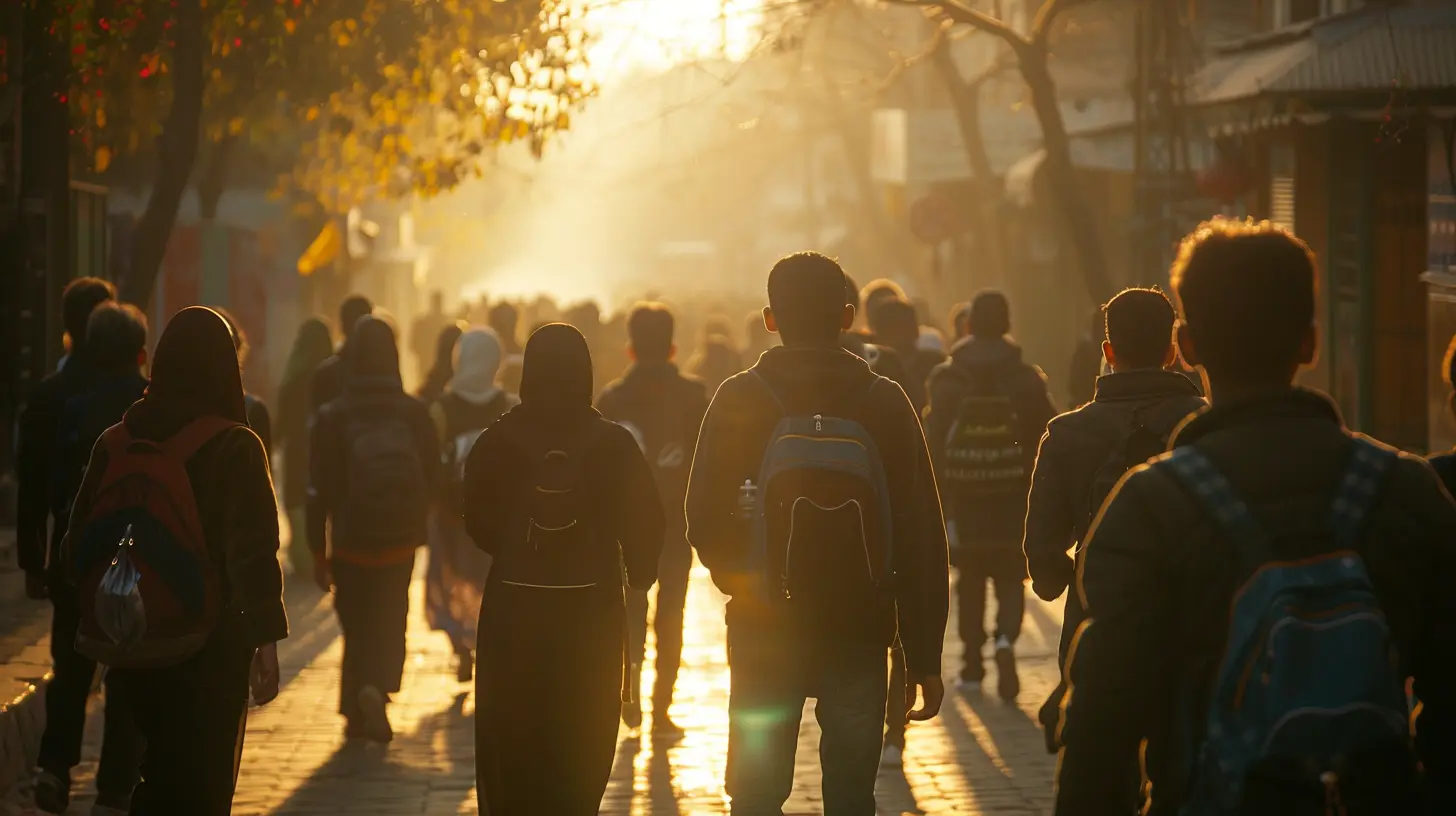
Civic Education in Schools: A Long-Term Solution
If we’re serious about combating extremism, we need to start in the classroom. Schools play a critical role in shaping young minds, and they are the perfect environment for teaching the values of democracy, empathy, and civic responsibility.Unfortunately, in many parts of the world, civic education has taken a backseat to other subjects. But if we want to create a more informed and engaged citizenry, we need to prioritize civic education from an early age.
What Should Civic Education Look Like?
Effective civic education should be more than just memorizing facts about government structures. It should be interactive, engaging, and relevant to students’ lives. Here are a few key components of a successful civic education curriculum:- Critical Thinking Exercises: Encourage students to question and debate current events, policies, and laws.
- Community Engagement: Provide opportunities for students to get involved in their local communities through volunteering, internships, or participation in local government.
- Diversity and Inclusion: Teach students about different cultures, religions, and perspectives to foster empathy and understanding.
- Practical Skills: Equip students with the practical skills they need to be active citizens, such as how to register to vote, how to contact their representatives, and how to engage in peaceful activism.
Conclusion: Civic Education as a Shield Against Extremism
In a world that seems increasingly divided, civic education offers a beacon of hope. By promoting critical thinking, encouraging civic engagement, fostering empathy, and providing tools for peaceful problem-solving, civic education can play a pivotal role in combating extremism.The fight against extremism isn’t just about law enforcement or counter-terrorism strategies—it’s about education. It’s about equipping individuals with the knowledge, skills, and values they need to actively participate in society and resist the allure of radical ideologies.
So, let’s invest in civic education. Let’s teach our children not just how to pass a test, but how to think critically, engage with their communities, and stand up for what’s right. Because when we do that, we’re not just fighting extremism—we’re building a stronger, more resilient society for everyone.
all images in this post were generated using AI tools
Category:
Civic EducationAuthor:

Fiona McFarlin
Discussion
rate this article
2 comments
Thalor Erickson
Great insights! Civic education is essential for fostering critical thinking and empathy, helping to build a more inclusive society. Let’s empower the next generation!
April 5, 2026 at 3:34 AM
Fiona McFarlin
Thank you! I completely agree—civic education is vital for nurturing critical thinking and empathy in our youth, paving the way for a more inclusive and resilient society.
Uri Barker
“Civic education: the ultimate superhero cape for kids! Instead of fighting crime, they’ll battle misinformation and extremism—with the power of knowledge and maybe a few snacks too!” 🍕🦸♂️
April 3, 2026 at 12:26 PM
Fiona McFarlin
Absolutely! Empowering kids with civic education gives them the tools to tackle misinformation effectively. Plus, who doesn't love snacks along the way?