The Importance of Teacher Training in Inclusive Education
6 August 2026
Let’s face it — education isn’t a one-size-fits-all system anymore. We’re not in the 1950s, sitting in neat rows, drilling times tables the same way for every single student. Today’s classrooms are filled with all kinds of learners: some who walk in with enthusiastic curiosity, others who need a little extra support, and some who see the world in ways that make traditional teaching methods fall flat.
That’s why inclusive education matters, and even more importantly — why training teachers for it is absolutely essential.
So, grab a cup of coffee and settle in. We’re about to unpack why teacher training is the beating heart of inclusive education and how it shapes schools that welcome every learner, just as they are.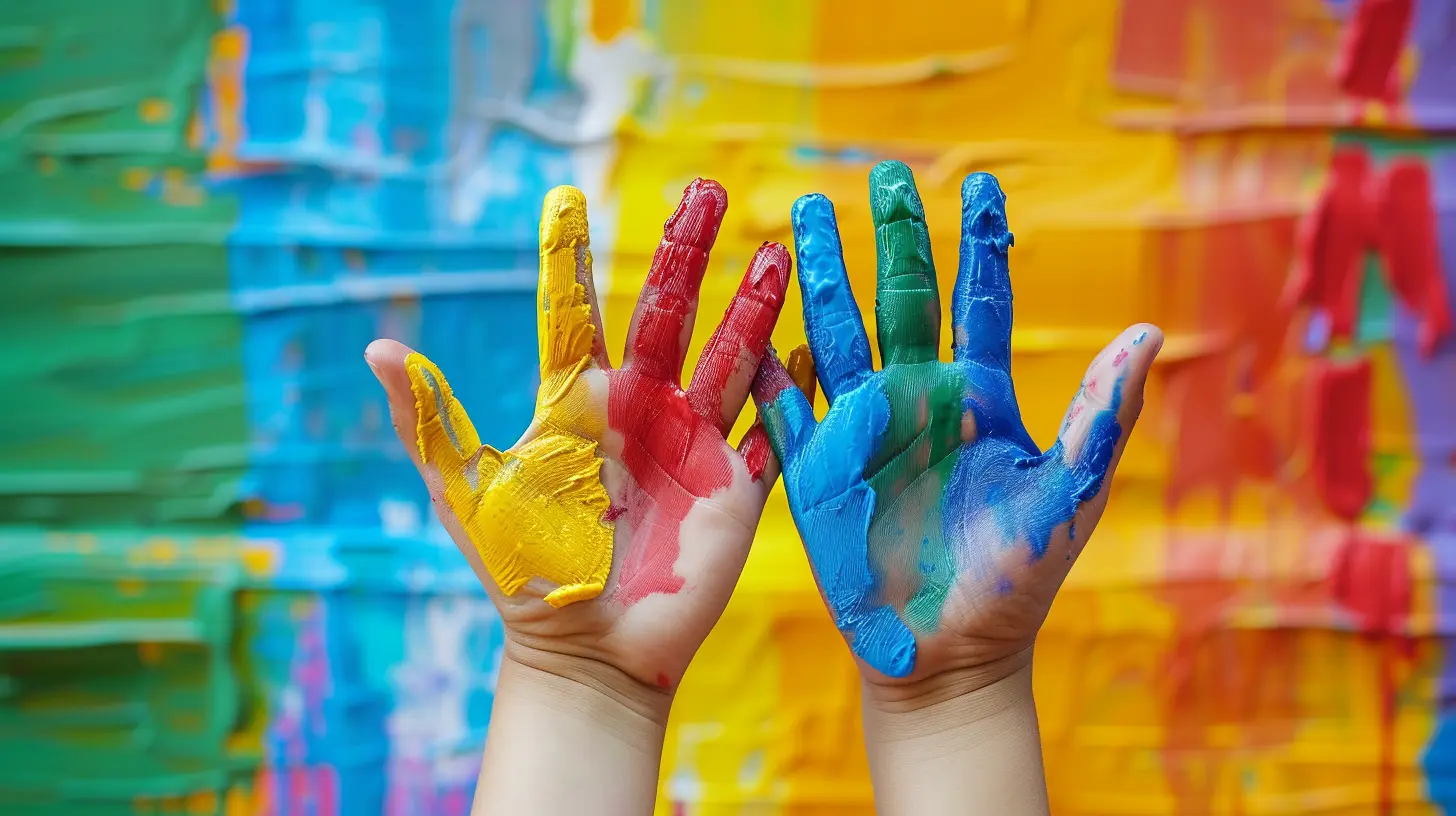
What Is Inclusive Education, Really?
Before we dive into teacher training, let’s break this down: what does inclusive education even mean?In its simplest form, inclusive education is about making learning accessible for every student, regardless of their abilities, backgrounds, or challenges. This includes students with disabilities, learning difficulties, emotional or behavioral issues, language barriers, and even gifted learners with unique needs.
It’s not just about physical access (though that’s important too!). It’s about attitude shifts, lesson adaptations, classroom dynamics, and social inclusion.
Basically, it’s about ensuring no student feels like an outsider.
The Role of Teachers in Inclusive Education
Here's the thing — you can have the most inclusive policies in a school, the fanciest support tools, and a wonderfully diverse classroom. But without trained teachers who actually know how to implement inclusive practices? It all falls apart.Teachers are the front-liners. They translate inclusive theories into daily classroom realities. If they don’t know how to support a child with autism, create differentiated learning tasks, or foster a safe, inclusive environment — then the whole idea of inclusion stays on paper and never reaches the kids who need it most.
So now the question becomes:
> How do we prepare teachers for such a diverse and demanding role?
Spoiler alert: through solid, consistent, and evolving teacher training.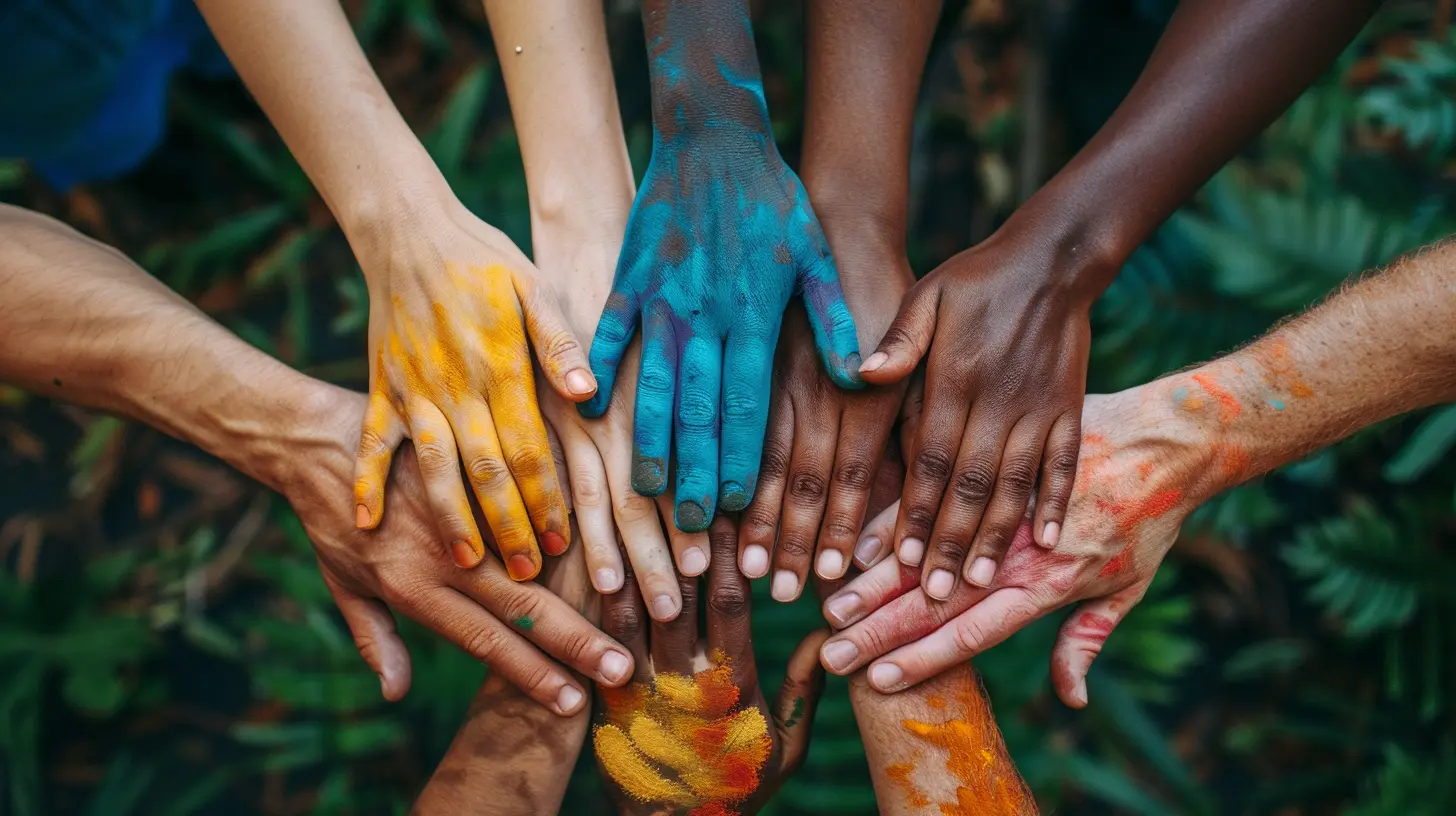
Why Is Training So Crucial?
Let’s break it down into bite-sized reasons why teacher training is non-negotiable in inclusive education.1. Understanding Different Learning Needs
Not all students learn the same way. Some are visual learners. Some need movement. Some require assistive tech. Others benefit from sign language or speech therapy.Teacher training helps educators recognize these learning styles and needs, and adjust their methods accordingly. Without this knowledge, it’s like trying to bake a cake without knowing the ingredients — you’ll end up with something half-baked and unappetizing for everyone.
2. Busting Myths and Changing Attitudes
Believe it or not, many misconceptions still float around about inclusive education.Things like:
- “Inclusion slows down the class.”
- “Students with disabilities should be in special schools.”
- “It’s too much work.”
With proper training, teachers confront these myths, understand the “why” behind inclusion, and begin to believe in the potential of all their learners. It’s mindset first, strategy second.
3. Building Confidence and Competence
Imagine being thrown into a classroom with a student who has ADHD, another who’s non-verbal, and a third with dyslexia — and having no clue what to do. Scary, right?Training gives teachers the tools and confidence to manage these situations with empathy, patience, and effectiveness. They learn how to modify lesson plans, use adaptive technology, and create flexible assessments.
4. Promoting Classroom Equity
Inclusive teaching isn’t about giving everyone the same thing — it’s about giving everyone what they need to succeed. That’s the difference between equality and equity.Training teaches educators how to level the playing field, so every student — regardless of ability or background — gets a fair shot.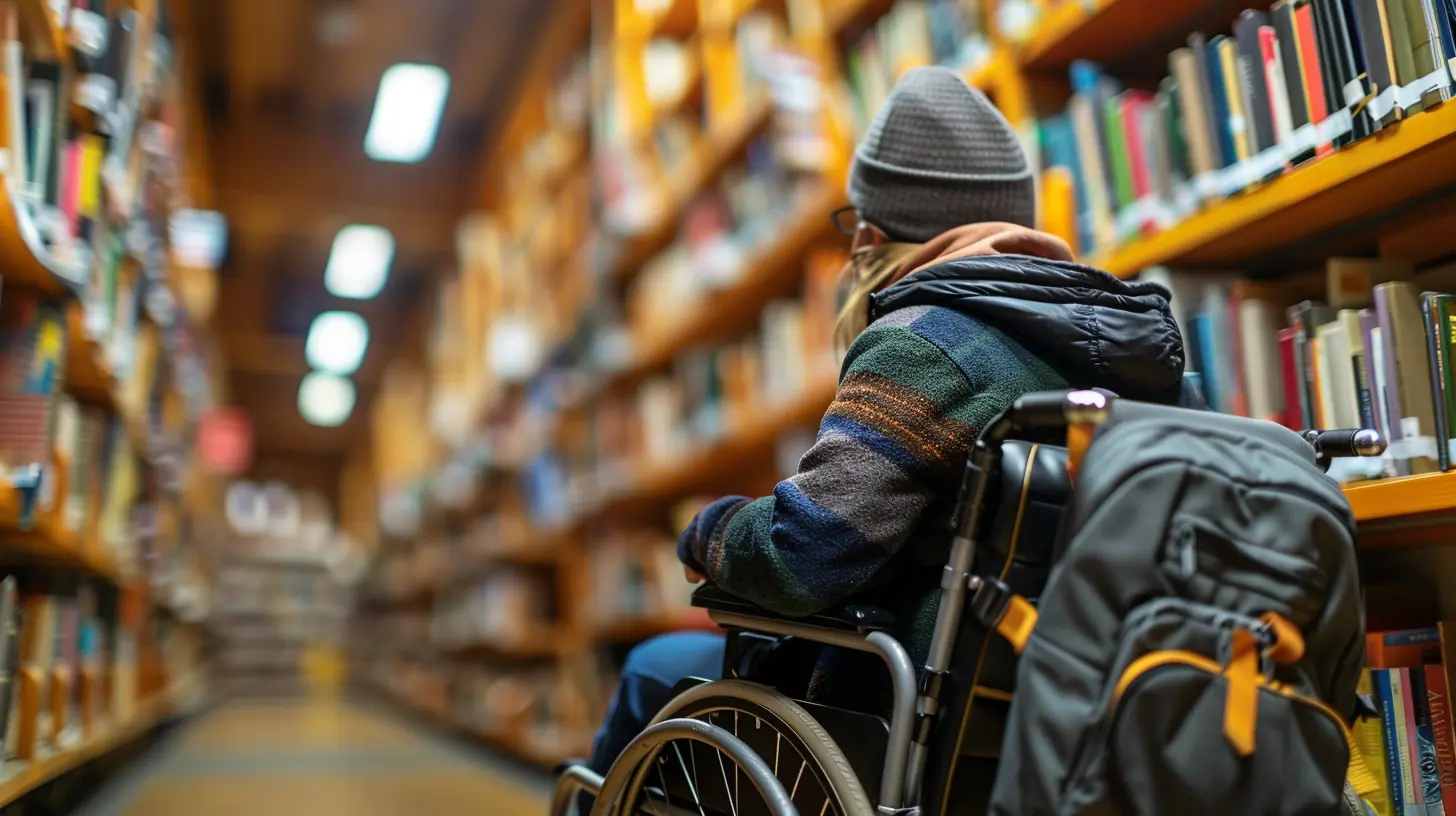
What Should Teacher Training Cover?
Not all teacher training is created equal. For it to truly support inclusive education, it has to go beyond surface-level info. Let’s look at what good training should include.✅ Understanding Disabilities and Differences
Teachers should get familiar with common and uncommon learning challenges. This includes things like:- Autism Spectrum Disorders (ASD)
- ADHD
- Dyslexia and other learning disabilities
- Emotional and Behavioral Disorders
- Physical and sensory impairments
The goal isn’t to turn teachers into therapists — it’s to make them aware of the diverse needs in their classroom so they can respond appropriately.
✅ Differentiated Instruction
Every student learns differently. Training should show teachers how to:- Adapt lesson plans to various learning levels
- Use multiple teaching methods
- Offer a range of assessment options
- Create activities with varying levels of difficulty
Think of it as offering a buffet instead of a set menu — so there’s something for everyone.
✅ Classroom Management Strategies
In an inclusive classroom, behavior management can be complex. Teachers need strategies that are:- Non-punitive
- Supportive
- Proactive
This includes positive reinforcement, setting clear expectations, and using collaborative problem-solving approaches.
✅ Collaboration Skills
Teachers are not in this alone. They work with special educators, therapists, administrators, and—let’s not forget—parents. Training should help them:- Communicate effectively with support teams
- Build Individualized Education Plans (IEPs)
- Engage families in the learning process
✅ Cultural Competency
Inclusive education also means being sensitive to students’ cultural and linguistic backgrounds. Training should help teachers:- Recognize cultural biases
- Support English Language Learners (ELLs)
- Create culturally responsive teaching materials
The Ripple Effect of Proper Teacher Training
When teachers are trained for inclusion, the impact doesn’t stop at the classroom door.? Students Thrive
Students with additional needs feel seen, supported, and understood. They engage more, fall behind less, and develop a healthy self-image.And guess what? Neurotypical or “mainstream” students benefit too. They learn empathy, adaptability, and social awareness — life skills that go way beyond the classroom.
? Teachers Feel Empowered
Teachers don’t burn out as quickly because they’re not constantly firefighting issues they’re unprepared for. They teach better, plan better, and connect more deeply with their students.? Schools Become Stronger Communities
Inclusive schools build cultures of respect and belonging. From staff to students to families — everyone is part of the circle. And that kind of environment? It’s pure gold for academic and social development.Challenges to Inclusive Teacher Training
Alright, let’s be real — it’s not always sunshine and rainbows.There are some hurdles along the way:
- Lack of funding for training programs
- Inconsistent teacher preparation across regions
- Overloaded curricula in teacher education
- Resistance to change among educators
But here’s the good news: awareness is growing, and more schools and institutes are prioritizing inclusive pedagogy.
How Can We Improve Teacher Training for Inclusion?
Good question! Here are a few ideas that can take inclusive training to the next level:? Integrate Inclusion into All Teacher Programs
Don’t treat inclusive education as a side-note or one-off workshop. Embed it into every level of teacher education — from pre-service to in-service.? Use Real-Life Classrooms for Practice
Theory is important, but hands-on experience is where the magic happens. Teachers-in-training should spend time in inclusive classrooms, observing, assisting, and reflecting.? Make Training Continuous
Inclusion isn’t trendy — it’s transformative. Keep teachers updated with ongoing workshops, seminars, and learning communities.? Encourage Peer Collaboration
Let teachers learn from one another. Peer coaching, co-teaching models, and sharing of best practices can build capacity from within.Final Thoughts: Every Learner Deserves a Chance
At the end of the day, inclusive education isn’t just a policy or a framework — it’s a belief that every child has value, potential, and a right to learn in a way that works for them.And teachers? They hold the key. With the right training and support, they can unlock the doors of learning for every student who walks (or rolls) into their classroom.
So let’s invest in teacher training, not just as a nice-to-have, but as a must-have.
Because inclusive education starts with inclusive educators.
all images in this post were generated using AI tools
Category:
Inclusive EducationAuthor:

Fiona McFarlin