The Importance of Learning from Indigenous Cultures
20 December 2025
Have you ever wondered what we could gain by tapping into the wisdom of Indigenous cultures? In today's fast-paced, tech-driven world, it's easy to overlook the value of ancient practices and traditional knowledge. But here's the thing—Indigenous cultures hold a treasure trove of insights we desperately need right now. From sustainable living to community connection and holistic health, there's a lot we can (and should) learn.
In this article, we're going to take a deep dive into the importance of learning from Indigenous cultures, why it matters in modern society, and how it can benefit you and the world around you. So, grab a cup of coffee, get comfy, and let’s have this conversation.
What Do We Mean by "Indigenous Cultures"?
Before we jump in, let’s get something straight. When we talk about Indigenous cultures, we're referring to the original inhabitants of a region—people who have maintained their ways of living, beliefs, and traditions through generations. Think Native American tribes, Australian Aboriginals, the Māori of New Zealand, the Sámi of Northern Europe, the Quechua in South America—just to name a few.These communities didn’t pop up yesterday. They’ve been around for thousands of years, navigating the complexities of nature, society, and spirituality. And while the world around them has changed dramatically, many have held on to core values and knowledge systems that are still incredibly relevant.
Why Should We Even Care?
Let's be honest—some folks might ask, “Why should I care about Indigenous cultures? I’ve got bills to pay, deadlines to meet, and a TikTok algorithm to impress.”Fair enough. But think about it this way—our modern world is kinda broken in some ways. Climate change, social disconnection, mental health crises… we've got some big problems on our hands. What if some of the answers were already out there, deeply rooted in cultures that understand balance, harmony, and long-term thinking?
Still not convinced? Keep reading. You’ll be surprised by how relevant and practical Indigenous knowledge can be in your daily life.
1. Environmental Stewardship: A Masterclass in Sustainability
Here's a quick reality check: Indigenous communities have been living in sync with nature for thousands of years. Long before "eco-friendly" became a buzzword, they were practicing sustainable hunting, farming, and resource management.Traditional Ecological Knowledge (TEK)
This is a fancy term for the deep understanding Indigenous people have about local ecosystems. They know which plants are medicinal, which animals are endangered, when to plant and harvest, and how to avoid overuse. It's knowledge built from observing, respecting, and living with the land.In contrast, modern industrial practices often prioritize short-term gains and mass production, leading to deforestation, pollution, and climate instability. TEK offers a much-needed alternative—one that values longevity over profit.
Real-World Example
In the Amazon rainforest, Indigenous tribes like the Yanomami use shifting agriculture, which allows soil to recover, unlike industrial monocultures. Their methods help preserve biodiversity—something the modern agricultural system often compromises.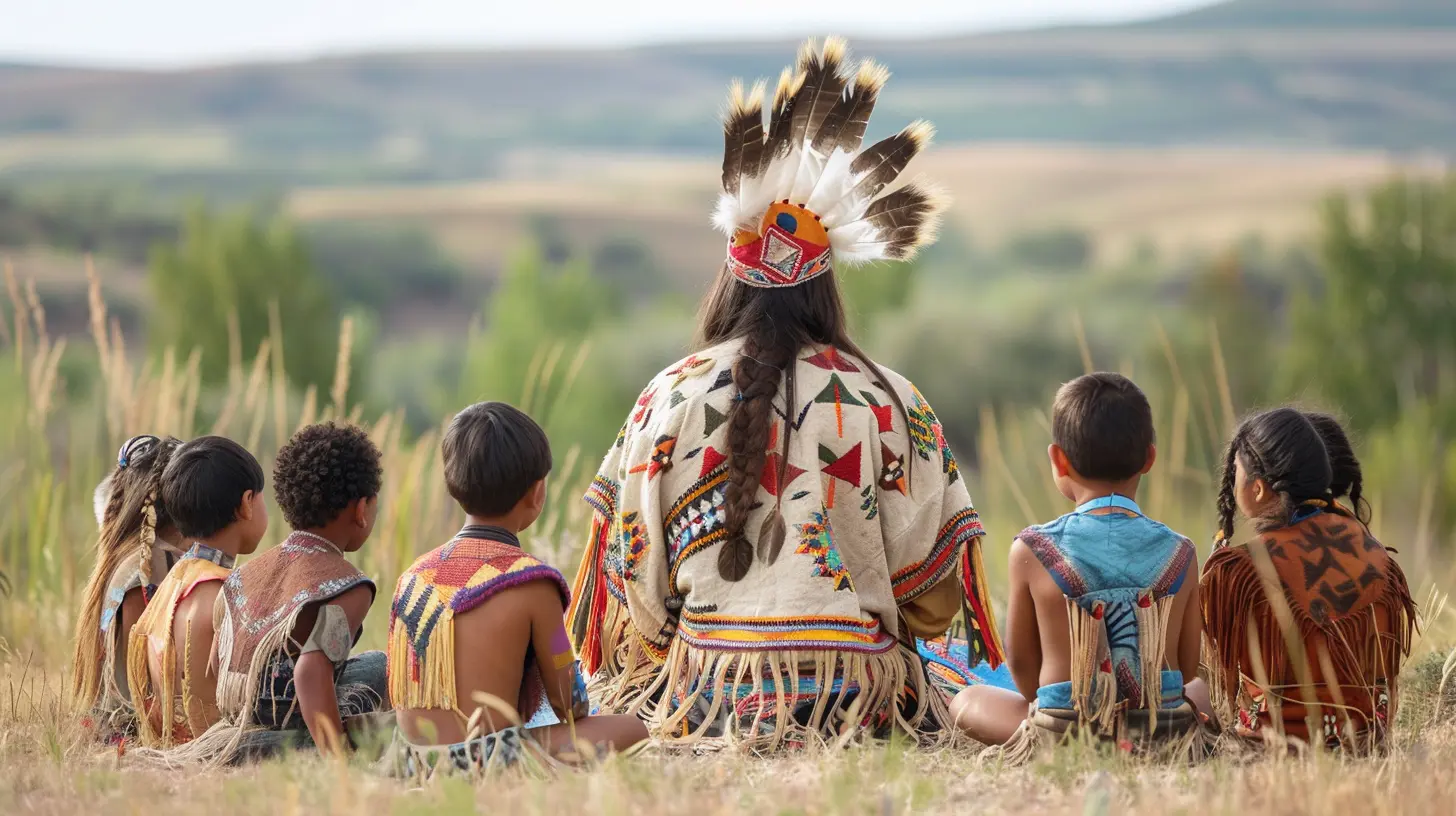
2. Indigenous Wisdom and Mental Health
Let’s talk about something personal—our mental well-being. Anxiety and depression are through the roof in today's hyperconnected society. What if some answers to this crisis could be found in Indigenous practices?Connection Over Isolation
Community is at the heart of most Indigenous cultures. There's a strong sense of belonging, shared responsibility, and mutual care. Compare that to today's individualistic mindset, where asking for help is often seen as weakness.Spiritual and Holistic Healing
Many Indigenous belief systems integrate mental, spiritual, and physical health into one cohesive system. They don’t treat symptoms—they look at the person as a whole. Practices like sweat lodges, talking circles, and plant-based medicines aren't just rituals; they’re forms of therapy.3. Language as a Cultural Superpower
Language is more than just words. It's how we think, communicate, and experience the world. And Indigenous languages? Let’s just say they bring a whole new depth to our understanding of human potential.Preserving Identity
Each Indigenous language holds the worldview of its people—their values, stories, and ecological wisdom. When a language dies, we lose more than just words; we lose entire ways of seeing the world.Linguistic Diversity Matters
Did you know some Indigenous languages don't even have words for concepts like "ownership" or "waste"? That alone gives us insight into how different societal values shape behavior.4. Embracing Different Ways of Knowing
We often measure intelligence through Western education—test scores, degrees, and academic papers. But Indigenous cultures remind us that knowledge can be observed, experienced, and passed down through stories, ceremonies, and oral traditions.Storytelling as Education
In Indigenous cultures, elders often share knowledge through storytelling. These stories aren't just for entertainment—they carry life lessons, survival tips, and moral guidance. It's a beautiful, engaging way to pass down complex ideas without needing a whiteboard.Ceremony and Ritual
Ever think about how rituals shape our lives? Birthdays, weddings, even graduations—they all mark transitions. Indigenous ceremonies go beyond that. They connect people to their land, ancestors, and spirits. There's depth and purpose behind every drumbeat and chant.5. Lessons in Resilience and Adaptation
Indigenous peoples have endured colonization, forced assimilation, and cultural erasure, yet they continue to thrive, resist, and adapt. That’s resilience personified.Surviving Through Stories
Rather than erasing pain, Indigenous communities honor their struggles. They remember and retell the history of broken treaties, lost land, and stolen generations because remembering is resistance.Thriving with Modern Tools
Many Indigenous individuals are using modern tools—social media, documentary filmmaking, higher education—to share their stories and preserve their heritage. They're not stuck in the past; they're reshaping the future on their terms.6. Community Building and Collective Living
Have you noticed how lonely people seem these days? Despite being more connected than ever, we’re struggling with isolation. Indigenous cultures have long understood that it takes a village—in the truest sense.Everything Is Shared
From food to land, many Indigenous systems are based on sharing and collective ownership. It's not about “what’s mine,” but “what’s ours.” Imagine the shift in mindset and policy if we all thought this way.Elders and Youth
In many cultures, elders are treasured, not sidelined. They’re the historians, teachers, moral compasses. And youth? They’re taught from day one about their roles in sustaining the community. It’s a cycle of mutual respect and interdependence.7. Food Systems and Traditional Diets
Let’s take a break from your Instagrammable avocados and fancy superfoods. Indigenous diets are the original health foods—locally sourced, nutrient-rich, and free of additives.Foraging, Hunting, and Farming
Indigenous food systems are seasonal and deeply tied to the land. Eating what’s in season, using every part of an animal, and storing food the natural way—these practices are sustainable and nutritious.Cultural Significance of Food
Food isn’t just fuel—it's a connection to ancestors, land, and rituals. A pot of stew can carry generations of memory, love, and identity.8. Education That Connects the Dots
Most modern education systems are compartmentalized—math here, science there, humanities somewhere else. Indigenous learning is holistic, interconnected, and experiential.Learning by Doing
Indigenous youth often learn through participation. Whether it’s fishing, cooking, crafting, or storytelling, education is hands-on and deeply contextual. It’s rooted in real life—not just textbooks.Culturally Responsive Teaching
When Indigenous knowledge is integrated into modern classrooms, students benefit from broader perspectives. It creates more inclusive, well-rounded learners who understand that knowledge isn’t one-size-fits-all.9. Respecting Earth as a Living Being
Let’s call it what it is: we treat Earth like a resource, not a relative. Indigenous cultures flip that script completely.Earth Is Family
For many Indigenous communities, the Earth isn’t just "the environment" or "nature"—it’s a living, breathing entity. It’s Mother Earth, an elder deserving respect and gratitude.Land Rights and Sovereignty
Understanding Indigenous cultures means understanding their fight for land—because land isn’t just territory, it’s identity, heritage, and livelihood. Supporting these rights isn’t charity—it’s justice.What Can You Do?
Alright, so now you're probably wondering, “This is all great, but what can I actually do?” Glad you asked!- Support Indigenous businesses and artists
- Educate yourself and others with books, films, and talks by Indigenous people
- Advocate for land rights and self-determination
- Include Indigenous perspectives in your organization or curriculum
- Visit Indigenous-run museums or cultural centers
- Respect sacred sites and traditions when visiting Indigenous areas
Final Thoughts: We All Gain When We Listen
The importance of learning from Indigenous cultures isn't about romanticizing the past or appropriating traditions. It’s about respect, reciprocity, and recognizing that many of the solutions we’re desperately seeking have already been lived out for centuries.If we approach this learning with humility and open hearts, it can lead to a more connected, compassionate, and sustainable world. And that, my friend, is something worth caring about.
all images in this post were generated using AI tools
Category:
Social StudiesAuthor:

Fiona McFarlin
Discussion
rate this article
2 comments
Vincent Roberson
Valuable insights await in Indigenous cultural wisdom.
December 30, 2025 at 5:24 AM
Fiona McFarlin
Absolutely! Indigenous cultural wisdom offers profound insights that enhance our understanding of sustainability, community, and resilience.
Theo Maddox
Great article highlighting the value of Indigenous cultures! Embracing their wisdom fosters a richer understanding of history and promotes respect for diversity in education. Well done!
December 21, 2025 at 3:45 AM
Fiona McFarlin
Thank you! I appreciate your insights and support for valuing Indigenous cultures in education.