The Importance of Group Work for Language Learners
29 July 2026
Learning a new language can be both exciting and challenging. It’s like solving a puzzle—you piece words together to form sentences, and over time, the picture becomes clearer. But what if I told you that the process becomes much easier (and more fun) when you’re not doing it alone?
Group work is one of the most effective ways to improve language skills. Imagine being part of a team where everyone helps each other grow—sounds great, right? In this article, we’ll dive into why group work is essential for language learners, how it boosts confidence, and the many benefits it brings to the table.

Why Group Work Matters in Language Learning
1. Encourages Real-Life Communication
Think about how babies learn their first language. They listen to people around them, try to mimic sounds, and eventually begin to form sentences. Language learning works the same way—you need interaction!When you work in a group, you’re exposed to different speaking styles, accents, and ways of expressing ideas. It’s way more effective than just memorizing vocabulary from a book. Talking with real people forces you to think quickly, listen attentively, and respond naturally, just like you would in a real-life conversation.
2. Boosts Confidence and Reduces Anxiety
Let’s be honest—speaking a new language can be nerve-wracking. The fear of making mistakes often holds learners back. But in a supportive group, that fear fades away.When you practice with peers, you realize that everyone makes mistakes, and that’s perfectly okay. In fact, making mistakes is how we learn! Group work creates a safe space where you’re encouraged to speak up without the fear of being judged. The more you practice, the more confident you become.
3. Provides a Variety of Perspectives
In a group setting, each member brings unique experiences and insights, which makes learning more dynamic. Some might be great at pronunciation, while others excel in grammar. By working together, you get a well-rounded understanding of the language.Plus, different cultural backgrounds in a group can introduce new slang, idioms, and expressions that you wouldn’t find in a textbook. This exposure makes your language skills more natural and diverse.

Group Activities That Enhance Language Learning
1. Role-Playing Scenarios
Ever imagined yourself ordering food at a restaurant in a foreign country? Role-playing helps bring those situations to life! Groups can act out real-world scenarios, such as booking a hotel, shopping, or having a casual conversation in a café.This method makes learning practical and engaging, helping you apply what you’ve learned in a meaningful way.
2. Debates and Discussions
Debates are a fantastic way to improve fluency. When you have to defend your opinion or argue a point, you’re forced to think on your feet and use persuasive language.Discussions on interesting topics also help in expanding vocabulary. For example, talking about current events, movies, or travel experiences exposes learners to a wide range of words and expressions.
3. Storytelling and Group Writing
Storytelling is a powerful tool for language learners. Groups can take turns adding sentences to a story, creating something fun and unpredictable. Not only does this improve grammar, but it also enhances creativity!Group writing exercises, such as composing short essays or journal entries together, allow members to correct each other's mistakes and learn from them. It’s like having multiple teachers in one room!
4. Language Exchange Sessions
Partnering with someone who speaks the language fluently can be a game-changer. In language exchange sessions, learners can pair up with a native speaker or someone more advanced and take turns practicing their target languages.These sessions mimic real conversations and provide a chance to learn slang, informal speech, and cultural insights that might not be covered in a traditional classroom.

The Social Benefits of Group Learning
1. Creates a Sense of Community
Learning a language alone can feel isolating. But in a group, you form friendships, share struggles, and celebrate achievements together. This sense of belonging keeps you motivated and makes the journey more enjoyable.2. Promotes Teamwork and Cooperation
Language learning isn’t just about memorizing words—it’s about communication. And what better way to learn communication skills than by working together?Group work teaches valuable soft skills like patience, active listening, and constructive feedback. These skills are not only helpful in language learning but also in everyday life and professional settings.
3. Keeps Motivation Levels High
Language learning requires consistency, and let’s face it—there will be days when you just don’t feel like studying. But when you're part of a group, there’s accountability. Your peers push you to keep going, and seeing their progress can inspire you to work harder.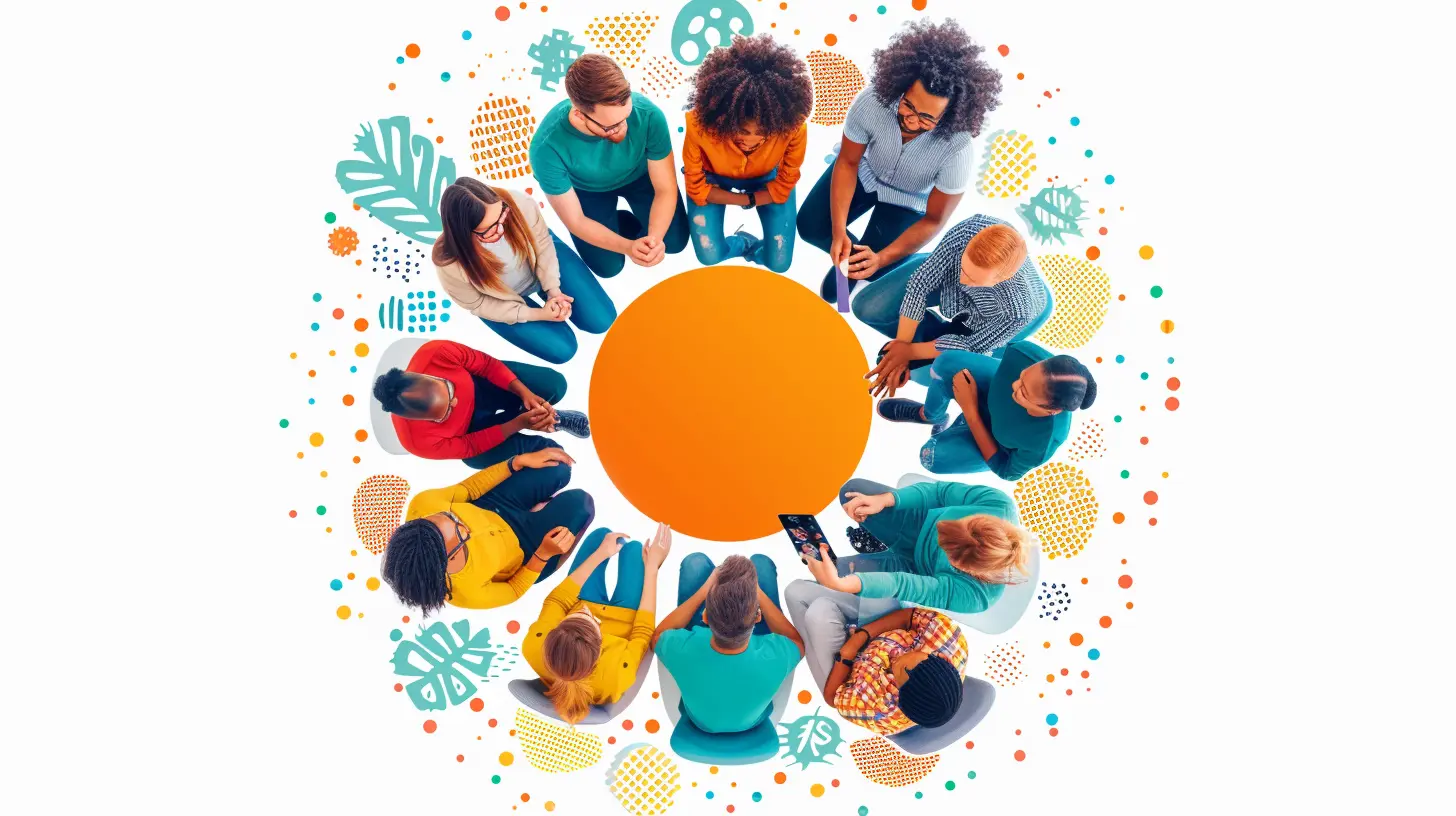
How to Make Group Work More Effective
1. Set Clear Goals
Before starting any group activity, define what you want to achieve. Are you focusing on pronunciation? Grammar? Vocabulary? Having a clear goal helps keep discussions on track and maximizes learning potential.2. Encourage Active Participation
Every member should contribute. If someone is too shy to speak, encourage them with open-ended questions. The more everyone participates, the more they gain from the experience.3. Provide Constructive Feedback
Corrections should always be given in a supportive manner. Instead of saying, "That’s wrong," try, "That was close! A better way to say it would be..." Encouragement goes a long way in building confidence.4. Use a Mix of Formal and Informal Learning
While structured exercises are great, don’t forget to add some fun! Play word games, watch movies together, or simply chat in the target language. Mixing learning styles keeps things interesting and prevents burnout.Conclusion
Group work isn’t just a nice addition to language learning—it’s a necessity. It provides real communication practice, builds confidence, and allows learners to benefit from each other’s strengths. Plus, it makes the entire process way more enjoyable.So, if you're learning a new language, don’t go at it alone. Find a study group, join a language club, or simply practice with friends. The more you immerse yourself in conversations, the faster you’ll improve. And who knows? You might just make some lifelong friends along the way!
all images in this post were generated using AI tools
Category:
Group WorkAuthor:

Fiona McFarlin